


Plain Weave Mesh: Durable, Cost-Effective Mesh Solutions for Global Needs
Understanding Plain Weave Mesh: A Global Perspective
Ever pause to wonder how a simple fabric technique can have such a profound impact worldwide? That’s what plain weave mesh is all about — a deceptively straightforward textile pattern that’s woven into countless industrial and humanitarian products. It’s everywhere if you look closely: from construction fencing to air filtration systems and even in disaster relief gear. The global importance of plain weave mesh is immense. According to the International Trade Centre, the global market for woven industrial textiles has been steadily growing, driven largely by demand in infrastructure, agriculture, and safety equipment sectors. Why does this matter? Because understanding plain weave mesh means unlocking innovations in durability, cost efficiency, and sustainability on a broad scale.
The World Wears a Mesh: Why Plain Weave Matters Globally
To put it bluntly, the world is wrapped in mesh — and not just as a metaphor. Plain weave mesh plays a key role in everything from securing construction sites in bustling urban centers to protecting crops in rural villages. The World Bank suggests that infrastructure development will increasingly lean on cost-effective materials like woven meshes to ensure durability without hiking expenses. But there’s a challenge: how to balance strength, breathability, and environmental impact in these textiles? Plain weave mesh answers some of these puzzles by offering a framework for materials to be both tough and flexible, often at a fraction of the weight or cost of alternatives.
Mini takeaway: As global infrastructure expands and climate challenges escalate, the understated plain weave mesh quietly becomes an unsung hero in multiple sectors.
Plain Weave Mesh: What Is It Really?
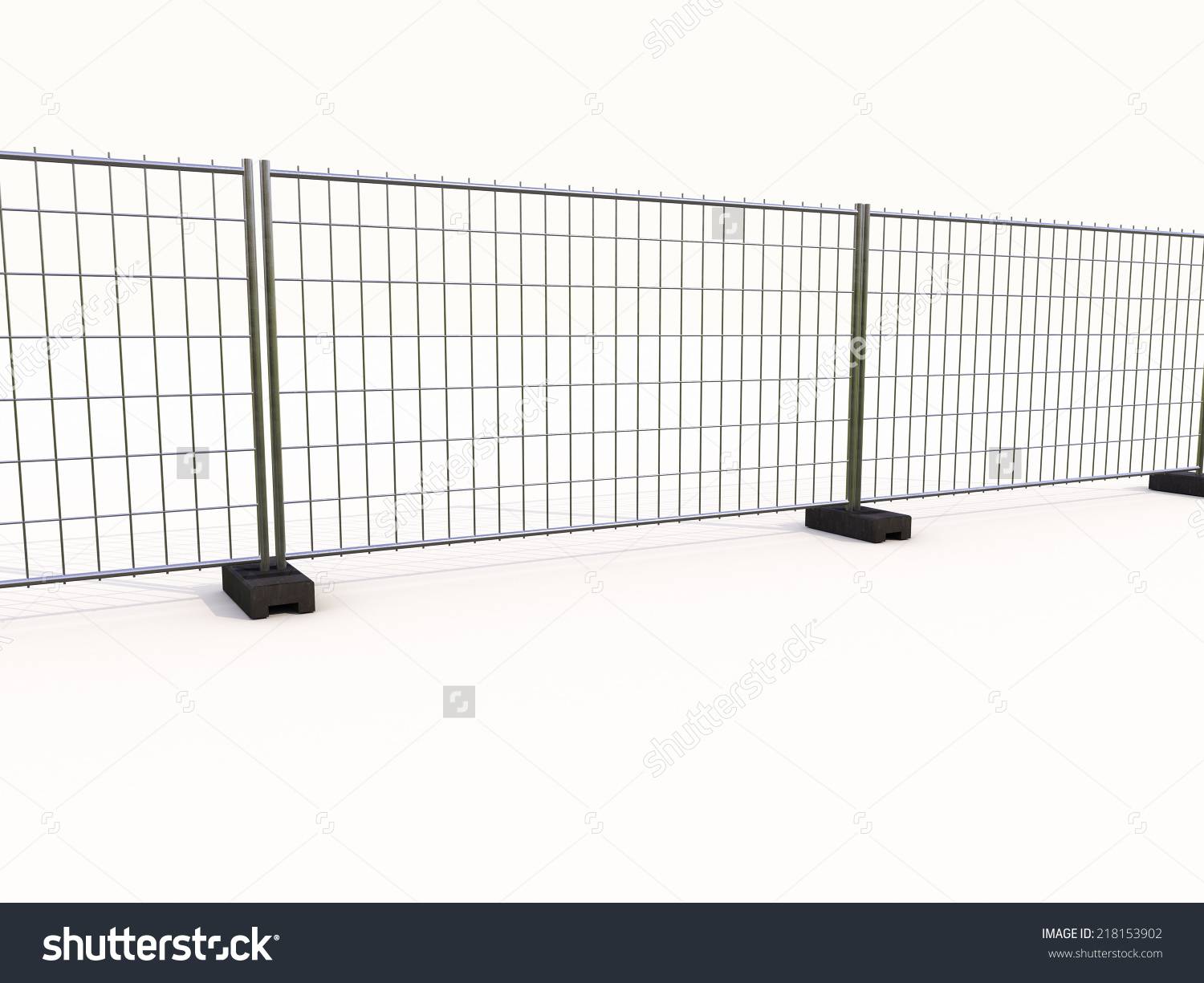
Let’s strip it back. At its core, plain weave mesh refers to a type of textile pattern where warp and weft threads cross over and under alternately — one over, one under. This creates a simple crisscross that’s balanced and stable. The "mesh" part means these weaves have deliberate gaps, making the fabric semi-permeable. Think of it like window screens or the fencing you see around construction zones — sturdy but allowing airflow and light through. From an industrial standpoint, these meshes are often made from materials like polyester or galvanized steel wires, depending on whether flexibility or hardness is a priority.
What makes this pattern so timeless? It’s the perfect compromise between strength and simplicity, which in turn fuels its use in fields as varied as agriculture (crop protection), manufacturing (filter screens), and humanitarian aid (quickly deployable fencing or shelter frameworks).
Key Features That Define Plain Weave Mesh
Durability
Plain weave mesh is tough — more than it looks. The alternating over-and-under threads distribute stress efficiently. Many engineers I spoke with say this dependable strength withstands environmental factors from UV rays to constant wind shear. In real terms, it means fencing or filters last longer without sagging or tearing.
Breathability and Permeability
The mesh design ensures airflow, which is crucial in many industries. For example, in agricultural coverings, it balances protection against pests with allowing sunlight and moisture to penetrate. The weave’s openness is adaptable, so meshes can range from quite dense to loosely woven depending on use.
Cost Efficiency
Oddly enough, the simplicity here cuts costs. Plain weave meshes are easier to manufacture at scale than complex weaves or composites. They’re lighter too, reducing shipping expenses and installation time — something project managers always cheer about.
Scalability and Customization
Manufacturers can tweak the thickness of threads, ratio of open area, and coating materials, creating bespoke mesh solutions. So whether you need a rigid metal mesh or a flexible textile for protective clothing, plain weave is adaptable enough to fit.
Eco-Friendliness
Increasingly, producers are using recycled plastics or biodegradable polymers in meshes’ construction. This adds a sustainability layer to the long lifecycle already offered by durability. It's not just a feel-good bonus; it’s becoming a compliance issue under ISO environmental standards.
Practical Applications Worldwide
Across continents and countless industries, plain weave mesh is, frankly, everywhere. In the aftermath of natural disasters, plain weave mesh fencing gets deployed rapidly to secure damaged zones. In remote industrial mining zones, it filters out dust while allowing ventilation. In construction sites from Europe to Asia, it provides protective barriers that withstand weather and strong winds. Even the United Nations has referenced mesh technology in temporary shelters for refugees, ensuring lightweight yet strong materials in fragile environments.
Mini takeaway: The beauty of plain weave mesh lies in its global versatility—from disaster zones to high-tech manufacturing plants.
Product Specification Table: Typical Plain Weave Mesh
| Specification | Value |
|---|---|
| Material | Galvanized Steel Wire / Polyester |
| Mesh Opening Size | 1.5 mm to 10 mm (customizable) |
| Wire Diameter / Yarn Thickness | 0.4 mm to 1.2 mm |
| Weight per m² | 300 – 850 g/m² |
| Color Options | Natural metal, Green, Black, Customized Coatings |
| UV Resistance | Up to 4000 hours (varies by coating) |
Comparing Leading Vendors of Plain Weave Mesh
| Vendor | Material Options | Customization Levels | Minimum Order Qty. | Lead Time | Notable Clients/Regions |
|---|---|---|---|---|---|
| MeshMaster Co. | Steel, PVC, Polyester | High - Custom coatings & dimensions | 500 m² | 3-4 weeks | EU, North America |
| Global Mesh Solutions | Galvanized Steel only | Medium - Sizes & length | 1000 m² | 2-3 weeks | Asia-Pacific, Africa |
| EcoWeave Corp. | Recycled Polyester | High - Sustainable products focus | 200 m² | 4-6 weeks | Europe, North America |
Advantages & Lasting Impact of Plain Weave Mesh
Choosing plain weave mesh isn’t just a technical decision — it’s an investment in value. For one, its reliability means less downtime and replacements, saving money over years. Then there’s sustainability: many meshes can be recycled, or made from recycled content, adding to circular economy goals. On a human level, it feels good to use materials that support safety (like secure fencing in volatile locations) and dignity (in refugee shelters) simultaneously. Innovation continues to push these meshes to fight corrosion, flex with nature, and do more with less. Trust? Many global NGOs and governments build critical infrastructure around plain weave mesh products.
Looking Ahead: Trends and Innovations
I’m keenly watching materials science here. Imagine meshes incorporating smart fibers that monitor strain or temperature, feeding real-time data to operators. Or biodegradable meshes that dissolve after a project ends — no waste to worry about. Digital weaving technologies allow near-infinite customization, from micro-mesh filters to large-scale architectural fabrics. Sustainability policies, like those floating around ISO 14000 standards, are also steering production choices. In short, this field is quietly becoming a playground for innovation, blending traditional craftsmanship with modern science.
Challenges & Practical Solutions
Of course, plain weave mesh isn’t magic. Challenges like UV degradation, limited resistance to certain chemicals, or mechanical wear can limit applications. Some manufacturers overcome this by advanced coatings or combining meshes with other materials. It’s not uncommon for hybrid solutions — say, a plain weave mesh backed by a polymer film — to find a sweet spot in tough environments. Sorting out supply chain logistics, especially for large projects in developing regions, requires partnerships and local know-how. But, frankly, once the basics are right, the mesh performs admirably.
FAQs About Plain Weave Mesh
-
Q: What makes plain weave mesh a preferred choice for construction fencing?
A: Its balance of strength and breathability means fences stay sturdy without feeling like solid barriers. This reduces wind resistance and improves safety on sites. -
Q: Can plain weave mesh withstand extreme weather conditions?
A: Generally yes, especially when coated or made from galvanized steel. However, regular inspection is recommended to monitor UV and mechanical wear over time. -
Q: How customizable are plain weave meshes in terms of size and material?
A: Very customizable! Vendors can alter thread thickness, mesh opening sizes, colors, and coatings to meet project needs, making them versatile for different sectors. -
Q: Are there eco-friendly options for plain weave mesh?
A: Absolutely. Recycled polyester meshes and biodegradable materials are increasingly common, helping reduce environmental impact.
Wrapping It Up: Why Plain Weave Mesh Deserves Attention
All said and done, plain weave mesh is a quietly powerful textile solution that blends tradition with innovation. Its simplicity enables flexibility across industries, safety protocols, and environmental goals. If you want reliability, affordability, and durability rolled into one — well, the mesh has you covered. For anyone looking to explore options or source reliable mesh products, don’t miss checking out plain weave mesh suppliers who balance quality and innovation.
Consider this a friendly nudge—sometimes the most straightforward solutions weave the strongest bonds.
References:
Latest News About CHENG CHUANG
-
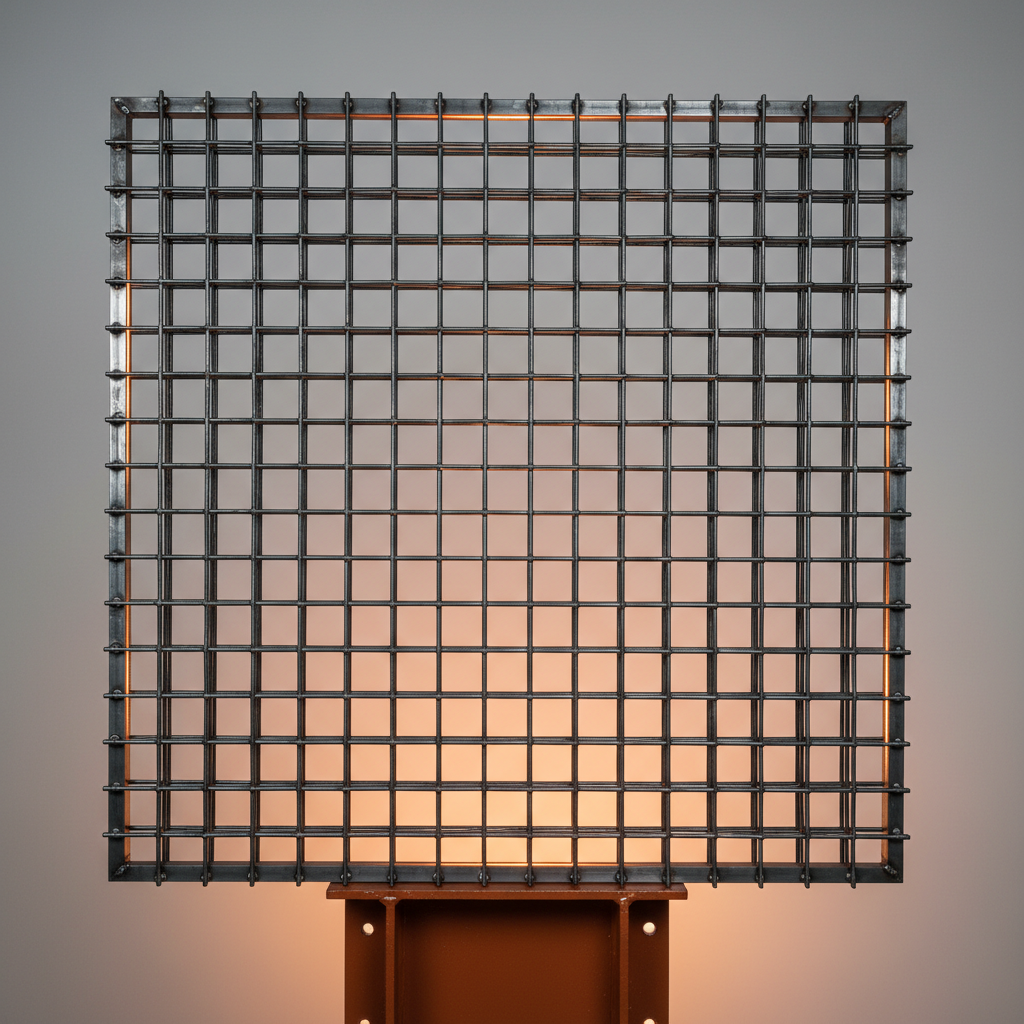 Heavy Duty 6 gauge welded wire mesh for Security and StrengthWhen it comes to heavy-duty containment, security, and structural reinforcement, choosing the right material is critical. The 6 gauge welded wire mesh stands as a premier choice for those requiring a balance of extreme rigidity and precise spacing. Whether you are securing a commercial perimeter, building industrial livestock panels, or creating reinforced concrete structures, this specific thickness provides the structural integrity needed to withstand significant pressure and impact. In this comprehensive guide, we will explore the technical specifications, primary applications, and why this mesh is the gold standard for high-security fencing solutions.Read more >
Apr 16 2026
-
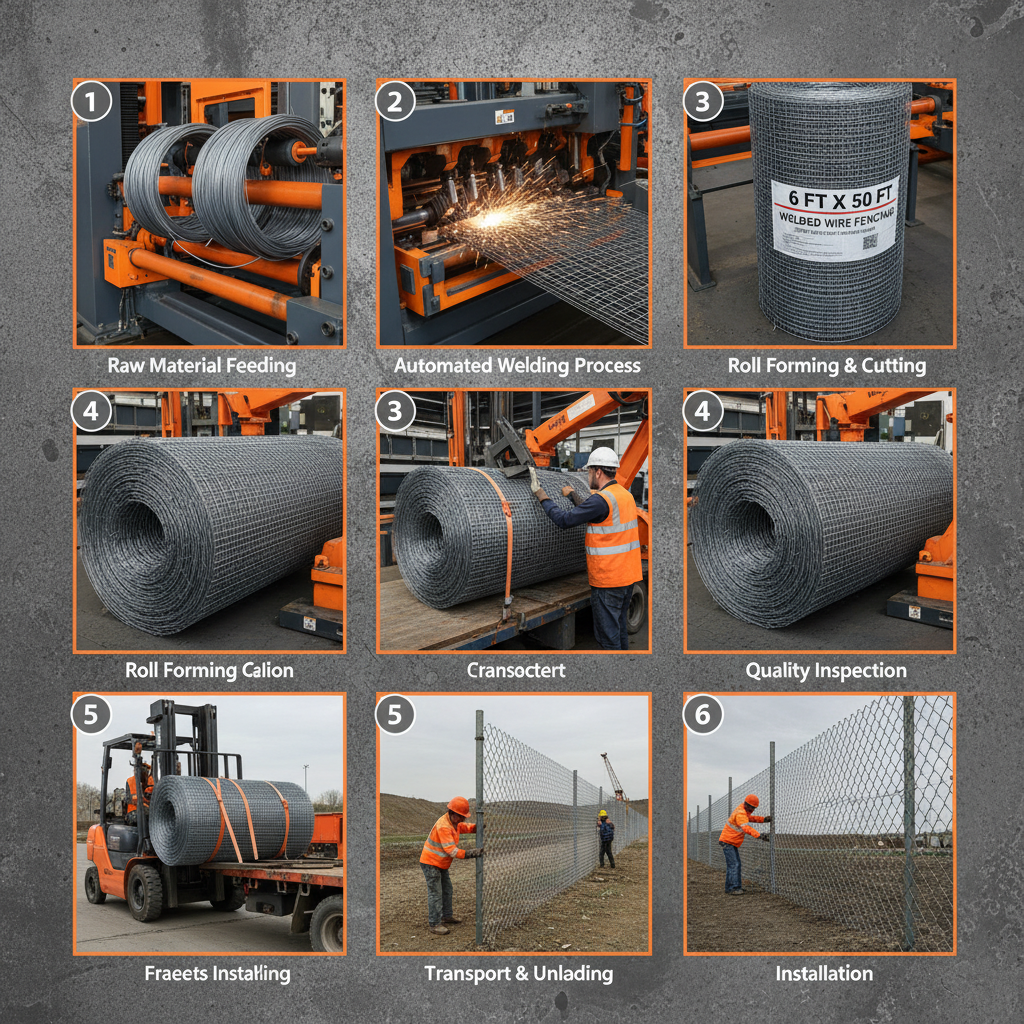 Durable 6 ft x 50 ft welded wire fencing for Security and GardensWhen it comes to securing a perimeter, whether for agricultural use, garden protection, or industrial boundaries, the dimensions and material of your fence matter. The 6 ft x 50 ft welded wire fencing offers an ideal balance of height and length, providing a robust barrier that is easy to install and maintain. Choosing a welded wire system ensures that the intersections are fused together, preventing the shifting and sagging often found in woven alternatives. In this guide, we will explore why this specific size is a preferred choice for property owners and how to maximize its effectiveness for your specific project.Read more >
Apr 09 2026
-
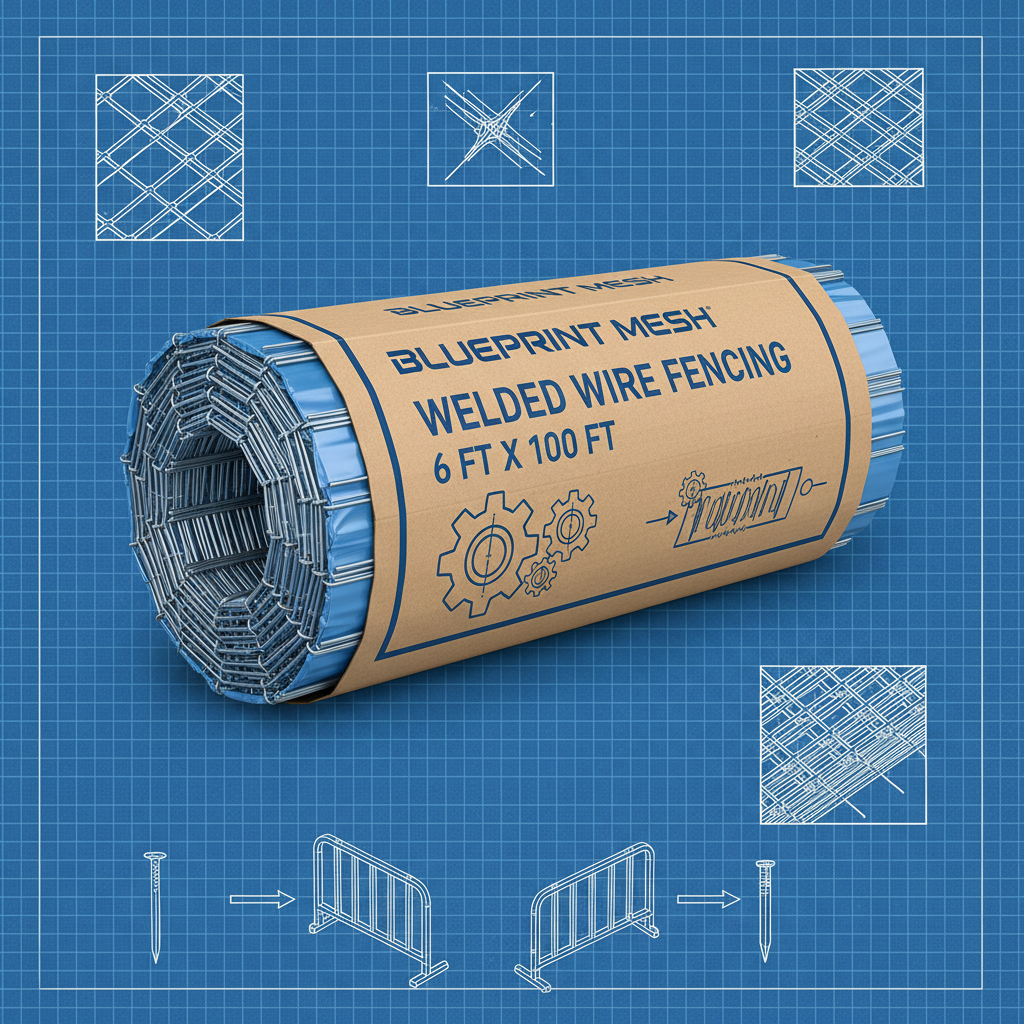 Comprehensive Guide to Choosing the Best 6 ft x 100 ft Welded Wire FencingWelded wire fencing is a versatile and cost-effective solution for a wide range of applications, from agricultural containment to residential security. Understanding the nuances of different types, especially when considering a size like 6 ft x 100 ft welded wire fencing, is crucial for making the right investment. This article will guide you through the essential factors to consider, helping you select the fencing that best suits your specific requirements.Read more >
Apr 07 2026
-
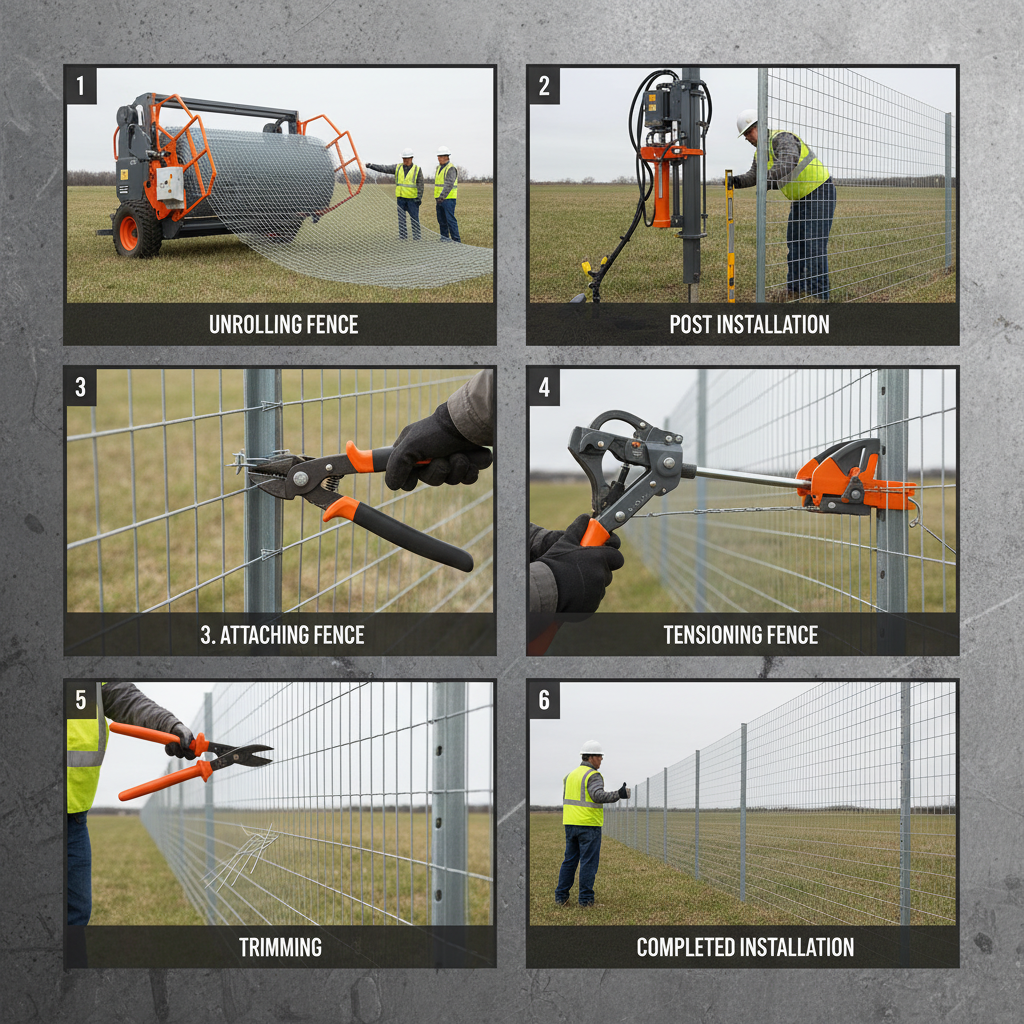 Comprehensive Guide to Choosing a 6 ft x 100 ft 12.5 Gauge Welded Wire FenceSelecting the appropriate fence for your property requires careful consideration. A 6 ft x 100 ft 12.5 gauge welded wire fence offers a robust and versatile solution for a variety of applications, from pet containment to garden protection and security. This guide will explore the benefits, applications, installation tips, and considerations when choosing this type of fencing. Understanding its construction and comparing it to other fencing options will help you make an informed decision.Read more >
Apr 04 2026
-
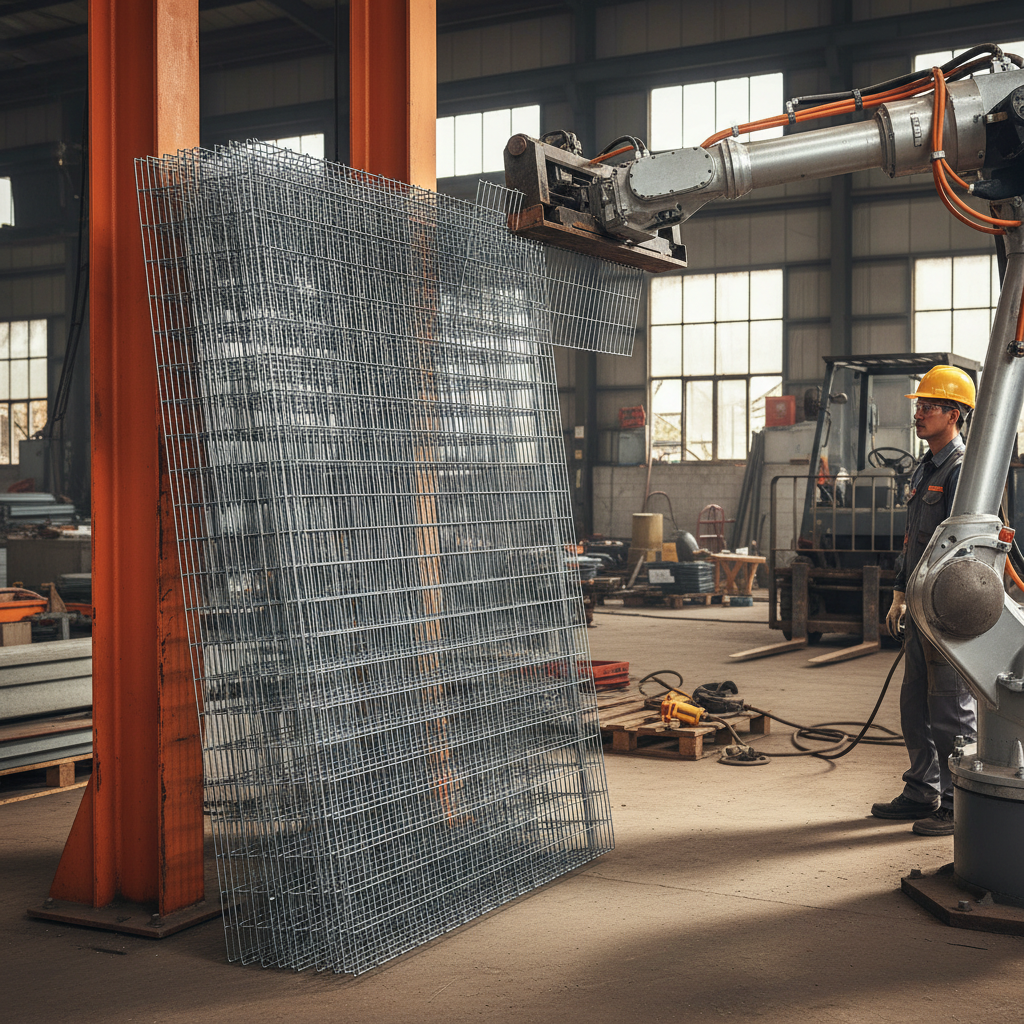 Comprehensive Guide to Durable 6 ft Welded Wire Fencing Panels and ApplicationsWhen selecting fencing for your property, 6 ft welded wire fencing panels offer a robust and versatile solution. These panels combine strength, security, and ease of installation, making them a popular choice for both residential and commercial applications. This article delves into the benefits, applications, installation, and maintenance of these panels, helping you make an informed decision.Read more >
Mar 31 2026