


Perforated Wire Mesh: Durable, Versatile, and Sustainable Solutions for Global Industries
Understanding Perforated Wire Mesh: Why It Still Matters Globally
Perforated wire mesh – simply put – is that ingenious, durable, and versatile metal sheet punched full of holes, making it indispensable across industries worldwide. You might have walked past it dozens of times without a second thought: in building façades, ventilation grilles, filtration systems, or even architectural décor. But why does this modest material matter so much on the global stage? Well, it's a quiet workhorse in sectors ranging from construction and agriculture to humanitarian relief, contributing to safety, innovation, and sustainability – all in one tidy package.
To appreciate its global significance, you need to understand that perforated wire mesh isn’t just about aesthetics or simple protection. Its unique design addresses urgent problems like resource efficiency, climate-adaptive architecture, and even post-disaster logistics. As the world becomes increasingly urbanized and climate-sensitive, these humble metal sheets carry a weight far beyond their size.
The Global Context: Industrial Evolution and Environmental Pressures
Data from the United Nations highlights an ongoing infrastructure boom, especially in emerging economies, where robust materials drive rapid urban growth. The global metal mesh market itself is expected to grow steadily, with Asia-Pacific leading demand due to expanding construction and manufacturing industries (UN data). But there’s a challenge: how to create structures and products that balance durability, cost, and environmental impact?
Perforated wire mesh directly confronts this by offering a low-carbon-footprint alternative to solid metal plates without compromising strength. It’s this balance that industries face daily—building safer, greener infrastructure—and mesh becomes a kind of unsung hero in the fight against waste and inefficiency.
What Exactly Is Perforated Wire Mesh?
At its core, perforated wire mesh is a sheet of metal – often stainless steel, aluminum, or carbon steel – punched with a pattern of holes. These patterns vary in size, shape, and spacing, depending on the intended function. Think Swiss cheese, but industrial-strength and engineered for precise airflow, light penetration, or filtration.
It’s closely tied to modern manufacturing and humanitarian efforts. For example, in refugee camps or remote construction sites, mesh panels serve multiple roles: fencing, shelter reinforcement, or even quick-assembly storage racks. It’s this adaptability — like a metal Swiss army knife — that keeps it relevant.
Key Factors That Make Perforated Wire Mesh Essential
1. Durability
Depending on the material choice, perforated wire mesh can withstand harsh environments — salty sea air, heavy industrial wear, or extreme weather. Many engineers swear by stainless steel mesh for lasting decades without rust, especially for outdoor applications.
2. Scalability and Customization
What’s neat is that the hole size and pattern can be tailored precisely. Need tighter mesh for filtration or larger apertures for ventilation? It’s all possible, meaning manufacturers, architects, or humanitarian planners can get exactly what suits their need.
3. Cost Efficiency
By removing excess material, perforated mesh reduces weight and raw material costs, yet maintains structural strength. This efficiency often results in savings in transportation and installation — sometimes a whopping 15–25% reduction compared to solid metal panels.
4. Aesthetic Flexibility
Beyond utility, the mesh’s design possibilities provide architects plenty of creative freedom. It can lend a modern, airy look to façades or act as decorative elements while serving practical roles, marrying form and function.
5. Environmental Friendliness
Less metal means lower embodied energy. Coupled with recyclability, perforated wire mesh fits sustainable construction trends and circular economy goals embraced by many countries.
Applications That Span the Globe
Oddly enough, the world’s need for perforated wire mesh transcends climates and industries.
- In Urban Architecture: Cities like Singapore and Dubai employ perforated mesh in building façades for solar shading and natural ventilation.
- In Agriculture: European farms use mesh fencing to protect crops from pests while allowing air flow.
- Post-Disaster Relief: NGOs utilize mesh panels to quickly erect secure perimeter fences and supply storage in refugee camps.
- Industrial Zones: Factories in remote regions like Northern Canada or Australia rely on mesh for safety guards around machinery and dust filtration systems.
For instance, in the aftermath of typhoons in the Philippines, emergency teams deployed perforated wire mesh panels for makeshift shelters — lightweight yet strong, ensuring quick deployment and ventilation in humid climates.
The Long-Term Advantages Worth Noting
There’s a lot to like about the long haul of perforated wire mesh. Beyond upfront savings, it promotes sustainability by reducing waste and energy in both production and use phases. The reliability of certain materials (like galvanized steel) brings peace of mind to engineers worried about corrosion and safety.
Emotionally, this reliability incarnates in safer buildings, better animal welfare in farms, and more dignified shelter in crisis situations. Plus, its innovation continues to inspire trust among users worldwide.
Product Specification Table
| Specification | Details |
|---|---|
| Material | Stainless steel (304/316), galvanized steel, aluminum |
| Thickness | 0.5 mm – 6 mm (customizable) |
| Hole Size | From 0.5 mm to 50 mm diameter/shape |
| Patterns | Round, square, slotted, hexagonal |
| Surface Treatment | Galvanized, powder-coated, anodized |
| Typical Uses | Filtering, fencing, decorating, ventilation, safety guards |
Innovation on the Horizon
The future of perforated wire mesh feels vibrant, especially with the drive for greener technologies. Leaders in the industry are experimenting with:
- Smart mesh embedded with sensors that monitor structural health or air quality.
- Advanced coatings that make meshes self-cleaning or better at resisting corrosion.
- Increased use of recycled metals to reduce environmental impact.
Digital fabrication techniques now allow for rapid prototyping of novel patterns tailored to specific environmental or industrial needs – a neat blend of craftsmanship and automation. In the context of renewable energy projects, mesh screens are used in solar panel shading while allowing airflow, helping prevent overheating.
Common Challenges and How to Tackle Them
No solution is perfect—and perforated wire mesh comes with its quirks. For one, larger hole sizes compromise security or filtration efficiency. Also, surface corrosion despite treatments can be a sneaky issue in extreme conditions. Installation errors might also reduce lifespan if not properly handled.
Innovative manufacturers now offer hybrid panels combining mesh with solid elements to balance openings and strength. Meanwhile, improved surface treatments, like nano-coatings, are turning corrosion resistance into a non-issue. Regular maintenance and choosing the right mesh pattern for the job remain pivotal — no shortcut there.
Vendor Comparison Table: Top Players in Perforated Wire Mesh
| Vendor | Material Range | Customization | Global Delivery | Sustainability Focus |
|---|---|---|---|---|
| Chch Fence | Stainless steel, galvanized steel, aluminum | High (custom hole pattern & thickness) | Worldwide | Uses recycled metals, eco-packaging |
| MetalWorks Inc. | Carbon steel, galvanized steel | Medium (standard patterns) | Mostly regional | Limited |
| Global Mesh Solutions | Stainless steel, aluminum | High | Global | Certified green manufacturing |
FAQ: Practical Questions on Perforated Wire Mesh
Q1: How do I choose the right perforated wire mesh for my ventilation project?
A: Consider the hole size and pattern first—larger holes mean more airflow but less protection. Then match the material to your environment; stainless steel is ideal for corrosion resistance and durability. Lastly, check load-bearing requirements and customizability with suppliers to get the best fit.
Q2: Can perforated wire mesh be used in coastal environments without rusting?
A: Yes, but you’ll want marine-grade stainless steel (like 316) or properly galvanized mesh with additional coatings. Maintenance is still key, but these steps significantly reduce rust issues caused by salty, humid air.
Q3: Are perforated wire mesh panels reusable or recyclable?
A: Absolutely. Most metallic meshes are 100% recyclable. Reuse depends on the application—some panels maintain integrity after disassembly, especially in temporary structures or fencing.
Q4: How can NGOs best source perforated wire mesh for rapid construction in disaster zones?
A: Partnering with global suppliers like Chch Fence that offer quick customization and worldwide shipping is crucial. Also, focus on lightweight, modular panels that can be easily transported and assembled onsite.
Q5: Is customizing hole patterns very expensive compared to standard mesh?
A: Customization can add 10-20% to costs depending on complexity, but it often earns payoffs via better fit and reduced waste. Bulk orders lower prices significantly, so it’s worth discussing options with vendors.
Wrapping Up: Why Perforated Wire Mesh Deserves Your Attention
In essence, perforated wire mesh is a deceptively simple material with far-reaching impact. It offers a blend of durability, versatility, and sustainability that modern projects demand — whether you’re building skyscrapers, farming on a small scale, or setting up emergency shelters. Its evolving innovations promise even greater roles in our greener, technology-driven future.
For those curious to dive deeper or to source the right mesh solutions, I recommend visiting our website — the gateway to customization, expert knowledge, and global delivery.
So next time you see those punched metal sheets, remember: they’re not just holes in metal — they’re gateways to smarter design and better lives everywhere.
References & Further Reading
Latest News About CHENG CHUANG
-
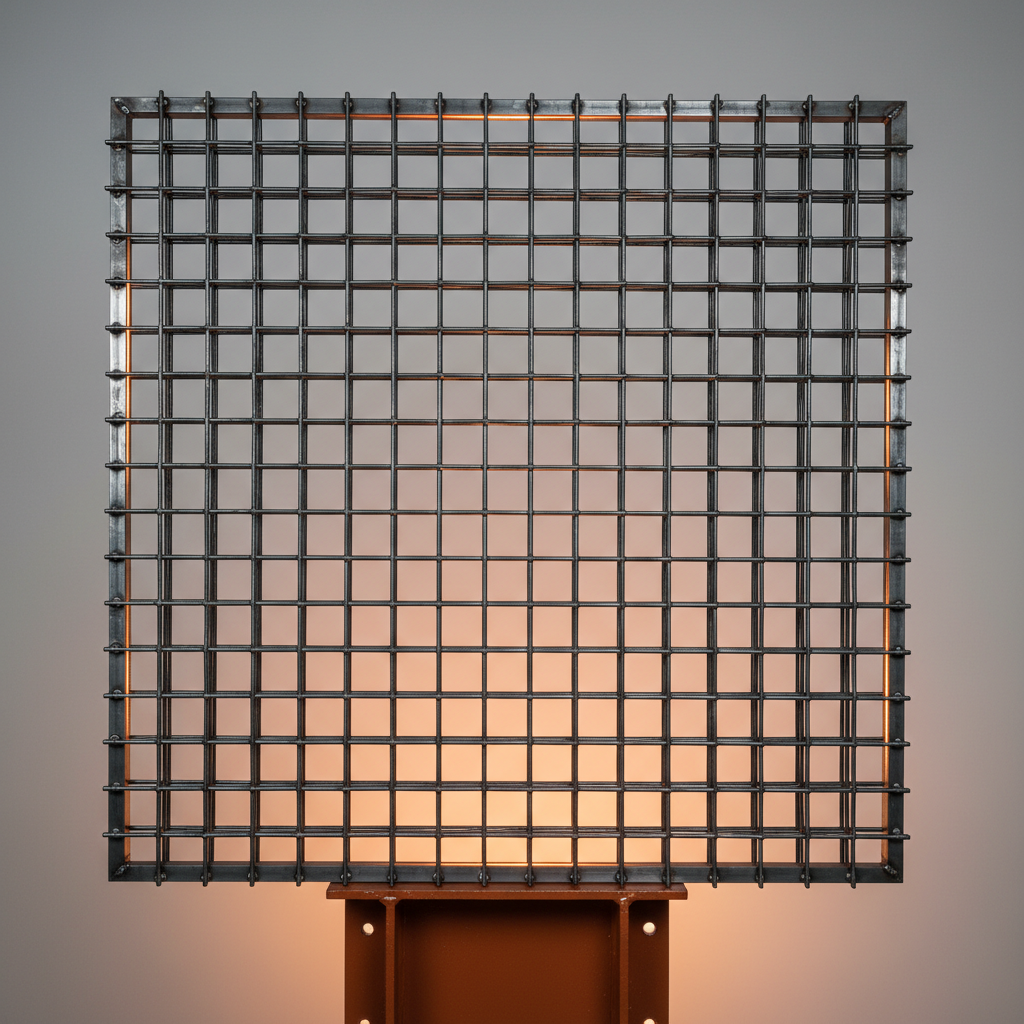 Heavy Duty 6 gauge welded wire mesh for Security and StrengthWhen it comes to heavy-duty containment, security, and structural reinforcement, choosing the right material is critical. The 6 gauge welded wire mesh stands as a premier choice for those requiring a balance of extreme rigidity and precise spacing. Whether you are securing a commercial perimeter, building industrial livestock panels, or creating reinforced concrete structures, this specific thickness provides the structural integrity needed to withstand significant pressure and impact. In this comprehensive guide, we will explore the technical specifications, primary applications, and why this mesh is the gold standard for high-security fencing solutions.Read more >
Apr 16 2026
-
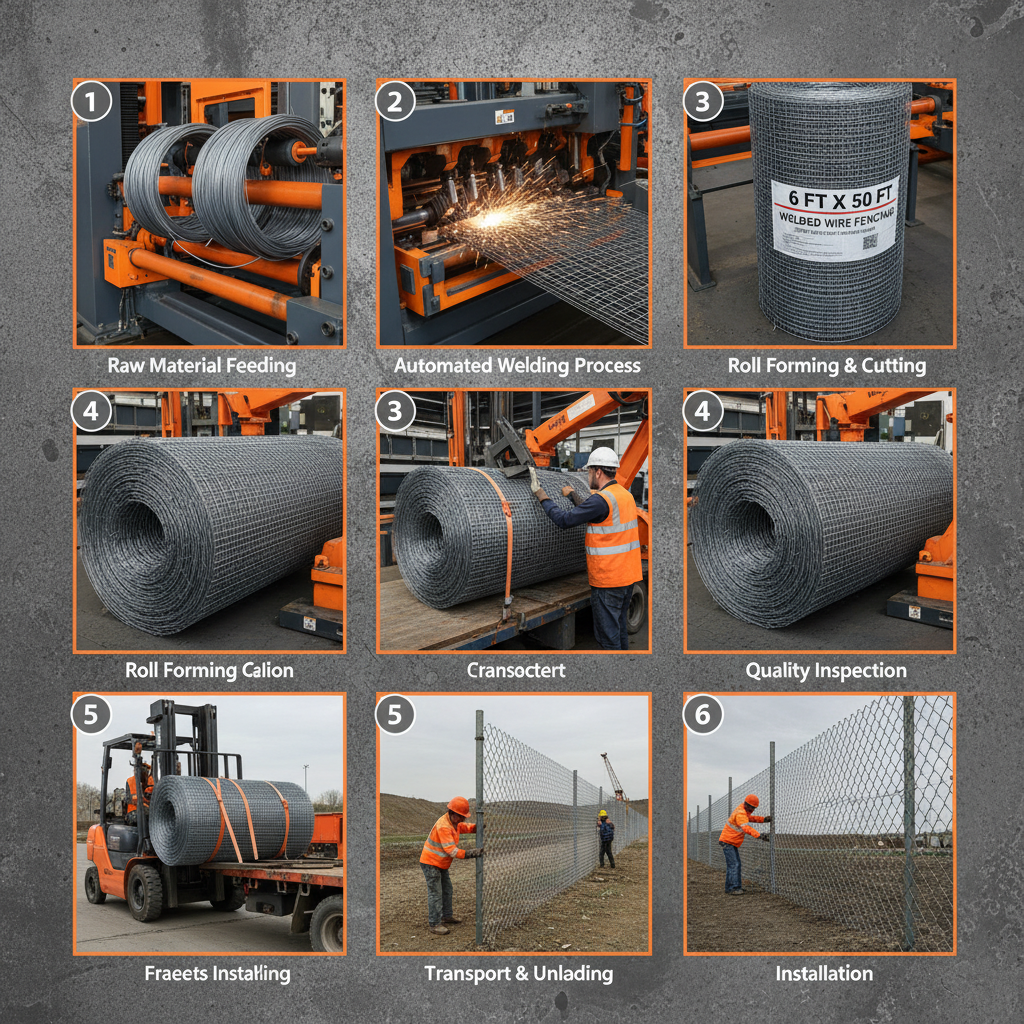 Durable 6 ft x 50 ft welded wire fencing for Security and GardensWhen it comes to securing a perimeter, whether for agricultural use, garden protection, or industrial boundaries, the dimensions and material of your fence matter. The 6 ft x 50 ft welded wire fencing offers an ideal balance of height and length, providing a robust barrier that is easy to install and maintain. Choosing a welded wire system ensures that the intersections are fused together, preventing the shifting and sagging often found in woven alternatives. In this guide, we will explore why this specific size is a preferred choice for property owners and how to maximize its effectiveness for your specific project.Read more >
Apr 09 2026
-
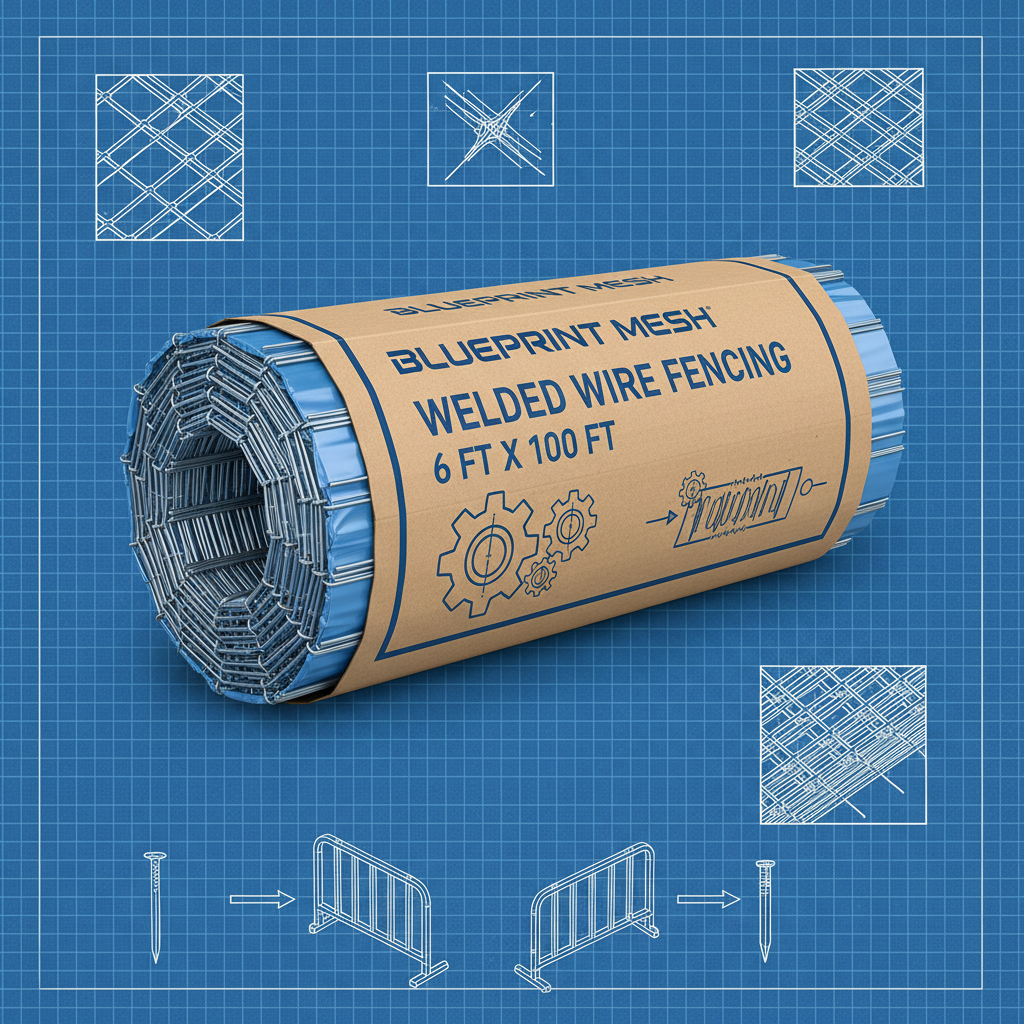 Comprehensive Guide to Choosing the Best 6 ft x 100 ft Welded Wire FencingWelded wire fencing is a versatile and cost-effective solution for a wide range of applications, from agricultural containment to residential security. Understanding the nuances of different types, especially when considering a size like 6 ft x 100 ft welded wire fencing, is crucial for making the right investment. This article will guide you through the essential factors to consider, helping you select the fencing that best suits your specific requirements.Read more >
Apr 07 2026
-
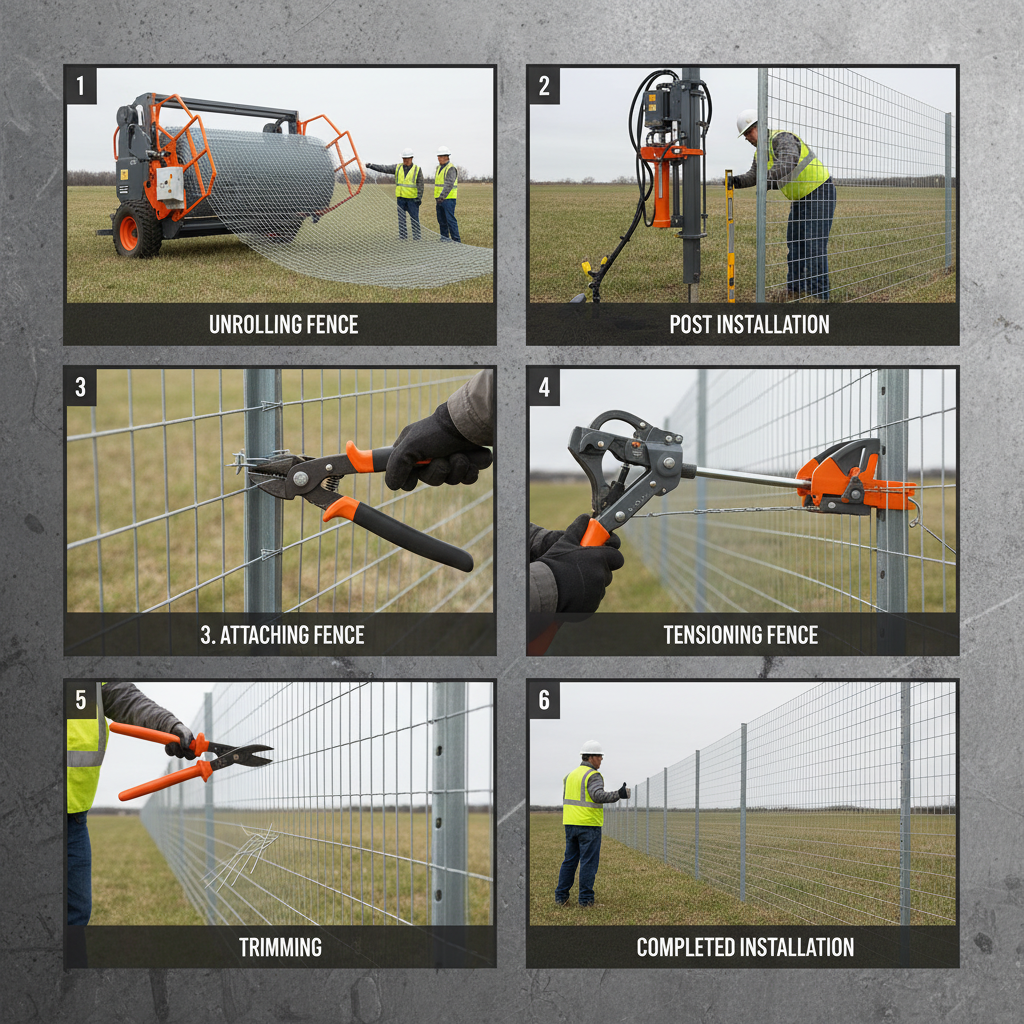 Comprehensive Guide to Choosing a 6 ft x 100 ft 12.5 Gauge Welded Wire FenceSelecting the appropriate fence for your property requires careful consideration. A 6 ft x 100 ft 12.5 gauge welded wire fence offers a robust and versatile solution for a variety of applications, from pet containment to garden protection and security. This guide will explore the benefits, applications, installation tips, and considerations when choosing this type of fencing. Understanding its construction and comparing it to other fencing options will help you make an informed decision.Read more >
Apr 04 2026
-
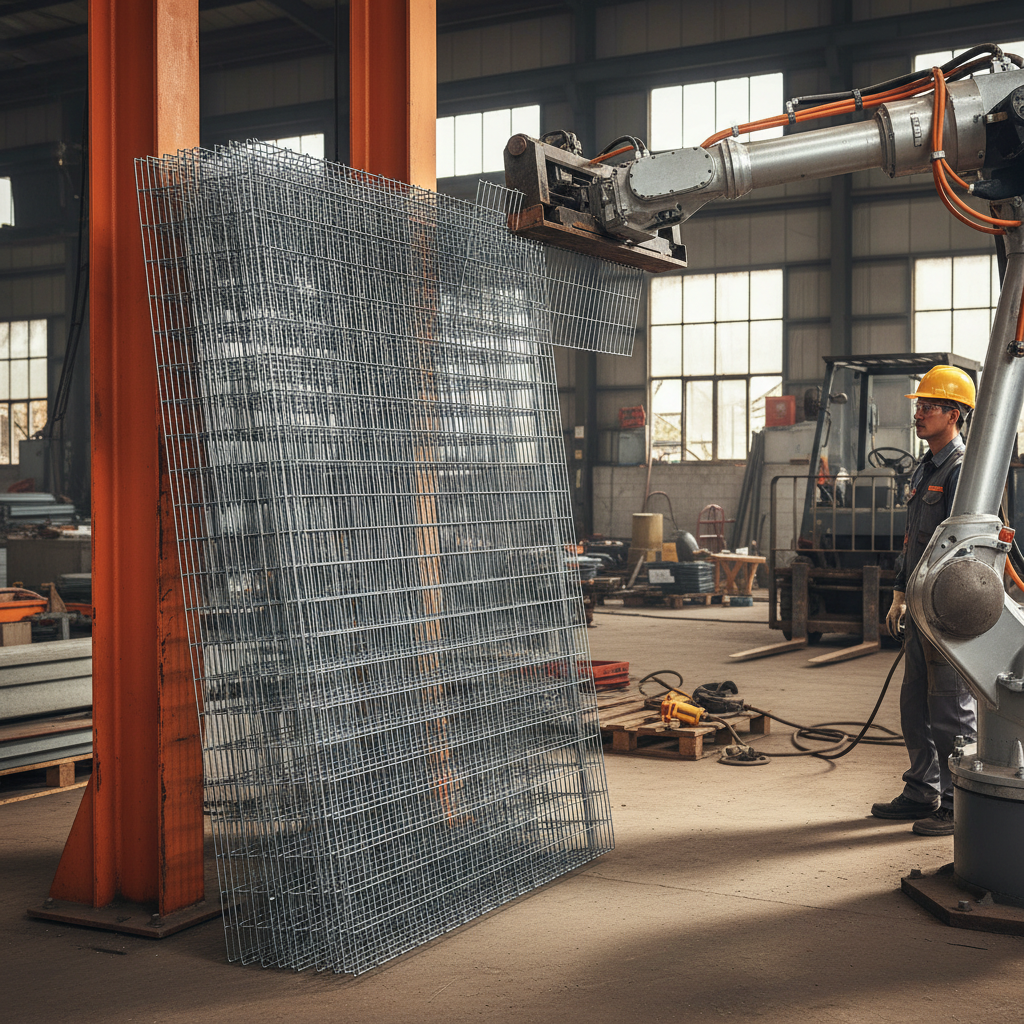 Comprehensive Guide to Durable 6 ft Welded Wire Fencing Panels and ApplicationsWhen selecting fencing for your property, 6 ft welded wire fencing panels offer a robust and versatile solution. These panels combine strength, security, and ease of installation, making them a popular choice for both residential and commercial applications. This article delves into the benefits, applications, installation, and maintenance of these panels, helping you make an informed decision.Read more >
Mar 31 2026