


Metal Wire for Fence – Durable, Secure & Cost-Effective Solutions | CHCH Fence
Understanding Metal Wire for Fence: Why It Matters Worldwide
At first glance, metal wire for fence might seem like a simple building block — just twisted strands of steel or iron keeping animals in or intruders out. Yet, on a global scale, this humble material forms a backbone in everything from agricultural security to urban infrastructure, from refugee camps in remote regions to border protection initiatives. Metal fencing wire is everywhere, quietly supporting safety, economic stability, and even humanitarian relief efforts.
Knowing the ins and outs of metal wire for fence goes beyond just hardware choice. It helps us better design safer environments, reduce maintenance burdens, and push sustainable practices forward. Over the years, innovations in durability, coatings, and tensile strength have transformed what was once a generic fencing option into a tailored solution suited for diverse and demanding global applications. If you want fences that last and perform, understanding these details pays off.
Global Context: The Importance of Metal Wire for Fence
Did you know that the global market for fencing materials, dominated by metal wire products, is projected to grow anywhere between 4.5% and 6.2% annually, depending on the source? According to reports from the International Organization for Standardization (ISO) and the World Bank, increased urbanization and agricultural expansion are driving demand, while security concerns — from crime prevention to wildlife protection — are pushing governments and private sectors to invest heavily in quality fencing.
Yet, these fences have to overcome challenges like climate extremes, corrosion, and installation difficulties in remote areas. This is where metal wire fencing steps in, providing not only resilience but also a cost-effective barrier solution.
Mini takeaway: Metal wire fencing isn’t just a construction material; it’s a key player in agricultural yield protection, infrastructure safeguarding, and even humanitarian logistics worldwide.
Defining Metal Wire for Fence: What Are We Talking About?
In its simplest form, metal wire for fence refers to steel or iron wires twisted, woven, or welded into mesh sheets or coils designed to create barriers. Think of galvanized steel wires coated to resist rust or stainless steel variants prized for longevity. These wires vary in thickness, tensile strength, and flexibility, allowing adaptation to fencing needs — from animal pens on farms to high-security prison perimeters.
Modern industry relies on these wires for bridging the gap between rugged durability and cost efficiency. Humanitarian projects, such as temporary barrier setups in refugee camps, utilize metal wire fences for rapid, safe enclosure that can be relocated or reconfigured.
Key Characteristics of Metal Wire for Fence
1. Durability
Durability is king here. Corrosion-resistant coatings (galvanization, PVC coatings) extend fence life well beyond a decade under normal wear. This means fewer replacements and less waste — a win for budgets and the environment.
2. Scalability & Flexibility
The modular nature allows for fences of virtually any size — from small garden enclosures to vast industrial perimeters. The wire’s flexibility permits bending around uneven terrain without breaking.
3. Cost Efficiency
Compared to concrete or wooden fencing, metal wire fences offer a much more affordable alternative, both in upfront material cost and installation labor — especially when large scale fencing is required.
4. Security Features
Depending on the wire gauge and mesh size, fences can be tailored for deterrence against animals or unauthorized humans. Some variants include razor wire or electrified strands for higher security.
5. Environmental Resistance
Good quality metal wire fencing endures UV exposure, salt spray in coastal areas, and heavy rain without serious degradation.
Mini takeaway: Practically speaking, the right metal wire fence balances flexibility, cost, and protective quality — a trio rarely matched by other fencing materials.
Global Applications in Real Life
You’ll find metal wire fencing in all sorts of settings:
- Agriculture: Protecting crops in sub-Saharan Africa from wildlife like elephants or baboons.
- Industrial Zones: Demarcating mining sites in South America, with wires that resist abrasion and vandalism.
- Humanitarian Relief: Temporary yet secure fencing in refugee camps in the Middle East or disaster zones after hurricanes.
- Urban Infrastructure: City parks, railway boundaries, and sports facilities in Europe and Asia rely on metal wire fences for crowd control and safety.
For example, in a Nepal earthquake relief operation, fields were fenced off quickly with metal wire nets to protect temporary shelters from wandering animals — boosting both human safety and dignity in trying times.
Specification Table of Typical Metal Wire for Fence Products
| Specification | Value / Range | Notes |
|---|---|---|
| Wire Material | Galvanized Steel, Stainless Steel, PVC-coated | Material affects corrosion resistance |
| Wire Gauge | 12-18 gauge (2.0mm - 1.2mm approx.) | Gauge influences strength and flexibility |
| Mesh Size | 2" x 4" (50mm x 100mm) or customizable | Mesh spacing tailored to the application |
| Coating Thickness | 40-60 microns (galvanized), 0.5mm (PVC) | Higher thickness means better corrosion resistance |
| Tensile Strength | 400-600 MPa | Varies by alloy and wire gauge |
Comparing Top Vendors of Metal Wire for Fence
| Vendor | Materials Offered | Special Features | Typical Lead Time | Price Range |
|---|---|---|---|---|
| CHCH Fence Co. | Galvanized, PVC-coated Steel | Custom mesh sizes, fast shipping | 2-4 weeks | Mid |
| FenceMasters Ltd. | Stainless Steel, Galvanized Steel | Heavy-duty options, eco coatings | 4-6 weeks | High |
| EcoWire Solutions | PVC-coated, Recycled Steel | Sustainability certified, biodegradable packaging | 3-5 weeks | Mid-High |
Why Choose Metal Wire for Fence? Advantages and Value
In real terms, metal wire fencing offers an unmatched combination of cost-effectiveness and reliability. Here are a few reasons why engineers and project managers swear by it:
- Longevity: With proper coatings, fences can last decades, reducing replacement frequency.
- Maintenance: Minimal repairs needed compared to wood or chain-link fence layers.
- Safety & Security: Custom mesh and wire thickness tailor fencing to necessary protection levels.
- Environmental Impact: Increasingly recyclable and reusable materials contribute to greener projects.
- Social Impact: Secure fencing often leads to safer communities and protection of livelihoods, especially in farming regions.
Oddly enough, the psychological sense of safety a sturdy fence brings is often overlooked but felt deeply by inhabitants — from livestock herders to urban families.
Looking Ahead: Innovations and Trends in Metal Wire Fencing
Future trends lean into making fences not just barriers but smart, sustainable assets. Some innovations currently bubbling under the radar include:
- Eco-friendly Coatings: Non-toxic paints and galvanized layers that reduce environmental runoff.
- Integration with IoT Sensors: Wires incorporated with motion or pressure sensors for perimeter alerts.
- Use of Recycled Steel: Circular economy models reducing raw material extraction.
- Automated Installation Technologies: Robots able to deploy and fix fences in rough or remote terrains.
I suppose it’s fair to say that fencing is becoming smarter and greener, not just tougher.
Common Challenges and How to Overcome Them
Of course, there are hiccups. For instance, harsh environments can lead to premature corrosion if cheap wire is used. Installation on uneven or rocky ground can be labor-intensive and costly. And in conflict zones, fencing can be damaged in unrest or evaded.
Experts recommend:
- Investing in quality galvanization or alternative coatings based on environment.
- Creating modular fences that can be repaired or expanded with minimal tools.
- Using layered defenses combining fencing with surveillance when security is critical.
FAQ: Your Metal Wire Fence Questions Answered
What factors affect the lifespan of metal wire fencing?
The primary factors are the wire material, coating type, environmental exposure (e.g. coastal salt spray or industrial pollution), and maintenance frequency. Galvanized or PVC-coated wires can last 15-30 years under average conditions.
Can metal wire fences be customized for different security levels?
Absolutely. By adjusting the wire gauge, mesh size, and adding features like barbed or razor wire, fences can be designed for anything from pet enclosures to high-security military zones.
How does the cost of metal wire fencing compare to other fencing types?
Metal wire fences typically have lower upfront costs than brick or stone walls and require significantly less maintenance than wooden fences, making them cost-effective over the long haul.
Where can I find suppliers for high-quality metal wire fencing?
Reliable suppliers like CHCH Fence Co. offer customizable wire fencing solutions backed by technical support. Ensure you check certifications and warranty details.
Conclusion: Why Invest in Metal Wire for Fence?
When you weigh durability, cost, security, and sustainability, metal wire fencing stands out as a truly versatile solution for global needs. Whether fencing farmlands, factories, or humanitarian zones, it carries an enduring promise of protection and practicality. If you're considering a reliable fencing product, take a closer look at metal wire options—you might find it’s exactly what your next project needs.
Ready to learn more or get a quote? Visit us at CHCH Fence Co. to explore our full range of metal wire fencing products and services.
References
Latest News About CHENG CHUANG
-
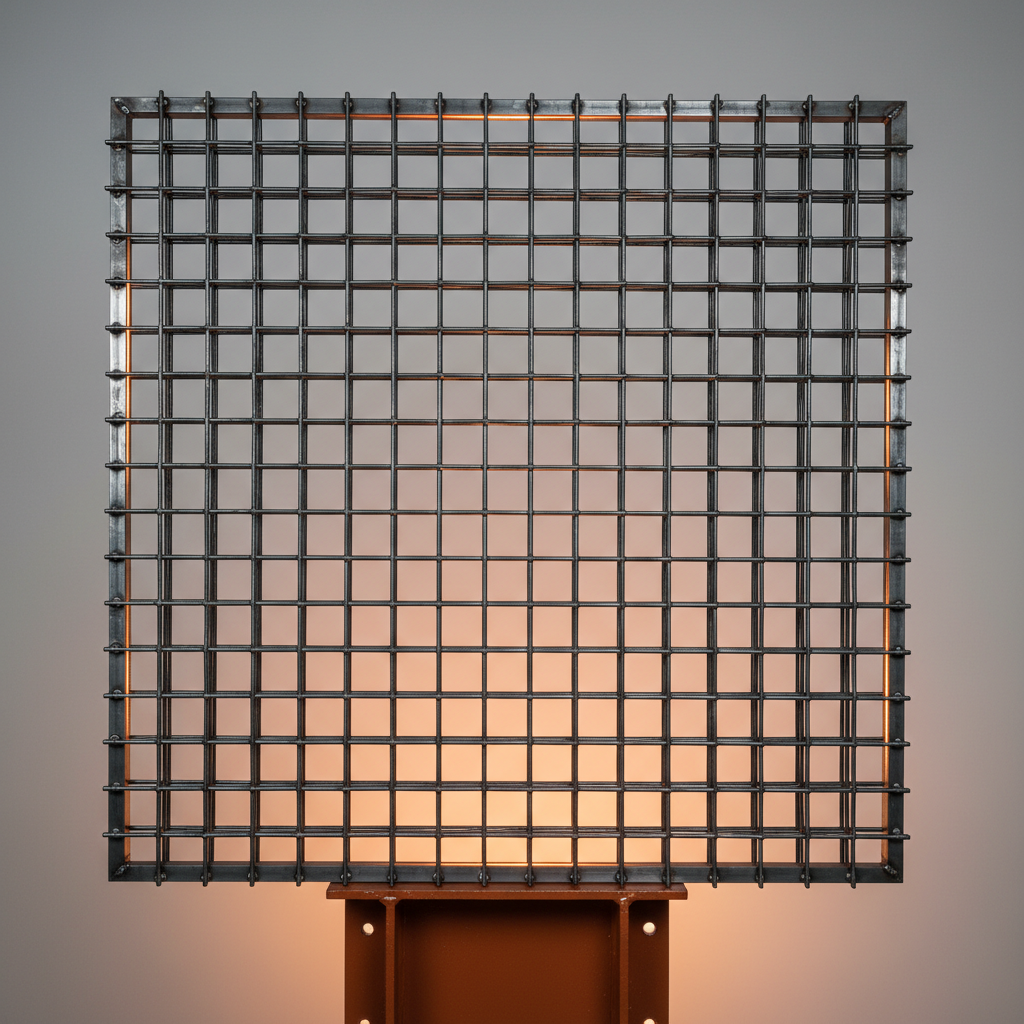 Heavy Duty 6 gauge welded wire mesh for Security and StrengthWhen it comes to heavy-duty containment, security, and structural reinforcement, choosing the right material is critical. The 6 gauge welded wire mesh stands as a premier choice for those requiring a balance of extreme rigidity and precise spacing. Whether you are securing a commercial perimeter, building industrial livestock panels, or creating reinforced concrete structures, this specific thickness provides the structural integrity needed to withstand significant pressure and impact. In this comprehensive guide, we will explore the technical specifications, primary applications, and why this mesh is the gold standard for high-security fencing solutions.Read more >
Apr 16 2026
-
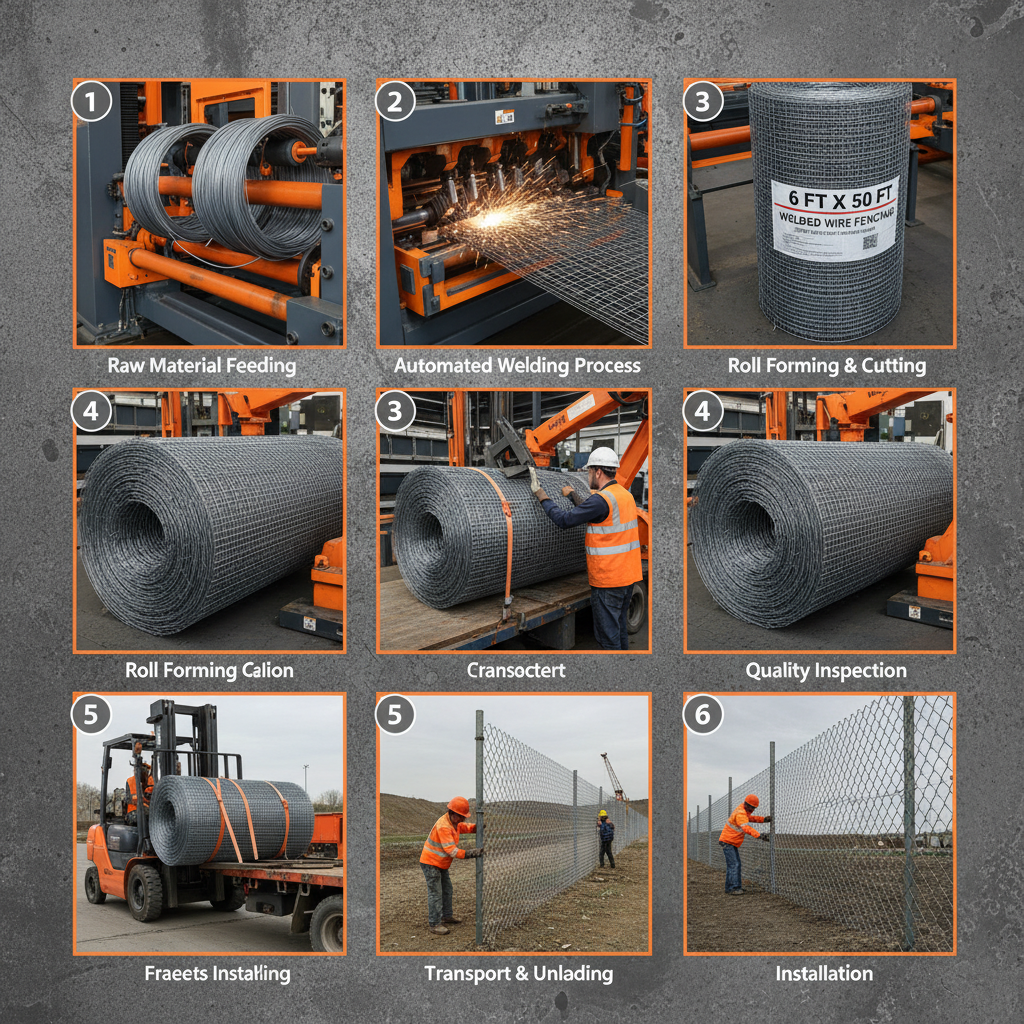 Durable 6 ft x 50 ft welded wire fencing for Security and GardensWhen it comes to securing a perimeter, whether for agricultural use, garden protection, or industrial boundaries, the dimensions and material of your fence matter. The 6 ft x 50 ft welded wire fencing offers an ideal balance of height and length, providing a robust barrier that is easy to install and maintain. Choosing a welded wire system ensures that the intersections are fused together, preventing the shifting and sagging often found in woven alternatives. In this guide, we will explore why this specific size is a preferred choice for property owners and how to maximize its effectiveness for your specific project.Read more >
Apr 09 2026
-
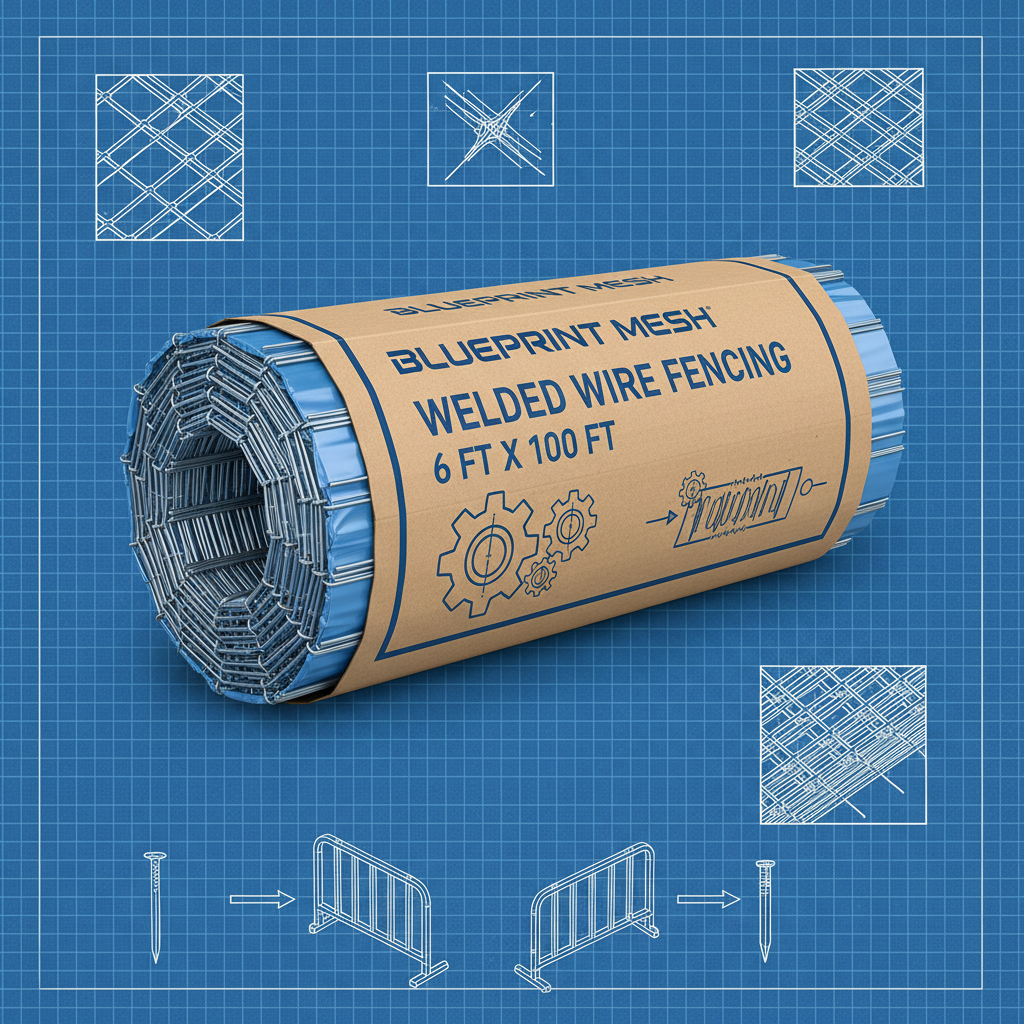 Comprehensive Guide to Choosing the Best 6 ft x 100 ft Welded Wire FencingWelded wire fencing is a versatile and cost-effective solution for a wide range of applications, from agricultural containment to residential security. Understanding the nuances of different types, especially when considering a size like 6 ft x 100 ft welded wire fencing, is crucial for making the right investment. This article will guide you through the essential factors to consider, helping you select the fencing that best suits your specific requirements.Read more >
Apr 07 2026
-
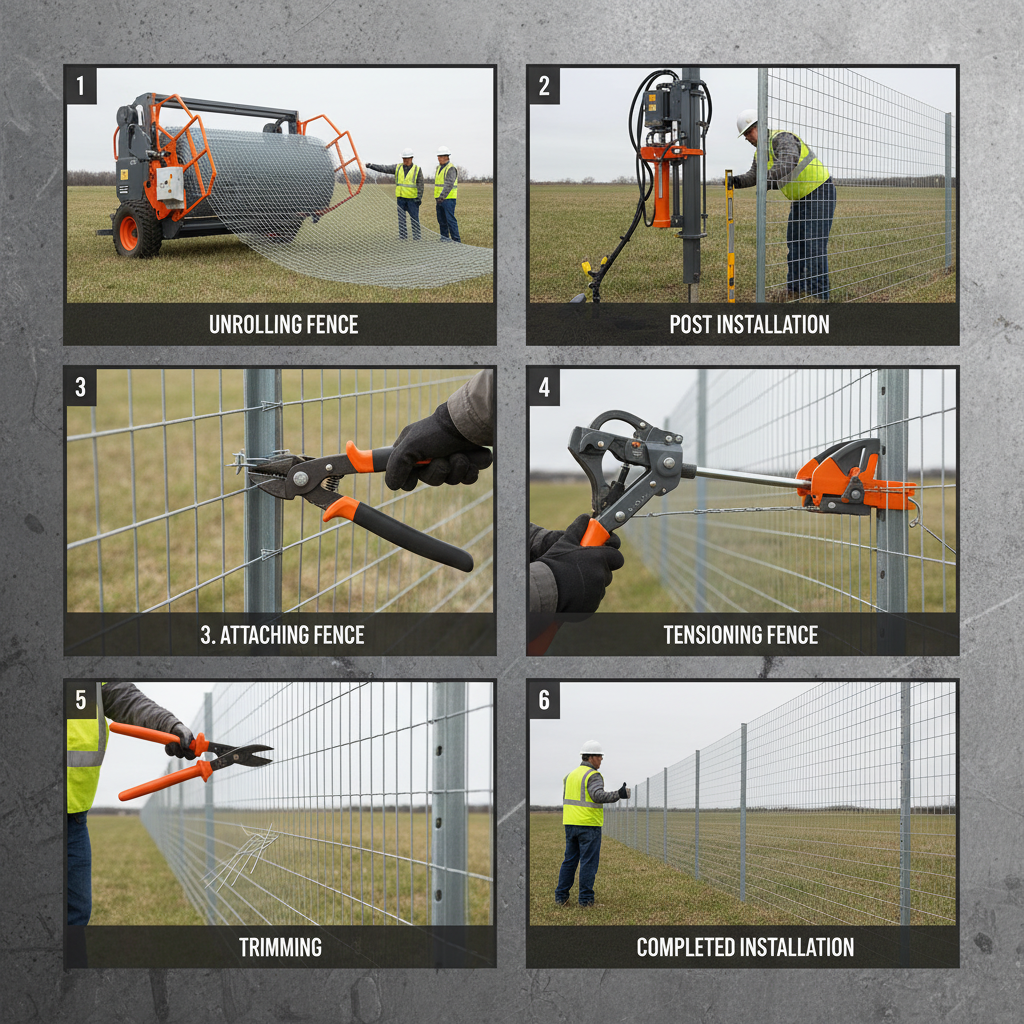 Comprehensive Guide to Choosing a 6 ft x 100 ft 12.5 Gauge Welded Wire FenceSelecting the appropriate fence for your property requires careful consideration. A 6 ft x 100 ft 12.5 gauge welded wire fence offers a robust and versatile solution for a variety of applications, from pet containment to garden protection and security. This guide will explore the benefits, applications, installation tips, and considerations when choosing this type of fencing. Understanding its construction and comparing it to other fencing options will help you make an informed decision.Read more >
Apr 04 2026
-
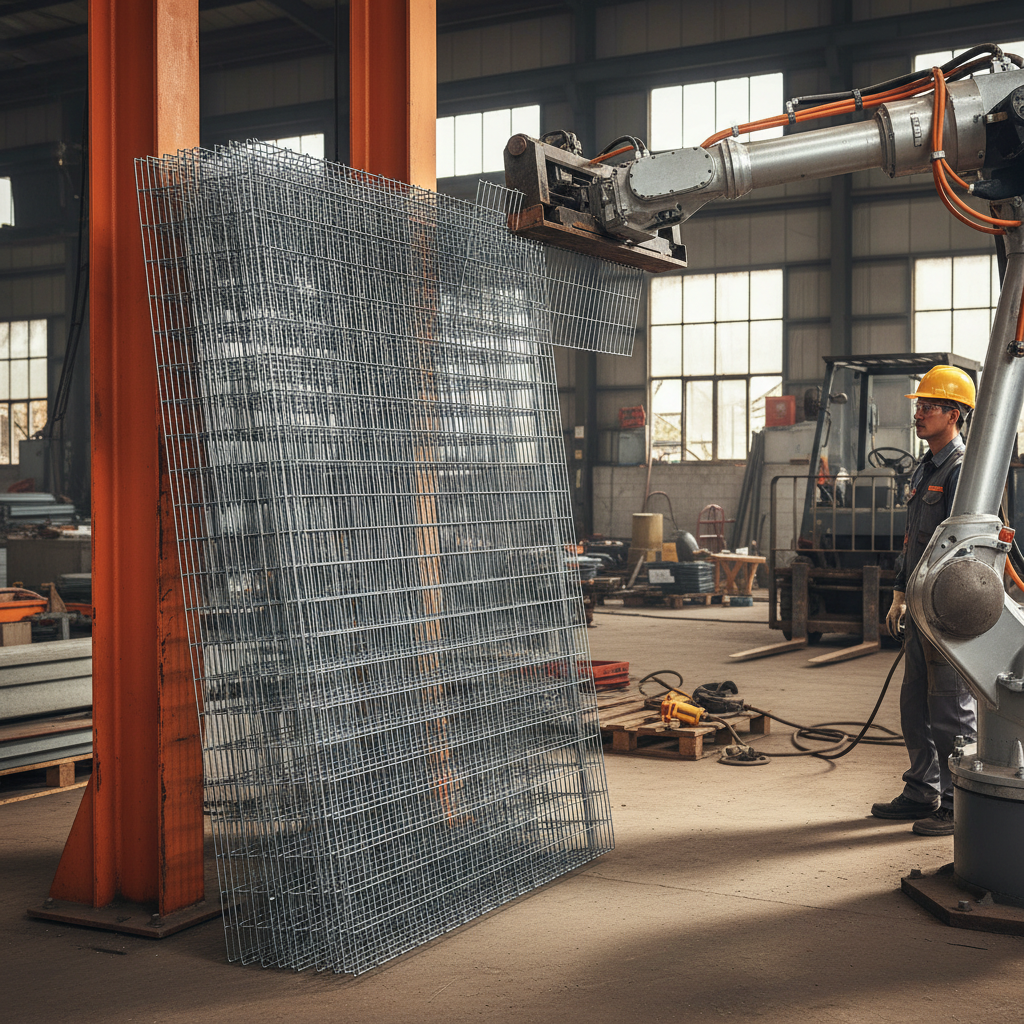 Comprehensive Guide to Durable 6 ft Welded Wire Fencing Panels and ApplicationsWhen selecting fencing for your property, 6 ft welded wire fencing panels offer a robust and versatile solution. These panels combine strength, security, and ease of installation, making them a popular choice for both residential and commercial applications. This article delves into the benefits, applications, installation, and maintenance of these panels, helping you make an informed decision.Read more >
Mar 31 2026