


Metal Mosquito Mesh - Durable Solutions for Mosquito Control and Ventilation
Metal Mosquito Mesh: A Small Barrier with Worldwide Impact
At first glance, metal mosquito mesh might seem like just another building accessory — a simple screen to keep pesky insects at bay. But zoom out and it’s clear this humble technology plays a vital role in global health, sustainability, and comfort. With rising mosquito-borne diseases affecting millions, understanding the ins and outs of metal mosquito mesh is not just useful but necessary. This article dives into why metal mosquito mesh matters on a planetary scale, its core features, applications, and a peek into the future.
The Global Relevance of Metal Mosquito Mesh
According to the World Health Organization, mosquito-borne illnesses such as malaria, dengue, and Zika cause approximately 700,000 deaths annually worldwide. While bed nets and insecticides have long been frontline defenses, the metal mosquito mesh offers a robust, reusable, and durable solution, especially in urban and industrial settings. Granted, not everyone thinks of mosquito control as an infrastructure challenge, but for regions combating disease and improving ventilation simultaneously, it’s quite literally a life-saver.
Durability, ease of maintenance, and the ability to fit custom openings have made metal mesh a rising star globally. United Nations data shows that in tropical climates where malaria plagues regions, metal mosquito mesh screens in homes have reduced infection rates by up to 50%. It’s an intersection of public health and smart engineering, and frankly, that combo rarely disappoints.
Mini Takeaway
Metal mosquito mesh is more than screen—it’s a scalable health intervention supporting millions globally, especially where mosquito-borne illness is a constant threat.
What Exactly Is Metal Mosquito Mesh?
In plain terms, metal mosquito mesh is a finely woven lattice made from metals like stainless steel, aluminum, or galvanized iron designed to block mosquitoes and other tiny insects. Unlike fabric nets, these meshes are resilient, corrosion-resistant, and can endure harsh weather, making them perfect for windows, doors, ventilation ducts, and sometimes even industrial filters.
Beyond just keeping insects out, metal mosquito mesh contributes to modern industrial needs — filtering particulates, enhancing airflow without security compromise, and being customizable for various sizes and shapes. Humanitarian organizations rely on it for emergency shelter construction where mosquito control is critical, combining practical utility with social impact.
Mini Takeaway
Metal mosquito mesh is a simple but clever solution marrying engineering durability with public health needs.
Key Characteristics of Metal Mosquito Mesh
1. Durability
The metal wires forming the mesh resist tears, corrosion, and UV damage better than cloth or plastic screens. Stainless steel, especially, can last decades. Roughly, fabric screens might need replacing every 1–3 years, but metal mosquito meshes often hang around 10 years or more, sometimes outlasting the window frame itself!
2. Customizability
Meshes come in various mesh sizes, wire thicknesses, and metal types depending on the application — from fine screens that block tiny no-see-ums to coarser industrial meshes. They can be cut to size or woven to specification, making metal mosquito mesh scalable for everything from home windows to massive ventilation units.
3. Cost Efficiency Over Time
While upfront costs for metal mesh can be higher than plastic or fabric solutions, the reduced maintenance and longer lifespan usually translate to lower lifecycle costs. You pay more once, rather than frequently replacing cheap alternatives.
4. Airflow and Visibility
Good metal meshes maintain ventilation and outward visibility, critical for homes and offices in hot climates. They avoid the “barrier feeling” of thick screens and preserve natural airflow, which also helps reduce reliance on air conditioning.
5. Sustainability
Since metal meshes are recyclable and durable, they align well with growing environmental demands for sustainable materials — quite a contrast from single-use insecticides or disposable nets.
Mini Takeaway
These core traits make metal mosquito mesh a compelling choice for long-term mosquito control and infrastructure enhancement.
Specifications Overview: Popular Metal Mosquito Mesh Types
| Specification | Stainless Steel 304 Mesh | Aluminum Alloy Mesh | Galvanized Iron Mesh |
|---|---|---|---|
| Material | Stainless Steel (Grade 304) | Aluminum Alloy | Galvanized Iron |
| Mesh Size (aperture) | 18x16 (approx. 0.9mm openings) | 16x14 (approx. 1.2mm openings) | 14x14 (approx. 1.5mm openings) |
| Wire Diameter | 0.25 mm | 0.35 mm | 0.30 mm |
| Corrosion Resistance | High | Moderate | Low (rusts without coating) |
| Typical applications | Residential, hospitals, tropical regions | Commercial buildings, light industry | Temporary structures, cost-sensitive projects |
Leading Global Vendors: A Quick Comparison
| Vendor | Product Range | Customization Options | Pricing | Global Reach |
|---|---|---|---|---|
| ChCh Fence | Extensive (metal mesh + fencing) | Full custom sizes & alloys | Mid-range, volume discounts | Strong presence in Asia & Africa |
| Global Mesh Co. | Focused on stainless steel mesh | Limited customization options | Premium pricing | Europe and North America |
| EcoGuard Screens | Metal and eco-friendly composites | High customization, eco-focused | Higher pricing, green premium | Global, emphasis on green markets |
How Metal Mosquito Mesh is Used Around the World
Communities in Southeast Asia, Sub-Saharan Africa, and the Americas benefit immensely from metal mosquito mesh. In post-disaster relief efforts, humanitarian agencies fit temporary shelters with metal mesh window inserts, reducing disease incidence in refugee camps. Industrial zones prone to insect contamination use metal mosquito mesh to protect sensitive production lines without sacrificing airflow.
Hospitals in malaria-endemic areas often install stainless steel mesh to create safe wards, particularly for newborns and immuno-compromised patients. Engineers building new eco-resorts in coastal Asia rely on custom aluminum mesh sourced from vendors like metal mosquito mesh specialists because it's lightweight and corrosion-resistant.
Mini Takeaway
Whether in relief camps or luxury lodges, metal mosquito mesh offers a marriage of protection and practicality that transcends geography.
The Advantages and Long-Term Value
- Cost savings: Less frequent replacement reduces ongoing expenses.
- Sustainability: Highly recyclable and durable, reducing waste.
- Health impact: Proven reduction in mosquito-borne disease transmission.
- Trust and reliability: Users report fewer maintenance headaches and more peace of mind.
- Comfort: Maintains airflow and visibility, improving living and working conditions.
Oddly enough, metal mosquito mesh taps into both emotional and practical human needs. It’s about feeling safe in your own home, dignified healthcare facilities, or protected workspaces — and investing in something long-lasting that works hard without nagging you.
Emerging Trends and Innovations
Right now, the push is toward integrating metal mesh with smart sensor technology and lightweight composite materials. For example, some manufacturers experiment with anti-microbial coatings or self-cleaning surfaces to reduce maintenance further. Digital customization tools let architects specify mesh sizes and materials online before ordering — bit by bit, the process gets more scalable and precise.
Green innovation is huge: moving from galvanized iron to recycled aluminum or stainless steel drastically lowers carbon footprints. Automation in mesh weaving means faster production, lower costs, and more batch-to-batch consistency.
Mini Takeaway
The future looks bright and sustainable for metal mosquito mesh, blending durability with digital, eco-friendly advances.
Challenges and Practical Solutions
While highly effective, metal mosquito mesh isn’t without challenges. Lower upfront cost alternatives like plastic mesh still dominate low-income markets due to affordability. Installation can be tricky; incorrect fitting reduces efficacy. Corrosion, especially in salty coastal environments, remains a concern unless specialists use premium alloys or coatings.
Solutions include subsidizing costs in vulnerable regions, educating installers through NGOs, and investing in corrosion-resistant alloys. Organizations like the International Organization for Standardization (ISO) provide material and performance guidelines that help vendors meet stringent global demands.
FAQ: Common Questions About Metal Mosquito Mesh
1. How does metal mosquito mesh compare to traditional fabric nets?
Metal mesh is more durable, weather-resistant, and reusable than fabric nets, which can tear easily and degrade from sunlight. It also allows better airflow while keeping insects out, making it ideal for permanent installations.
2. Can metal mosquito mesh be used in coastal areas prone to corrosion?
Yes, but using stainless steel grades (e.g., 316) or properly coated aluminum alloys is crucial to prevent rust. Regular maintenance and professional installation extend lifespan in salty environments.
3. Is metal mosquito mesh customizable for different window sizes?
Absolutely. One of metal mesh's strengths is that it can be tailor-made to fit nearly any dimension or shape, including vents, doors, and even large industrial openings.
4. How effective is metal mosquito mesh in reducing malaria cases?
Research shows that when properly installed, metal mosquito mesh reduces indoor mosquito incidence, cutting malaria rates by up to half in some tropical regions, alongside bed nets and insecticides.
5. Where can I buy quality metal mosquito mesh?
Trusted vendors like ChCh Fence provide customizable options, technical support, and worldwide shipping, making them a reliable source for procurement.
Wrapping Up: Why Metal Mosquito Mesh Deserves Attention
In real terms, metal mosquito mesh is an unsung hero of global health infrastructure. It combines engineering resilience with practical mosquito control that millions count on every day. Its durability, sustainability, and adaptability promise long-term value both economically and socially.
For anyone interested in sustainable solutions to mosquito-borne health risks or simply better ventilation options, exploring metal mosquito mesh options today makes sense. Curious to learn more or source custom metal screens? Visit our website and see how smart mesh can make a difference in your space.
References and Resources
Latest News About CHENG CHUANG
-
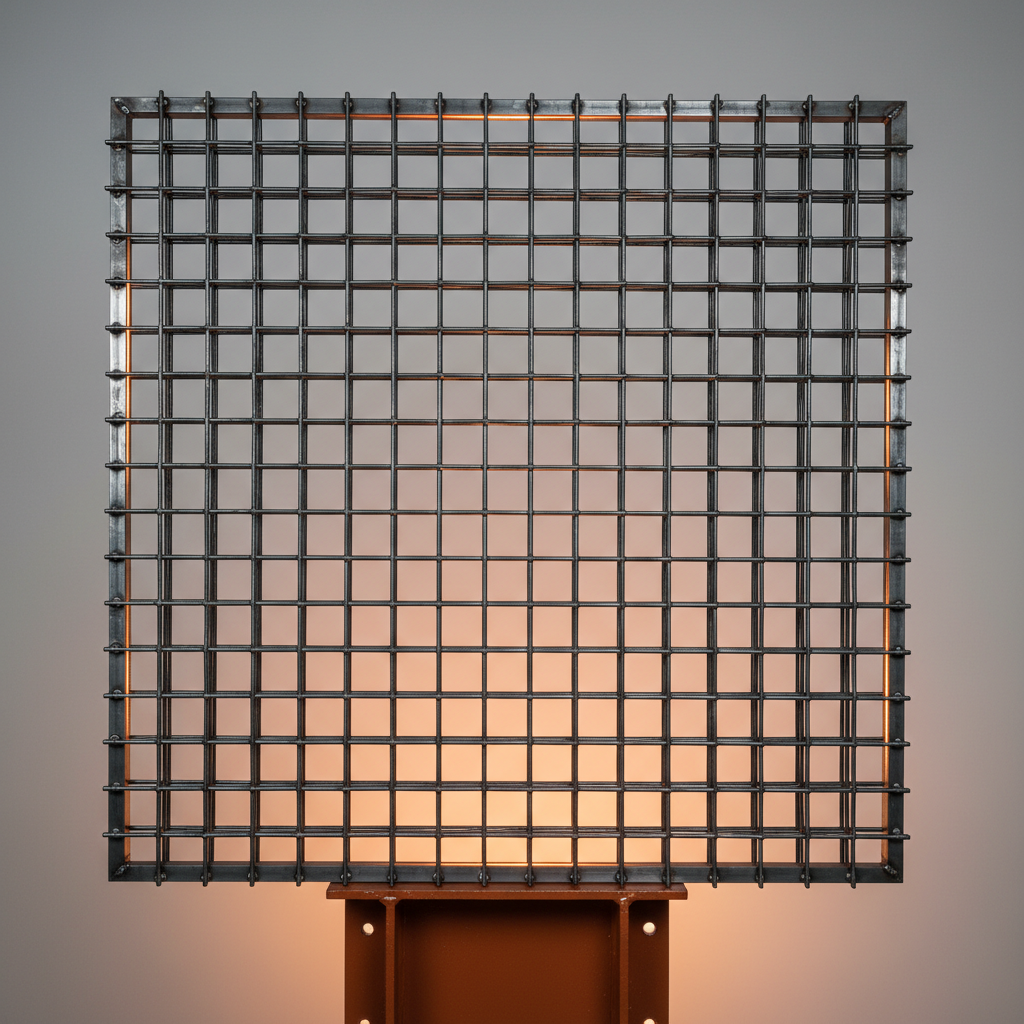 Heavy Duty 6 gauge welded wire mesh for Security and StrengthWhen it comes to heavy-duty containment, security, and structural reinforcement, choosing the right material is critical. The 6 gauge welded wire mesh stands as a premier choice for those requiring a balance of extreme rigidity and precise spacing. Whether you are securing a commercial perimeter, building industrial livestock panels, or creating reinforced concrete structures, this specific thickness provides the structural integrity needed to withstand significant pressure and impact. In this comprehensive guide, we will explore the technical specifications, primary applications, and why this mesh is the gold standard for high-security fencing solutions.Read more >
Apr 16 2026
-
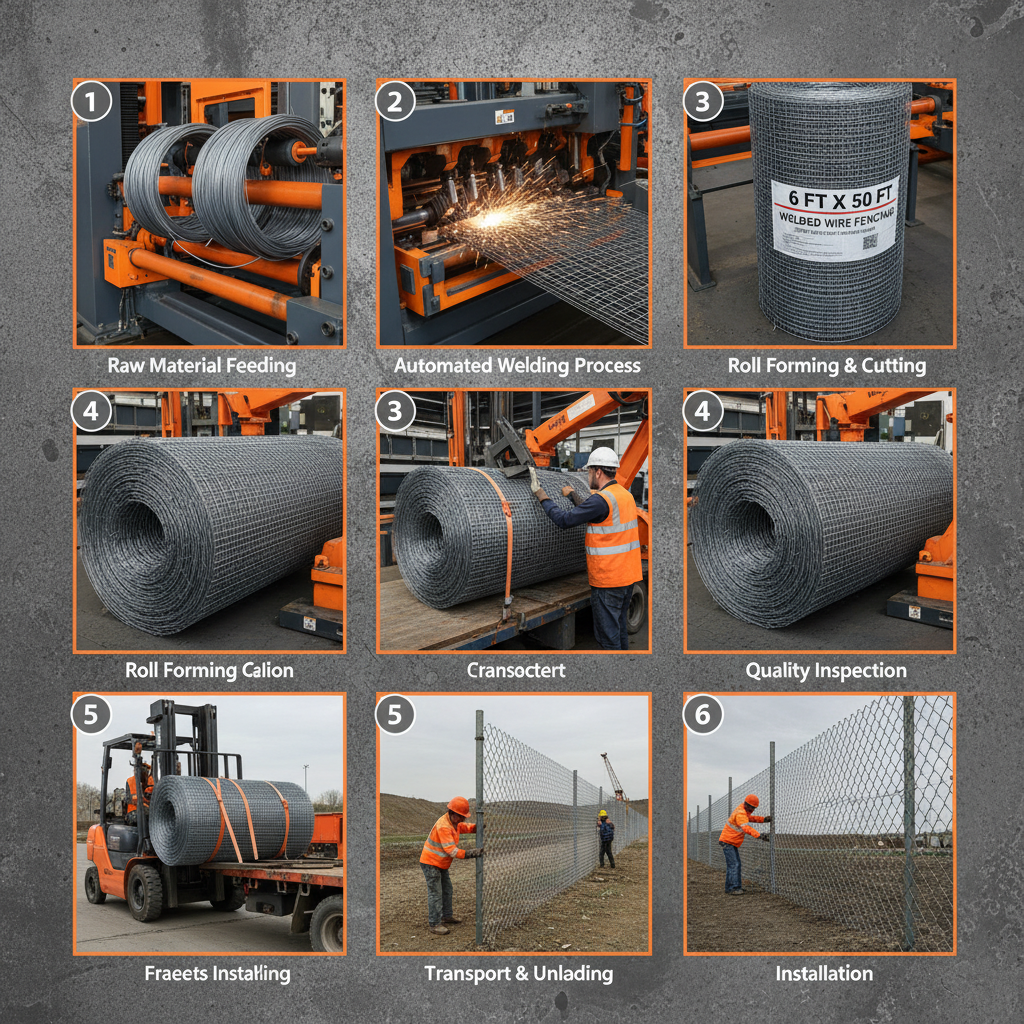 Durable 6 ft x 50 ft welded wire fencing for Security and GardensWhen it comes to securing a perimeter, whether for agricultural use, garden protection, or industrial boundaries, the dimensions and material of your fence matter. The 6 ft x 50 ft welded wire fencing offers an ideal balance of height and length, providing a robust barrier that is easy to install and maintain. Choosing a welded wire system ensures that the intersections are fused together, preventing the shifting and sagging often found in woven alternatives. In this guide, we will explore why this specific size is a preferred choice for property owners and how to maximize its effectiveness for your specific project.Read more >
Apr 09 2026
-
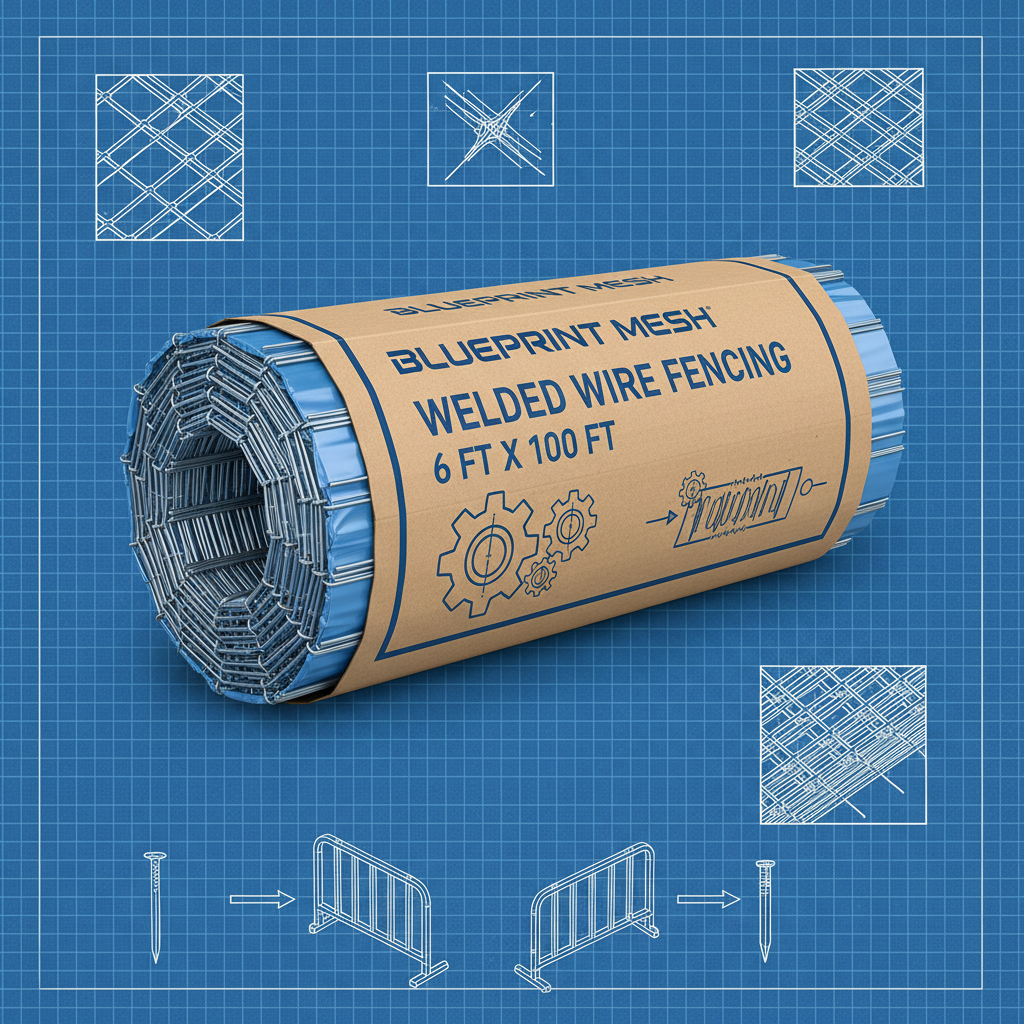 Comprehensive Guide to Choosing the Best 6 ft x 100 ft Welded Wire FencingWelded wire fencing is a versatile and cost-effective solution for a wide range of applications, from agricultural containment to residential security. Understanding the nuances of different types, especially when considering a size like 6 ft x 100 ft welded wire fencing, is crucial for making the right investment. This article will guide you through the essential factors to consider, helping you select the fencing that best suits your specific requirements.Read more >
Apr 07 2026
-
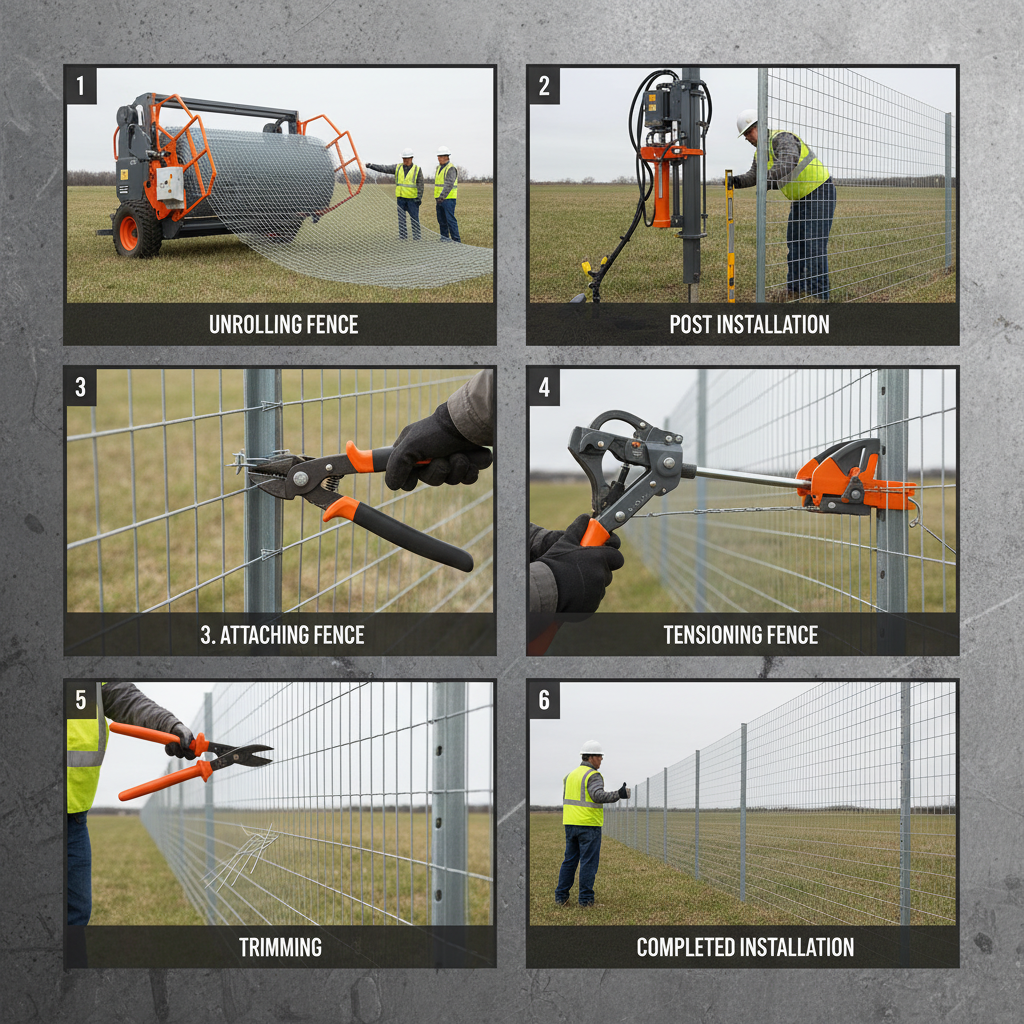 Comprehensive Guide to Choosing a 6 ft x 100 ft 12.5 Gauge Welded Wire FenceSelecting the appropriate fence for your property requires careful consideration. A 6 ft x 100 ft 12.5 gauge welded wire fence offers a robust and versatile solution for a variety of applications, from pet containment to garden protection and security. This guide will explore the benefits, applications, installation tips, and considerations when choosing this type of fencing. Understanding its construction and comparing it to other fencing options will help you make an informed decision.Read more >
Apr 04 2026
-
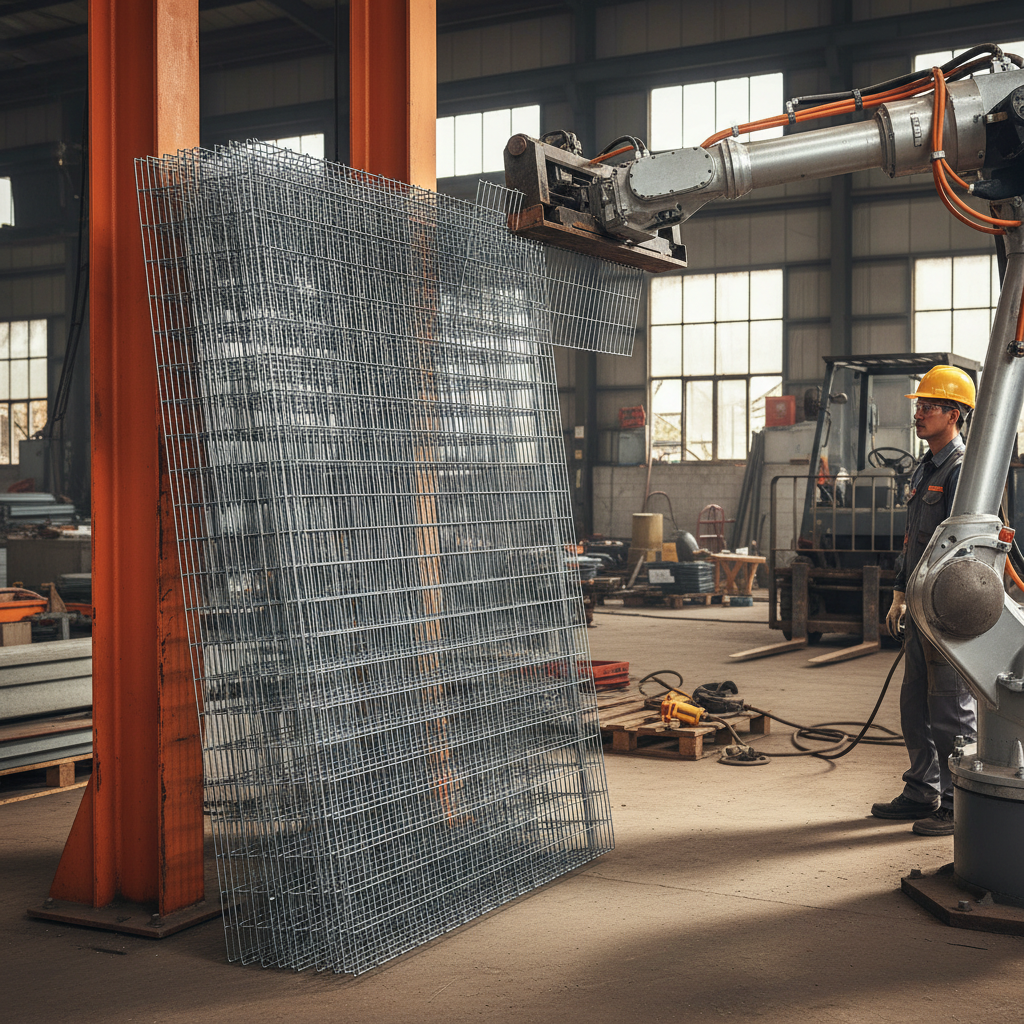 Comprehensive Guide to Durable 6 ft Welded Wire Fencing Panels and ApplicationsWhen selecting fencing for your property, 6 ft welded wire fencing panels offer a robust and versatile solution. These panels combine strength, security, and ease of installation, making them a popular choice for both residential and commercial applications. This article delves into the benefits, applications, installation, and maintenance of these panels, helping you make an informed decision.Read more >
Mar 31 2026