


Metal Mesh Cage - Durable, Cost-Effective Security Solutions for Industry and Relief
Understanding Metal Mesh Cage: More Than Just a Protective Barrier
When you hear the term metal mesh cage, you might immediately picture a simple wire enclosure. But in reality, these structures are integral to a range of industries and global applications. From protecting sensitive equipment to enabling humanitarian aid, metal mesh cages have become indispensable. Their significance stretches beyond just fences or cages; they embody durability, adaptability, and innovation.
Why does this matter globally? Because the world’s infrastructure needs lightweight, strong, and cost-effective protection solutions — and metal mesh cages often fit the bill perfectly. Plus, with increasing concerns about sustainability and rapid deployment in disaster zones, understanding these cages and their uses becomes even more important.
The Global Context: How Metal Mesh Cages Answer Growing Industry Demands
In recent years, global industrial and humanitarian sectors are witnessing a growing requirement for materials and structures that safeguard assets while adapting to challenging environments. The World Bank reports over 200 million people live in areas prone to natural disasters, and protecting equipment or supplies efficiently in such contexts is critical.
Metal mesh cages answer challenges related to security, durability, and rapid assembly. Industries from mining in South America to construction in Southeast Asia rely heavily on these cages. In humanitarian logistics, particularly post-disaster, these cages can form temporary storage units or protective barriers quickly and effectively.
Mini takeaway:
- Metal mesh cages play a crucial role in global infrastructure resilience.
- They address the need for fast, secure, and scalable protection in diverse scenarios.
What Exactly Is a Metal Mesh Cage?
Simply put, a metal mesh cage is a framework, usually formed by intersecting metal wires or bars welded or woven together to create a grid or lattice structure. Think of it as a cage built from a mesh of metal strands rather than solid panels.
These cages offer a combination of visibility, airflow, and strong protection, making them ideal for everything from industrial storage, animal enclosures, reinforcements, to secure cargo transport.
The connection to modern industry ties into the global push for modular, reusable, and environmentally sound materials. In humanitarian efforts, these cages offer dignity by protecting assets and sheltering supplies without the bulky footprint of other solutions.
Core Components & Key Factors of Metal Mesh Cages
1. Durability and Material Strength
Industries demand cages that last. Typically made from galvanized steel, stainless steel, or powder-coated metals, these cages resist corrosion and the wear from weather—especially crucial for outdoor or harsh industrial environments.
2. Scalability and Customization
Metal mesh cages can be designed in a range of shapes and sizes. Modular panels allow quick assembly and adaptation. For example, in a warehouse, these cages can be expanded or contracted depending on the storage needs. This flexibility saves money and simplifies logistics.
3. Cost Efficiency
Compared to solid metal sheets or concrete enclosures, mesh cages use less material, cutting costs while maintaining security. In addition, shipping and installation are more straightforward and cheaper.
4. Ventilation and Visibility
Unlike solid walls, metal mesh cages allow air and light flow, which is invaluable when protecting livestock, sensitive equipment needing cooling, or making inventory visible without dismantling the enclosure.
5. Ease of Maintenance
These cages are generally easy to clean and inspect. Damaged panels are often replaceable without dismantling the entire structure, making maintenance minimal.
Mini takeaway:
- Durable materials ensure long life even in harsh conditions.
- Modularity and airflow make metal mesh cages versatile.
Real-World Applications that Showcase Metal Mesh Cage Value
Across the globe, metal mesh cages serve varied roles:
- Post-disaster relief operations: Aid organizations use metal mesh cages for secure storage of medical supplies, food, and water in climate-challenged zones. Their portability makes them ideal during tents’ transition phases.
- Industrial sites: Mining and construction sites secure tools and hazardous materials inside robust cages, especially in South American and African regions where theft and rough environments are common.
- Urban infrastructure: From bicycle racks to secure parking enclosures, cities leverage these cages for functional, durable solutions.
- Agricultural use: Animal pens, bird enclosures, and storage units benefit from ventilated and secure cages, notably in Australia and parts of Europe.
Mini takeaway:
Metal mesh cages prove their worth wherever protection and flexibility matter — whether for emergency aid or everyday security.
Advantages and Enduring Benefits of Using Metal Mesh Cages
Two things stand out: reliability and dignity. Reliability because these cages rarely fail where it matters most — security during transit, shelter in open areas, or boundary fences in tough climates.
Dignity, oddly enough, matters too. For those relying on aid, or employees working in hazardous environments, knowing their workplaces or resources are protected fosters trust and peace of mind.
- Cost savings: Lower material use means lower upfront and maintenance costs.
- Sustainability: Many cages are recyclable and designed for reuse, cutting waste.
- Social impact: Provides secure storage, preventing loss and improving supply chain reliability.
- Innovation: New coatings and designs improve corrosion resistance and adaptability.
Product Specification Table
| Specification | Detail |
|---|---|
| Material | Galvanized steel wire, stainless steel, powder-coated steel |
| Mesh Size | Varies from 10mm to 50mm openings |
| Panel Dimensions | Standard: 2m x 1m; Custom sizes available |
| Load Capacity | Up to 200 kg per panel |
| Finish | Hot-dip galvanized, powder-coated, or painted options |
| Usage Environment | Outdoor & indoor, industrial, agricultural, humanitarian |
Comparing Leading Providers of Metal Mesh Cages
| Vendor | Customization Options | Lead Time | Price Range | Global Reach |
|---|---|---|---|---|
| SteelMesh Solutions | High – custom sizes, coatings | 3-4 weeks | $$$ | North America, Europe |
| Global Mesh Co. | Medium – standard sizes only | 1-2 weeks | $$ | Asia, Africa |
| EcoMesh Systems | High – eco materials, green tech finish | 4-6 weeks | $$$$ | Global |
| RapidCage Industries | Low – fixed configurations | 1 week | $ | Local |
Looking Ahead: Innovations and Trends in Metal Mesh Cage Design
The future feels promising. Advances in digital fabrication like 3D metal printing open doors for ultra-custom metal mesh cages that are even stronger but lighter. There's an evident push toward green energy-friendly coatings—sometimes embedded with photocatalytic compounds to keep surfaces clean and reduce corrosion naturally.
Automation in manufacturing is enabling mass customization, so rather than one-size-fits-all cages, tailored units for specific industries are becoming common, cutting waste and increasing efficiency.
Beyond material innovation, regulatory moves toward sustainability and safety standards (ISO 9001 for quality, ISO 14001 for environmental management) ensure these cages meet more rigorous performance and environmental metrics moving forward.
Challenges With Metal Mesh Cages—and How Industry Experts Are Overcoming Them
Of course, no product is perfect. Metal mesh cages can be vulnerable to tampering where security is paramount—cutting wires is a common weakness. Also, while corrosion-resistant coatings help, in particularly salty or pollutant-heavy environments, degradation accelerates.
Experts recommend combining mesh cages with alarm systems or surveillance for high-risk areas, plus routine inspections and use of advanced coatings to toughen longevity. Ongoing research into composite mesh materials combining polymers with metal strands may soon resolve these issues.
FAQ: Common Questions About Metal Mesh Cages
Q1: How portable are metal mesh cages for emergency deployments?
Metal mesh cages are often modular and lightweight. Panels can be quickly assembled/disassembled using bolts or clamps, making them ideal for temporary setups such as disaster relief warehouses or field storage. Their portability typically beats solid wall alternatives.
Q2: Can metal mesh cages be customized to size and shape?
Absolutely. Manufacturers usually provide standard sizes but also offer custom designs for specific dimensions, load requirements, and access points, ensuring the cage meets the exact needs of the project.
Q3: Are metal mesh cages environmentally friendly?
Many metal mesh cages use recyclable metals and coatings designed for longevity, reducing waste. Some newer models incorporate eco-friendly materials or finishes, aligning with sustainability goals.
Q4: What maintenance do metal mesh cages require?
Regular inspection for corrosion, structural damage, and loose fittings is advised. Cleaning to remove dirt or chemical residues helps prolong life. Repair is often straightforward since damaged panels can be replaced individually.
Q5: Can these cages be used in high-security contexts?
While metal mesh cages provide a solid physical barrier, for high-security needs they are often supplemented with sensors, alarms, or reinforced mesh to deter cutting and trespassing.
Wrapping It Up: Why Metal Mesh Cages Matter Long Term
In a world where resilience counts, metal mesh cages offer more than just protection; they deliver adaptable, efficient, and sustainable solutions across industries. For companies, NGOs, or governments, investing in these cages means safeguarding resources, supporting communities, and embracing modern design principles.
If you’re considering metal mesh solutions, I highly recommend looking into modular, customizable options to fit your unique needs. Interested? Take a look at metal mesh cage suppliers who can help you get started.
References
Latest News About CHENG CHUANG
-
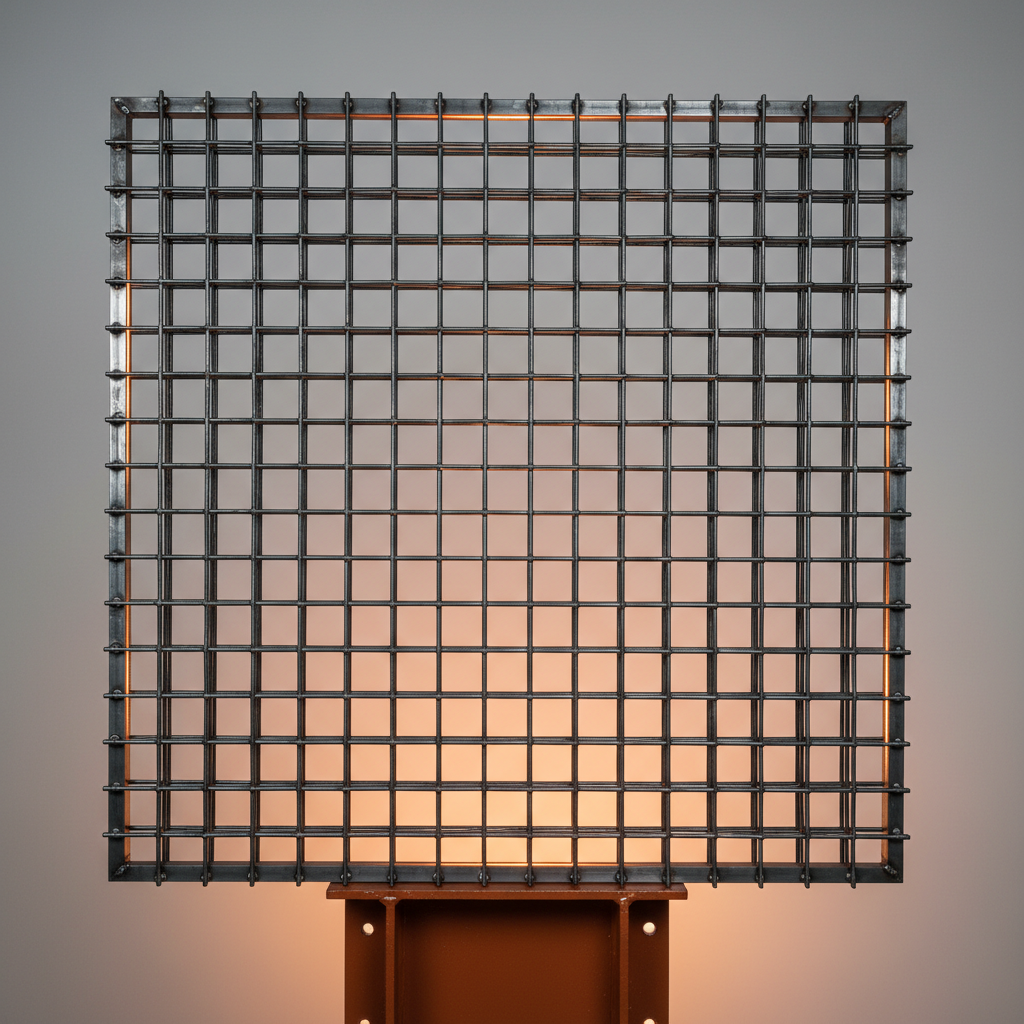 Heavy Duty 6 gauge welded wire mesh for Security and StrengthWhen it comes to heavy-duty containment, security, and structural reinforcement, choosing the right material is critical. The 6 gauge welded wire mesh stands as a premier choice for those requiring a balance of extreme rigidity and precise spacing. Whether you are securing a commercial perimeter, building industrial livestock panels, or creating reinforced concrete structures, this specific thickness provides the structural integrity needed to withstand significant pressure and impact. In this comprehensive guide, we will explore the technical specifications, primary applications, and why this mesh is the gold standard for high-security fencing solutions.Read more >
Apr 16 2026
-
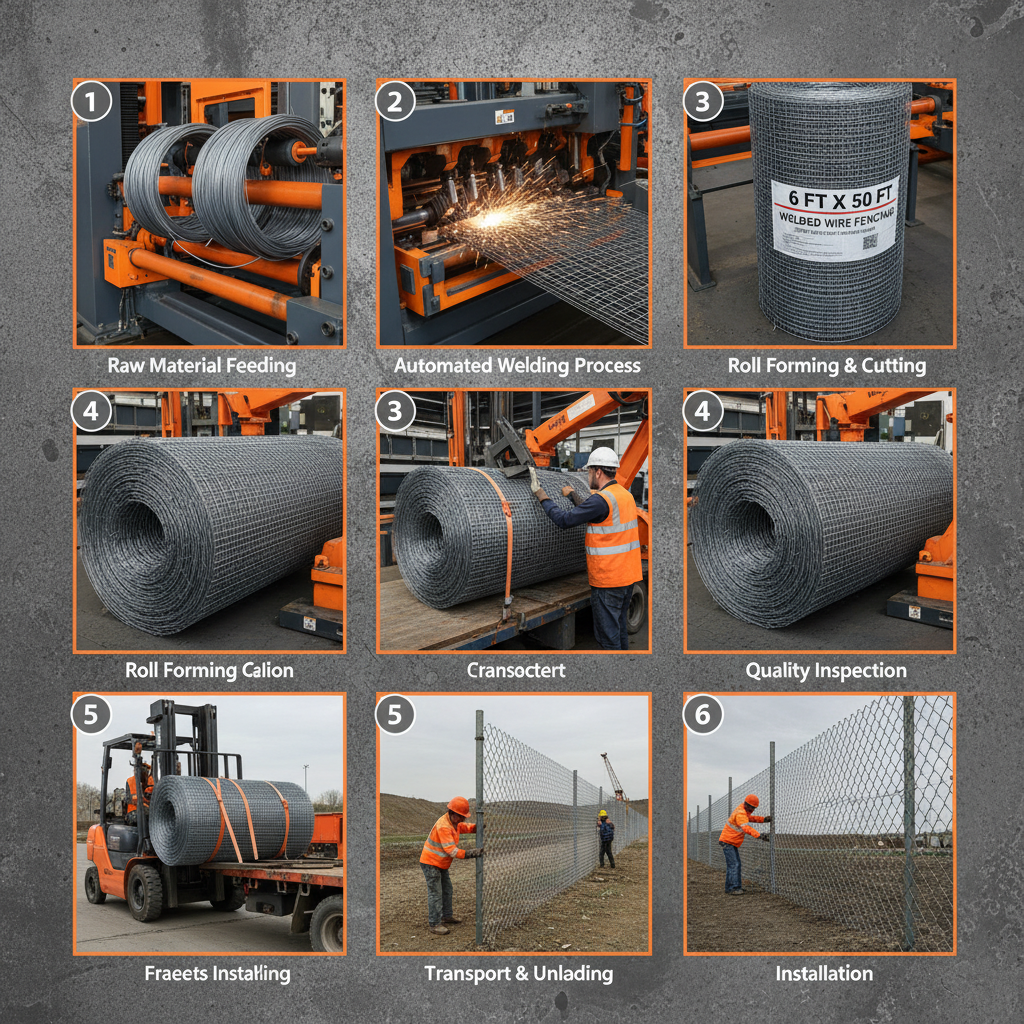 Durable 6 ft x 50 ft welded wire fencing for Security and GardensWhen it comes to securing a perimeter, whether for agricultural use, garden protection, or industrial boundaries, the dimensions and material of your fence matter. The 6 ft x 50 ft welded wire fencing offers an ideal balance of height and length, providing a robust barrier that is easy to install and maintain. Choosing a welded wire system ensures that the intersections are fused together, preventing the shifting and sagging often found in woven alternatives. In this guide, we will explore why this specific size is a preferred choice for property owners and how to maximize its effectiveness for your specific project.Read more >
Apr 09 2026
-
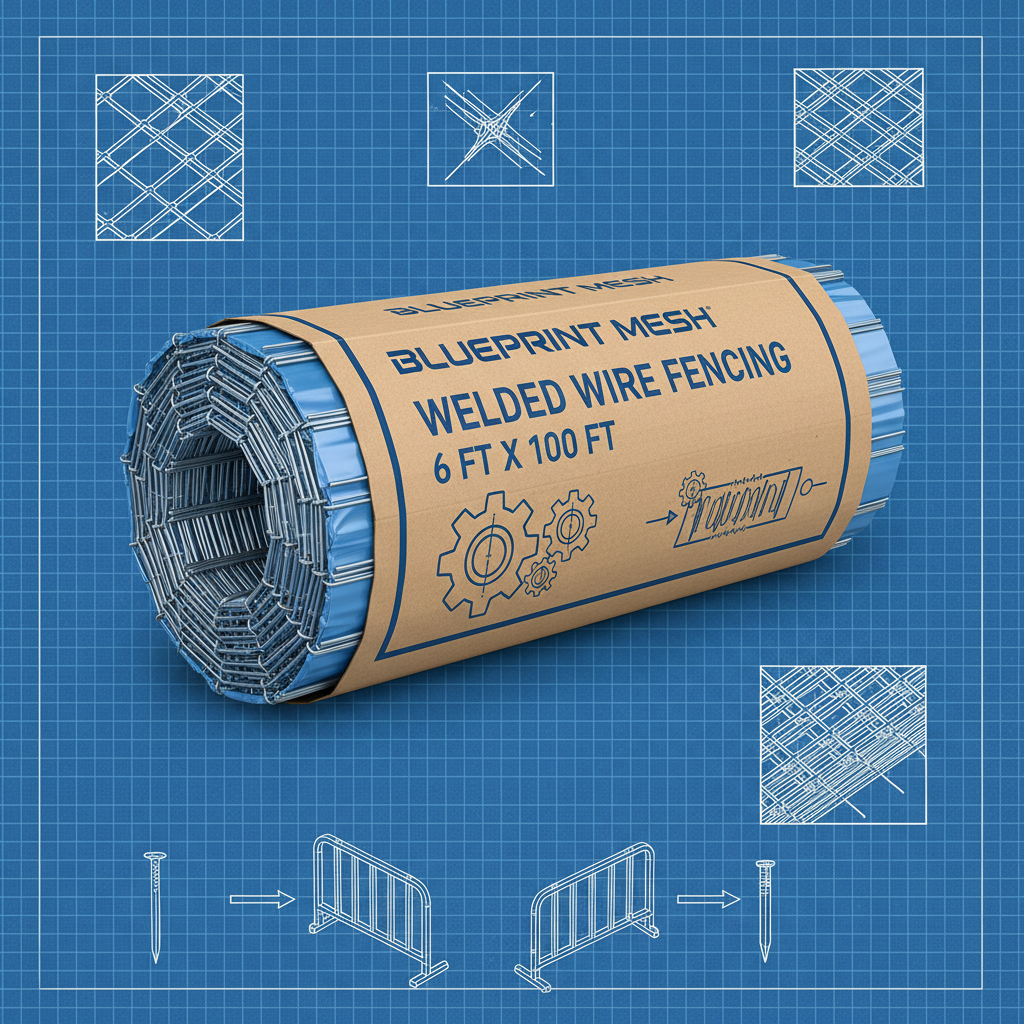 Comprehensive Guide to Choosing the Best 6 ft x 100 ft Welded Wire FencingWelded wire fencing is a versatile and cost-effective solution for a wide range of applications, from agricultural containment to residential security. Understanding the nuances of different types, especially when considering a size like 6 ft x 100 ft welded wire fencing, is crucial for making the right investment. This article will guide you through the essential factors to consider, helping you select the fencing that best suits your specific requirements.Read more >
Apr 07 2026
-
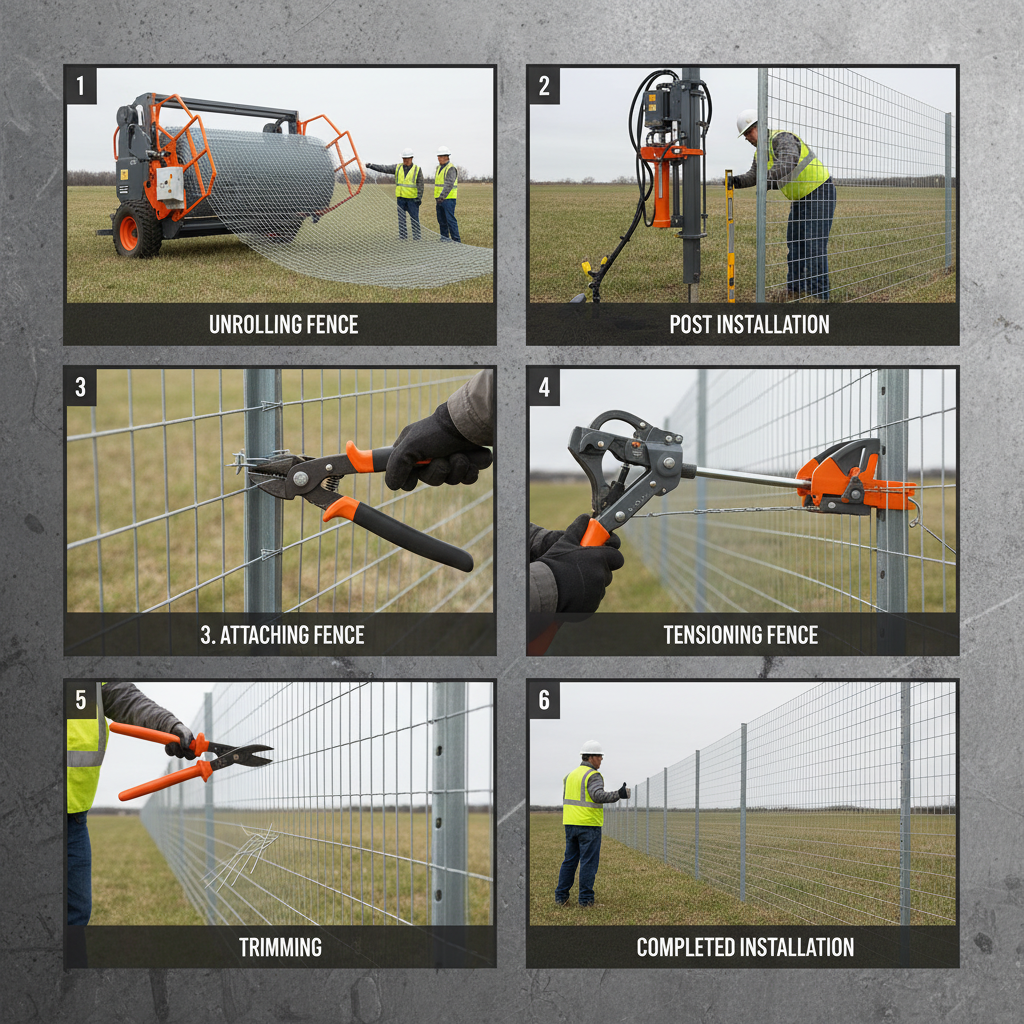 Comprehensive Guide to Choosing a 6 ft x 100 ft 12.5 Gauge Welded Wire FenceSelecting the appropriate fence for your property requires careful consideration. A 6 ft x 100 ft 12.5 gauge welded wire fence offers a robust and versatile solution for a variety of applications, from pet containment to garden protection and security. This guide will explore the benefits, applications, installation tips, and considerations when choosing this type of fencing. Understanding its construction and comparing it to other fencing options will help you make an informed decision.Read more >
Apr 04 2026
-
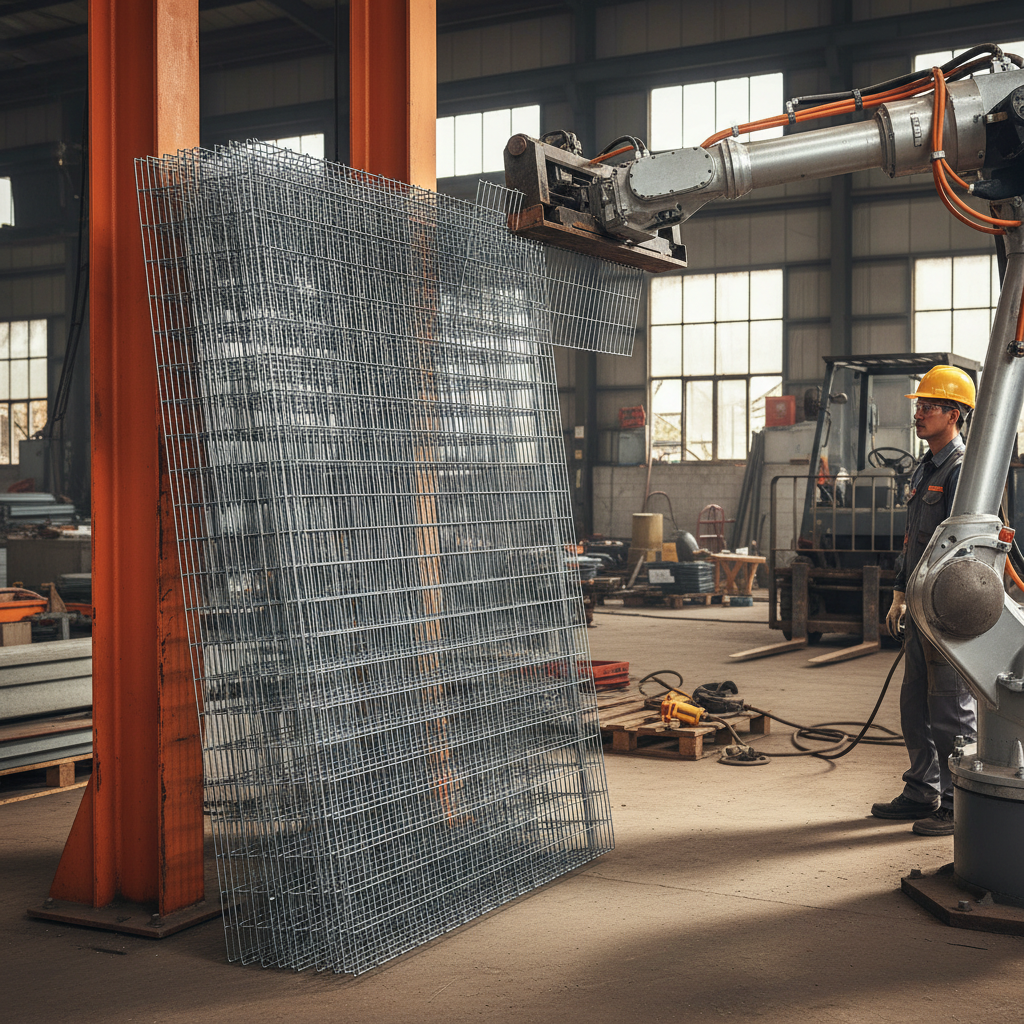 Comprehensive Guide to Durable 6 ft Welded Wire Fencing Panels and ApplicationsWhen selecting fencing for your property, 6 ft welded wire fencing panels offer a robust and versatile solution. These panels combine strength, security, and ease of installation, making them a popular choice for both residential and commercial applications. This article delves into the benefits, applications, installation, and maintenance of these panels, helping you make an informed decision.Read more >
Mar 31 2026