


Iron Mesh Screen: Durable Solutions for Modern Industrial Needs
Understanding the Iron Mesh Screen and Its Global Importance
Iron mesh screens might not be the flashiest topic out there, but their role in modern industry and infrastructure is surprisingly important — and often underappreciated. Globally, these metallic frameworks are woven through countless applications, from construction sites to security solutions and beyond. Getting familiar with the iron mesh screen means unlocking insights into reliable, cost-effective protection and filtration — essential to everything from urban development to humanitarian aid.
Whether you’re in manufacturing or logistics, understanding their benefits can help streamline projects, improve safety, and even boost sustainability efforts in a world increasingly focused on resource efficiency.
Mini takeaway: Iron mesh screens aren’t just hardware components; they’re a backbone for many industries worldwide, blending durability with versatility.
The Global Context: Why Iron Mesh Screens Matter Today
Across continents, iron mesh screens offer solutions to some rather pressing challenges. According to the ISO, standards on metal products have evolved dramatically, reflecting the increased demand for robust, versatile iron-based materials. For example, UN reports highlight how infrastructure resilience in developing regions depends heavily on practical building materials — iron mesh screens often feature prominently.
With urban areas growing quickly (world urban population expected to hit 68% by 2050, per the UN-Habitat), there’s an urgent need for flexible, affordable, and sturdy solutions. And frankly, when you look at it, the iron mesh screen ticks many boxes — it enables enhanced security, reliable filtration, and structural reinforcement all at once.
Mini takeaway: Iron mesh screens are a response to global growth, security needs, and evolving industrial standards — making them indispensable in both developed and emerging markets.
What Exactly Is an Iron Mesh Screen?
Let’s keep it simple: an iron mesh screen is essentially a grid or lattice made from iron wires or strips woven or welded together. It can be fine or coarse depending on its role — some are like nets filtering dust or debris; others act as barriers or reinforcement layers. The key is that it’s iron — a metal that offers strength, durability, and the ability to withstand harsh conditions.
In practical terms, you see these screens in construction fencing, security gates, industrial sieves, and even in environmental applications like water filtration. Their flexibility and strength mean they fit neatly into frameworks ranging from heavy industry to humanitarian projects — say, temporary shelters where both ventilation and protection are crucial.
Mini takeaway: Iron mesh screens are versatile metal frameworks used broadly for screening, security, and structural reinforcement.
Core Components Behind an Efficient Iron Mesh Screen
Durability and Corrosion Resistance
Iron’s inherent durability is an asset, but surfaces prone to rust can be a nightmare — here, treatments like galvanization come into play. Many engineers swear by hot-dipped galvanized iron mesh for outdoor or marine settings, thanks to its resistance against degradation. Without that protection, longevity takes a hit, especially in rough weather.
Mesh Size and Design
The size of the openings in the mesh affects everything — airflow, filtration, security. Fine mesh controls the tiniest particles, while wider gaps lend better visibility and ventilation. Often, the mesh size is customized for specific projects; it’s not one-size-fits-all.
Weight and Thickness
Thickness shifts the whole game. Thicker iron wire means stronger mesh but possibly heavier and less flexible. In some projects, you want lightweight but still strong — think temporary fencing or mobile barriers.
Cost Efficiency
Iron meshes are typically a cost-friendly choice compared to stainless steel or aluminum alternatives, but costs vary with coating, wire thickness, and mesh density. This balance between budget and performance is always a keen consideration.
Customizability and Scalability
Due to modular manufacture processes, iron mesh screens can be scaled for huge projects or customized into small panels. This adaptability makes them popular for everything from the smallest filtration tasks to expansive industrial applications.
| Specification | Typical Range | Notes |
|---|---|---|
| Wire Diameter | 0.5mm to 5mm | Depends on application |
| Mesh Opening Size | 1mm to 50mm | Fine to coarse |
| Material | Mild Iron, galvanized iron | Varies by durability need |
| Coating Options | Galvanized, Powder-coated | For protection & aesthetics |
| Panel Size | Customizable | Up to several meters |
Mini takeaway: Iron mesh screens’ specs — wire thickness, mesh size, coatings — all work together to solve specific industry needs.
Where Are Iron Mesh Screens Used Worldwide?
Their uses are almost endless. In industrial sectors across Asia and Europe, iron mesh screens are key in ventilation and safety barriers. Remote mining operations in Africa rely on them to secure dangerous machinery while still allowing airflow. Meanwhile, NGOs operating in disaster zones use lightweight mesh fencing panels to quickly set up safe zones for displaced communities.
In urban environments, iron mesh is integrated into building facades for sun shading and modern architectural aesthetics — marrying function and form. Also, agricultural sectors in South America use iron mesh as protective covers against pests without harming the crops or environment.
Mini takeaway: The iron mesh screen’s global footprint ranges from harsh mine sites to stylish city buildings — practical, protective, and adaptable.
Why Choose Iron Mesh Screens? Long-Term Benefits Explored
- Cost-effectiveness: Lower upfront investment compared to stainless steel while still providing essential durability.
- Environmental impact: Many iron meshes are recyclable and long-lasting, reducing waste over time.
- Safety & security: Strong physical barriers that can withstand tampering and wear.
- Innovation-friendly: Opens pathways for new industrial designs, including automation-ready or digital-integrated applications.
- Emotional reliability: Knowing your facility or site is well-protected gives peace of mind — a non-quantifiable but real benefit.
Mini takeaway: Choosing iron mesh screens often means a balanced win — smart investment, sustainable practice, and proven durability.
Emerging Trends and Innovations Around Iron Mesh Screens
Oddly enough, technology and tradition meet here. We’re seeing iron mesh screens with nano-coatings that repel corrosion or self-clean, which reduces maintenance fuss. In Europe, some manufacturers embed sensors into mesh panels to track structural health — a neat intersection of metalwork and IoT.
Also, environmental policies push towards greener production methods and material iron sourced with lower carbon footprints. Digitally controlled CAD/CAM fabrication is making custom mesh paneling faster and more precise, meeting both industrial demands and aesthetic touches.
Mini takeaway: The future involves smarter, more sustainable iron mesh screens combining digital tools and innovative material science.
Challenges Facing Iron Mesh Screens and How to Solve Them
Corrosion remains the biggest headache — an age-old enemy for iron. While galvanization helps, it’s not always perfect for extremely harsh environments. Some firms now pair iron mesh with other metals or apply advanced coatings to extend life.
Flexibility versus strength is another tricky balance. Thicker mesh offers protection but at the cost of weight and transport difficulty. Innovations in wire weaving and alloys might give us lighter but equally strong options.
Mini takeaway: Tackling corrosion and balancing specs continue to push industry research and product refinements.
FAQ: Frequently Asked Questions About Iron Mesh Screen
- What makes iron mesh screens better than plastic or nylon meshes?
- Iron mesh offers superior strength, durability, and fire resistance compared to plastics. It can withstand harsher environments and is recyclable, making it a more sustainable industrial option.
- How long can a typical iron mesh screen last outdoors?
- With proper galvanized or powder-coated protection, iron mesh screens can last 10–20 years outdoors, depending on climate conditions and maintenance.
- Are iron mesh screens customizable for unique projects?
- Absolutely. Wire diameters, mesh openings, and panel sizes are often tailored to industry-specific needs. Manufacturers frequently offer bespoke solutions.
- Can iron mesh screens improve security around commercial properties?
- Yes. Their sturdy build and tamper-resistance make iron mesh screens excellent for perimeter fencing and protecting sensitive locations.
- How do I source reliable iron mesh screens internationally?
- Look for suppliers with recognized certifications (e.g., ISO), positive customer reviews, and clear product specs. Visiting comprehensive product sites like chchfence.com is a good first step.
Wrapping Up: The Long-Term Value of Iron Mesh Screens
In real terms, iron mesh screens bring together strength, adaptability, and cost-effectiveness in a package that supports global infrastructure, security, and environmental goals. As more industries pivot toward sustainability and smarter production, these humble metal grids evolve but remain foundational.
Looking for trusted iron mesh screen options? Feel free to visit our website and explore a wide range of products, customizations, and expert guidance tailored to your needs.
Thanks for reading – it’s kind of remarkable how such simple technology can weave into the fabric of so many sectors, isn’t it?
Vendor Comparison Table: Iron Mesh Screen Providers
| Vendor | Product Range | Customization | Certifications | Price Level |
|---|---|---|---|---|
| CHCH Fence | Wide (Industrial & Security) | High | ISO 9001, CE | Competitive |
| Global Mesh Solutions | Moderate | Medium | ISO 14001 | Mid-range |
| SteelNet Corp | Narrow (Construction Only) | Low | None reported | Budget |
References & Further Reading
Latest News About CHENG CHUANG
-
 Heavy Duty 6 gauge welded wire mesh for Security and StrengthWhen it comes to heavy-duty containment, security, and structural reinforcement, choosing the right material is critical. The 6 gauge welded wire mesh stands as a premier choice for those requiring a balance of extreme rigidity and precise spacing. Whether you are securing a commercial perimeter, building industrial livestock panels, or creating reinforced concrete structures, this specific thickness provides the structural integrity needed to withstand significant pressure and impact. In this comprehensive guide, we will explore the technical specifications, primary applications, and why this mesh is the gold standard for high-security fencing solutions.Read more >
Apr 16 2026
-
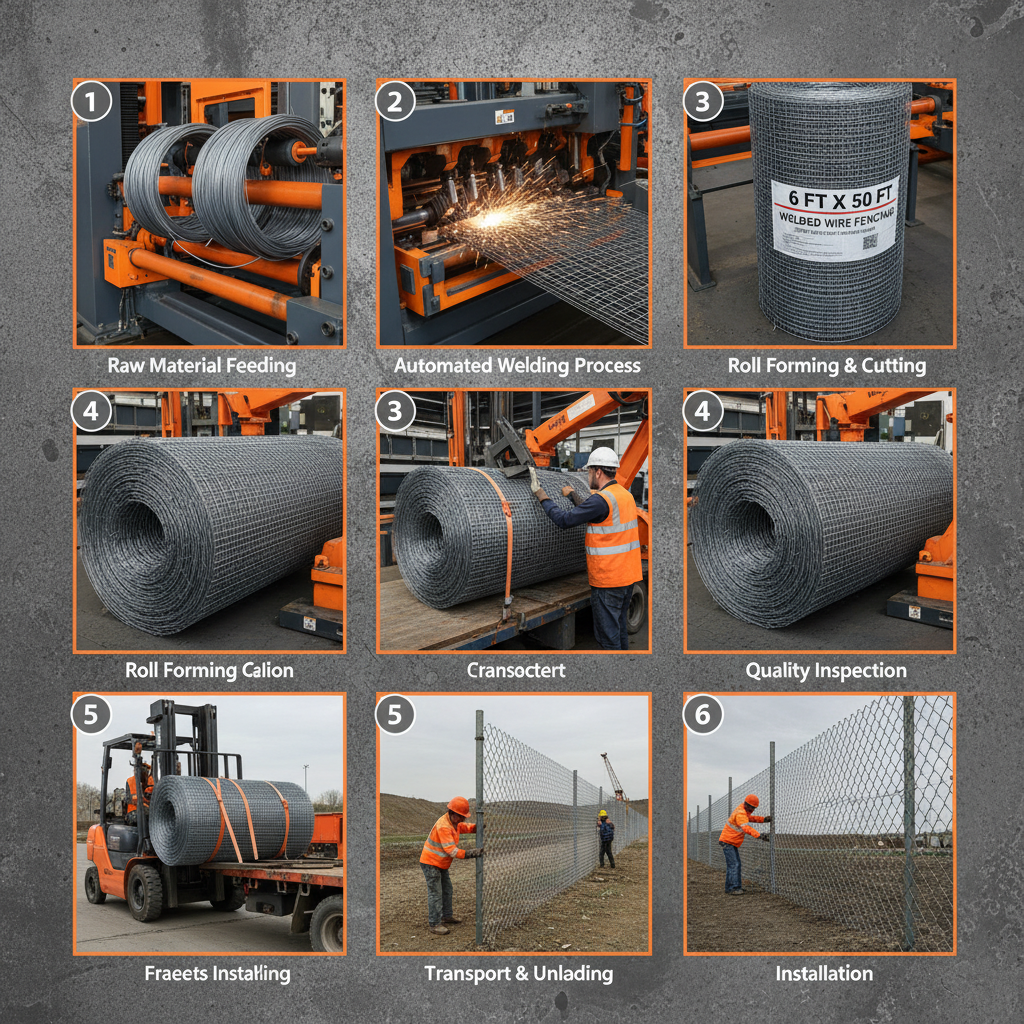 Durable 6 ft x 50 ft welded wire fencing for Security and GardensWhen it comes to securing a perimeter, whether for agricultural use, garden protection, or industrial boundaries, the dimensions and material of your fence matter. The 6 ft x 50 ft welded wire fencing offers an ideal balance of height and length, providing a robust barrier that is easy to install and maintain. Choosing a welded wire system ensures that the intersections are fused together, preventing the shifting and sagging often found in woven alternatives. In this guide, we will explore why this specific size is a preferred choice for property owners and how to maximize its effectiveness for your specific project.Read more >
Apr 09 2026
-
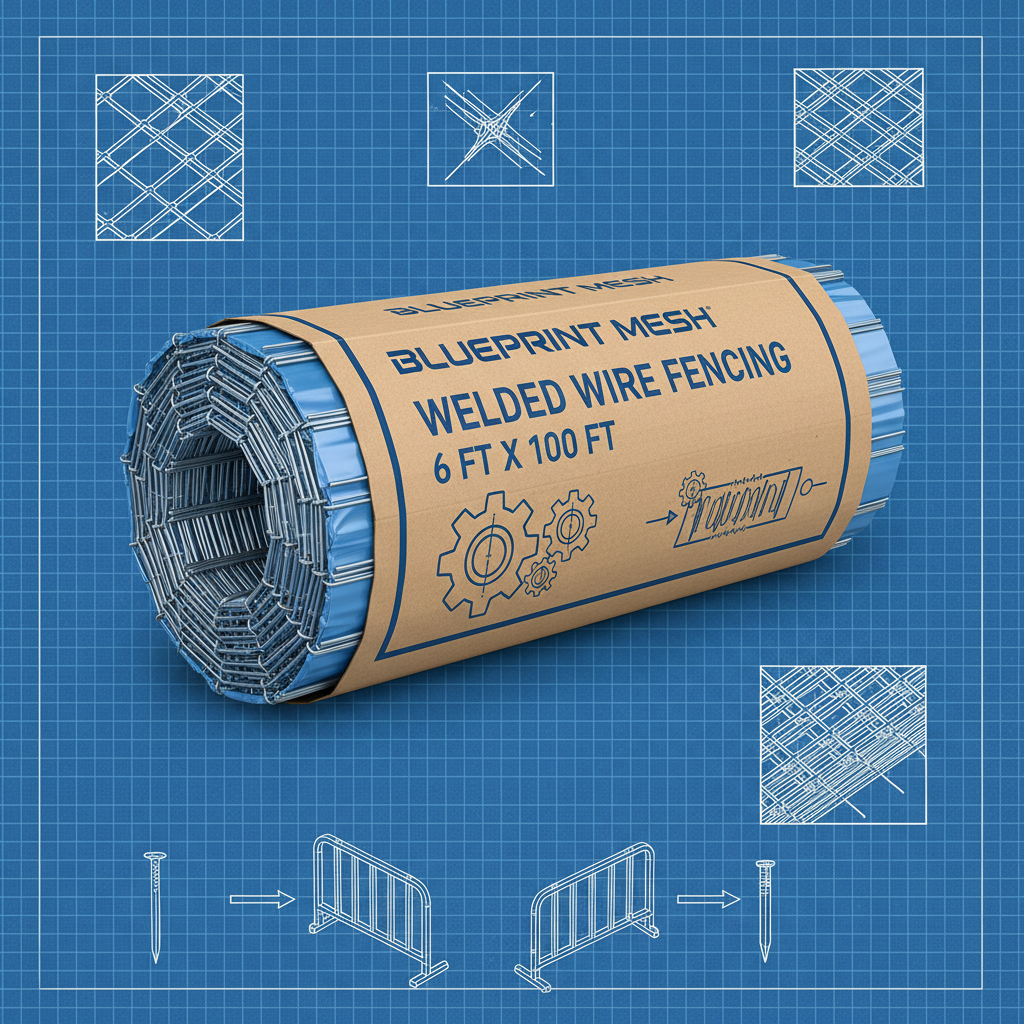 Comprehensive Guide to Choosing the Best 6 ft x 100 ft Welded Wire FencingWelded wire fencing is a versatile and cost-effective solution for a wide range of applications, from agricultural containment to residential security. Understanding the nuances of different types, especially when considering a size like 6 ft x 100 ft welded wire fencing, is crucial for making the right investment. This article will guide you through the essential factors to consider, helping you select the fencing that best suits your specific requirements.Read more >
Apr 07 2026
-
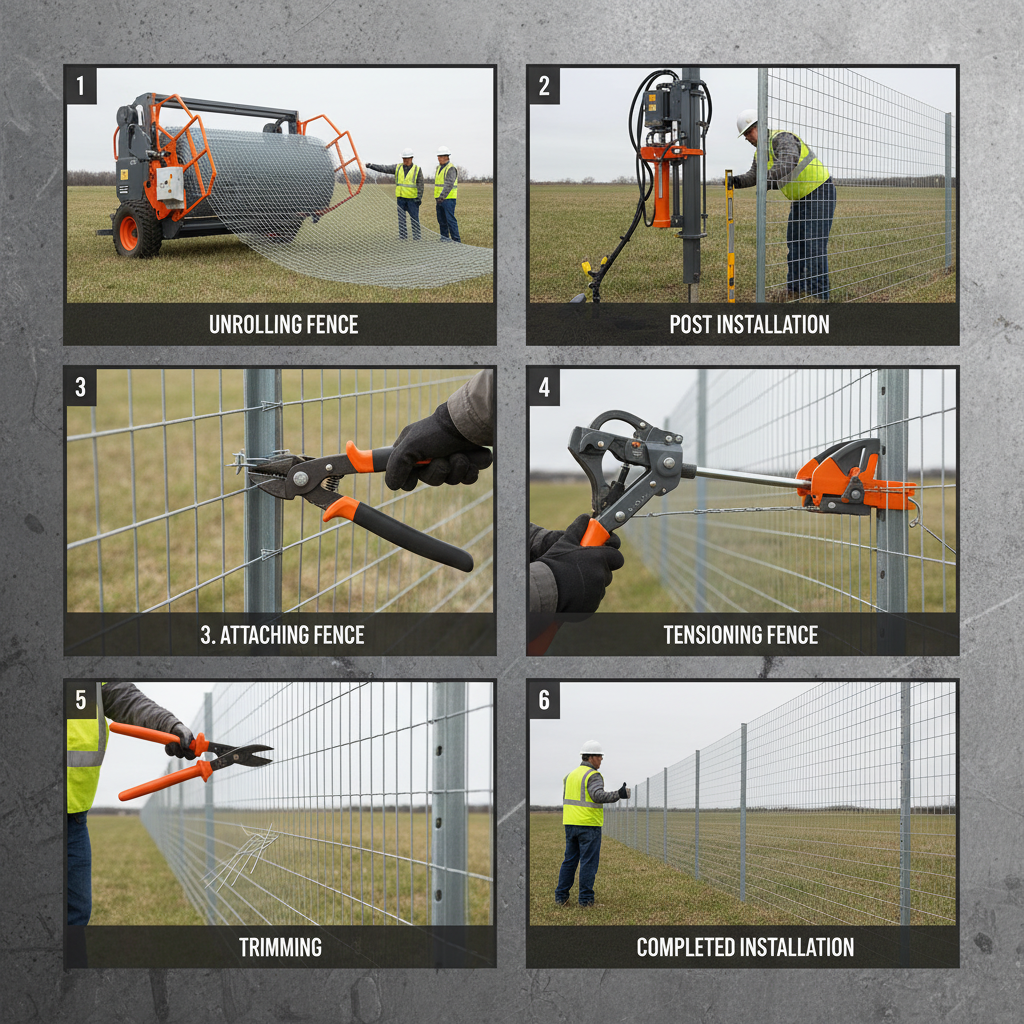 Comprehensive Guide to Choosing a 6 ft x 100 ft 12.5 Gauge Welded Wire FenceSelecting the appropriate fence for your property requires careful consideration. A 6 ft x 100 ft 12.5 gauge welded wire fence offers a robust and versatile solution for a variety of applications, from pet containment to garden protection and security. This guide will explore the benefits, applications, installation tips, and considerations when choosing this type of fencing. Understanding its construction and comparing it to other fencing options will help you make an informed decision.Read more >
Apr 04 2026
-
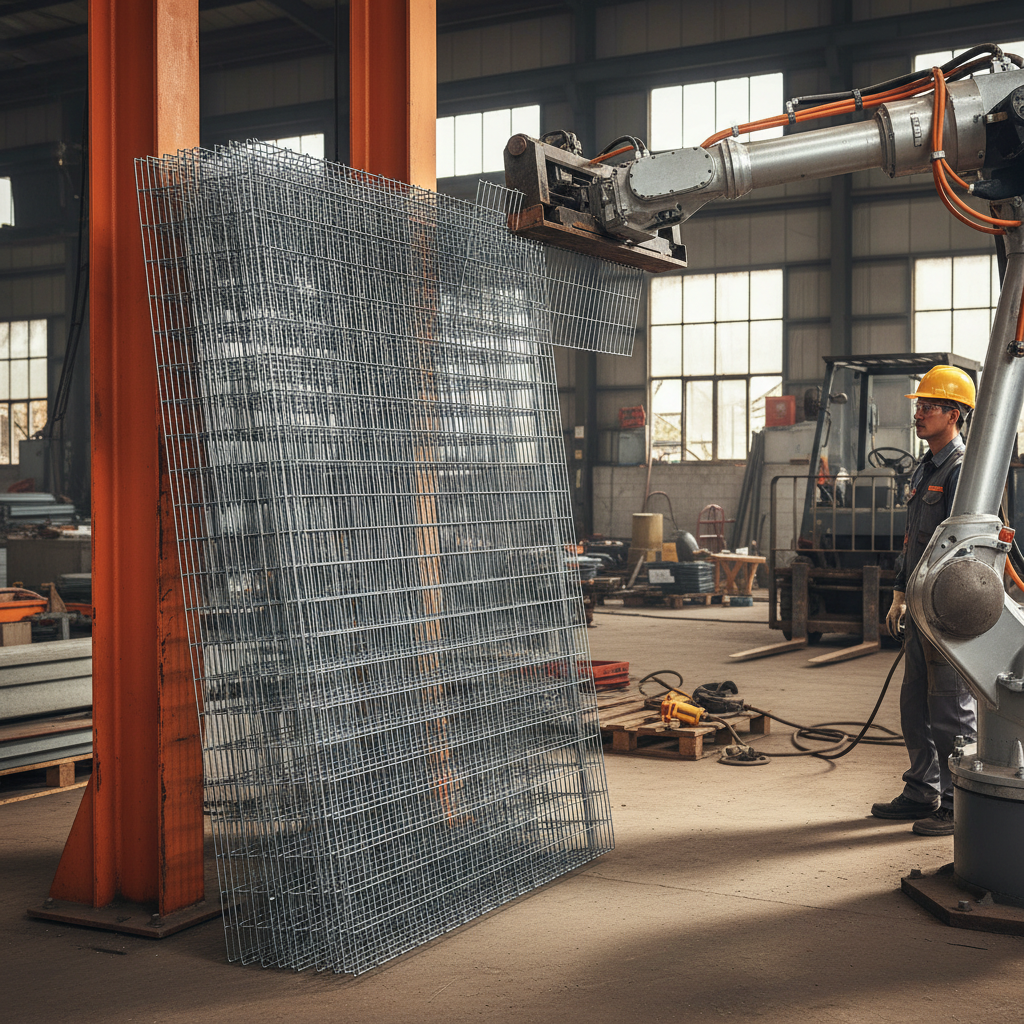 Comprehensive Guide to Durable 6 ft Welded Wire Fencing Panels and ApplicationsWhen selecting fencing for your property, 6 ft welded wire fencing panels offer a robust and versatile solution. These panels combine strength, security, and ease of installation, making them a popular choice for both residential and commercial applications. This article delves into the benefits, applications, installation, and maintenance of these panels, helping you make an informed decision.Read more >
Mar 31 2026