Procuring industrial fencing materials often involves a complex trade-off between structural integrity and budget allocation. For many project managers, understanding the 50x50 weld mesh price is not merely about the cost per square meter, but about analyzing how mesh aperture and wire gauge influence long-term durability in high-stress environments.
The volatility of raw steel prices, combined with varying coating requirements—such as hot-dip galvanization or powder coating—creates a fluctuating market. This makes it challenging for procurement officers to forecast costs for large-scale infrastructure projects, where a small variance in the unit price of weld mesh can lead to significant budget overruns.
This technical analysis examines the variables driving the costs of 50x50 weld mesh, evaluates the engineering implications of material selection, and provides a framework for optimizing procurement. For those seeking integrated security solutions, exploring high-specification 50x50 weld mesh price options can reveal the balance between initial investment and lifecycle value.


Weld mesh is engineered by arranging longitudinal and transverse wires at precise intervals and fusing them using electrical resistance welding. In a 50x50 configuration, the intersections are bonded to create a rigid grid that maintains its geometry under mechanical load.
The stability of this structure depends heavily on the weld penetration and the consistency of the wire diameter. Any deviation in the welding process can lead to structural failure, which is why industrial-grade mesh requires rigorous inspection and ISO-certified quality management systems.
The primary component of the 50x50 weld mesh price is the raw material weight. Since steel is priced by the tonne, the total linear footage of wire used in a 50mm x 50mm grid directly dictates the base cost. Heavier wire gauges increase the structural load capacity but simultaneously raise the material cost.
Beyond raw steel, surface treatment represents a significant cost variable. Electracoat rust inhibitors and powder coatings are essential for preventing oxidation, especially in coastal or industrial environments. The process of dipping components after final assembly ensures that even the weld points—often the most vulnerable areas—are fully protected.
Manufacturing overheads, including the precision of automated cutting and welding equipment, also play a role. Companies that integrate production, sales, and installation can often optimize these costs, providing a more competitive price point for comprehensive fencing systems.
A 50mm x 50mm aperture is widely regarded as a versatile industry standard, balancing openness with security. From an engineering perspective, the aperture size determines the "climbability" and "penetrability" of the fence, which are critical metrics for security assessments.
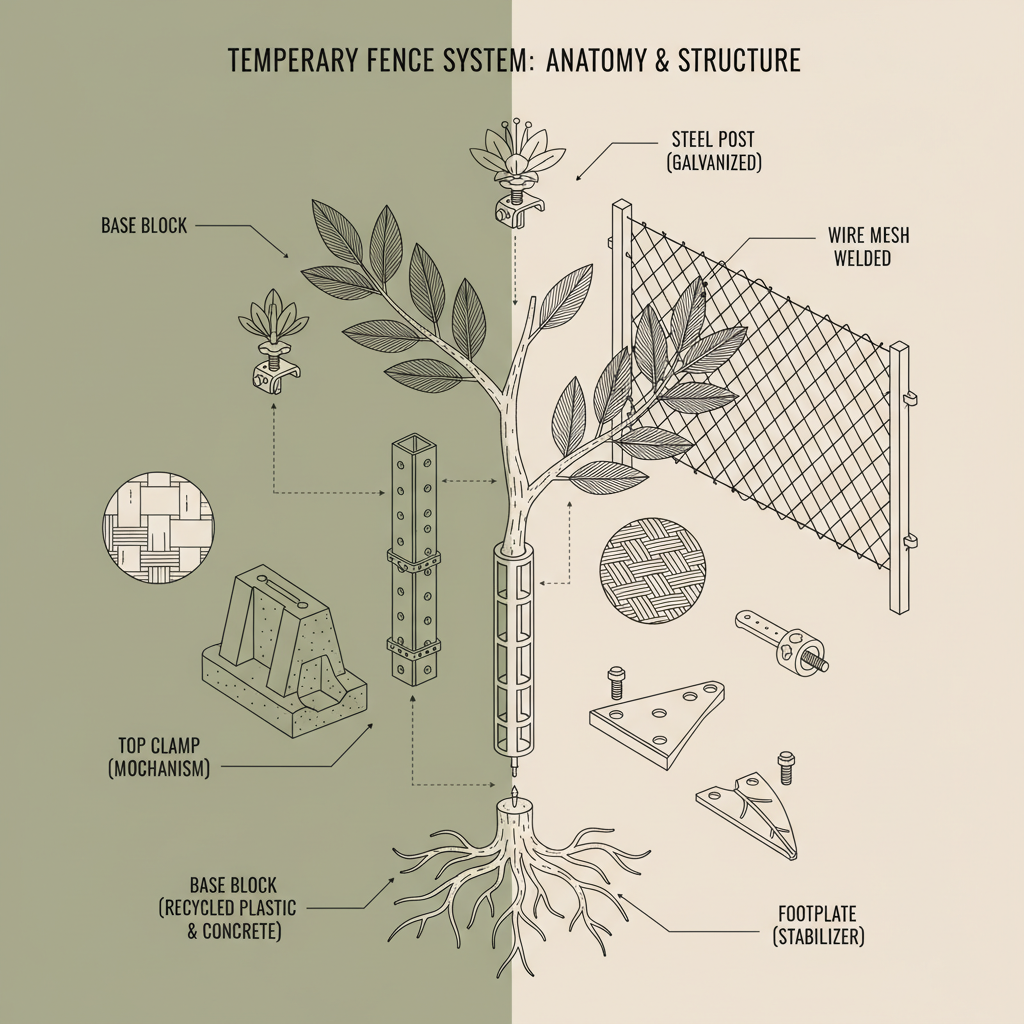
Furthermore, the interaction between the mesh and the supporting posts (e.g., 50x50mm or 60x60mm aluminum posts) defines the overall system stability. Engineering a fence requires calculating the wind load and the impact force the mesh can withstand before the weld points are compromised.
When evaluating the 50x50 weld mesh price, buyers must compare the performance of galvanized steel versus aluminum alloys. While steel offers superior tensile strength, aluminum provides an inherent resistance to corrosion that reduces long-term maintenance costs.
The choice of material affects the total cost of ownership (TCO). A cheaper, low-gauge steel mesh may have a lower initial price but could require replacement every five years due to rust, whereas a powder-coated aluminum system can last decades.
In typical deployment scenarios, 50x50 weld mesh is utilized for perimeter security in municipal administration projects, airport boundaries, and prison facilities. In these environments, the mesh must integrate seamlessly with heavy-duty posts and mounting hardware to resist forced entry attempts.
For commercial properties, the focus shifts toward aesthetic integration without sacrificing security. The use of black powder-coated finishes allows the fencing to blend into the landscape while maintaining the structural rigor required for commercial zoning laws.
The industry is seeing a shift toward "Smart Fencing," where weld mesh structures are integrated with fiber-optic sensors to detect intrusions. This evolution requires the mesh to have high electrical continuity and precise welding to ensure sensor accuracy across long distances.
Furthermore, the move toward sustainable manufacturing is influencing how we view the 50x50 weld mesh price. The use of recycled aluminum and low-emission powder coating processes is becoming a prerequisite for government tenders in Europe and North America.
We anticipate that additive manufacturing may eventually allow for variable-density mesh, where the aperture size changes based on the vulnerability of the specific fence section, optimizing both material use and security.
Selecting the right weld mesh configuration requires a systematic approach. Procurement officers should not simply look for the lowest 50x50 weld mesh price but should evaluate the "Performance-to-Cost" ratio based on the intended application.
A high-duty configuration is necessary for industrial zones where heavy machinery may impact the perimeter, whereas a standard configuration suffices for residential boundary marking.
The following matrix provides a framework for selecting the appropriate configuration based on engineering requirements and budget constraints.
| Configuration Profile | Wire Gauge / Material | Environmental Suitability | Recommended Use Case |
|---|---|---|---|
| Basic Configuration | Light-gauge Steel | Indoor / Dry Climate | Internal Dividers |
| Standard Configuration | Med-gauge Galv. Steel | General Outdoor | Commercial Perimeter |
| High-Duty Configuration | Heavy-gauge Steel | Industrial / High Impact | Prison / Airport |
| Corrosion-Resistant | Powder-coated Aluminum | Coastal / Saline | Waterfront Projects |
| Precision Configuration | Toleranced Alloy | Controlled Environments | Technical Facilities |
| Industry Baseline | Standard 50x50 Grid | Universal | Municipal Fencing |
The most significant drivers are the raw material weight (determined by wire gauge), the type of surface treatment (e.g., powder coating vs. galvanization), and the total volume of the order. Additionally, the precision of the weld points and the certifications of the manufacturer (such as ISO-9001) can impact the price due to the higher quality control standards required for industrial-grade mesh.
A 50mm x 50mm aperture provides a balanced distribution of stress across the weld points. However, if the aperture is increased without a corresponding increase in wire thickness, the mesh becomes more susceptible to "bowing" or deformation under lateral pressure. Engineering a stable system requires matching the mesh gauge to the post specifications (e.g., 50mm or 60mm posts) to ensure the entire assembly acts as a single rigid unit.
It depends on the application. Hot-dip galvanization provides excellent sacrificial protection against rust. However, powder coating, especially when applied over an electracoat rust inhibitor, offers superior aesthetic versatility and an additional layer of protection against chemical pollutants. For high-end commercial projects, powder coating is preferred for its finish, while galvanization is the standard for heavy industrial utility.
Quality verification should involve a visual inspection for "burn-through" or under-welded joints. A professional test involves applying a calibrated lateral force to a sample section to ensure the weld points do not shear. Working with a manufacturer that provides a comprehensive inspection method and a registered quality management system is the most reliable way to ensure structural consistency across the entire batch.
For customized specifications—including specific heights, lengths, and powder colors—the typical production and delivery timeline is approximately 15 to 20 days after the deposit is received. This allows for raw material sourcing, precision welding, and the multi-stage coating process required to meet industrial durability standards.
Yes, weld mesh is frequently integrated with concertina razor wire, crowd control barriers, or sound barriers for comprehensive security. In high-security zones, the mesh serves as the primary physical barrier, while additional elements like razor wire are added to the top to prevent scaling. The integration depends on using compatible mounting hardware that can support the combined weight and tension of multiple systems.
The evaluation of 50x50 weld mesh price must evolve from a simple cost-per-unit analysis to a comprehensive engineering assessment. By understanding the interplay between wire gauge, surface treatment, and aperture stability, procurement officers can avoid the pitfalls of under-specification that lead to premature structural failure.
Ultimately, the most cost-effective solution is one that aligns the material's technical properties with the actual environmental stresses of the site. Investing in integrated systems—where the mesh, posts, and coatings are engineered as a single unit—ensures a lower total cost of ownership and a higher security baseline for any industrial or commercial facility.