


Explore Durable Metal Fence Types: Security & Style Options
The Strategic Imperative of Advanced Metal Fence Solutions
In industrial, commercial, and critical infrastructure sectors, the selection of robust and durable perimeter security is paramount. Understanding the diverse metal fence types available is crucial for architects, procurement managers, and security professionals. Modern metal fencing transcends mere boundary demarcation, offering sophisticated layers of protection, aesthetic integration, and long-term cost-effectiveness. This comprehensive guide delves into the technical specifications, application versatility, manufacturing excellence, and strategic advantages that define leading-edge metal fencing solutions, particularly focusing on galvanized steel picket and PVC-coated wrought iron variants. We aim to provide a detailed, authoritative resource for B2B decision-makers seeking optimal security and operational efficiency.
Current Industry Trends and Market Dynamics in Metal Fencing
The global market for perimeter security, including advanced metal fencing, is experiencing dynamic growth driven by escalating security concerns, stricter regulatory compliance, and increased investment in infrastructure development. Key trends influencing the market include:
- Enhanced Durability and Longevity: There is a growing demand for fencing materials that offer superior resistance to corrosion, UV radiation, and physical impact, leading to a rise in demand for hot-dip galvanized and PVC-coated solutions. These materials significantly extend service life, reducing lifecycle costs.
- Integration of Smart Technologies: Modern fencing solutions are increasingly integrated with surveillance cameras, intrusion detection systems, access control, and IoT sensors, transforming passive barriers into active security assets. This synergy enhances situational awareness and response capabilities.
- Aesthetic Versatility: While security remains paramount, architectural considerations are gaining importance. Manufacturers are responding by offering a wider range of designs, colors, and finishes to blend seamlessly with diverse architectural styles, from industrial complexes to corporate campuses.
- Sustainable Practices: Environmental responsibility is driving innovation in manufacturing processes and material sourcing. Recycled content, energy-efficient production, and low-VOC coatings are becoming standard practices among leading metal fence manufacturers.
- Customization and Modular Design: Projects often require bespoke solutions. The trend towards modular design allows for greater flexibility in configuration, easier installation, and future scalability, catering to unique site requirements.
These trends underscore the evolving landscape where metal fencing is not just a product but a critical component of integrated security and infrastructure development strategies.
Precision Manufacturing Process of Advanced Metal Fencing
The production of high-quality metal fencing, such as galvanized steel picket and PVC-coated wrought iron fences, involves a meticulous, multi-stage process ensuring structural integrity, corrosion resistance, and aesthetic appeal. Adherence to international standards like ISO 9001 and ANSI specifications is fundamental.
Manufacturing Process Flow:
- Material Procurement & Inspection: High-grade steel, often Q235 or Q195 carbon steel, is sourced from certified suppliers. Incoming materials undergo stringent quality checks for chemical composition, mechanical properties (tensile strength, yield strength), and surface finish.
- Cutting and Shaping: Advanced CNC cutting machines precisely cut steel sections (picket, rails, posts) to specified lengths and designs. This ensures dimensional accuracy and reduces material waste. For wrought iron designs, forging and bending processes shape the steel into intricate patterns.
- Welding: Components are assembled and welded using robotic or skilled manual welding techniques (e.g., MIG/MAG welding). Special attention is paid to weld penetration and integrity to ensure maximum strength. Post-weld inspection includes visual checks and, for critical applications, non-destructive testing (NDT) such as ultrasonic testing.
- Surface Preparation (Cleaning & Degreasing): Prior to any protective coating, the metal surfaces are meticulously cleaned. This typically involves acid pickling to remove rust and mill scale, followed by a thorough rinse and degreasing to eliminate oils and contaminants. This step is critical for optimal coating adhesion.
- Hot-Dip Galvanization: The prepared steel components are immersed in a bath of molten zinc at approximately 450°C (840°F). This process forms a metallurgically bonded zinc-iron alloy layer, providing superior cathodic and barrier corrosion protection. The thickness of the zinc coating is measured in accordance with ISO 1461 standards, typically yielding 60-85 microns.
- Pre-treatment for Powder/PVC Coating: After galvanization, components undergo further cleaning, phosphating, or chromating to enhance adhesion for subsequent coatings. This forms a chemical conversion layer on the zinc surface.
- PVC/Powder Coating Application:
- Electrostatic Powder Coating: Finely ground dry paint powder (e.g., polyester, epoxy) is electrostatically charged and sprayed onto the grounded galvanized metal. The charged powder particles adhere to the surface.
- Fluidized Bed PVC Coating: For PVC coating, the pre-heated galvanized components are dipped into a fluidized bed of PVC powder. The heat melts the PVC powder, creating a thick, uniform, and highly durable plastic layer.
- Curing/Baking: The coated components are then moved into a curing oven where the powder or PVC melts and flows to form a smooth, continuous, and highly resistant protective layer. Curing temperatures and times are precisely controlled to ensure optimal finish and adhesion.
- Final Inspection and Packaging: Each fence panel and post undergoes a rigorous final inspection for coating thickness, adhesion (cross-cut test per ASTM D3359), color uniformity, surface defects, and dimensional accuracy. Products are then carefully packaged to prevent damage during transit.
This comprehensive process ensures a service life often exceeding 20-30 years, demonstrating exceptional corrosion resistance and mechanical strength, particularly advantageous in harsh industrial environments such as petrochemical plants, metallurgical facilities, and coastal regions.
Technical Specifications and Performance Parameters
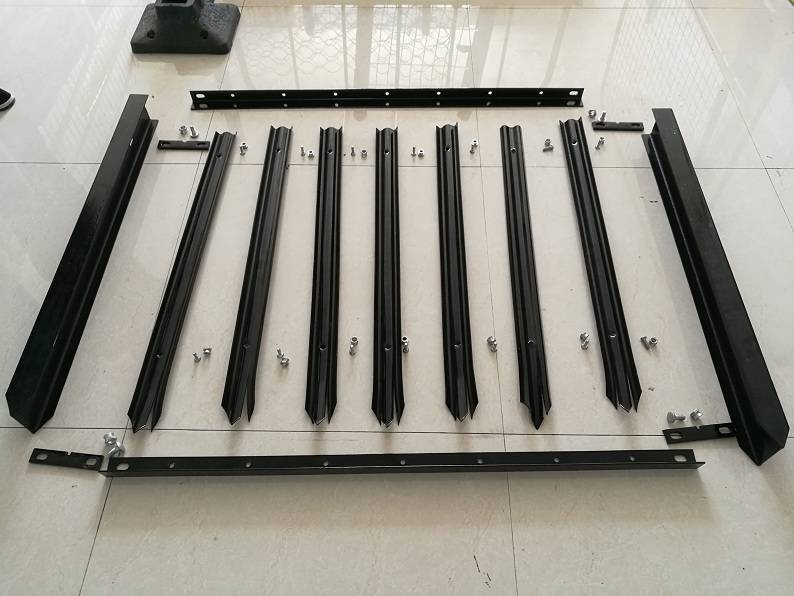
The types of metal fence offered by leading suppliers are characterized by precise technical specifications that ensure performance and reliability. Here, we detail parameters relevant to a Factory direct Galvanized Steel Picket PVC coated wrought iron Zinc steel metal fence.
Standard Product Specification Table:
| Parameter | Specification | Standard/Certification |
|---|---|---|
| Material | Q235/Q195 Low Carbon Steel | ASTM A36/A500, EN 10025 |
| Surface Treatment | Hot-Dip Galvanized + PVC Coated (or Powder Coated) | ISO 1461, ASTM F2321, RAL GZ 614 |
| Zinc Coating Thickness | ≥ 60 µm (microns) average | ISO 1461 |
| PVC Coating Thickness | 0.8 – 1.2 mm (800-1200 µm) | ASTM D3359 (Adhesion), UV resistance per ASTM G154 |
| Picket Dimensions (Typical) | 16x16mm, 19x19mm, 25x25mm (square) | Customizable |
| Rail Dimensions (Typical) | 30x40mm, 40x40mm, 40x60mm (rectangular) | Customizable |
| Panel Height | 0.8m to 3.0m (customizable) | Industry Standard |
| Panel Width | 2.0m to 3.0m (customizable) | Industry Standard |
| Corrosion Resistance | Salt Spray Test > 1000 hours (ASTM B117) | ISO 9227 (NSS) |
| UV Resistance | No significant fading/chalking after 5000 hours (accelerated weathering) | ASTM G154, ISO 4892 |
| Service Life Expectancy | 20-30+ years in typical environments | Manufacturer Data / Field Observations |
These specifications highlight the engineering rigor behind advanced metal fence types, ensuring they meet the demanding requirements of various industrial and commercial applications.
Versatile Application Scenarios and Target Industries
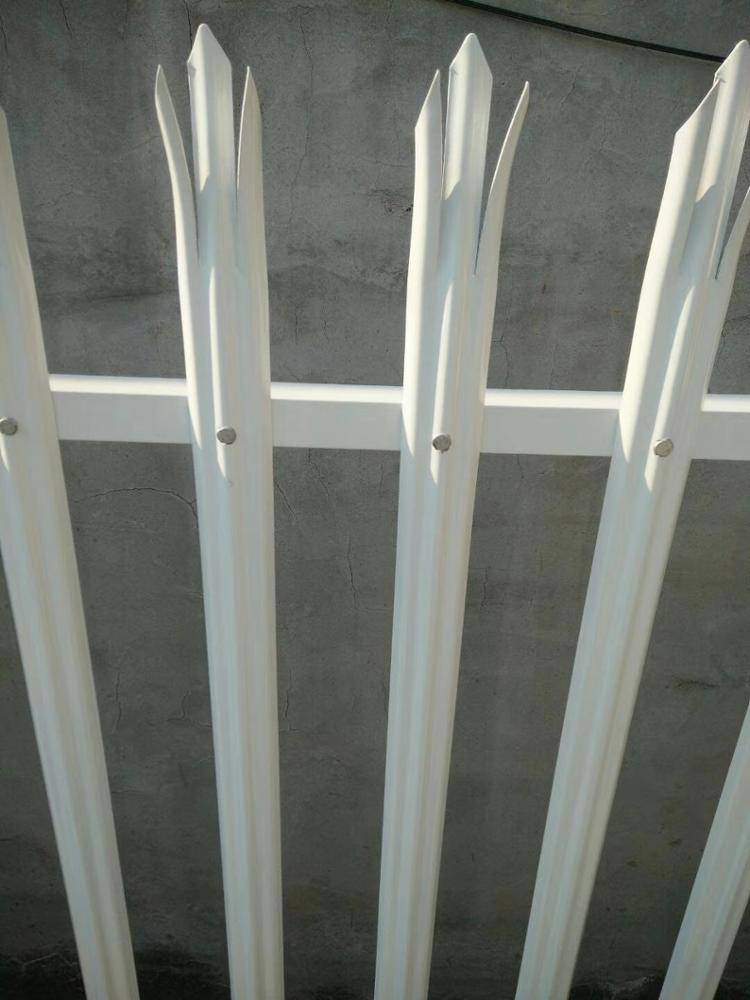
The robustness, security features, and aesthetic flexibility of modern metal fence types make them indispensable across a broad spectrum of industries and application scenarios. Their inherent strength and multi-layer corrosion protection make them ideal for environments where durability is paramount.
Key Target Industries:
- Petrochemical and Chemical Facilities: Requiring high-security perimeters that resist chemical corrosion and offer superior demarcation. Galvanized and PVC-coated fences provide excellent resistance to harsh atmospheric conditions prevalent in these sites.
- Power Generation and Utilities (Energy Sector): Securing critical infrastructure such as power plants, substations, and transformer stations against unauthorized access and vandalism. The long service life minimizes maintenance interventions in often remote or high-risk areas.
- Metallurgy and Heavy Manufacturing: Fencing for industrial compounds, material storage areas, and operational zones where heavy machinery and abrasive conditions are common. The resilience of steel and protective coatings withstands industrial wear.
- Water Supply & Drainage Infrastructure: Protecting water treatment plants, pumping stations, reservoirs, and sewerage facilities from contamination and unauthorized entry. Corrosion resistance is vital due to exposure to moisture and various chemicals.
- Logistics and Warehousing: Securing large logistics hubs, distribution centers, and storage yards, preventing theft and ensuring operational safety. Modular designs facilitate quick installation over extensive areas.
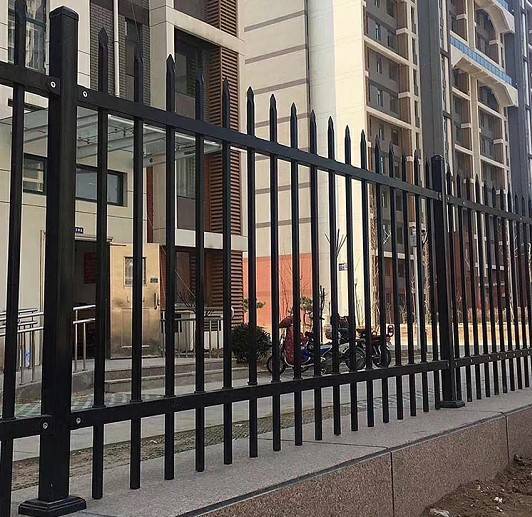
- Commercial and Retail Developments: Providing secure yet aesthetically pleasing boundaries for shopping centers, business parks, and corporate campuses. Custom designs can complement architectural styles.
- Transportation Infrastructure: Fencing for airports, railway lines, ports, and highways, ensuring public safety and preventing intrusion into critical zones.
Advantages in Typical Application Scenarios:
- Corrosion Resistance: The multi-layer protection (galvanization + PVC/powder coating) ensures exceptional resistance against rust, acids, alkalis, and saline environments, crucial for coastal regions and chemical processing plants. This significantly reduces maintenance cycles and costs.
- Enhanced Security: Picket fences with pointed tops or anti-climb features deter intruders, offering a formidable physical barrier. The robust steel construction resists cutting and bending, enhancing overall site security.
- Durability and Impact Resistance: Engineered to withstand significant environmental stressors, including high winds, extreme temperatures, and accidental impacts, providing reliable long-term performance.
- Low Maintenance: The superior coatings minimize the need for repainting or repair, translating into significant operational savings over the fence's lifespan. This contributes to energy saving by reducing resource consumption for upkeep.
- Aesthetic Flexibility: Available in a wide array of RAL colors and customizable designs, allowing for integration with corporate branding or architectural requirements without compromising security.
Technical Advantages of Galvanized Steel Picket PVC Coated Fences
The combination of galvanized steel and PVC coating represents a pinnacle in metal fencing technology, offering a synergistic blend of material science and engineering excellence. This specific configuration provides several distinct technical advantages over conventional fencing materials:
- Dual-Layer Corrosion Protection:
- Hot-Dip Galvanization: Provides a sacrificial (cathodic) and barrier protection. If the zinc coating is scratched, it will corrode preferentially to the steel, preventing rust on the base metal.
- PVC Coating: Adds an impervious, flexible, and robust secondary barrier that shields the galvanized layer from atmospheric oxygen, moisture, UV radiation, and chemical exposure. This significantly extends the life of the zinc layer.
- Superior UV and Weather Resistance: High-grade PVC coatings are formulated with UV stabilizers, ensuring the fence retains its color and structural integrity even under prolonged exposure to sunlight and harsh weather conditions, preventing chalking, fading, and brittleness.
- Enhanced Impact and Abrasion Resistance: The thick, flexible PVC layer acts as a buffer, offering superior resistance to physical impacts, scratches, and abrasions common in industrial settings or public areas. This protective layer also contributes to reducing noise.
- Reduced Thermal Expansion/Contraction Stress: While steel expands and contracts with temperature changes, the flexible PVC coating helps to mitigate some of the stress on the underlying metal, contributing to the overall longevity of the structure.
- Chemical Resistance: PVC is inherently resistant to a wide range of chemicals, including acids, alkalis, and salts, making these fences suitable for chemical plants, coastal environments, and areas with agricultural runoff.
- Low Electrical Conductivity: The PVC coating provides an additional layer of electrical insulation, which can be advantageous in certain industrial environments where electrical safety is a concern.
These technical merits underscore why galvanized steel picket PVC-coated fences are a preferred choice for projects demanding the highest standards of durability, minimal maintenance, and long-term asset protection.
Vendor Comparison: Selecting the Right Metal Fence Supplier
Choosing among various metal fence manufacturers and metal fence suppliers requires a discerning approach. Differentiation is often found in product quality, manufacturing certifications, service capabilities, and overall value proposition. Here’s a comparison framework to guide selection:
Key Differentiation Factors for Metal Fence Suppliers:
| Feature/Factor | Premium Supplier | Standard Supplier |
|---|---|---|
| Material Quality & Sourcing | Certified prime Q235/Q195 steel; traceable to mills; advanced alloys. | Standard commercial-grade steel; less rigorous traceability. |
| Manufacturing Process | Automated CNC, robotic welding, multi-stage surface prep, controlled galvanization & PVC coating. | Manual/semi-automated processes, basic surface prep, less consistent coating application. |
| Quality Control & Testing | ISO 9001 certified; extensive in-house testing (salt spray, UV, adhesion, impact); third-party verification. | Basic QC checks; limited in-house testing; relies on material certificates. |
| Coating Durability | Guaranteed minimum zinc (60µm+) and PVC (800µm+) thickness; long-term UV/corrosion warranty. | Variable coating thickness; shorter warranty or no specific coating guarantee. |
| Customization Capabilities | Full design engineering support; bespoke dimensions, colors, security features, integration options. | Limited customization; standard panel sizes and colors only. |
| Certifications & Compliance | ISO 9001, CE, ASTM, ANSI, industry-specific (e.g., security ratings). | Basic manufacturing certifications; possibly no product-specific compliance. |
| Technical Support & After-Sales | Dedicated project managers, engineering consultations, installation guides, comprehensive warranty. | Standard support; minimal pre-sales consultation; basic warranty. |
| Pricing Model | Value-based; higher initial investment, significantly lower lifecycle costs (TCO). | Cost-focused; lower initial price, potentially higher long-term maintenance/replacement costs. |
A reliable metal fence supplier prioritizes quality, compliance, and long-term performance, often resulting in a higher initial investment but a substantially lower Total Cost of Ownership (TCO) over the fence's extended service life.
Tailored Security: Customizable Solutions for Diverse Needs
Recognizing that no two projects are identical, leading metal fence manufacturers excel in providing highly customizable solutions. This flexibility ensures that the fencing system perfectly aligns with specific security requirements, site topography, environmental conditions, and aesthetic preferences. Customization options extend beyond standard dimensions and colors.
Areas of Customization:
- Dimensions and Configuration: Custom panel heights, widths, and post spacing to accommodate varying security threat levels or uneven terrain. This includes specialized designs for slopes, corners, and gate integration.
- Security Enhancements:
- Anti-Climb Features: Spear tops, spiked pickets, or curved tops for enhanced deterrence.
- Anti-Cut Features: Thicker steel sections or reinforced picket designs to resist cutting tools.
- Integration Points: Pre-drilled holes or mounting plates for seamless integration of CCTV, lighting, intrusion detection sensors, or access control systems.
- Material Specifications: While galvanized steel is standard, specific projects may require higher-grade steel alloys for exceptional strength or alternative coating systems tailored to unique chemical exposures.
- Aesthetic Options: A comprehensive palette of RAL colors for PVC or powder coatings, allowing fences to complement architectural designs or corporate branding. Custom decorative elements or finials can also be incorporated for a distinct appearance.
- Gate Systems: Bespoke pedestrian gates, single-swing, double-swing, cantilever, or sliding gates, all designed to match the fence aesthetic and security level, often with automation options.
- Installation Systems: Options for direct embedment, base plate mounting, or specialized footing designs depending on ground conditions and required wind load resistance.
The ability to provide these customized types of metal fence solutions distinguishes a professional metal fence supplier, ensuring that client-specific challenges are met with optimal engineering and design.
Application Case Studies: Proven Performance in Diverse Environments
Real-world application demonstrates the efficacy and reliability of advanced metal fence types. These case studies highlight their performance in challenging conditions and critical infrastructure projects.
Case Study 1: Coastal Data Center Security
- Client: A major international technology firm.
- Challenge: Secure a new data center facility located near a highly corrosive coastal environment. The fence needed to withstand salt spray, high humidity, and strong winds while providing robust perimeter security against sophisticated intrusion attempts. Long-term durability with minimal maintenance was a key requirement.
- Solution: Implemented a customized galvanized steel picket fence system, featuring extra-thick PVC coating (1.2mm) and anti-climb spiked tops. All posts were direct-embedded with concrete foundations designed to withstand Category 3 hurricane wind loads. Integrated mounting points for future CCTV and thermal imaging cameras were pre-fabricated.
- Outcome: After five years, the fence shows no signs of corrosion, fading, or structural degradation. The enhanced PVC coating effectively resisted the harsh saline environment. The secure perimeter has prevented all unauthorized access attempts, contributing to the facility's uninterrupted operation and data integrity. Client feedback highlighted the fence's aesthetic appeal and exceptional durability as key successes.
Case Study 2: Remote Oil & Gas Pipeline Protection
- Client: A national energy corporation.
- Challenge: Secure multiple pump stations and valve points along a vast oil and gas pipeline network in a remote desert region, characterized by extreme temperature fluctuations, abrasive sandstorms, and limited accessibility for maintenance. The need was for robust physical security to prevent sabotage and theft.
- Solution: Supplied and installed heavy-duty galvanized steel picket fences with a specialized desert-resistant powder coating (RAL 1002 Sand Yellow) designed for high UV stability and abrasion resistance. Panels were custom-fabricated in modular sections for easier transport and rapid assembly in challenging terrain. Access gates were equipped with robust locking mechanisms and provisions for automated access control.
- Outcome: The fencing system has successfully protected critical pipeline infrastructure for over a decade. The custom coating proved highly effective against sand abrasion and extreme temperatures, showing minimal wear. The ease of modular installation significantly reduced project timelines and logistical complexities. The strong physical barrier has deterred numerous potential threats, proving critical for operational continuity.
Frequently Asked Questions (FAQ)
- Q1: What is the expected service life of a galvanized steel picket PVC-coated fence?
- A1: With proper installation and minimal maintenance, our fences are designed for a service life exceeding 20-30 years. The dual-layer protection significantly extends durability even in harsh environments, reducing the need for premature replacement.
- Q2: Can these fences withstand extreme weather conditions?
- A2: Yes, our fences are engineered for resilience. The robust steel core provides structural integrity against high winds, while the hot-dip galvanization and thick PVC coating offer exceptional resistance to extreme temperatures, heavy rainfall, UV radiation, and corrosive elements like salt spray.
- Q3: Are customized designs available for specific project requirements?
- A3: Absolutely. We specialize in providing customized solutions. This includes tailored dimensions, specific anti-climb or anti-cut features, bespoke RAL color options, and pre-engineered integration points for security cameras, lighting, and access control systems. Our engineering team works closely with clients to meet unique specifications.
- Q4: What are the primary advantages of PVC coating over powder coating?
- A4: While both offer excellent protection, PVC coating typically provides a thicker, softer, and more flexible protective layer (0.8-1.2mm vs. 0.06-0.1mm for powder coating). This results in superior impact resistance, enhanced chemical resistance, and a more robust barrier against physical abrasion, making it ideal for extremely harsh industrial or high-impact environments.
- Q5: What certifications do your products and manufacturing processes hold?
- A5: Our manufacturing processes are ISO 9001 certified for quality management. Our products comply with international standards such as ASTM for material properties and testing (e.g., ASTM B117 for salt spray, ASTM D3359 for coating adhesion), and ISO 1461 for hot-dip galvanization, ensuring consistent quality and performance.
Lead Time, Fulfillment, and Warranty Commitments
As a leading metal fence supplier, we understand that project timelines and reliable support are critical for our B2B clients. We strive for transparency and efficiency in every stage.
Lead Time & Fulfillment:
Our typical production lead time for standard types of metal fence orders ranges from 3 to 6 weeks, depending on order volume and customization complexity. For large-scale or highly customized projects, a detailed production schedule will be provided upon order confirmation. We leverage robust logistics networks to ensure timely and secure delivery to project sites globally, with clear communication throughout the shipping process. Expedited manufacturing and delivery options are available for urgent requirements, subject to project scope and material availability.
Warranty Commitments:
We stand by the quality and durability of our products. All galvanized steel picket PVC-coated fences come with a comprehensive warranty:
- 20-Year Anti-Corrosion Warranty: Covers defects in the galvanization and PVC/powder coating that lead to red rust formation under normal environmental conditions and proper installation.
- 5-Year UV Stability Warranty: Guarantees against significant fading, chalking, or degradation of the coating due to UV exposure.
- Structural Integrity Warranty: Covers manufacturing defects in materials and workmanship for the structural components of the fence panels and posts.
Detailed warranty terms and conditions are provided with every quotation and order confirmation.
Customer Support Information:
Our dedicated customer support team and technical experts are available to assist with all inquiries, from initial project consultation and design to post-installation support. We offer:
- Pre-Sales Engineering Support: Assistance with specification, material selection, and custom design.
- Project Management: A single point of contact for streamlined communication and coordination.
- Installation Guidance: Comprehensive documentation and, if required, on-site technical assistance.
- After-Sales Service: Prompt response to any product-related issues or warranty claims.
Contact us via our website’s inquiry form, email, or direct phone lines for immediate assistance.
Conclusion: The Enduring Value of Superior Metal Fencing
The strategic deployment of high-quality metal fence types, particularly galvanized steel picket PVC-coated systems, offers unparalleled advantages in security, durability, and long-term economic value for B2B applications. From the meticulous manufacturing processes adhering to stringent international standards to the comprehensive customization options and robust warranty commitments, every aspect is engineered to meet the demanding requirements of industrial, commercial, and critical infrastructure sectors. By understanding the technical intricacies, leveraging data-driven comparisons, and partnering with reputable metal fence manufacturers, decision-makers can ensure investments in perimeter security yield optimal performance, minimal lifecycle costs, and sustained peace of mind. As global demands for robust and resilient infrastructure continue to grow, advanced metal fencing solutions remain a cornerstone of effective asset protection and operational integrity.
References
- International Organization for Standardization (ISO). ISO 1461: Hot-dip galvanized coatings on fabricated iron and steel articles — Specifications and test methods.
- ASTM International. ASTM A36/A36M: Standard Specification for Carbon Structural Steel.
- ASTM International. ASTM B117: Standard Practice for Operating Salt Spray (Fog) Apparatus.
- ASTM International. ASTM D3359: Standard Test Methods for Measuring Adhesion by Tape Test.
- Galvanizers Association. (2023). The Durability of Hot Dip Galvanizing. Retrieved from galvanizing.org.uk.
Latest News About CHENG CHUANG
-
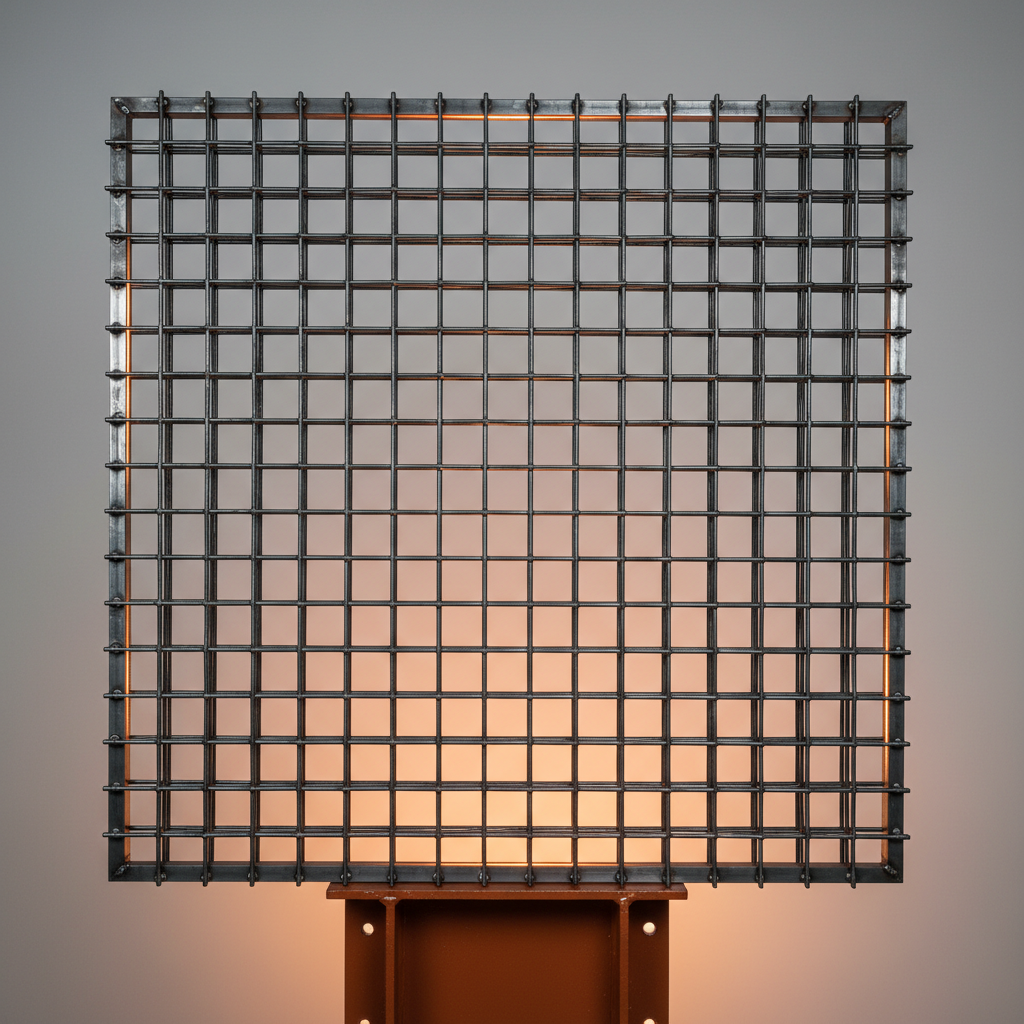 Heavy Duty 6 gauge welded wire mesh for Security and StrengthWhen it comes to heavy-duty containment, security, and structural reinforcement, choosing the right material is critical. The 6 gauge welded wire mesh stands as a premier choice for those requiring a balance of extreme rigidity and precise spacing. Whether you are securing a commercial perimeter, building industrial livestock panels, or creating reinforced concrete structures, this specific thickness provides the structural integrity needed to withstand significant pressure and impact. In this comprehensive guide, we will explore the technical specifications, primary applications, and why this mesh is the gold standard for high-security fencing solutions.Read more >
Apr 16 2026
-
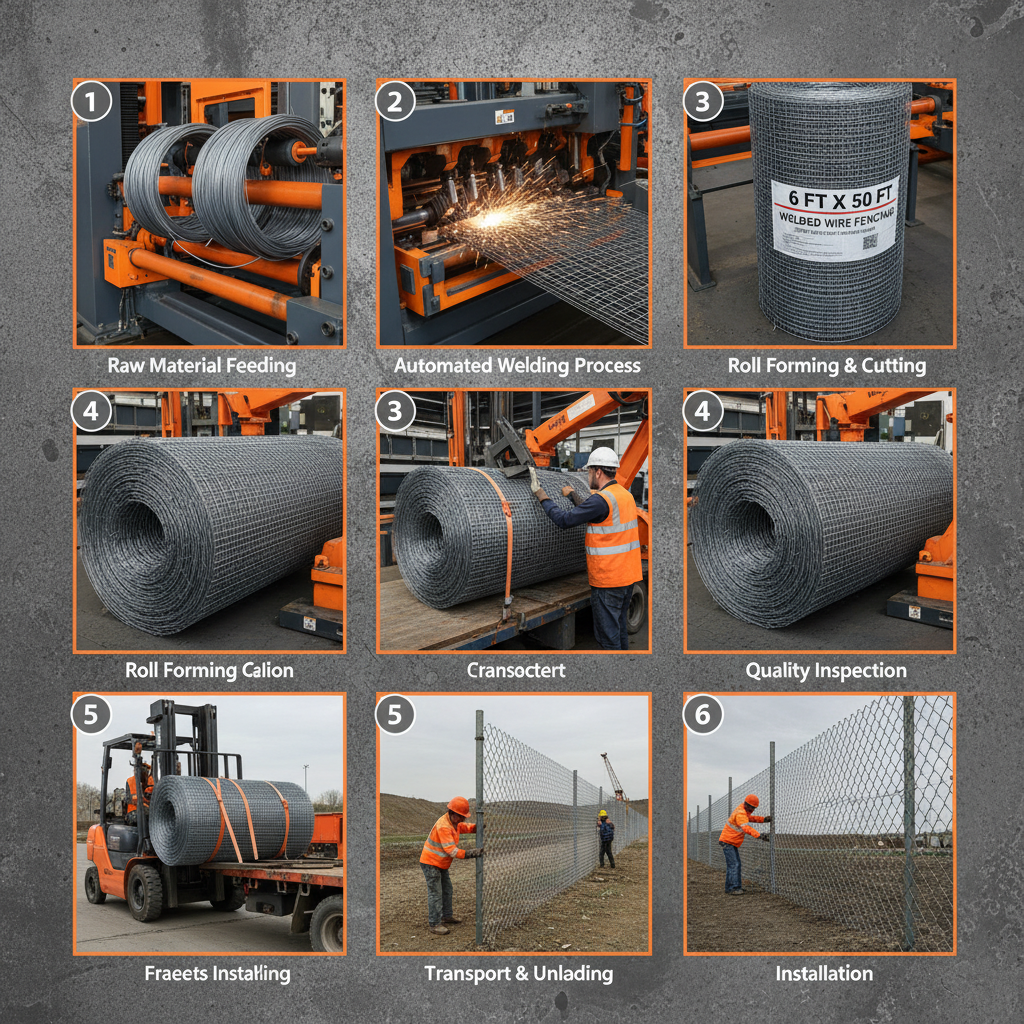 Durable 6 ft x 50 ft welded wire fencing for Security and GardensWhen it comes to securing a perimeter, whether for agricultural use, garden protection, or industrial boundaries, the dimensions and material of your fence matter. The 6 ft x 50 ft welded wire fencing offers an ideal balance of height and length, providing a robust barrier that is easy to install and maintain. Choosing a welded wire system ensures that the intersections are fused together, preventing the shifting and sagging often found in woven alternatives. In this guide, we will explore why this specific size is a preferred choice for property owners and how to maximize its effectiveness for your specific project.Read more >
Apr 09 2026
-
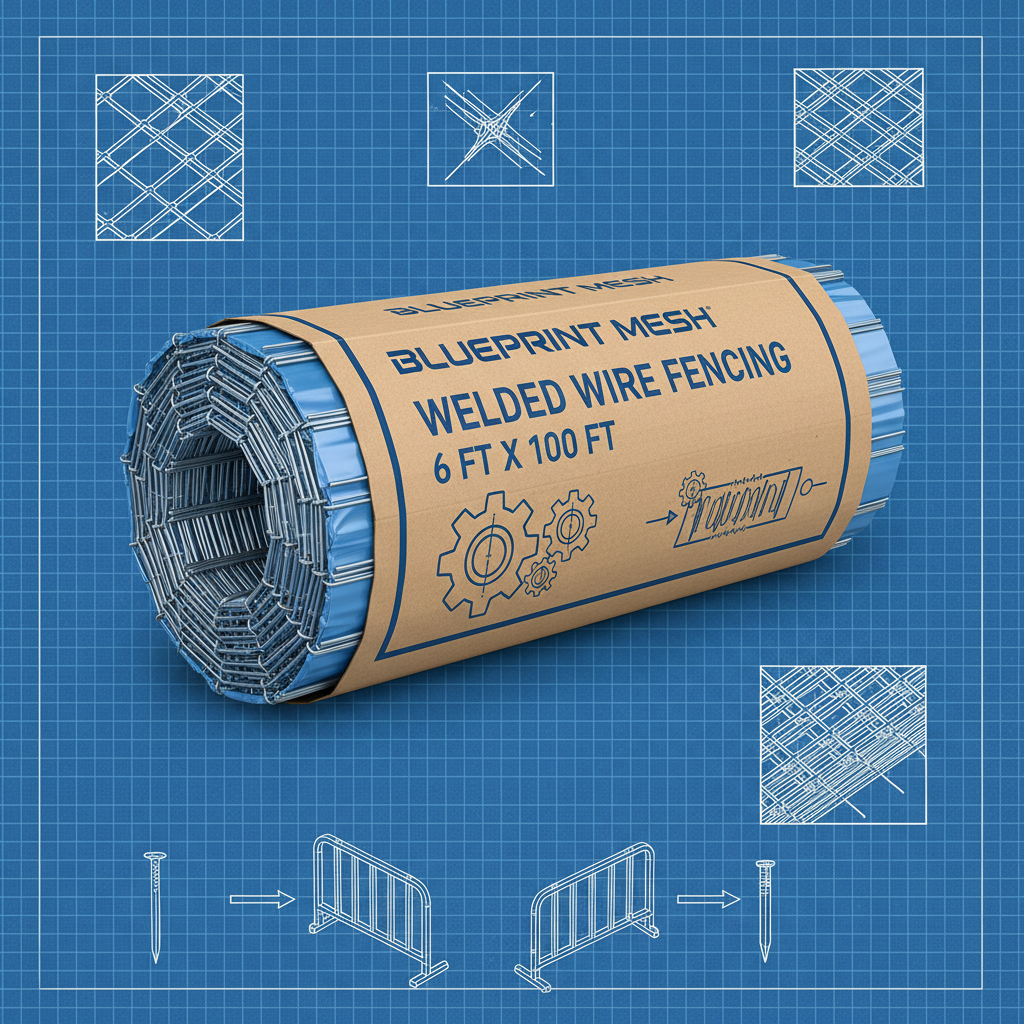 Comprehensive Guide to Choosing the Best 6 ft x 100 ft Welded Wire FencingWelded wire fencing is a versatile and cost-effective solution for a wide range of applications, from agricultural containment to residential security. Understanding the nuances of different types, especially when considering a size like 6 ft x 100 ft welded wire fencing, is crucial for making the right investment. This article will guide you through the essential factors to consider, helping you select the fencing that best suits your specific requirements.Read more >
Apr 07 2026
-
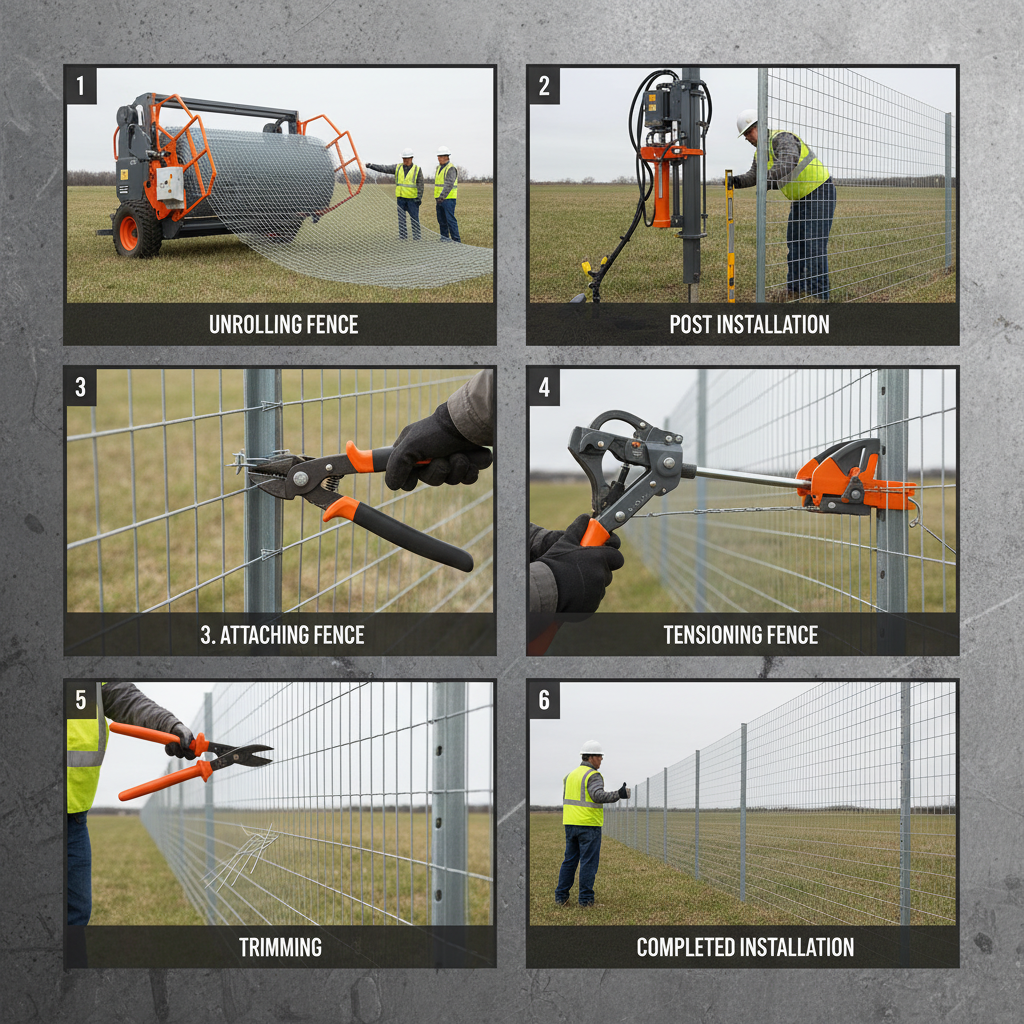 Comprehensive Guide to Choosing a 6 ft x 100 ft 12.5 Gauge Welded Wire FenceSelecting the appropriate fence for your property requires careful consideration. A 6 ft x 100 ft 12.5 gauge welded wire fence offers a robust and versatile solution for a variety of applications, from pet containment to garden protection and security. This guide will explore the benefits, applications, installation tips, and considerations when choosing this type of fencing. Understanding its construction and comparing it to other fencing options will help you make an informed decision.Read more >
Apr 04 2026
-
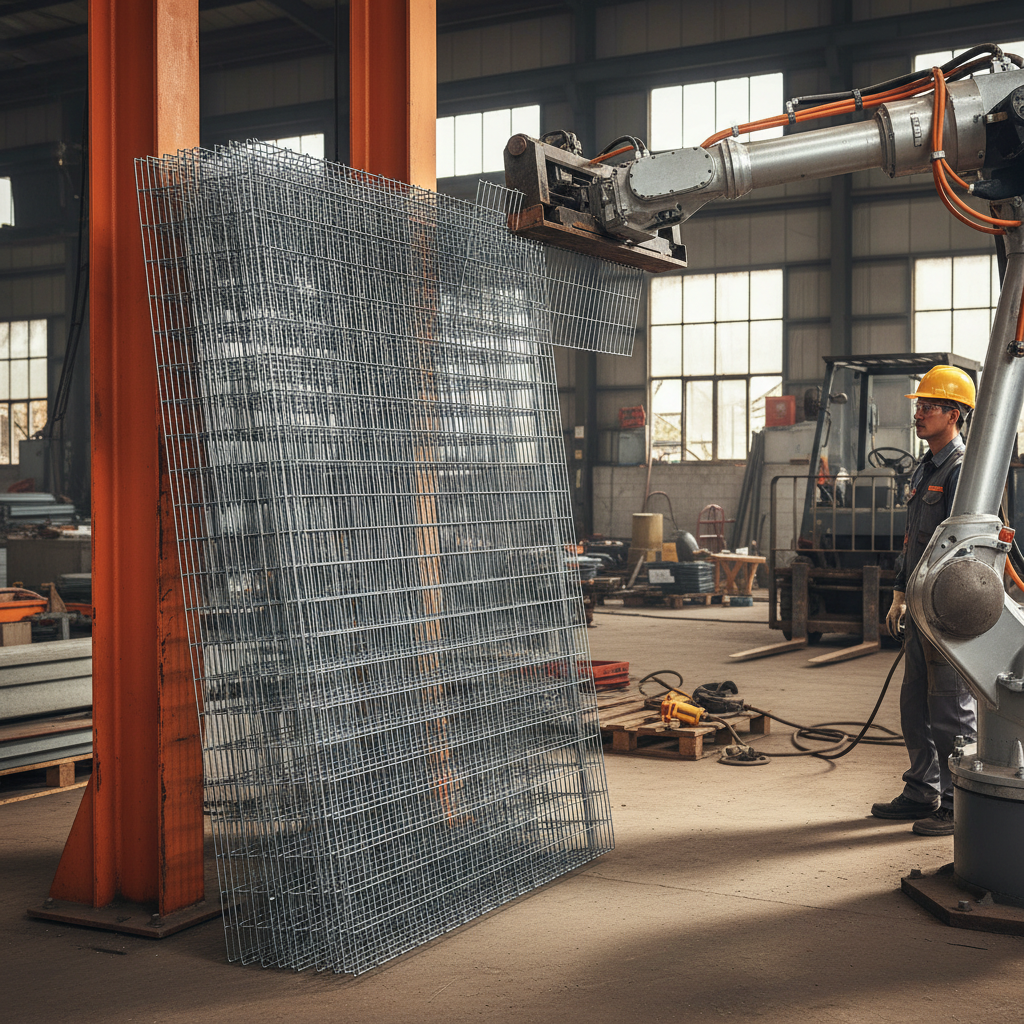 Comprehensive Guide to Durable 6 ft Welded Wire Fencing Panels and ApplicationsWhen selecting fencing for your property, 6 ft welded wire fencing panels offer a robust and versatile solution. These panels combine strength, security, and ease of installation, making them a popular choice for both residential and commercial applications. This article delves into the benefits, applications, installation, and maintenance of these panels, helping you make an informed decision.Read more >
Mar 31 2026