


Expanded Metal Wire: Durable, Versatile Mesh for Industry & Relief Applications | CHCH Fence
Expanded Metal Wire: A Versatile Solution in Modern Industry
Let’s start with the basics: expanded metal wire isn’t just some technical jargon—it’s an ingenious material that’s quietly shaping industries worldwide. If you've ever admired a strong but lightweight fence, a sturdy industrial floor, or even a protective grille, chances are expanded metal wire was involved.
But why does it matter globally? Well, we live in an age where materials need to be not only strong but cost-effective, sustainable, and adaptable across many sectors. Understanding expanded metal wire helps us grasp how industries improve safety, durability, and environmental footprints—sometimes in ways that feel invisible but are essential.
Introduction: The Global Dance Around Expanded Metal Wire
Data from the United Nations and ISO standards hint at an ever-growing demand for materials that balance strength and economy in construction, manufacturing, and security. Oddly enough, expanded metal wire fits snugly within this need: it offers a lightweight yet tough mesh used from fencing to filtration, matching diverse regulatory requirements worldwide.
One big challenge industries face is finding materials that withstand harsh environments without breaking the bank or adding bulky weight—a common hurdle in sectors like energy, transportation, or humanitarian aid. Expanded metal wire directly addresses these problems, making it a global staple in many infrastructure projects.
What Exactly Is Expanded Metal Wire?
Simply put, expanded metal wire is a sheet of metal that has been cut and stretched to form a diamond-shaped mesh pattern without losing its continuity. Rather than welding wires together, this material is manufactured by slitting and expanding a single metal sheet. This process means there are no welds, which typically represent weak spots—increasing overall durability.
This design isn’t just aesthetic; it optimizes material use, minimizing waste and maximizing strength. In modern industry, this translates to lighter panels with impressive strength-to-weight ratios, key when you consider applications like architectural facades, security barriers, and filtration systems. Humanitarian agencies also rely on these meshes for temporary fencing or ventilation in relief shelters.
Core Components and Features of Expanded Metal Wire
- Durability: Since it’s made from a singular metal sheet, expanded metal wire withstands corrosion and stress better than many welded meshes. Galvanized or stainless options enhance lifespan, especially outdoors.
- Weight Efficiency: Its open structure cuts weight dramatically compared to solid sheets, making transport, installation, and handling practical and less costly.
- Scalability: Easily manufactured in various sizes and mesh patterns—adaptable from light-duty screens to heavy-duty security fences.
- Cost Efficiency: Producing expanded mesh cuts down on labor and raw material wastage, which makes the product competitive compared to alternatives.
- Versatility: You name it—construction, automotive, aerospace, agriculture, even art installations. The material molds to meet many needs.
- Safety: Its texture can provide slip resistance in flooring applications or act as secure barriers limiting unauthorized access.
Mini takeaway: The unique process and properties of expanded metal wire unlock impressive durability, flexibility, and affordability—vital for modern industrial demands.
Worldwide Applications and Use Cases
Think about post-disaster zones, say after a major hurricane or earthquake. Relief agencies need quick, reliable fencing and shelter reinforcements that don’t add logistical headaches. Expanded metal wire often arrives on-site and installs rapidly, securing perimeters or creating ventilated partitions. Regions from the Caribbean to Southeast Asia lean on this material for such needs.
In industrial settings—take mining regions in Australia or steel plants in Europe—expanded metal wire grids cover machinery, provide non-slip surfaces, and protect against debris. Its resistance to harsh environments, including chemical exposure, makes it a favored choice. Even in architecture, you’ll spot beautiful facades and sun shades made from expanded mesh, combining aesthetics with function.
| Specification | Details |
|---|---|
| Material | Steel, Stainless Steel, Aluminum |
| Mesh Opening | 3mm to 100mm (customizable) |
| Thickness | 0.5mm to 6mm |
| Finish | Galvanized, Powder Coated, Bare |
| Weight | Varies by gauge and mesh size |
| Standard Roll Length | 2m to 12m |
How Vendors Stack Up
| Vendor | Material Range | Customization | Global Reach | Lead Time |
|---|---|---|---|---|
| MetalMeshCo | Steel, Aluminum | High | Europe, North America | 2-4 weeks |
| GlobalExpand | Stainless Steel, Steel | Medium | Asia, Europe, Australia | 3-5 weeks |
| WireWorks Ltd. | Aluminum only | Low | North America | 1-3 weeks |
Advantages & Long-Term Value of Expanded Metal Wire
One practical benefit is cost-efficiency over the lifespan of installations. Durable, lightweight, and requiring minimal maintenance, expanded metal wire cuts replacement costs and reduces downtime. I’ve noticed engineers often praise its environmental credentials too: using less metal per square meter compared to solid sheets helps reduce mining and carbon footprint.
On the emotional side, it fosters safety and trust—for property managers securing facilities or humanitarian groups protecting vital supplies. It’s fascinating how a seemingly simple material supports dignity and innovation across markets.
Looking Ahead: Trends and Innovations
Green energy projects increasingly use expanded metal wire for solar panel mounts and wind turbine guards, given its flexibility and weather resistance. Digital fabrication tools are enabling bespoke mesh designs with precision, pushing the envelope of architectural creativity. Automation in manufacturing promises faster, more consistent quality production at scale.
Better coatings and composite blends might soon further improve corrosion resistance and sustainability, fulfilling stricter ISO environmental standards in metal production. It’s a quiet revolution that feels promising.
Challenges & Solutions in Expanded Metal Wire Use
Despite many advantages, challenges remain. For instance, cutting and installing can be tricky without specialized tools, and certain applications demand custom engineering to avoid sharp edges. However, vendors are innovating modular panel systems and safer edge treatments to minimize risks and labor.
Moreover, integrating software-guided fabrication ensures precise mesh sizing to project specs, reducing waste and errors. So, while not flawless, solutions are evolving quickly.
FAQs About Expanded Metal Wire
-
Q: What makes expanded metal wire better than traditional wire mesh?
A: Expanded metal wire is cut from a single sheet without welds, resulting in greater strength and durability. It also offers better weight efficiency and fewer weak points compared to traditional welded mesh. -
Q: How long does expanded metal wire typically last outdoors?
A: When properly galvanized or powder coated, expanded metal wire can last 10–20 years outdoors, depending on environmental conditions. Stainless steel variants often exceed this lifespan in corrosive areas. -
Q: Is expanded metal wire eco-friendly?
A: Yes. It uses less raw material than solid sheets, reduces waste through its expansion manufacturing, and can be made from recyclable metals, aligning well with green building standards. -
Q: Can NGOs easily import expanded metal wire for relief efforts?
A: Absolutely. Many manufacturers provide international shipping and customizable sizes for rapid deployment, essential for humanitarian logistics.
Conclusion
In real terms, expanded metal wire combines innovation with practicality—a material that not only meets but anticipates the needs of industries and communities worldwide. From saving costs to enhancing safety and sustainability, it’s worth a closer look if you’re involved in construction, manufacturing, or humanitarian work.
Curious to learn more or get started? Visit our website at https://www.chchfence.com for comprehensive product details and expert consultation.
That’s my two cents—expanded metal wire quietly plays a big part in building a more resilient and sustainable future.
References
Latest News About CHENG CHUANG
-
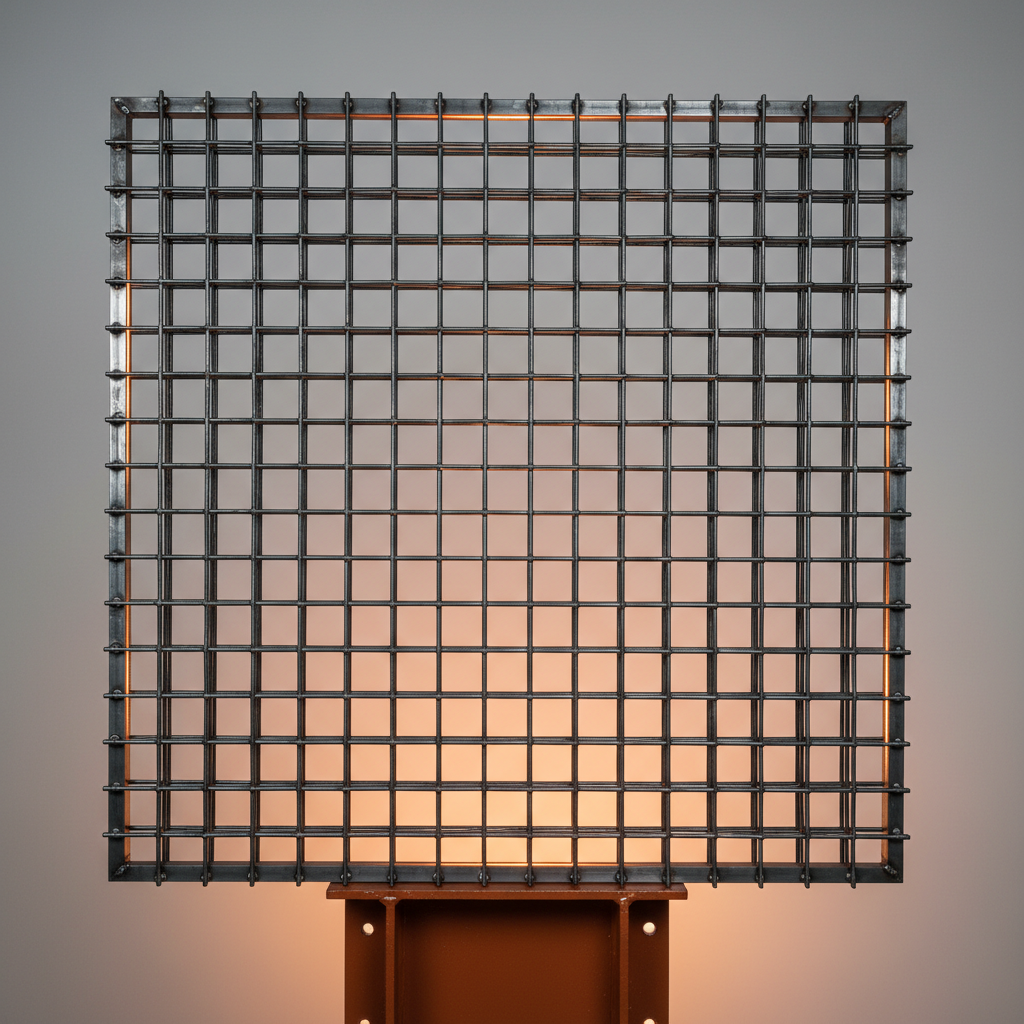 Heavy Duty 6 gauge welded wire mesh for Security and StrengthWhen it comes to heavy-duty containment, security, and structural reinforcement, choosing the right material is critical. The 6 gauge welded wire mesh stands as a premier choice for those requiring a balance of extreme rigidity and precise spacing. Whether you are securing a commercial perimeter, building industrial livestock panels, or creating reinforced concrete structures, this specific thickness provides the structural integrity needed to withstand significant pressure and impact. In this comprehensive guide, we will explore the technical specifications, primary applications, and why this mesh is the gold standard for high-security fencing solutions.Read more >
Apr 16 2026
-
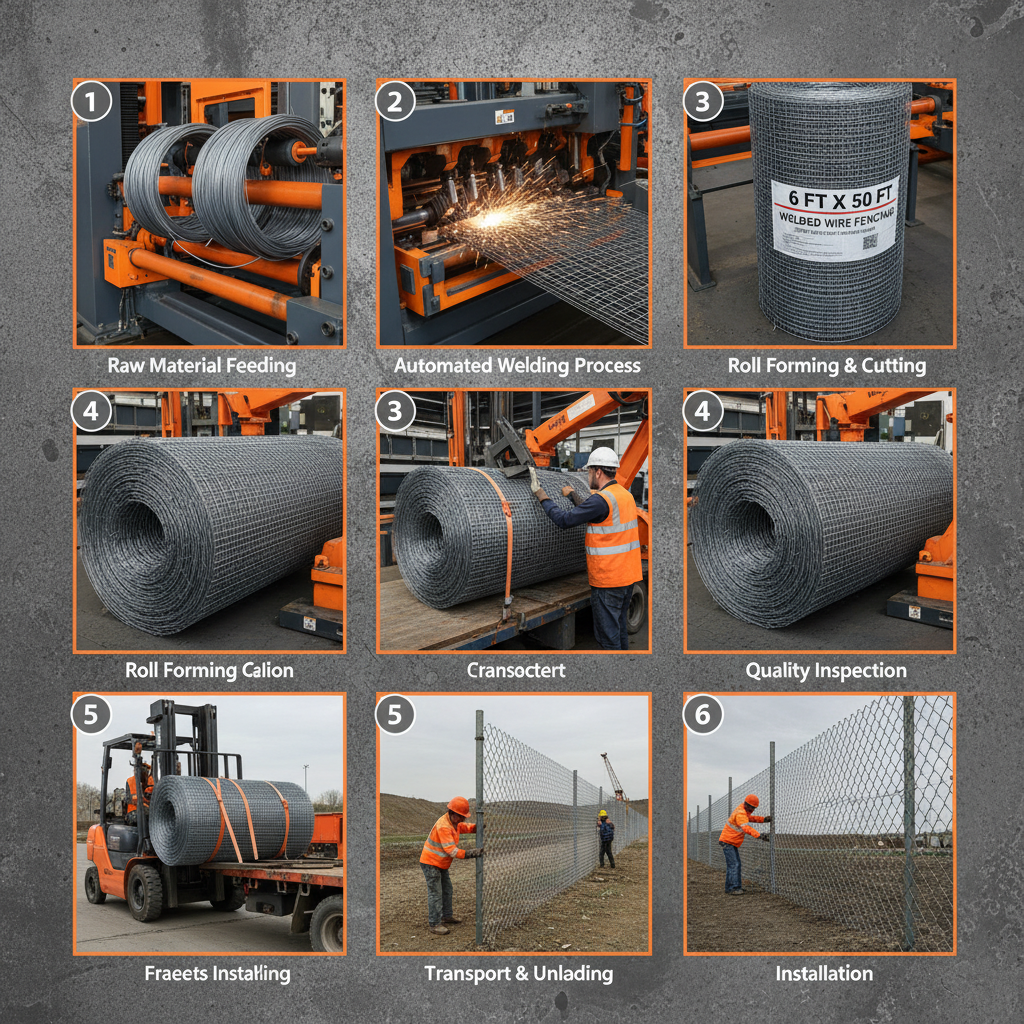 Durable 6 ft x 50 ft welded wire fencing for Security and GardensWhen it comes to securing a perimeter, whether for agricultural use, garden protection, or industrial boundaries, the dimensions and material of your fence matter. The 6 ft x 50 ft welded wire fencing offers an ideal balance of height and length, providing a robust barrier that is easy to install and maintain. Choosing a welded wire system ensures that the intersections are fused together, preventing the shifting and sagging often found in woven alternatives. In this guide, we will explore why this specific size is a preferred choice for property owners and how to maximize its effectiveness for your specific project.Read more >
Apr 09 2026
-
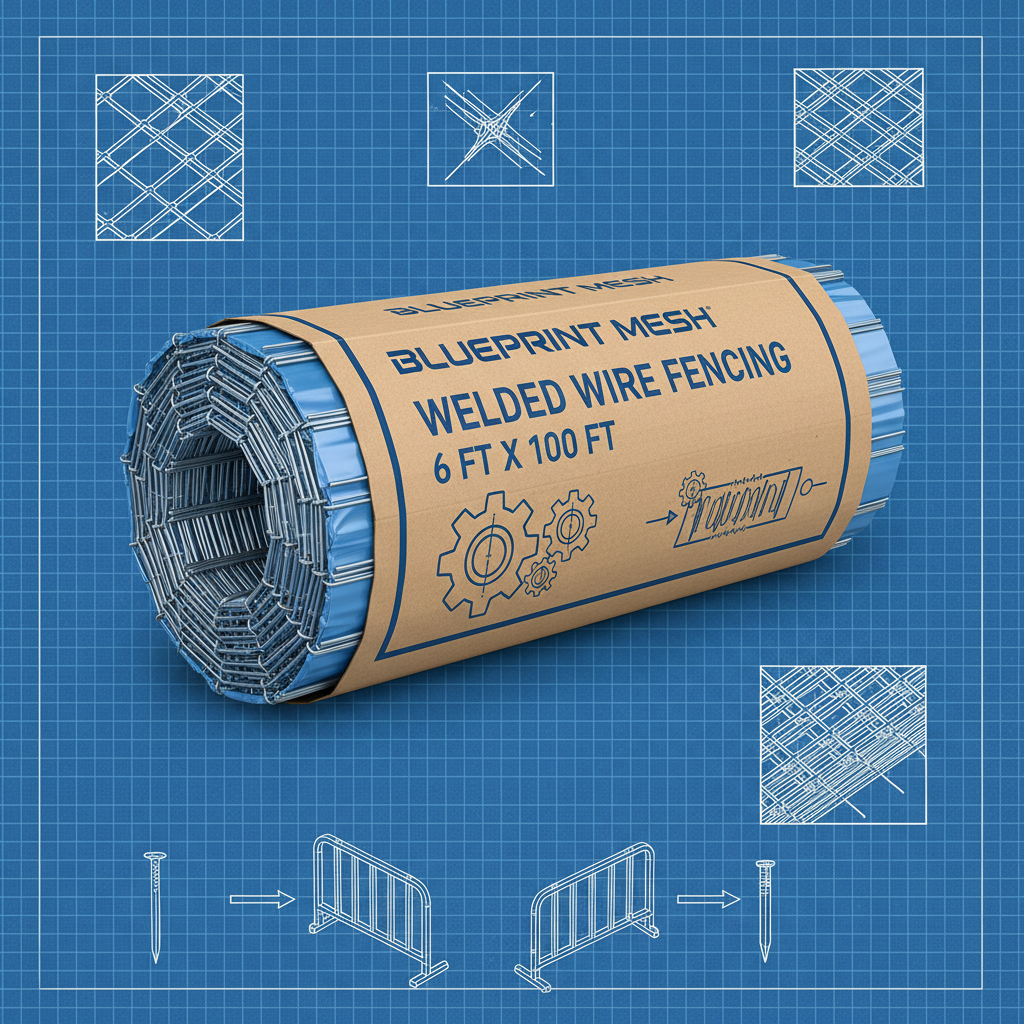 Comprehensive Guide to Choosing the Best 6 ft x 100 ft Welded Wire FencingWelded wire fencing is a versatile and cost-effective solution for a wide range of applications, from agricultural containment to residential security. Understanding the nuances of different types, especially when considering a size like 6 ft x 100 ft welded wire fencing, is crucial for making the right investment. This article will guide you through the essential factors to consider, helping you select the fencing that best suits your specific requirements.Read more >
Apr 07 2026
-
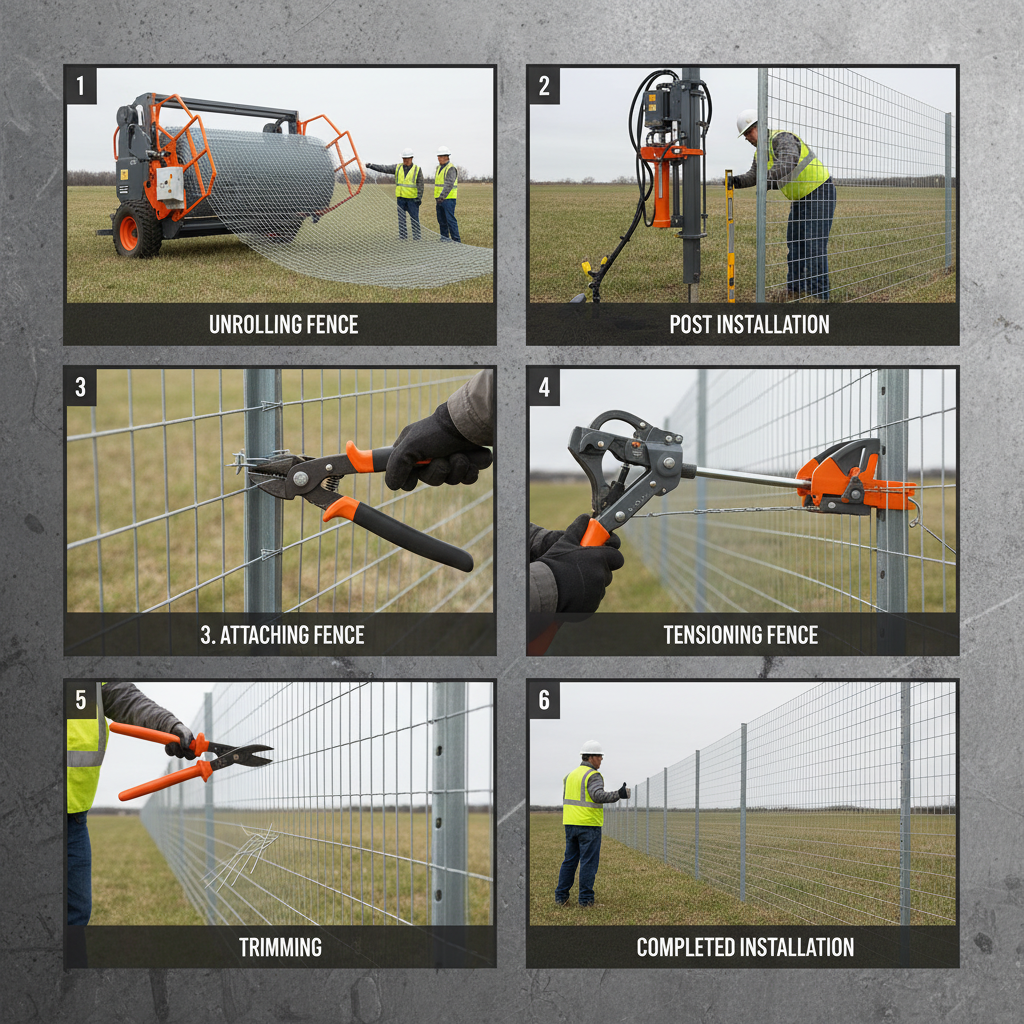 Comprehensive Guide to Choosing a 6 ft x 100 ft 12.5 Gauge Welded Wire FenceSelecting the appropriate fence for your property requires careful consideration. A 6 ft x 100 ft 12.5 gauge welded wire fence offers a robust and versatile solution for a variety of applications, from pet containment to garden protection and security. This guide will explore the benefits, applications, installation tips, and considerations when choosing this type of fencing. Understanding its construction and comparing it to other fencing options will help you make an informed decision.Read more >
Apr 04 2026
-
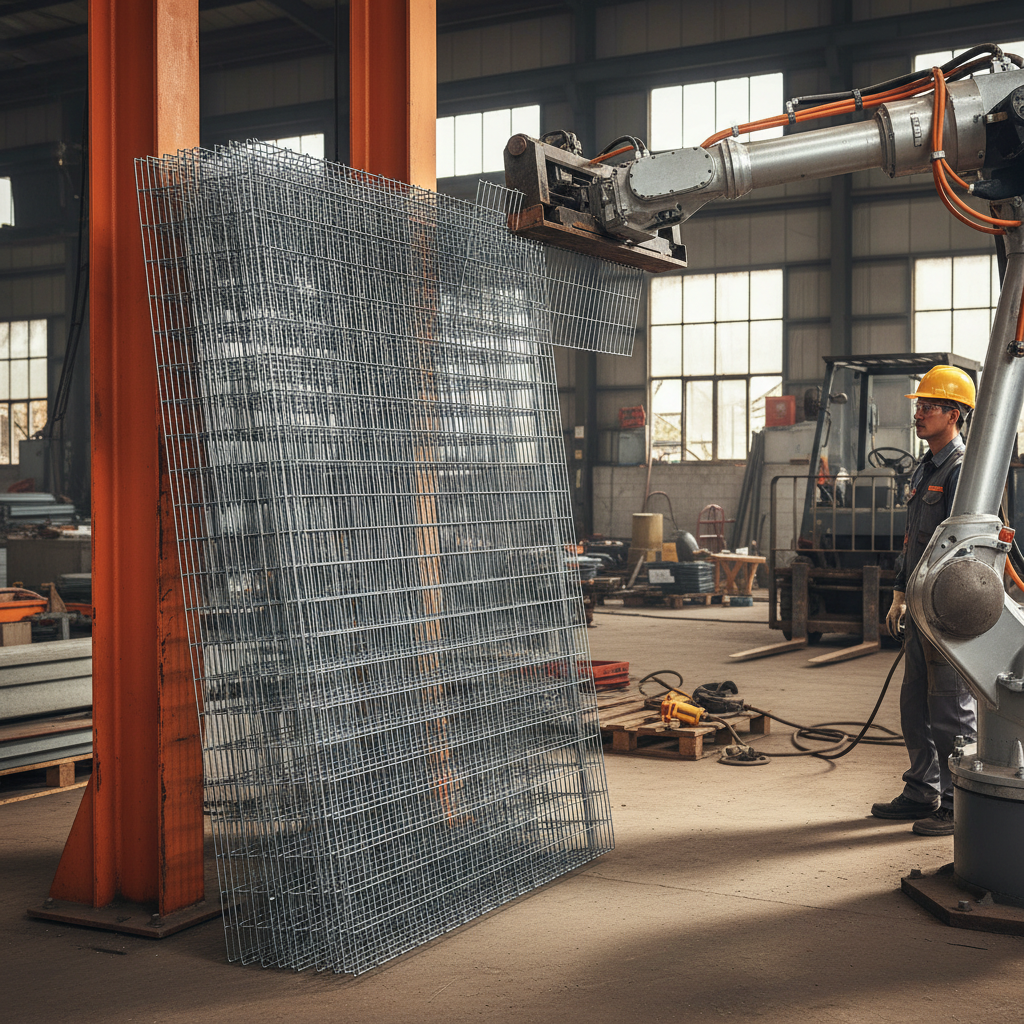 Comprehensive Guide to Durable 6 ft Welded Wire Fencing Panels and ApplicationsWhen selecting fencing for your property, 6 ft welded wire fencing panels offer a robust and versatile solution. These panels combine strength, security, and ease of installation, making them a popular choice for both residential and commercial applications. This article delves into the benefits, applications, installation, and maintenance of these panels, helping you make an informed decision.Read more >
Mar 31 2026