


Expanded Metal Panel: Global Applications, Benefits & Future Trends
Understanding Expanded Metal Panel: A Global Perspective
If you’ve ever noticed those crisscross mesh-like sheets on industrial fences, facades, or even some modern furniture, you’ve seen an expanded metal panel in action. At first glance, they might seem like simple metal sheets with holes, but frankly, they’re much more than that. Expanded metal panels have quietly become instrumental across industries worldwide—from construction and architectural design to security and humanitarian aid. Understanding what they are and why they matter can unlock a lot of insight into modern material science and practical design solutions that combine durability, efficiency, and sustainability.
Why does this matter globally? Well, as the world urbanizes and infrastructure demands grow, materials that are lightweight yet strong, cost-effective, and versatile are more in demand than ever. The expanded metal panel perfectly fits this mold, offering solutions in developing urban spaces, disaster relief efforts, and eco-conscious construction projects alike.
Introduction: The Global Context of Expanded Metal Panels
To put it bluntly, our bustling, growing world needs materials that fit the bill for flexibility, strength, and speed of deployment. According to the United Nations, over 55% of the world’s population now lives in urban areas, with projections rising to 68% by 2050 (UN, 2018). More buildings, more infrastructure, more security needs—and hence a soaring demand for smart materials like expanded metal panels.
Building codes are tighter, sustainability goals stricter, and budgets, well, not always elastic. Expanded metal panels address challenges like ventilation without sacrificing security, reduced material waste, and ease of installation. Oddly enough, they’re a behind-the-scenes hero in many global construction and manufacturing sectors.
What is an Expanded Metal Panel?
Put simply, an expanded metal panel is a sheet of metal that has been simultaneously slit and stretched to create a mesh-like pattern of openings, without losing material. This is different from perforated sheets that punch out holes, often wasting metal scraps. Instead, with expanded metal, the metal is formed from a single piece, yielding stronger, lighter products with increased surface area.
In modern industry, these panels provide robust solutions requiring airflow, light transmission, or sound diffusion while maintaining strength and security. In humanitarian contexts, for example, their quick assembly and durability make them ideal for temporary shelters or fencing in remote areas.
Key Factors of Expanded Metal Panels
Durability and Strength
The unique manufacturing process gives expanded metal panels superior strength-to-weight ratios. They can withstand harsh weather, impact, and corrosion better than many alternatives, which matters especially in construction and security fencing.
Cost Efficiency
Since no metal is lost during expansion, this material is more cost-efficient than perforated metals. Plus, less weight usually means lower shipping and handling costs—huge when deploying large quantities globally.
Ventilation and Light Permeability
The open mesh design facilitates natural airflow and light passage, reducing reliance on artificial climate control and boosting energy efficiency in industrial and commercial buildings.
Customization and Scalability
Expanded metal panels come in various patterns and thicknesses, which allows designers and engineers to tailor products exactly to project needs. Whether security fencing, ventilation grilles, or decorative facades, their scalability is quite something.
Sustainability
Many expanded metal panels are recyclable and contribute to greener building practices. The use of less raw material and energy compared to punched metals contributes positively to sustainability efforts.
Typical Product Specifications
| Specification | Details |
|---|---|
| Material Types | Steel, Aluminum, Stainless Steel, Copper |
| Thickness Range | 0.5mm to 10mm |
| Mesh Opening Sizes | 3mm to 50mm (varies by pattern) |
| Sheet Sizes | Customizable, commonly 4’x8’, 5’x10’ sheets |
| Surface Treatment | Hot-dip galvanizing, powder coating, anodizing |
Mini takeaway: Expanded metal panels balance strength and lightness effectively, optimized further by customizable parameters like material and mesh size.
Global Applications & Use Cases
- Construction & Architecture: Used in façades, sunscreens, and ventilation panels in urban buildings across Europe and North America, where energy efficiency standards are strict.
- Security Fencing: In Asia and Africa, many industrial zones rely on expanded metal for secure but ventilated fences, benefitting from quick installation and minimal maintenance.
- Transportation: Applied as protective screens in machinery and vehicle components, preventing debris but allowing airflow, especially in manufacturing hubs in Germany and Japan.
- Humanitarian & Disaster Relief: NGOs employ these panels in temporary shelters and secure zones post-disasters due to their durability and light weight.
- Energy Sector: Solar farms and renewable energy facilities use expanded metal for protective guards, taking advantage of its corrosion resistance and airflow properties.
Mini takeaway: This product’s adaptability extends globally, addressing very distinct needs—from high-tech urban projects to remote relief efforts.
Advantages and Long-Term Value
Investing in expanded metal panels offers cost savings not just upfront but long term—in less waste, reduced labor for assembly, and low maintenance. Plus, it’s hard to put a price on the peace of mind that comes with reliable security and safe airflow in sensitive industrial environments.
There’s an emotional component too. In humanitarian settings, for example, these panels help enable dignified shelter solutions—something many overlook when thinking purely in technical terms. The innovation here isn’t just metal manipulation but improving lives and workplaces with smart design.
Future Trends & Innovations
Looking ahead, the expanded metal panel industry is embracing green materials, including high-recycled content metals and coatings free of harmful chemicals. Incorporating expanded metal panel into smart building frameworks also ties into digital transformation trends—think embedded sensors or modular systems easing automation.
Policymakers increasingly demand sustainability certifications (ISO 14001 etc.); manufacturers who design with this in mind will likely lead the pack. Also, innovations in 3D printing may in time complement or replace traditional metal expansion methods, though expanded metal retains advantages hard to beat in mass scalability.
Challenges & Solutions
Like anything, expanded metal panels aren’t without limits. Some challenges include:
- Corrosion in Extreme Environments: Saltwater and chemical exposure can degrade untreated metals. Solution: advanced coatings or stainless steel varieties.
- Customization Lead Times: Highly tailored projects may require longer delivery. Solution: Investing in agile manufacturing and local stocking.
- Weight Considerations: While lighter than solid sheets, heavy gauges can be cumbersome. Solution: optimized design to balance strength and transport needs.
Industry experts emphasize the importance of collaborative design—early input from engineers, architects, and end-users streamlines overcoming these hurdles.
Frequently Asked Questions About Expanded Metal Panels
Q1: How does an expanded metal panel differ from perforated metal sheets?
A1: Expanded metal is made by stretching and slitting metal to create mesh without removing material, leading to stronger, lighter sheets with no waste. Perforated sheets punch holes, generating scraps and often reducing strength.
Q2: Can expanded metal panels be used outdoors year-round?
A2: Absolutely, especially when treated with protective finishes like galvanizing or powder coating. They’re designed to withstand weather elements, though extreme environments may require specific materials.
Q3: Are expanded metal panels recyclable?
A3: Yes, most expanded metal panels are fully recyclable, made from metals like steel and aluminum. Their production process is also more material-efficient, supporting sustainability goals.
Q4: How customizable are these panels for specific projects?
A4: Very customizable! From mesh size to thickness and material type, manufacturers can tailor panels to meet unique ventilation, security, or aesthetic requirements.
Vendor Comparison: Leading Expanded Metal Panel Suppliers
| Supplier | Material Range | Customization Options | Lead Time | Sustainability Certifications |
|---|---|---|---|---|
| MetalWorks Inc. | Steel, Aluminum | High (custom mesh & finishes) | 2-3 weeks | ISO 14001 |
| EcoPanels Ltd. | Stainless Steel, Recycled Steel | Medium (standard patterns) | 1-2 weeks | LEED, ISO 9001 |
| GlobalMesh Solutions | Steel, Aluminum, Copper | High (custom engineering support) | 3-4 weeks | ISO 9001 |
Conclusion
In a nutshell, expanded metal panels represent a versatile, efficient, and sustainable material choice for an array of industries worldwide. Their strength, adaptability, and eco-friendly profile make them invaluable in meeting the demands of modern construction, security, and humanitarian challenges. Whether you’re building a secure industrial site, designing a cutting-edge architectural facade, or devising swift response shelters in disaster zones, these panels offer long-term value worth considering.
Curious to explore expanded metal panel options that can elevate your next project? Visit our website at chchfence.com to learn more.
Reflecting on the versatility of expanded metal panels reminds me how materials that seem mundane often underpin the most innovative structures and solutions globally. It’s the mix of engineering finesse and real-world pragmatism that makes this topic endlessly fascinating.
Latest News About CHENG CHUANG
-
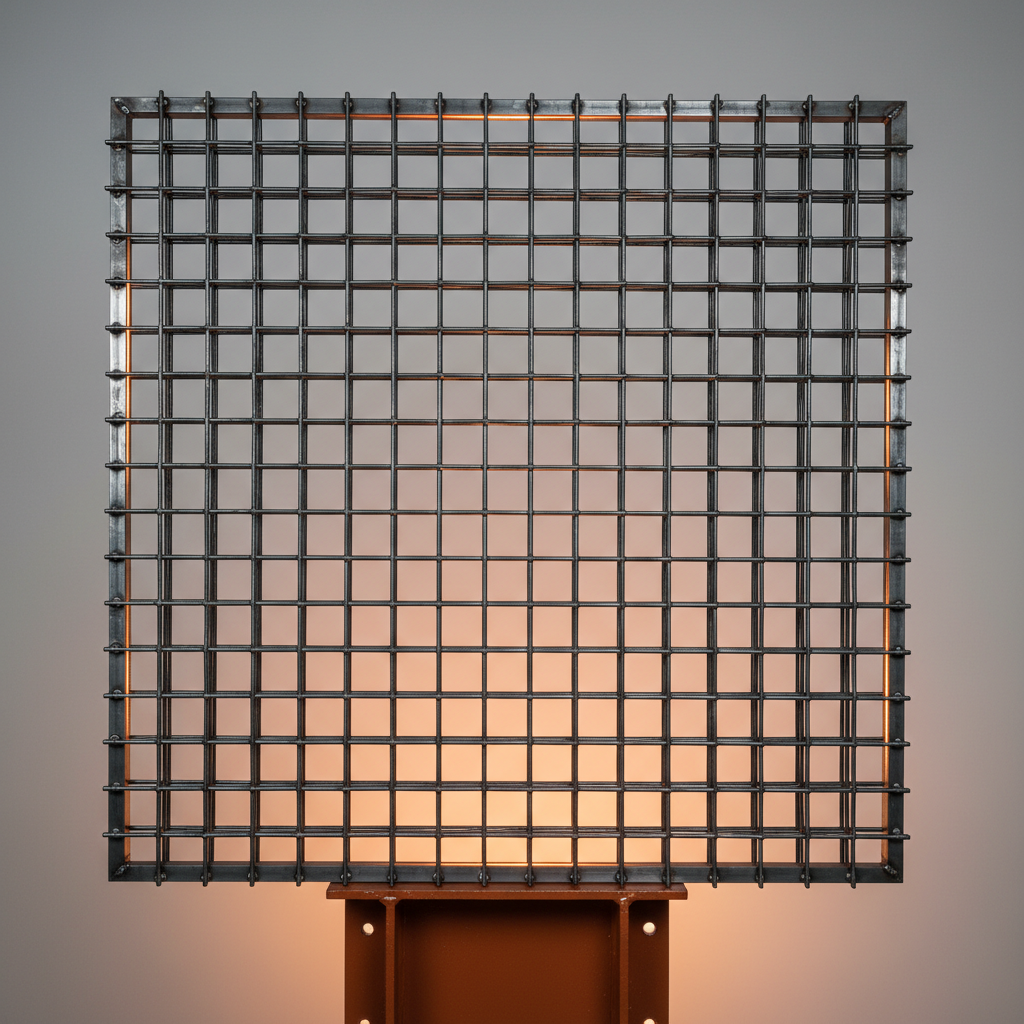 Heavy Duty 6 gauge welded wire mesh for Security and StrengthWhen it comes to heavy-duty containment, security, and structural reinforcement, choosing the right material is critical. The 6 gauge welded wire mesh stands as a premier choice for those requiring a balance of extreme rigidity and precise spacing. Whether you are securing a commercial perimeter, building industrial livestock panels, or creating reinforced concrete structures, this specific thickness provides the structural integrity needed to withstand significant pressure and impact. In this comprehensive guide, we will explore the technical specifications, primary applications, and why this mesh is the gold standard for high-security fencing solutions.Read more >
Apr 16 2026
-
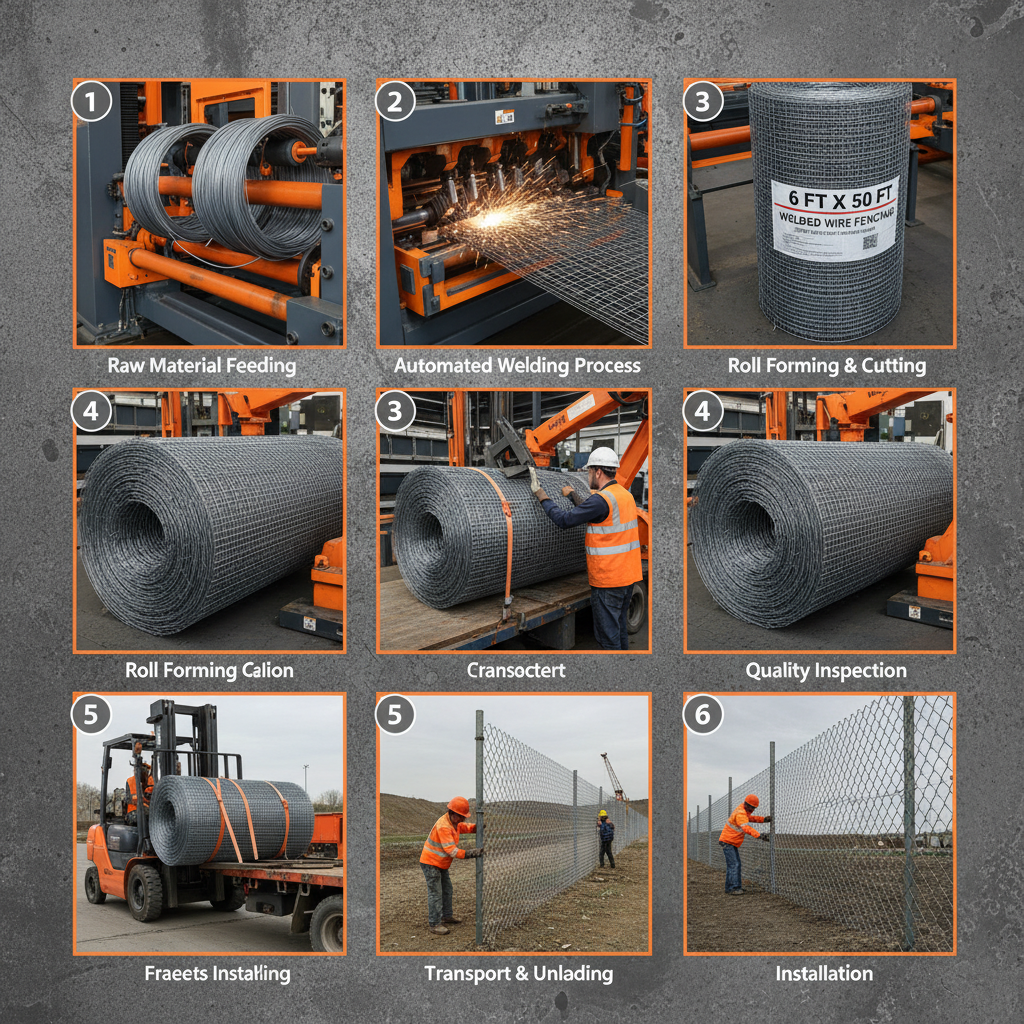 Durable 6 ft x 50 ft welded wire fencing for Security and GardensWhen it comes to securing a perimeter, whether for agricultural use, garden protection, or industrial boundaries, the dimensions and material of your fence matter. The 6 ft x 50 ft welded wire fencing offers an ideal balance of height and length, providing a robust barrier that is easy to install and maintain. Choosing a welded wire system ensures that the intersections are fused together, preventing the shifting and sagging often found in woven alternatives. In this guide, we will explore why this specific size is a preferred choice for property owners and how to maximize its effectiveness for your specific project.Read more >
Apr 09 2026
-
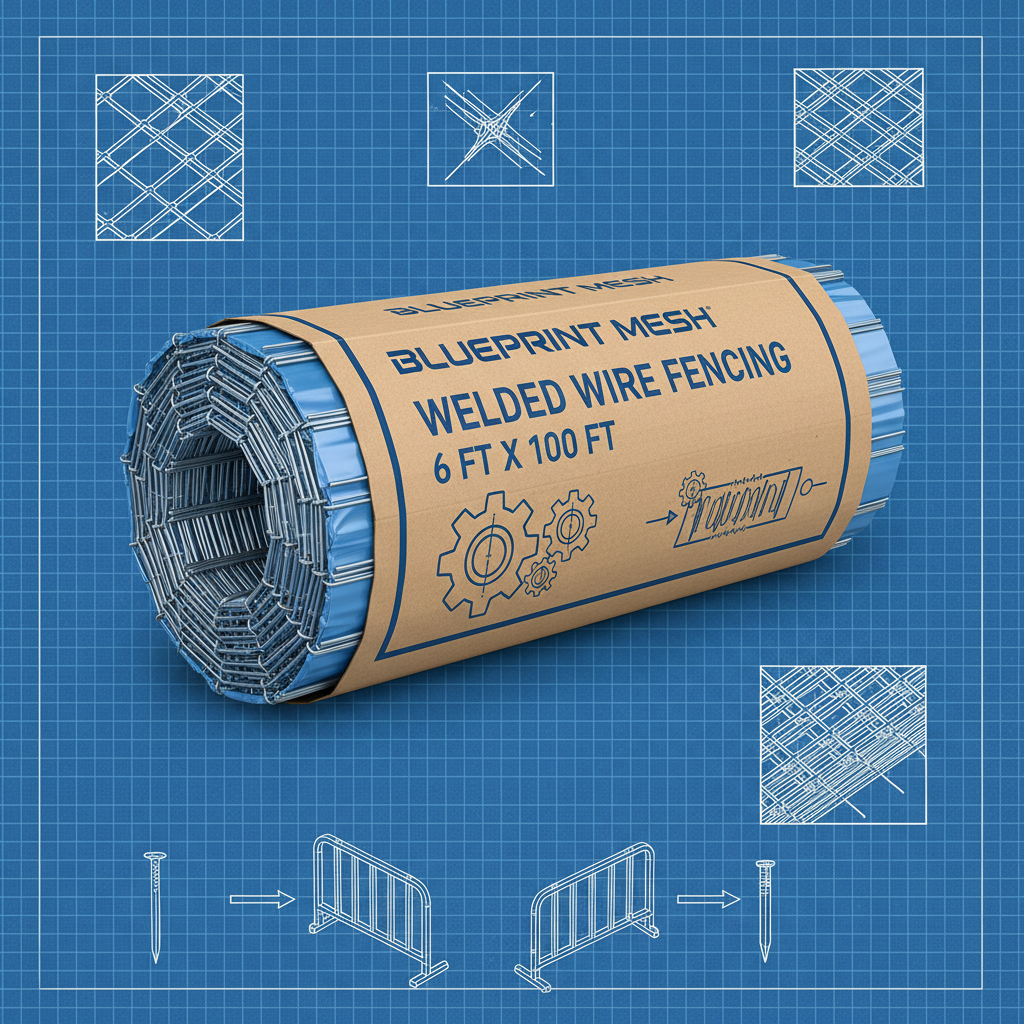 Comprehensive Guide to Choosing the Best 6 ft x 100 ft Welded Wire FencingWelded wire fencing is a versatile and cost-effective solution for a wide range of applications, from agricultural containment to residential security. Understanding the nuances of different types, especially when considering a size like 6 ft x 100 ft welded wire fencing, is crucial for making the right investment. This article will guide you through the essential factors to consider, helping you select the fencing that best suits your specific requirements.Read more >
Apr 07 2026
-
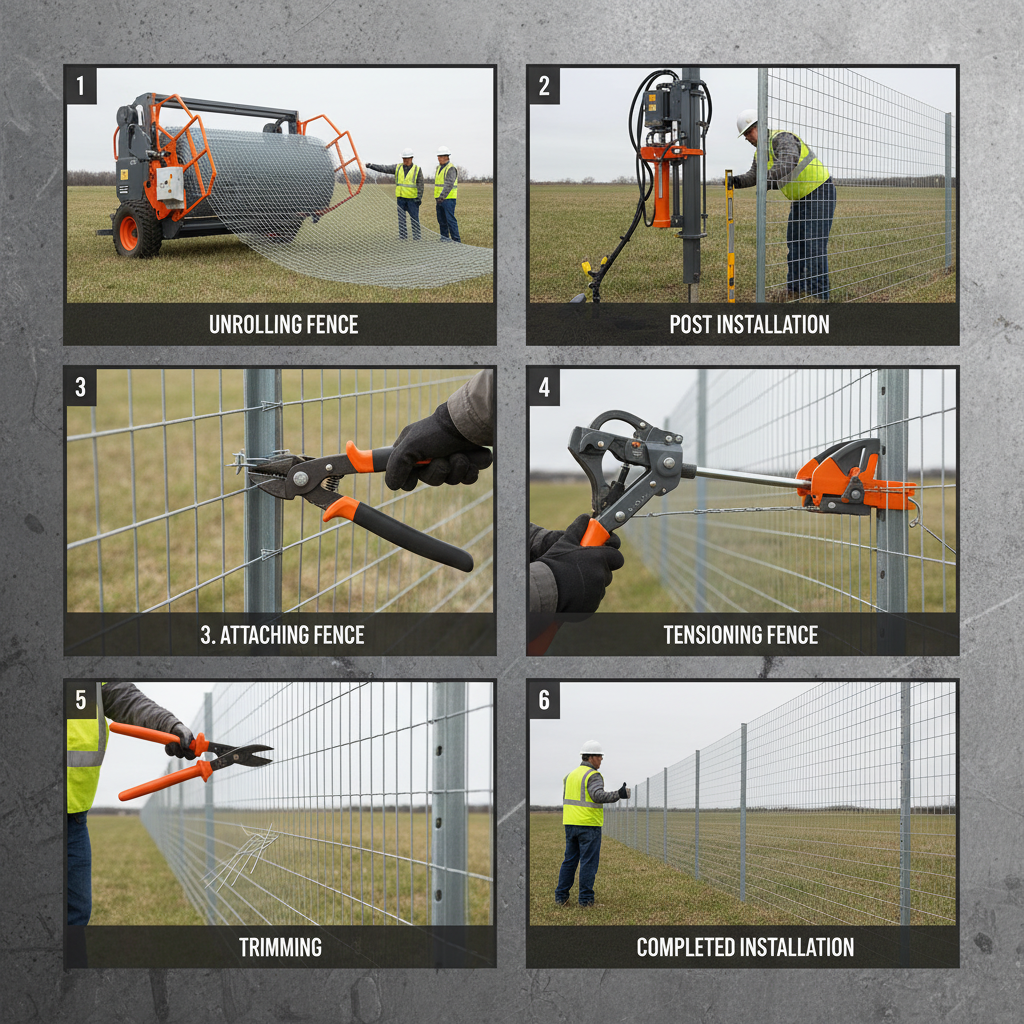 Comprehensive Guide to Choosing a 6 ft x 100 ft 12.5 Gauge Welded Wire FenceSelecting the appropriate fence for your property requires careful consideration. A 6 ft x 100 ft 12.5 gauge welded wire fence offers a robust and versatile solution for a variety of applications, from pet containment to garden protection and security. This guide will explore the benefits, applications, installation tips, and considerations when choosing this type of fencing. Understanding its construction and comparing it to other fencing options will help you make an informed decision.Read more >
Apr 04 2026
-
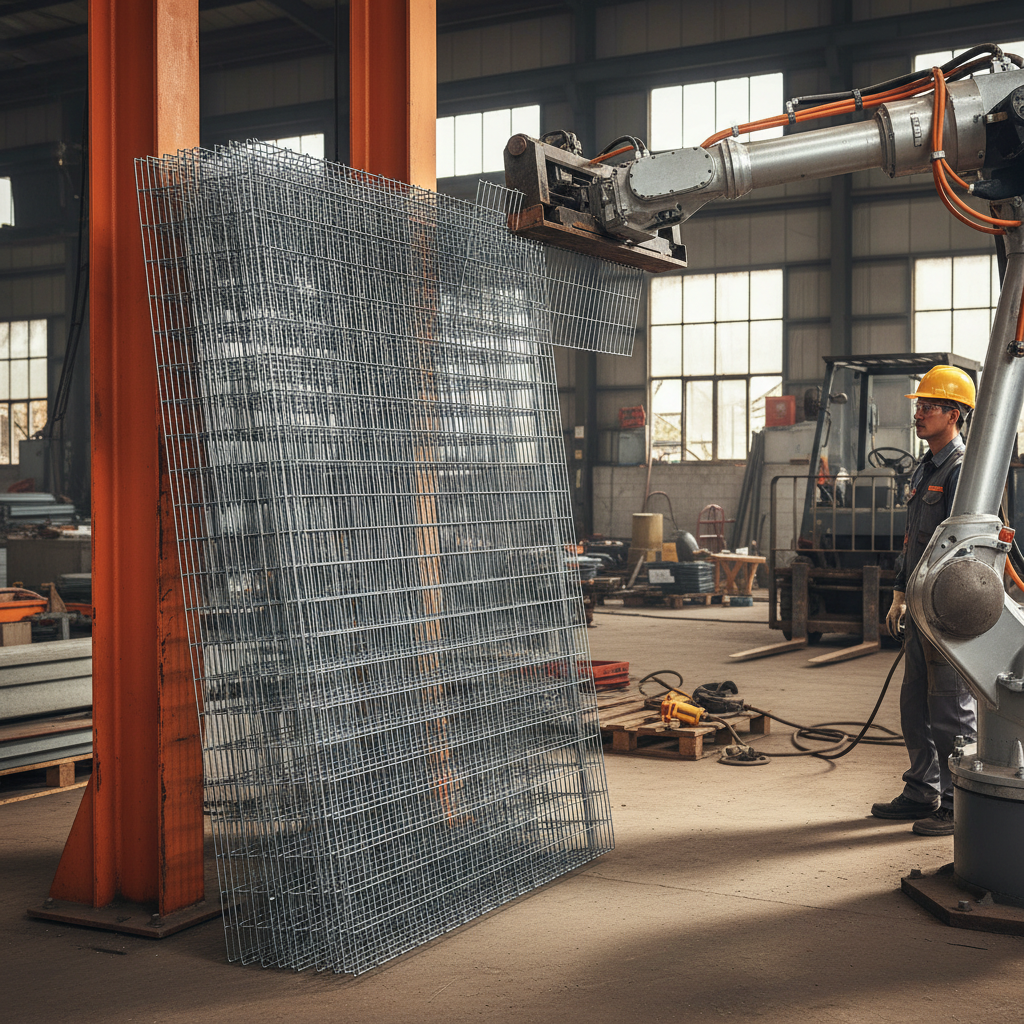 Comprehensive Guide to Durable 6 ft Welded Wire Fencing Panels and ApplicationsWhen selecting fencing for your property, 6 ft welded wire fencing panels offer a robust and versatile solution. These panels combine strength, security, and ease of installation, making them a popular choice for both residential and commercial applications. This article delves into the benefits, applications, installation, and maintenance of these panels, helping you make an informed decision.Read more >
Mar 31 2026