


Durable & Sustainable Plastic Wire Mesh Fencing Solutions for Global Use
Understanding Plastic Wire Mesh Fencing: A Modern Solution for Global Challenges
If you’ve ever wondered about securing a space without the heaviness and rust-prone drawbacks of traditional fencing, plastic wire mesh fencing steps in as a modern solution that’s catching on globally. From industrial sites to humanitarian relief zones, this fencing type is redefining what it means to combine durability, cost-effectiveness, and sustainability — all rolled into one.
Why pay attention? Well, with rising concerns over resource scarcity, corrosion issues in harsh environments, and demands for lightweight yet reliable security barriers, plastic wire mesh fencing isn’t just a niche product—it’s a game-changer addressing challenges that affect millions worldwide.
Global Context: Why Plastic Wire Mesh Fencing Matters Now More Than Ever
The fencing market is often overlooked, but its scale is anything but small. According to recent ISO data and World Bank infrastructure reports, the demand for fencing solutions across agriculture, construction, and humanitarian sectors has grown substantially, especially in regions facing climate challenges or rapid industrialization.
Rusty iron fences just don’t cut it in corrosive coastal areas or places with frequent flooding, which leaves communities vulnerable and infrastructure exposed. Plastic wire mesh fencing, by contrast, offers resistance to moisture, chemicals, and UV exposure — traits that industrial planners and aid organizations find invaluable. For example, in Southeast Asia, flood-prone zones rely heavily on these fences to protect valuable assets without frequent replacement costs.
Yet, there’s a bigger story here: plastic wire mesh fencing also supports environmental sustainability goals by reducing dependence on metals and minimizing waste — making it quite attractive in an era of carbon-conscious infrastructure.
What Exactly Is Plastic Wire Mesh Fencing?
At its core, plastic wire mesh fencing is a type of fencing made from high-strength plastic polymers molded or extruded into interconnected mesh patterns. These can range from tight grids for security to open weaves for visibility and ventilation. Unlike traditional wire fencing, which relies on galvanized steel or iron, this fencing uses materials such as polypropylene or polyethylene, sometimes reinforced with additives to boost UV resistance and elasticity.
Its growing use spans a variety of needs — from agricultural enclosures that keep livestock safe without digging up the ground, to temporary barriers for rapid deployment in emergency situations. Interestingly, many NGOs involved in post-disaster relief operations prefer plastic mesh fences because they’re lightweight, reusable, and don’t corrode — which means they hold up well in rough conditions.
Core Components & Key Features of Plastic Wire Mesh Fencing
Durability
It’s surprisingly robust despite being plastic. The polymers used are often UV-stabilized and chemically resistant, allowing fences to last years without cracking or fading, even under intense sunlight or salty air.
Flexibility & Scalability
Because it’s lightweight, installation is quicker and requires fewer tools. Plus, the mesh panels come in modular sizes, making it scalable from small gardens to sprawling industrial yards.
Cost Efficiency
While initial costs can be a bit higher than some wire options, the drastically reduced maintenance expenses — no rust treatment, minimal repairs — balance the scale quickly.
Environmental Friendliness
Many manufacturers now use recyclable plastics or bio-based polymers, helping to reduce ecological footprints associated with fencing projects.
Safety
No sharp metal edges mean fewer accidents for workers and passersby. This is especially critical in crowded or temporary event settings.
plastic wire mesh fencing is a product many professionals say feels lighter but somehow stronger — a practical mixture that makes sense.Real-World Applications Across Continents
- Agricultural Use: In Europe and North America, farmers protect crops and livestock with plastic mesh fencing that doesn’t rust and is easy to move seasonally.
- Industrial & Construction Sites: Rapidly erected barriers around building zones provide security and safety but can be reused across projects.
- Humanitarian Zones: Post-disaster relief efforts in Southeast Asia and Africa have adopted plastic wire mesh for quickly demarcating safe zones for shelters and medical tents.
- Residential Safety: Homeowners seeking a low-maintenance, corrosion-free fencing option turn increasingly to plastic wire meshes.
A quick case comes from a supplier in the Philippines, where coastal communities use these fences to protect aquaculture farms against poaching and debris without the upkeep nightmare of metal.
Mini takeaway: the fencing is flexible enough to fit local needs, robust enough to last under tough conditions, and impressively adaptable.
What Makes Plastic Wire Mesh Fencing Really Stand Out?
- Longevity: These fences endure extreme environments without major wear or rust.
- Cost-effectiveness: Over a 5–10 year lifecycle, they generally prove cheaper than metal alternatives.
- Sustainability: Reduced metal use and recyclable materials contribute to greener infrastructure.
- Safety & Trust: Safer edges boost worker confidence; predictable performance ensures fewer replacements.
- Innovation: New coatings and composites push boundaries, introducing color options, anti-microbial surfaces, and integration with sensor tech.
Product Specification Table
| Specification | Typical Value | Notes |
|---|---|---|
| Material | UV-stabilized Polyethylene | Resists sun & salt water degradation |
| Mesh Size | 25 mm × 25 mm (1" ×1") or customizable | Adjustable based on security needs |
| Panel Size | 2 m × 1 m standard | Modular for easy installation |
| Weight per Panel | Approx. 3.5 kg (7.7 lbs) | Light enough for one person to carry |
| Lifespan | 10+ years under normal environmental exposure | Depends on geographical and usage factors |
Comparing Top Suppliers of Plastic Wire Mesh Fencing
| Vendor | Material Quality | Customization Options | Pricing | Delivery Speed |
|---|---|---|---|---|
| CHCH Fence Co. | High-grade UV stabilized polymers | Custom mesh sizes and colors | Mid-range, volume discounts | Typically 2-3 weeks |
| PolyMesh Industries | Standard-grade polymers | Limited custom options | More affordable for small orders | 1-2 weeks |
| EcoFence Solutions | Bio-based, recyclable polymers | Custom eco-friendly blends | Premium pricing | 3-4 weeks |
Future-Looking: Innovations on the Horizon
New polymer blends with nano-coatings promise even greater weather resistance and possibly self-cleaning surfaces. Some companies are exploring integrated RFID tags or IoT sensors embedded right in the mesh to monitor fence integrity or access automatically — turning passive fencing into active security tools.
There’s also the push toward 100% bio-based polymers that bio-degrade fully at end-of-life but still hold up years during use. Frankly, the eco angle is gaining traction as corporations want to show genuine commitment, not just lip service.
Challenges Facing Plastic Wire Mesh Fencing
It’s not all perfect. Early versions could warp under extreme heat, and some plastics still struggle with heavy mechanical impact compared to steel. Recycling infrastructure isn’t uniform globally, leading to waste processing challenges.
Experts suggest combined hybrid fences or adding steel reinforcements strategically for high-impact zones as practical compromises. Others recommend looking at the supply chain for closed-loop recycling to keep materials in play longer.
FAQs: Your Questions About Plastic Wire Mesh Fencing Answered
- What makes plastic wire mesh fencing better than traditional metal fences?
- Plastic mesh fences resist rust, require less maintenance, are lightweight, and safer due to no sharp edges — making them more user-friendly and long-lasting in many environments.
- Can the plastic mesh be customized for different security levels?
- Absolutely. Panel size, mesh aperture, thickness, and color can be tailored to balance visibility and security, from simple garden fencing to high-security installations.
- How long does plastic wire mesh fencing last in harsh environments?
- With UV stabilization and proper maintenance, these fences can easily last 10 years or more, even under intense sun, heavy rain, or coastal conditions.
- Is plastic wire mesh fencing environmentally responsible?
- Many manufacturers now use recyclable or bio-based plastics, and the reduced metal usage lowers carbon footprint. However, recycling depends on local infrastructure.
- How can I source plastic wire mesh fencing internationally?
- Most leading vendors offer global shipping options. Look for suppliers with export experience, provide technical support, and can customize for your local standards — such as plastic wire mesh fencing.
Wrapping Up: Why Plastic Wire Mesh Fencing Is Poised for Growth
Plastic wire mesh fencing is more than a material innovation — it’s an answer to practical dilemmas spanning climate challenges, economic constraints, and safety considerations worldwide. Whether you’re securing an industrial zone or setting up post-disaster relief perimeters, the ability to deploy a lightweight, durable, and sustainable fence that’s easy on the wallet carries huge benefits.
If you’re curious to see what cutting-edge plastic wire mesh fencing looks like, or want to explore customized solutions for your projects, visit our website for more details and expert advice.
Mini takeaway: The fusion of flexibility, longevity, and green technology here is worth paying attention to — this is fencing that thinks ahead.
References:
1. ISO - Fencing standards overview
2. World Bank Infrastructure Reports 2023
3. Wikipedia - Wire Mesh Fence
Latest News About CHENG CHUANG
-
 Heavy Duty 6 gauge welded wire mesh for Security and StrengthWhen it comes to heavy-duty containment, security, and structural reinforcement, choosing the right material is critical. The 6 gauge welded wire mesh stands as a premier choice for those requiring a balance of extreme rigidity and precise spacing. Whether you are securing a commercial perimeter, building industrial livestock panels, or creating reinforced concrete structures, this specific thickness provides the structural integrity needed to withstand significant pressure and impact. In this comprehensive guide, we will explore the technical specifications, primary applications, and why this mesh is the gold standard for high-security fencing solutions.Read more >
Apr 16 2026
-
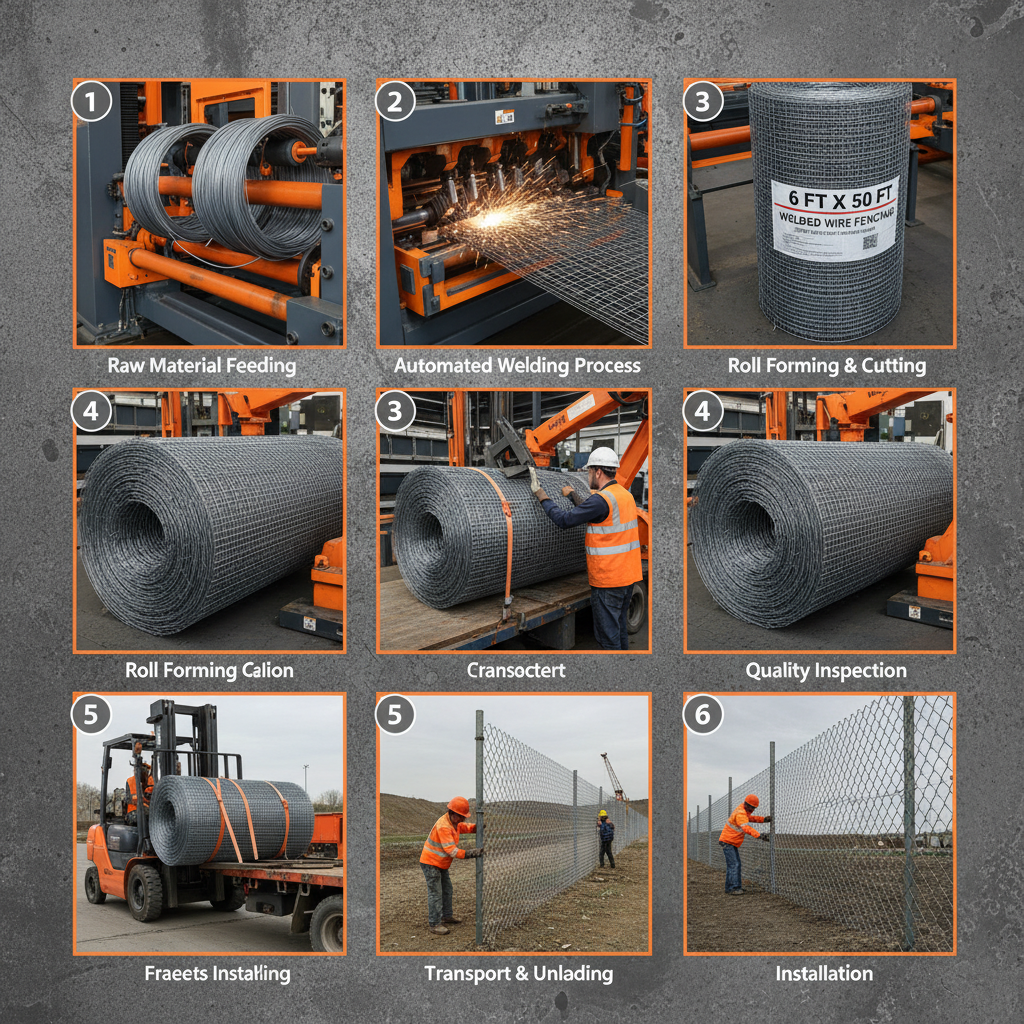 Durable 6 ft x 50 ft welded wire fencing for Security and GardensWhen it comes to securing a perimeter, whether for agricultural use, garden protection, or industrial boundaries, the dimensions and material of your fence matter. The 6 ft x 50 ft welded wire fencing offers an ideal balance of height and length, providing a robust barrier that is easy to install and maintain. Choosing a welded wire system ensures that the intersections are fused together, preventing the shifting and sagging often found in woven alternatives. In this guide, we will explore why this specific size is a preferred choice for property owners and how to maximize its effectiveness for your specific project.Read more >
Apr 09 2026
-
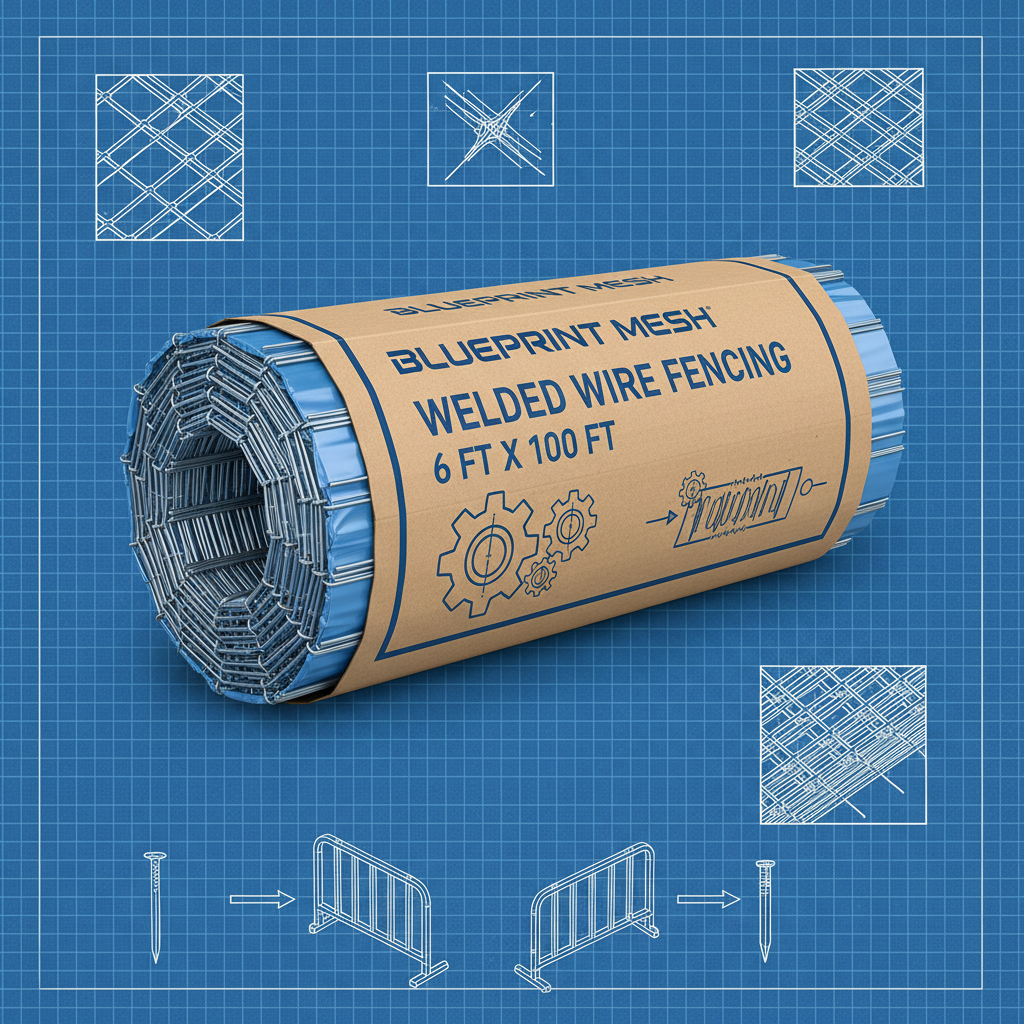 Comprehensive Guide to Choosing the Best 6 ft x 100 ft Welded Wire FencingWelded wire fencing is a versatile and cost-effective solution for a wide range of applications, from agricultural containment to residential security. Understanding the nuances of different types, especially when considering a size like 6 ft x 100 ft welded wire fencing, is crucial for making the right investment. This article will guide you through the essential factors to consider, helping you select the fencing that best suits your specific requirements.Read more >
Apr 07 2026
-
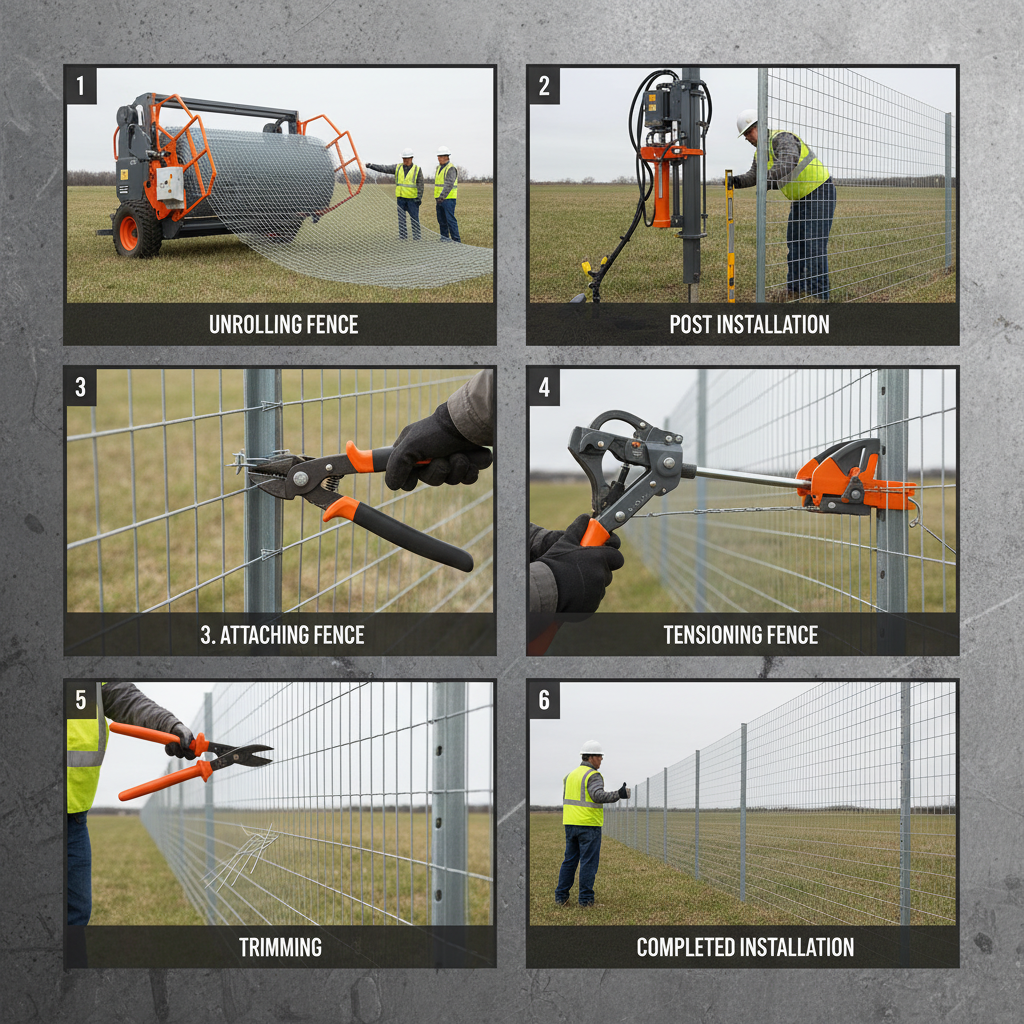 Comprehensive Guide to Choosing a 6 ft x 100 ft 12.5 Gauge Welded Wire FenceSelecting the appropriate fence for your property requires careful consideration. A 6 ft x 100 ft 12.5 gauge welded wire fence offers a robust and versatile solution for a variety of applications, from pet containment to garden protection and security. This guide will explore the benefits, applications, installation tips, and considerations when choosing this type of fencing. Understanding its construction and comparing it to other fencing options will help you make an informed decision.Read more >
Apr 04 2026
-
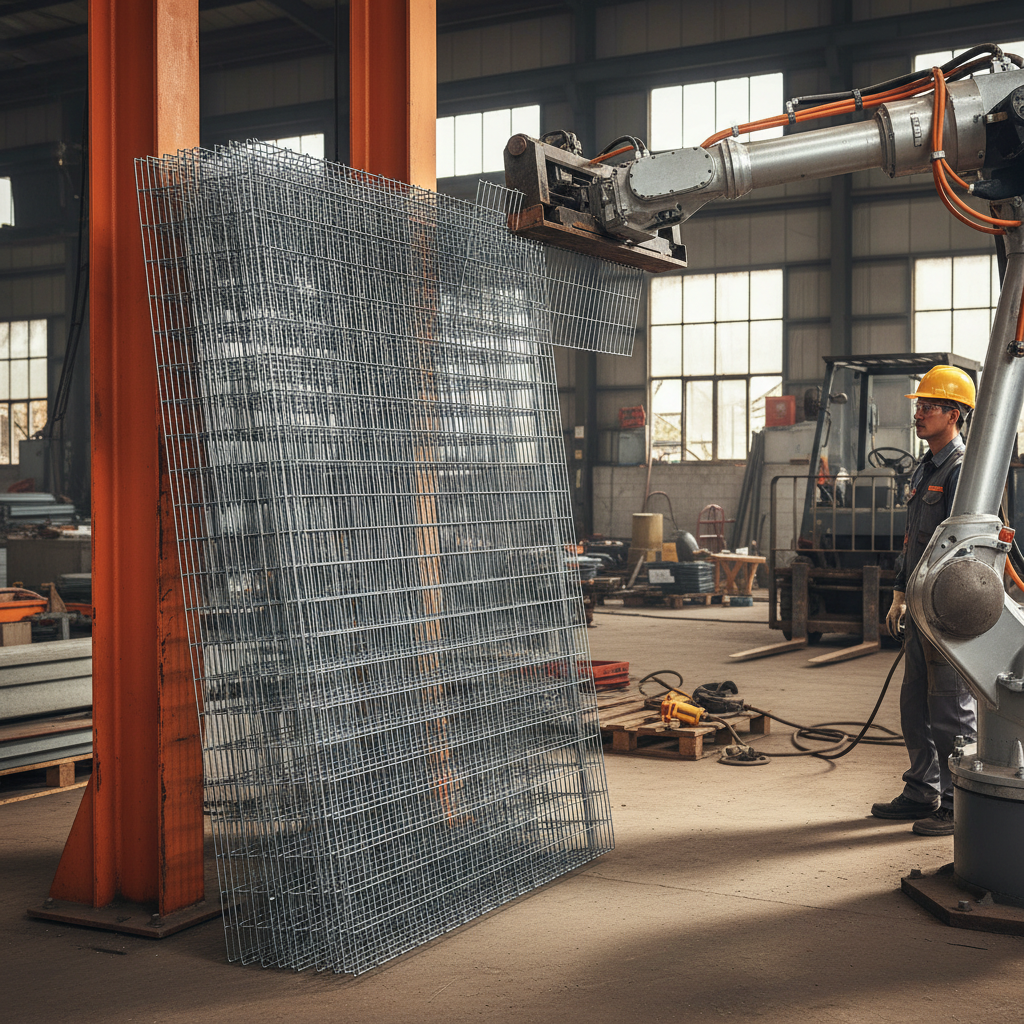 Comprehensive Guide to Durable 6 ft Welded Wire Fencing Panels and ApplicationsWhen selecting fencing for your property, 6 ft welded wire fencing panels offer a robust and versatile solution. These panels combine strength, security, and ease of installation, making them a popular choice for both residential and commercial applications. This article delves into the benefits, applications, installation, and maintenance of these panels, helping you make an informed decision.Read more >
Mar 31 2026