


Durable Iron Wire Mesh Solutions for Construction, Agriculture & Industry | CHCH Fence
Understanding Iron Wire Mesh: Its Global Importance and Benefits
Iron wire mesh might sound like something you encounter only on construction sites or behind industrial fences, but its significance runs much deeper—and broader—on a truly global scale. From reinforcing concrete in skyscrapers to creating barriers for humanitarian projects, iron wire mesh serves as a backbone to modern infrastructure and safety systems. Grasping what it is, why it matters, and the tangible benefits it offers can open the door to smarter applications—and frankly, better planning in sectors ranging from agriculture to disaster relief.
Simply put, iron wire mesh is everywhere you look, quietly securing, protecting, and supporting. As we navigate the challenges of urbanization, climate change, and resource management, understanding this material’s versatility becomes more than technical curiosity—it becomes key to shaping resilient communities and industries worldwide.
Why Iron Wire Mesh Holds Global Relevance Today
Globally, the demand for iron wire mesh is soaring. According to the International Organization for Standardization (ISO), the steel and iron mesh industry is expected to grow around 5% annually through the next decade. This growth reflects expanding urban centers needing robust construction materials and agriculture industries aiming to improve efficiency and protect crops.
But the story isn’t just growth; it’s about addressing challenges. With over 55% of the global population now living in urban areas (UN, 2023), the need for cost-effective, durable fencing, reinforcement, and protective mesh solutions is massive. Flood control, erosion prevention, security barriers, and disaster relief enclosures all lean heavily on iron wire mesh technologies. These challenges underline why the world has increasingly turned to iron wire mesh as one of the most adaptable and reliable materials available.
So, What Exactly Is Iron Wire Mesh?
At its simplest, iron wire mesh is a grid or network made from thin, flexible iron wires woven or welded together to form sheets or rolls. Think of it as a metallic fabric that can be shaped, cut, and installed to fit pretty much any requirement.
This material’s magic lies in its blend of strength and breathability. It reinforces concrete in building foundations, secures perimeters, and allows air or water passage where needed. In humanitarian contexts, it’s often used to build temporary shelters, animal enclosures, or even protective barriers in refugee camps. Its cost efficiency paired with durability allows relief organizations to deploy solutions swiftly yet reliably.
Iron wire mesh is thus a silent partner in constructing the modern world—it’s where raw strength meets incredible versatility.
Key Aspects of Iron Wire Mesh You Should Know
Durability
Iron is well-known for its endurance, especially when galvanized or otherwise treated to resist rust and corrosion. This means iron wire mesh can last decades outdoors, making it perfect for construction and agricultural applications where long-term reliability counts.
Scalability & Flexibility
Wire mesh is produced in rolls or pre-cut sheets, which means it can fit small garden fences or massive industrial projects. This scalability makes it supremely adaptable, whether it’s a small farm or a sprawling mine.
Cost Efficiency
Compared to custom metalwork or solid sheets, iron wire mesh is extremely budget-friendly. Its lightweight nature cuts transportation costs, and labor time decreases because it’s easy to install or modify.
Security & Protection
The physical barrier created by tightly joined iron wires provides a strong deterrent against intruders, pests, or falling debris. It’s widely used in securing property or livestock without creating a totally closed-off environment.
Sustainability
Most iron wire mesh is recyclable, which certainly aids sustainability goals. Some manufacturers now incorporate post-industrial or scrap iron, reducing environmental impact.
Real-World Uses of Iron Wire Mesh Across the Globe
It’s fascinating how iron wire mesh finds its place across continents and industries:
- Construction: Reinforcing concrete slabs and walls, especially in seismic zones like Japan and Chile.
- Agriculture: Protecting crops and animals from wild animals in sub-Saharan Africa.
- Disaster Relief: Handy for creating temporary shelters or quick-fix fences in hurricane-affected Caribbean islands.
- Mining & Industry: Safety screens and conveyor belt coverings in Australia’s vast mining operations.
- Urban Development: Public park fencing and crowd control during large-scale events in Europe.
In each use case, it provides an elegant balance of security, airflow, and affordability, unlike bulkier or more expensive alternatives.
Mini Takeaway: Iron wire mesh is a go-to for sectors requiring durable but flexible protection solutions. The material’s ubiquity lies in its adaptability worldwide.
The Long-Term Value of Iron Wire Mesh
Beyond upfront costs, iron wire mesh delivers value in less obvious ways. Its longevity means less frequent replacements, saving money and resources. Also, its open design helps preserve visibility and airflow, which contributes to safety and environmental comfort.
For communities, especially in vulnerable areas, the mesh represents safety and dignity—protecting families, livestock, and crops without isolating them. On a broader scale, its recyclability aligns with global pushes toward greener industrial practices.
In summary, it’s not just about metal and wires—it’s about the invisible benefits that come with stability and trust in infrastructure.
Innovations and Trends Shaping Iron Wire Mesh’s Future
Even a "traditional" product like iron wire mesh is evolving thanks to technology and activism:
- Galvanization & Coating Advances: New rust-resistant coatings last longer in harsh environments.
- Automation in Production: Robotic weaving and welding allow complex patterns for specialized uses.
- Eco-Friendly Materials: Introduction of recycled or low-carbon iron reduces environmental footprints.
- Smart Mesh Systems: Embedded sensors that monitor tension or structural integrity, ideal for critical infrastructure.
Clearly, the mesh won’t just protect buildings and farms; it’s slowly becoming smarter and greener in the process.
Common Challenges and How to Overcome Them
No material is perfect. Iron wire mesh can sometimes suffer from rust if protective coatings fail, or it might be less effective if improperly installed. But clever engineering and material science have pushed back on these issues:
- Improved Galvanizing Processes: Industry leaders now guarantee decades-long rust resistance.
- Modular Installation Kits: Make onsite assembly quicker and more secure.
- Hybrid Meshes: Combining iron with other metals for enhanced strength and weatherproofing.
The balance is right—with ongoing innovation, the traditional weakness of iron wire mesh is steadily disappearing.
FAQ: Answering Your Top Questions About Iron Wire Mesh
- What are the key differences between iron wire mesh and stainless steel mesh?
- While iron wire mesh is generally more affordable and easier to customize, stainless steel offers higher corrosion resistance and longevity in harsh environments. However, iron mesh with galvanization closes this gap significantly for many standard applications.
- How long does iron wire mesh typically last outdoors?
- When properly galvanized or coated, iron wire mesh can last 20–30 years outdoors. Environmental factors like humidity, salt exposure, and maintenance impact longevity.
- Is iron wire mesh suitable for fencing livestock?
- Yes, it’s widely used for livestock fencing due to its strength and flexibility. It keeps animals safe while offering some airflow and visibility.
- Can iron wire mesh be recycled?
- Absolutely. Iron wire mesh is 100% recyclable, and many suppliers encourage recycling scrap material to reduce environmental impact.
- Where can I buy high-quality iron wire mesh?
- You can explore reputable suppliers such as iron wire mesh vendors that guarantee quality via industry certifications and testing procedures.
Iron Wire Mesh: Wrapping It Up and Next Steps
Iron wire mesh quietly supports the backbone of global infrastructure, agriculture, and humanitarian efforts. Its unbeatable mix of durability, flexibility, and affordability means it’s essential—now and well into the future.
If you’re planning on upgrading your construction or agricultural fencing, or need a reliable solution for industrial or relief projects, iron wire mesh is a sound choice that lasts and adapts.
Curious? Visit our website to explore trusted iron wire mesh products that suit a variety of needs.
Specifications Table: Typical Iron Wire Mesh Product
| Specification | Details |
|---|---|
| Material | Low carbon iron, galvanized |
| Wire Diameter | 1.2 mm – 5.0 mm |
| Mesh Size | 10 x 10 mm to 50 x 50 mm |
| Coating | Hot-dip galvanization or PVC coating available |
| Roll Size | 1m x 30m or custom cuts upon request |
| Tensile Strength | 350 – 480 MPa |
Vendor Comparison Table: Popular Iron Wire Mesh Suppliers
| Supplier | Pricing | Customization | Quality Certifications | Global Shipping |
|---|---|---|---|---|
| CHCH Fence Co. | Competitive, volume discounts | Yes, custom roll sizes & coatings | ISO 9001, ASTM-certified | Worldwide |
| Global Mesh Solutions | Mid-range | Standard sizes only | CE certified | Select countries |
| SteelGrid Inc. | Premium pricing | Wide customization | UL and ISO certified | Global |
Mini Takeaway: Choosing the right iron wire mesh vendor can impact long-term project success due to factors like certification, customization flexibility, and shipping logistics.
Final Reflection
One might underestimate iron wire mesh as “just” steel grids, but it’s fascinating to realize how essential this material is to so many evolving industries and efforts worldwide. From harboring crops in Africa to shielding new skyscrapers in Asia, iron wire mesh quietly stands guard, promising safety and stability.
And as sustainable practices and advanced tech continue to reshape materials, iron wire mesh seems poised to stay relevant, adapting subtly behind the scenes. Rather an unsung hero, if you ask me.
References
Latest News About CHENG CHUANG
-
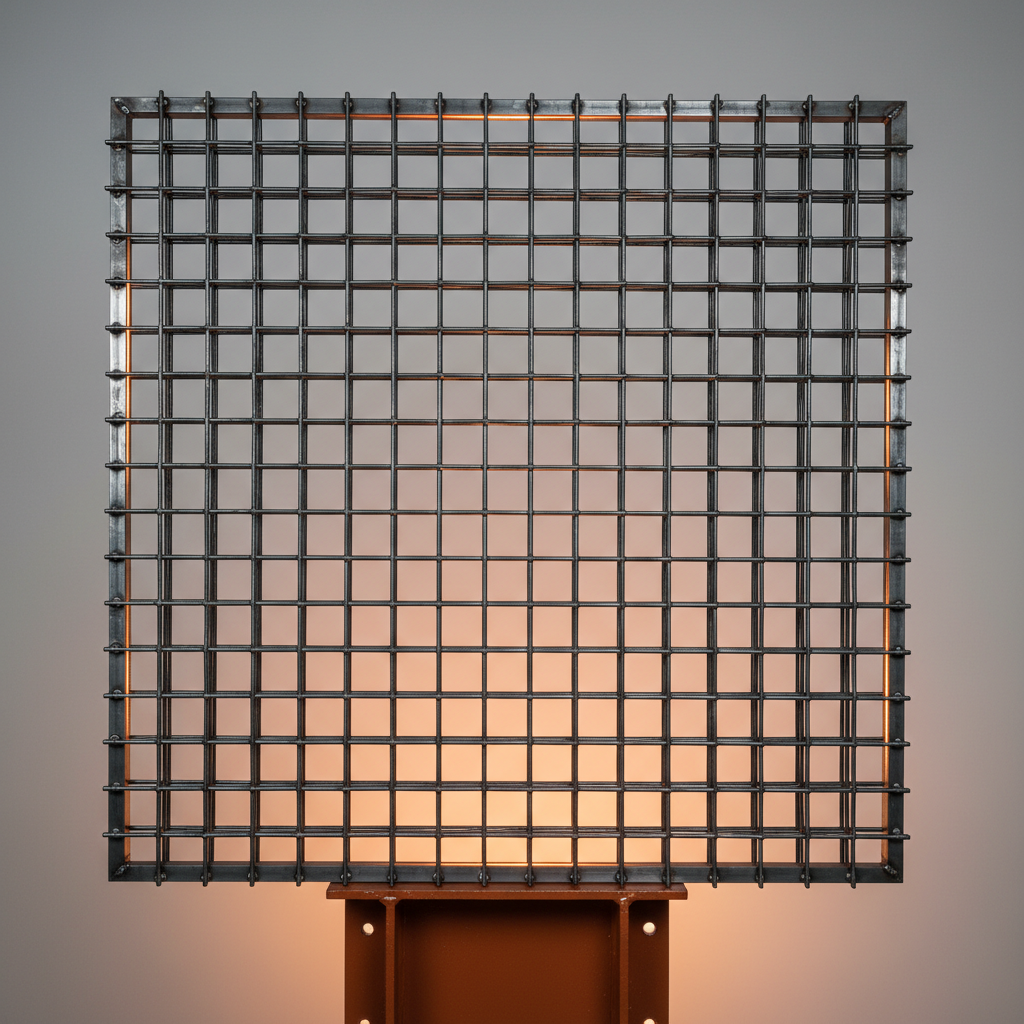 Heavy Duty 6 gauge welded wire mesh for Security and StrengthWhen it comes to heavy-duty containment, security, and structural reinforcement, choosing the right material is critical. The 6 gauge welded wire mesh stands as a premier choice for those requiring a balance of extreme rigidity and precise spacing. Whether you are securing a commercial perimeter, building industrial livestock panels, or creating reinforced concrete structures, this specific thickness provides the structural integrity needed to withstand significant pressure and impact. In this comprehensive guide, we will explore the technical specifications, primary applications, and why this mesh is the gold standard for high-security fencing solutions.Read more >
Apr 16 2026
-
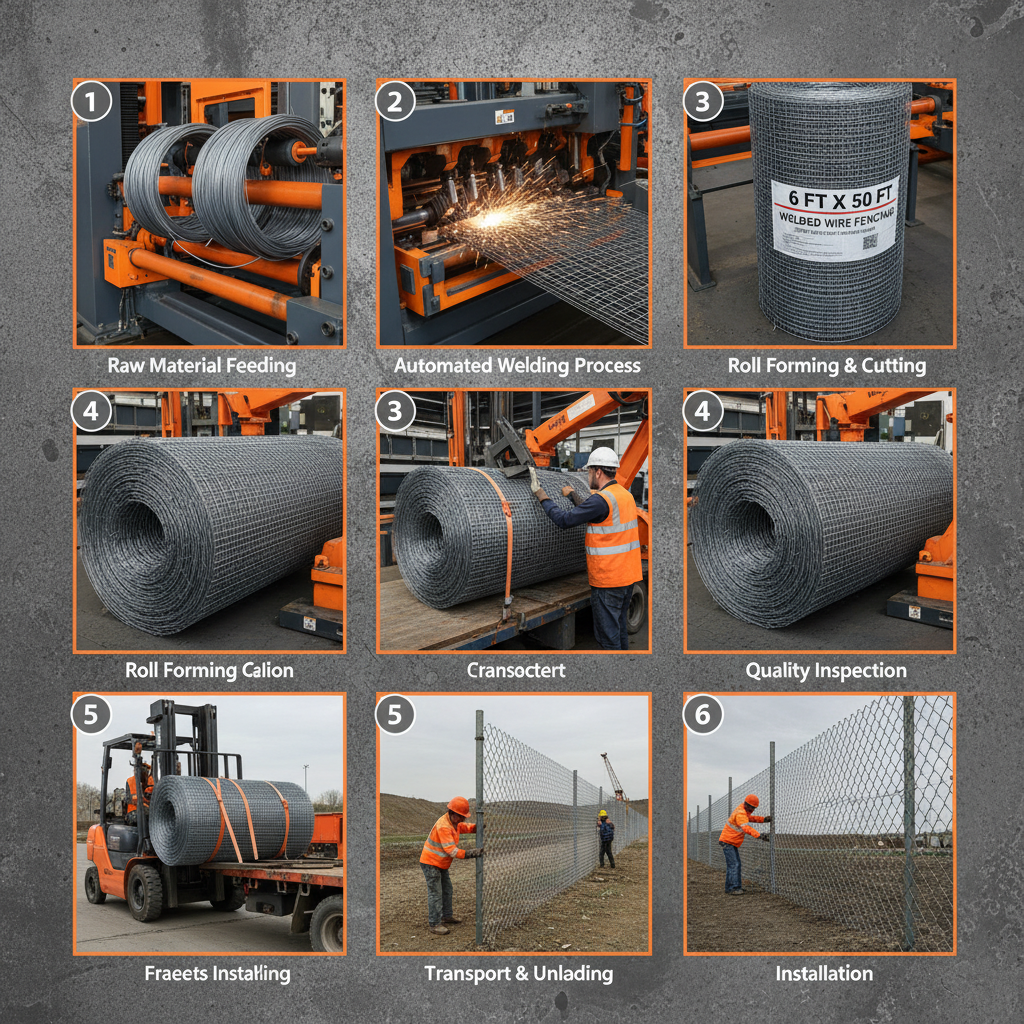 Durable 6 ft x 50 ft welded wire fencing for Security and GardensWhen it comes to securing a perimeter, whether for agricultural use, garden protection, or industrial boundaries, the dimensions and material of your fence matter. The 6 ft x 50 ft welded wire fencing offers an ideal balance of height and length, providing a robust barrier that is easy to install and maintain. Choosing a welded wire system ensures that the intersections are fused together, preventing the shifting and sagging often found in woven alternatives. In this guide, we will explore why this specific size is a preferred choice for property owners and how to maximize its effectiveness for your specific project.Read more >
Apr 09 2026
-
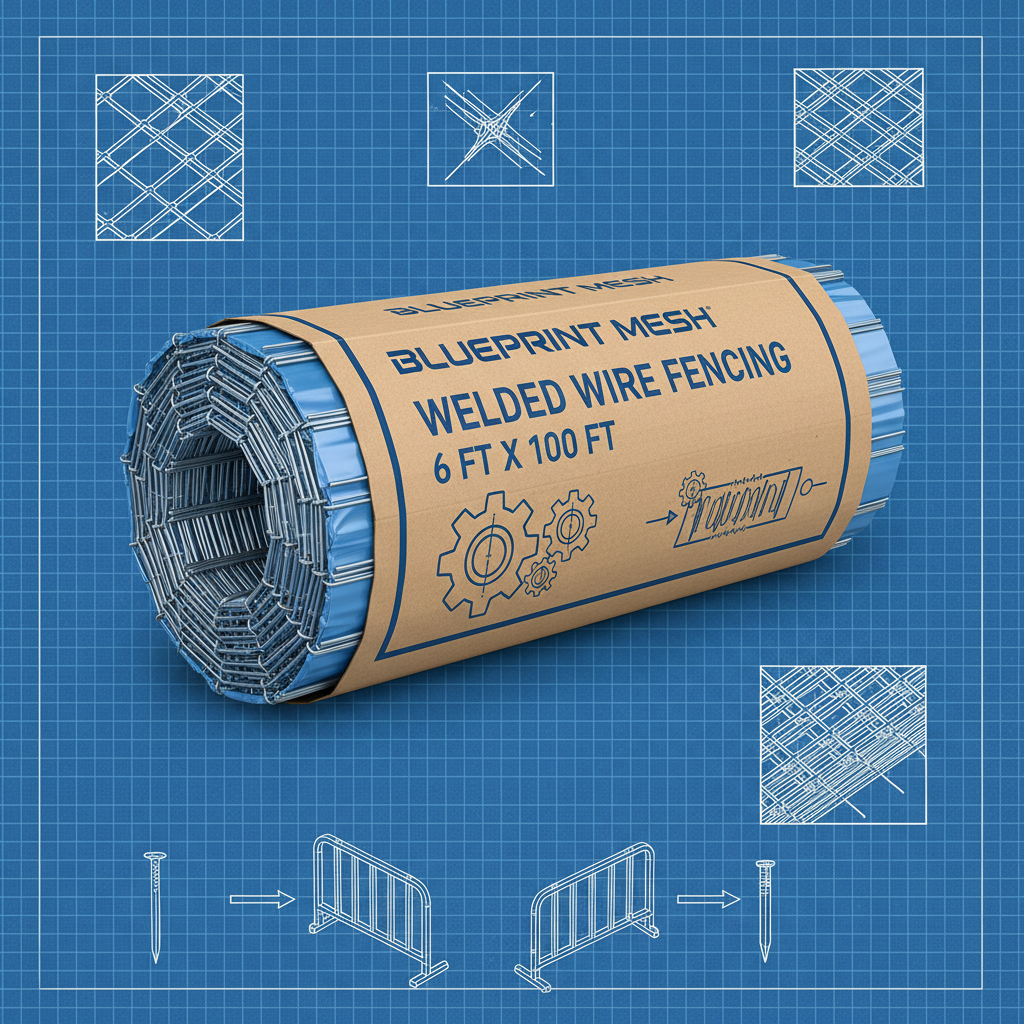 Comprehensive Guide to Choosing the Best 6 ft x 100 ft Welded Wire FencingWelded wire fencing is a versatile and cost-effective solution for a wide range of applications, from agricultural containment to residential security. Understanding the nuances of different types, especially when considering a size like 6 ft x 100 ft welded wire fencing, is crucial for making the right investment. This article will guide you through the essential factors to consider, helping you select the fencing that best suits your specific requirements.Read more >
Apr 07 2026
-
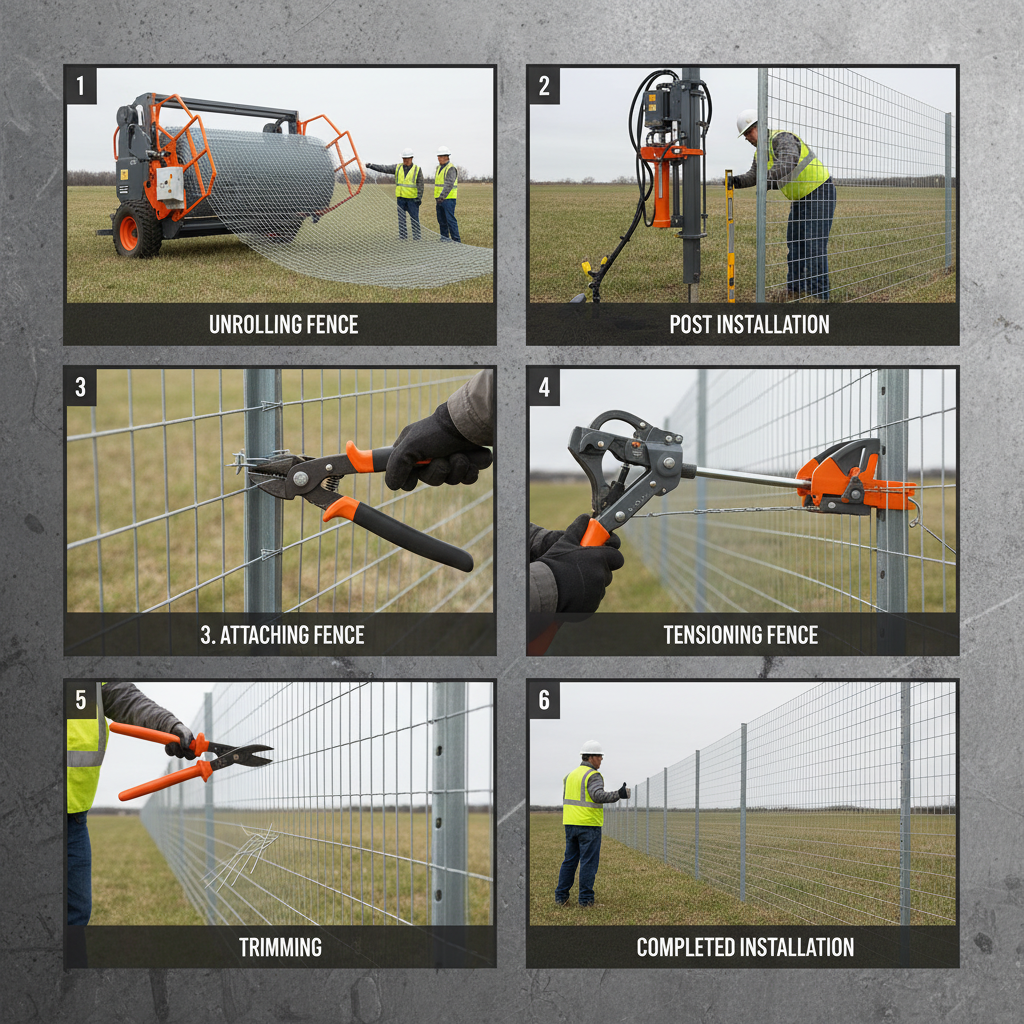 Comprehensive Guide to Choosing a 6 ft x 100 ft 12.5 Gauge Welded Wire FenceSelecting the appropriate fence for your property requires careful consideration. A 6 ft x 100 ft 12.5 gauge welded wire fence offers a robust and versatile solution for a variety of applications, from pet containment to garden protection and security. This guide will explore the benefits, applications, installation tips, and considerations when choosing this type of fencing. Understanding its construction and comparing it to other fencing options will help you make an informed decision.Read more >
Apr 04 2026
-
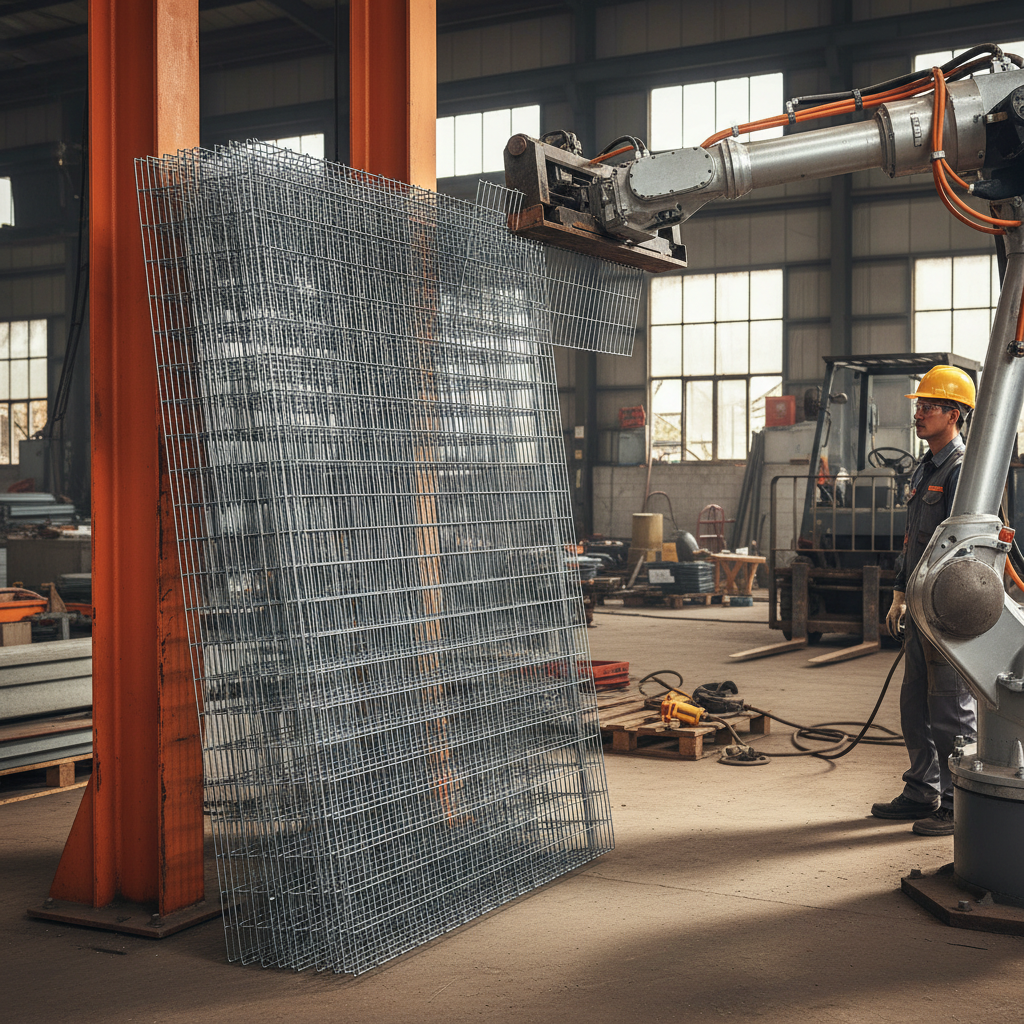 Comprehensive Guide to Durable 6 ft Welded Wire Fencing Panels and ApplicationsWhen selecting fencing for your property, 6 ft welded wire fencing panels offer a robust and versatile solution. These panels combine strength, security, and ease of installation, making them a popular choice for both residential and commercial applications. This article delves into the benefits, applications, installation, and maintenance of these panels, helping you make an informed decision.Read more >
Mar 31 2026