

- Afrikaans
- Albanian
- Amharic
- Arabic
- Armenian
- Azerbaijani
- Basque
- Belarusian
- Bengali
- Bosnian
- Bulgarian
- Catalan
- Cebuano
- China
- China (Taiwan)
- Corsican
- Croatian
- Czech
- Danish
- Dutch
- English
- Esperanto
- Estonian
- Finnish
- French
- Frisian
- Galician
- Georgian
- German
- Greek
- Gujarati
- Haitian Creole
- hausa
- hawaiian
- Hebrew
- Hindi
- Miao
- Hungarian
- Icelandic
- igbo
- Indonesian
- irish
- Italian
- Japanese
- Javanese
- Kannada
- kazakh
- Khmer
- Rwandese
- Korean
- Kurdish
- Kyrgyz
- Lao
- Latin
- Latvian
- Lithuanian
- Luxembourgish
- Macedonian
- Malgashi
- Malay
- Malayalam
- Maltese
- Maori
- Marathi
- Mongolian
- Myanmar
- Nepali
- Norwegian
- Norwegian
- Occitan
- Pashto
- Persian
- Polish
- Portuguese
- Punjabi
- Romanian
- Russian
- Samoan
- Scottish Gaelic
- Serbian
- Sesotho
- Shona
- Sindhi
- Sinhala
- Slovak
- Slovenian
- Somali
- Spanish
- Sundanese
- Swahili
- Swedish
- Tagalog
- Tajik
- Tamil
- Tatar
- Telugu
- Thai
- Turkish
- Turkmen
- Ukrainian
- Urdu
- Uighur
- Uzbek
- Vietnamese
- Welsh
- Bantu
- Yiddish
- Yoruba

Durable Horse Fence Panels For Sale - Secure & Affordable
Ensuring the safety and well-being of horses is paramount for any equestrian enthusiast or facility owner. The foundation of this safety often lies in the quality of the fencing. When considering the ideal enclosure, the conversation invariably turns to robust, reliable, and aesthetically pleasing solutions. Among these, horse fence panels for sale stand out as a highly versatile and effective option. These panels offer modularity, strength, and ease of installation, making them a preferred choice for various equine applications, from temporary paddocks to permanent arenas. Understanding the nuances of these fencing solutions, including their construction, material science, and application, is crucial for making an informed decision that secures your valuable livestock.
Industry Trends and Innovations in Equine Fencing
The equine fencing market is continually evolving, driven by advancements in materials science, manufacturing techniques, and a growing emphasis on sustainability and animal welfare. Key trends indicate a shift towards more durable, low-maintenance, and eco-friendly solutions. For instance, while traditional wood fencing still holds its charm, the demand for resilient alternatives like steel and high-tensile wire is surging due to their extended lifespan and reduced upkeep. The market for horse fence panels for sale specifically is seeing growth as owners seek quick-to-deploy, flexible, and robust options that can withstand harsh weather conditions and the rigorous demands of active horses.
Technological innovations are also playing a significant role. Manufacturers are integrating advanced coatings, such as zinc-aluminum alloys (Galfan) or specialized powder coatings, to enhance corrosion resistance and UV stability. There's also a rising interest in "smart fencing" solutions, incorporating sensors for monitoring fence integrity or even tracking animal movement, though these are more common in large-scale agricultural operations rather than typical horse paddocks. The overarching trend points towards solutions that offer superior longevity, minimize environmental impact, and provide maximum safety for horses, reflecting a deeper understanding of equine behavior and the challenges of property management.
Understanding Horse Fence Panels: Technical Parameters and Specifications
When selecting horse fence panels for sale, several technical parameters are critical to evaluate to ensure they meet specific requirements for strength, durability, and safety. These parameters define the quality and suitability of the panels for different applications and horse breeds. Key specifications include material composition, wire gauge or tube diameter, mesh size, panel dimensions, and surface treatment.
- Material Composition: Most high-quality horse fence panels are made from galvanized steel, renowned for its strength and corrosion resistance. The steel can be carbon steel, often specified by its tensile strength, which refers to the maximum stress it can withstand before breaking.
- Wire Gauge / Tube Diameter: For wire mesh panels (like no-climb fences), the wire gauge (e.g., 10-gauge, 12.5-gauge) indicates the wire's thickness; a lower gauge number signifies a thicker, stronger wire. For tubular panels, the diameter and wall thickness of the steel tubing are critical for structural integrity. Common tube diameters range from 1.5 inches to 2 inches, with varying wall thicknesses depending on the panel's intended use.
- Mesh Size: Especially relevant for no climb horse fence for sale, mesh size refers to the dimensions of the openings within the wire fabric. A tighter mesh, typically 2"x4" or 2"x3", prevents horses from getting their hooves caught or climbing the fence, significantly reducing injury risk.
- Panel Dimensions: Standard panel heights often range from 4 feet to 6 feet, with lengths commonly from 10 feet to 16 feet. Custom sizes are often available from reputable manufacturers to fit specific layouts.
- Surface Treatment: Galvanization is the most common and effective treatment for steel panels, offering superior corrosion protection. Hot-dip galvanization, where steel is immersed in molten zinc, provides a thick, durable coating (often conforming to ASTM A123/A123M standards) that can last for decades. Powder coating offers an additional layer of protection and aesthetic appeal, available in various colors.
Typical Specifications for Horse Fence Panels for Sale
| Feature | Standard Tubular Panel | No-Climb Wire Mesh Panel | Heavy-Duty Corral Panel | V-Mesh Woven Wire |
|---|---|---|---|---|
| Material | High-strength Galvanized Steel | Galvanized Steel (Class 1, 3, or ZA coating) | Heavy-gauge Galvanized Steel | Galvanized Steel (woven) |
| Panel Height | 5 ft (1.52 m) - 6 ft (1.83 m) | 4 ft (1.22 m) - 6 ft (1.83 m) | 6 ft (1.83 m) - 7 ft (2.13 m) | 4 ft (1.22 m) - 5 ft (1.52 m) |
| Panel Length | 10 ft (3.05 m) - 16 ft (4.88 m) | 50 ft (15.24 m) - 200 ft (60.96 m) (rolls) | 12 ft (3.66 m) - 16 ft (4.88 m) | 100 ft (30.48 m) - 200 ft (60.96 m) (rolls) |
| Tube/Wire Gauge | 1.66" O.D. (16 GA) - 2" O.D. (14 GA) | 10 GA - 12.5 GA (Line Wires) | 2" O.D. (14 GA) - 2.375" O.D. (13 GA) | 10 GA - 12.5 GA (Line Wires) |
| Mesh Size (Wire) | N/A (Open bar design) | 2" x 4" or 2" x 3" | N/A (Open bar design) | V-shaped openings (e.g., 6" x 2" at bottom) |
| Vertical Spacing (Tubular) | 8" - 10" (20-25 cm) between bars | N/A | 8" - 10" (20-25 cm) between bars | N/A |
| Weight (Approx. 12ft panel) | 70-120 lbs (32-55 kg) | Varies by roll length/height | 100-150 lbs (45-68 kg) | Varies by roll length/height |
| Coating Type | Hot-Dip Galvanized (HDG), Powder Coated | Class 1, Class 3, or Zinc-Aluminum Coated | Hot-Dip Galvanized (HDG), Powder Coated | Class 3 Galvanized |
| Lifespan (Estimated) | 20-30+ years | 20-40+ years | 25-35+ years | 30-50+ years |
| Ideal Use | Paddocks, Round Pens, Temporary Enclosures | Perimeter Fencing, Pastures, Safe Turnouts | High-Traffic Areas, Breeding Pens, Heavy Containment | Large Pastures, Boundary Fencing, Predator Deterrence |
The Meticulous Manufacturing Process of Horse Fence Panels for Sale
The manufacturing of high-quality horse fence panels for sale is a complex process that demands precision, robust materials, and stringent quality control at every stage. Our commitment to excellence ensures that each panel meets the highest standards of durability, safety, and longevity. The process typically involves several key stages:
-
Raw Material Procurement & Inspection
The journey begins with the selection of premium-grade steel. We primarily utilize high-strength carbon steel, known for its excellent weldability and structural integrity. Upon arrival, all raw materials, including steel pipes, wire coils, and galvanizing chemicals, undergo rigorous inspection. This initial check verifies material composition, dimensional accuracy, and surface quality to ensure compliance with industry standards such as ASTM A500 for structural tubing and ASTM A641 for steel wire, preventing defects from entering the production line.
-
Cutting & Shaping
Using advanced CNC (Computer Numerical Control) cutting machines, steel pipes are precisely cut to the required lengths for horizontal rails and vertical stays. For wire mesh panels, wire coils are fed into automated machines that straighten and cut the wires to specific dimensions. This stage is critical for ensuring uniform panel size and precise fit during assembly.
-
Welding (Fabrication)
This is a critical phase for the structural integrity of horse fence panels for sale. For tubular panels, skilled welders use advanced MIG (Metal Inert Gas) or Robotic Welding techniques to fuse the cut steel components into a rigid panel framework. Robotic welding ensures consistent, strong, and clean welds, minimizing human error and maximizing efficiency. For wire mesh, resistance welding creates strong, uniform intersections between horizontal and vertical wires, forming the desired mesh pattern (e.g., 2"x4" no-climb mesh). All welding processes adhere to strict quality parameters, ensuring every weld point is secure and free from sharp edges that could harm horses.
-
Surface Preparation (Cleaning & Pickling)
Before galvanization, the fabricated panels undergo thorough surface preparation. This involves a multi-stage cleaning process: degreasing to remove oils and grease, followed by pickling in an acid bath (typically hydrochloric or sulfuric acid) to remove rust, mill scale, and other impurities. This meticulous cleaning ensures that the steel surface is perfectly clean and reactive, allowing for optimal adhesion of the zinc coating in the subsequent galvanization step. This stage is crucial for the long-term corrosion resistance of the fence.
-
Hot-Dip Galvanization
This is the cornerstone of our fence panels' superior corrosion resistance. The cleaned panels are immersed in a bath of molten zinc heated to approximately 840°F (450°C). During this process, a metallurgical bond forms between the steel and the zinc, creating a highly durable, multi-layered coating that encapsulates the entire panel, both inside and out. This coating, often specified to meet ASTM A123/A123M standards for hot-dip galvanized iron and steel products, provides cathodic protection and acts as a robust barrier against rust and environmental degradation. The thickness of the zinc coating directly correlates with the lifespan of the fence.
-
Optional Powder Coating
For enhanced aesthetics and additional corrosion protection, some panels may undergo powder coating. After galvanization, panels are pre-treated, and then a dry powder (a mixture of finely ground plastic particles, pigments, and resins) is electrostatically applied. The panels are then cured in an oven, where the powder melts and flows to form a smooth, uniform, and extremely durable finish. This provides superior resistance to chipping, scratching, and UV degradation, extending the lifespan and maintaining the appearance of the fence.
-
Final Quality Inspection & Testing
Every single panel undergoes a comprehensive final inspection. This includes visual checks for weld integrity, coating uniformity, and the absence of sharp edges or defects. Dimensional accuracy is verified against design specifications. Furthermore, destructive and non-destructive testing, such as coating thickness measurement (e.g., using magnetic induction or eddy current methods to comply with ISO 2178), adhesion tests, and salt spray tests (for powder coating adhesion and corrosion resistance, complying with ASTM B117), are conducted on sample batches to ensure the product meets or exceeds all performance criteria and international standards (e.g., ISO 9001 for quality management systems).
-
Packaging & Shipping
Once approved, panels are carefully stacked, bundled, and secured for transport. Protective packaging materials are used to prevent damage during shipping, ensuring that the horse fence panels for sale arrive at their destination in pristine condition, ready for immediate installation.

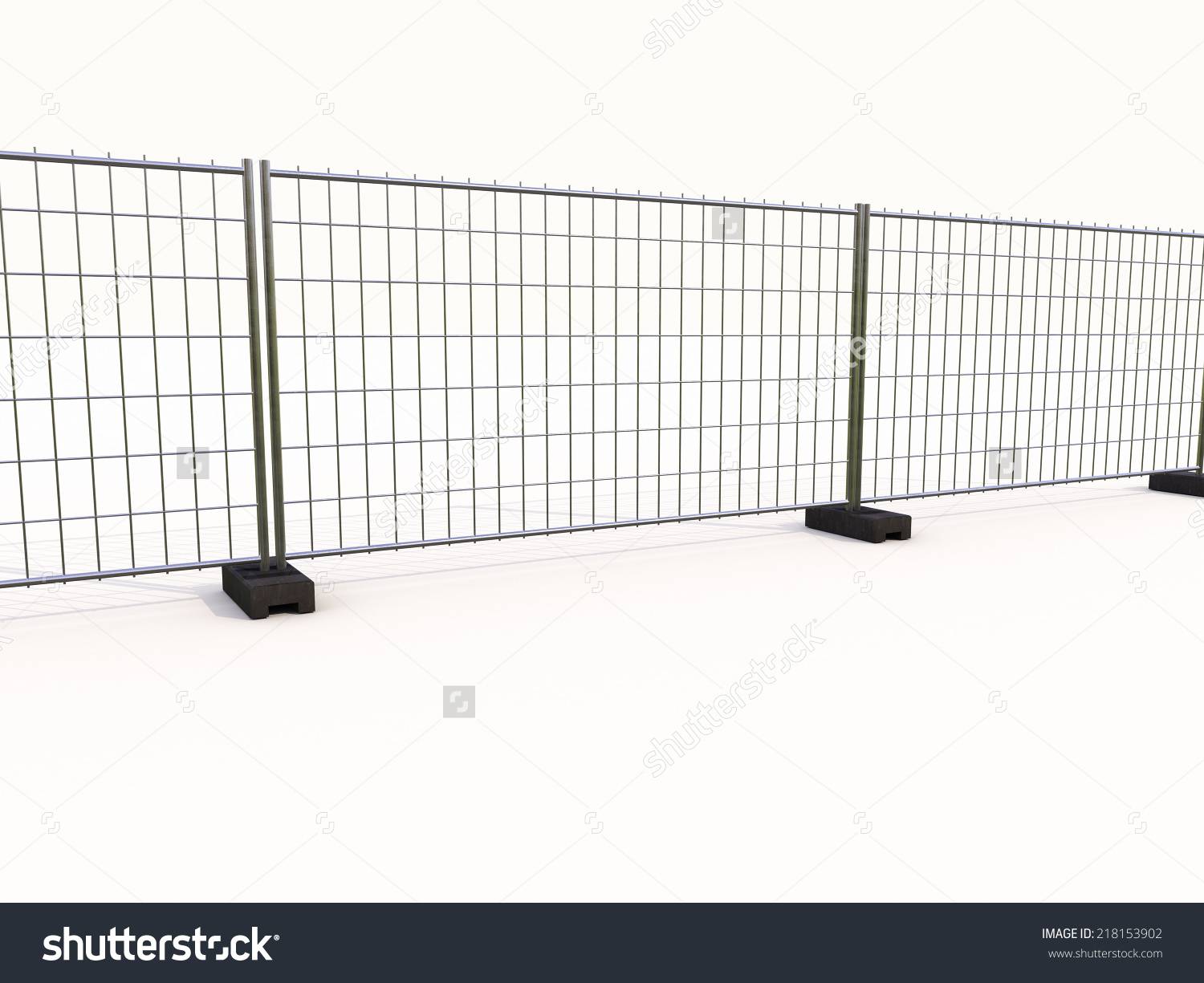
Image: Installing high-quality no climb horse fence for sale ensures optimal safety and long-term durability for equine properties.
Technical Advantages and Application Scenarios
The technical superiority of our horse fence panels for sale translates directly into significant advantages for horse owners and facility managers. Their robust design and specialized manufacturing processes ensure unparalleled performance in diverse environments and applications.
Key Technical Advantages:
- Superior Durability & Longevity: Thanks to the use of high-strength steel and advanced hot-dip galvanization, our panels offer exceptional resistance to physical impact from horses and extreme weather conditions. The metallurgical bond of zinc to steel provides a protective layer that can last for decades, far outperforming conventional painted or lightly coated fences. This significantly extends the fence's lifespan, reducing the need for frequent replacements and repairs.
- Outstanding Corrosion Resistance: The hot-dip galvanization process, often complemented by powder coating, creates a formidable barrier against rust and corrosion. This is particularly crucial in humid climates, coastal areas, or regions with acidic soils, where other fence types would rapidly deteriorate. This feature directly contributes to the anti-corrosion benefit, ensuring the fence maintains its structural integrity and aesthetic appeal over time.
- Enhanced Equine Safety: Designed with horse safety as a priority, our panels feature smooth welds, rounded edges, and appropriate spacing (for tubular panels) or tight mesh (for no-climb panels) to prevent injuries. The absence of sharp protrusions minimizes the risk of cuts, scrapes, or entrapment, providing a secure environment for horses. This focus on safety is paramount, as injuries can be costly and detrimental to a horse's health.
- Low Maintenance Requirements: The highly durable galvanized and/or powder-coated finish requires minimal upkeep. Unlike wood fencing that needs regular painting or staining, our metal panels only require occasional cleaning, saving significant time, labor, and maintenance costs over the fence's lifetime.
- Versatility & Modularity: The panelized design allows for flexible configurations, easy expansion, or relocation. This modularity makes them suitable for a wide array of applications, from temporary holding pens to permanent paddocks and arenas.
Typical Application Scenarios:
- Paddocks and Turnouts: Ideal for creating safe and secure enclosures for daily turnouts, ensuring horses have ample space to exercise without risk of escape or injury. The robust construction ensures they withstand the rigors of equine activity.
- Round Pens and Training Arenas: Their modular nature makes them perfect for constructing round pens of various diameters, essential for horse training, lunging, and breaking. They provide a sturdy, safe perimeter for both horse and trainer.
- Holding Pens and Sorting Areas: In larger equestrian facilities or during events, our panels are invaluable for temporary holding pens, sorting chutes, or veterinary examination areas due to their rapid deployment and sturdy nature.
- Perimeter and Property Fencing: While often used for internal enclosures, horse fence posts for sale combined with our panels can form durable and secure perimeter fences for entire properties, offering both security and aesthetic appeal.
- Temporary Event Fencing: For horse shows, rodeos, or agricultural fairs, these panels provide quick, reliable, and reusable temporary enclosures, demonstrating their practical flexibility.
Manufacturer Comparison: Choosing the Right Partner
When investing in horse fence for sale, selecting the right manufacturer is as crucial as choosing the right product. A reputable manufacturer doesn't just supply fence panels; they provide expertise, quality assurance, and ongoing support. Here's what to consider when comparing manufacturers, focusing on attributes that enhance Authoritativeness and Trustworthiness:
- Certifications & Standards: Look for manufacturers who adhere to international quality management systems like ISO 9001:2015. This certification signifies a commitment to consistent quality and continuous improvement in all aspects of production and service. Additionally, ensure their products comply with relevant ASTM standards for galvanization (e.g., ASTM A123) and material strength.
- Experience & Specialization: A manufacturer with years of dedicated experience in equine fencing understands the unique challenges and safety requirements. Our company, CHCHFENCE, boasts extensive experience in the fencing industry, with a deep understanding of the specific needs for equine enclosures, backed by years of successful projects.
- Manufacturing Capabilities & Technology: Inquire about their production processes. Do they use advanced welding techniques (e.g., robotic welding) and hot-dip galvanization facilities? A manufacturer with in-house production capabilities often has better quality control and can offer more competitive pricing.
- Quality Control & Testing: A transparent manufacturer will readily provide details about their quality control protocols, including material inspection, in-process checks, and final product testing (e.g., coating thickness tests, salt spray tests for corrosion).
- Customization Options: The ability to provide customized solutions for varying sizes, layouts, or specific environmental conditions is a strong indicator of a flexible and customer-focused manufacturer.
- Customer Support & Warranty: Evaluate their pre-sales consultation, after-sales support, and warranty policies. A strong warranty signifies confidence in their product's durability and longevity. Our products come with robust warranty coverage, reflecting our confidence in their quality.
- Reputation & Client Testimonials: Seek out customer reviews, testimonials, and case studies. Positive feedback and repeat business from large equestrian facilities or associations are strong indicators of reliability and satisfaction.
Customization Solutions for Your Equestrian Needs
Every equestrian property is unique, with varying layouts, horse breeds, and specific requirements for safety and functionality. Recognizing this, we offer comprehensive customization solutions for our horse fence panels for sale. Our team of experts works closely with clients to design fencing systems that perfectly align with their vision and practical needs, ensuring an optimal balance of performance, aesthetics, and budget.
Customization options include:
- Varying Heights and Lengths: While standard panel sizes are common, we can manufacture panels in specific heights (e.g., for ponies versus large draught horses) and lengths to minimize waste and perfectly fit irregular property lines or arena dimensions.
- Gate Integration: Seamless integration of walk-through gates and drive-through gates, tailored to match the panel design, ensuring secure access points. These gates can be designed with heavy-duty hinges and latches for long-term reliability.
- Specialized Coatings: Beyond standard galvanization, we offer a range of powder coating colors to match aesthetic preferences or branding requirements, providing an additional layer of protection and enhancing visual appeal.
- Specific Post and Rail Configurations: For horse fence posts for sale and panels, we can modify the number of horizontal rails or vertical stays to meet specific safety standards or containment needs, particularly for different horse types.
- Attachment Systems: Development of custom attachment hardware for unique ground conditions or existing structures, ensuring secure and stable installation.
- No-Climb Mesh Customization: For no climb horse fence for sale, we can adjust mesh aperture sizes within limits to suit specific safety concerns or prevent small animals from entering or exiting.
Our consultation process begins with a detailed assessment of your property, your horses' temperaments, local climate conditions, and your long-term goals. This collaborative approach ensures that the final fencing solution is not just a product, but a tailored asset that enhances the safety, functionality, and value of your equestrian facility.
Real-World Application Cases and Customer Insights
Our commitment to delivering high-quality horse fence panels for sale is reflected in their successful application across a multitude of equestrian environments. These real-world scenarios highlight the versatility, durability, and safety benefits our products provide, serving as powerful testimonials to our experience and product efficacy.
Case Study 1: Large Equestrian Training Facility Upgrade
A prominent equestrian training facility in Kentucky, housing over 150 horses, required an overhaul of their aging wooden fencing. They sought a solution that offered superior safety, minimal maintenance, and long-term durability to withstand high traffic and varying weather. We supplied a combination of heavy-duty tubular panels for their high-traffic round pens and a substantial quantity of no climb horse fence for sale for their extensive pasture boundaries. The client reported a significant reduction in fence-related injuries, appreciating the smooth, galvanized surfaces and the tight mesh design. "The durability is exceptional," stated the facility manager. "We haven't had a single issue with rust or structural fatigue, even after several harsh winters. The reduced maintenance has freed up our staff to focus more on horse care." This project demonstrated our ability to deliver large-scale, customized solutions that meet stringent safety and operational demands.
Case Study 2: Private Horse Owner's Paddock Enhancement
A private horse owner in a rural, humid region was struggling with the rapid deterioration of their previous fencing due to moisture and soil acidity. They needed a solution that offered superior corrosion resistance and was easy to install. We recommended and supplied hot-dip galvanized horse fence panels for sale with specific dimensions for their four-acre paddock. The owner utilized our easy-to-follow installation guides and was able to set up the fencing with minimal professional help. "The panels arrived in perfect condition, and the installation was surprisingly straightforward," remarked the owner. "The quality of the galvanization is evident; after two years, there's absolutely no sign of rust, unlike my old fence. My horses are safer, and I have peace of mind knowing this fence will last." This case highlights the product's suitability for individual owners and its excellent performance in challenging environmental conditions, showcasing its anti-corrosion advantages.
Client Feedback Overview:
Across various projects, common themes in client feedback include:
- Unmatched Durability: Clients consistently praise the longevity and resilience of our panels, often noting their ability to withstand aggressive horse behavior and extreme weather.
- Enhanced Safety Features: The design elements focused on horse safety (smooth welds, no sharp edges, optimal mesh size) are frequently highlighted as key differentiators.
- Ease of Installation & Versatility: The modular design and relatively straightforward installation process are often cited as major benefits, especially for those seeking flexible fencing solutions.
- Low Lifetime Cost: While the initial investment might be higher than some alternatives, customers recognize the significant long-term savings due to minimal maintenance and extended lifespan.
- Exceptional Customer Support: Our responsiveness and willingness to provide expert advice throughout the purchasing and installation process are consistently commended.
Boosting Trustworthiness: FAQ, Delivery, Warranty, and Support
Transparency and reliable support are fundamental to building customer trust. At CHCHFENCE, we are committed to providing comprehensive information and steadfast assistance throughout your journey with our products. This section addresses common inquiries and outlines our commitment to your satisfaction when purchasing horse fence panels for sale.
Frequently Asked Questions (FAQ)
Q1: What are the primary materials used in your horse fence panels?
A1: Our horse fence panels are primarily constructed from high-strength, durable carbon steel. This steel undergoes a meticulous hot-dip galvanization process (meeting ASTM A123/A123M standards) to provide exceptional corrosion resistance. Optional powder coating adds an extra layer of protection and aesthetic appeal.
Q2: How does hot-dip galvanization enhance the lifespan of the fence panels?
A2: Hot-dip galvanization creates a metallurgical bond between the steel and a thick layer of zinc. This multi-layered coating acts as a robust barrier against environmental elements, preventing rust and corrosion. Zinc also provides cathodic protection, meaning if the coating is scratched, the surrounding zinc will corrode preferentially, protecting the exposed steel. This process significantly extends the lifespan of the panels to 20-30+ years, even in harsh conditions.
Q3: What wire gauge is recommended for no-climb horse fence panels?
A3: For no climb horse fence for sale, we typically recommend a minimum of 12.5 gauge (GA) wire, with 10 GA offering even greater strength and durability. The lower the gauge number, the thicker and stronger the wire, providing enhanced security and longevity for containing horses safely.
Q4: What are the standard dimensions for your horse fence panels, and can they be customized?
A4: Standard panel heights typically range from 4 to 6 feet, with lengths from 10 to 16 feet. Yes, we absolutely offer customization. We can tailor panel heights, lengths, tube diameters, rail spacing, and even provide custom gate integrations to perfectly match your specific property layout and equestrian needs.
Q5: Are your horse fence panels easy to install for a typical farm owner?
A5: Yes, our horse fence panels for sale are designed for straightforward installation. Their modular design often allows for relatively quick setup using simple tools. We provide detailed installation guides, and our customer support team is available to offer technical assistance, making it manageable for DIY enthusiasts or local contractors.
Q6: How do your fence panels contribute to horse safety?
A6: Horse safety is paramount in our design. Our panels feature smooth, burr-free welds and finishes to prevent cuts. For tubular panels, optimized bar spacing prevents horses from getting legs or heads caught. For mesh fences, the tight 2"x4" or 2"x3" mesh size prevents hooves from getting tangled or horses from climbing, significantly reducing the risk of injury.
Q7: What is the typical lead time for an order, and what is your warranty policy?
A7: Delivery cycles vary based on order size and customization requirements. For standard orders, typical lead times range from 3-6 weeks from order confirmation to shipping. Custom orders may take longer. We offer a comprehensive warranty, typically covering manufacturing defects and significant material degradation for 5-10 years, ensuring your investment is protected. Specific warranty terms will be provided with your quote.
Delivery Cycle & Logistics
Once your order for horse fence wire for sale or panels is confirmed, our logistics team coordinates efficient delivery. Standard orders generally have a lead time of 3-6 weeks, while large-scale or highly customized projects may require a slightly extended timeline. We utilize reliable freight partners to ensure timely and secure transportation of your fencing materials directly to your location, providing tracking information and proactive communication throughout the shipping process.
Quality Assurance & Warranty Commitment
Our commitment to quality is unwavering. Every batch of horse fence for sale undergoes stringent quality control at each stage of manufacturing, from raw material inspection to final product testing. This includes adherence to ISO 9001 quality management standards and specific ASTM standards for materials and coatings. We are confident in the longevity and performance of our products, which is why we offer a robust warranty. Our typical warranty covers manufacturing defects and structural integrity for a period of 5-10 years, depending on the product type and specific application, giving you complete peace of mind.
Dedicated Customer Support
From initial inquiry to post-installation, our dedicated customer support team is here to assist you. Whether you need expert advice on product selection, detailed technical specifications, assistance with order tracking, or guidance on installation best practices, our knowledgeable representatives are ready to help. We believe in building lasting relationships with our clients through responsive and effective communication, ensuring your experience with CHCHFENCE is seamless and satisfactory.
References and Further Reading
-
For more insights into the standards for hot-dip galvanization and its impact on steel's durability, refer to industry publications by the American Galvanizers Association (AGA). For instance, their "How Long Does Galvanizing Last?" guide provides valuable data on performance in various environments.
-
Details on the benefits of specific fencing types for horses can be found in agricultural extension publications. For example, the Penn State Extension offers comprehensive resources on "Fencing Materials for Horses," which discusses different types including woven wire and panel systems, emphasizing safety and longevity.

Latest News About CHENG CHUANG
-
 Wire mesh is durableWire mesh represents a cornerstone of modern industrial and agricultural solutions, offering unmatched versatility across countless applications.Read more >
Jul 11 2025
-
 Safety barrier directs traffic flowIn high-risk environments, safety barrier systems stand as non-negotiable guardians against catastrophic incidents.Read more >
Jul 11 2025
-
 Modular Noise Barrier Eases InstallationUrbanization intensifies noise pollution, making noise barrier systems essential for preserving human health and tranquility.Read more >
Jul 11 2025
-
 Metal fence types enhance securityMetal fence types form the backbone of modern perimeter security solutions worldwide.Read more >
Jul 11 2025
-
 Crowd Control Barrier Manages Foot TrafficThe management of public gatherings demands precision, safety, and reliability, making crowd control barrier systems indispensable tools for organizers worldwide.Read more >
Jul 11 2025