


Durable Expanded Galvanized Steel Mesh for Industrial Use
Understanding Expanded Galvanized Steel Mesh: Durable, Versatile, and Surprisingly Handy
Having spent well over a decade around heavy-duty industrial equipment and construction materials, I’ll admit, expanded galvanized steel mesh caught my attention early on. It’s one of those products that’s not glamorous, but fundamentally reliable—kind of like the unsung workhorse on many job sites.
Expanded galvanized steel mesh simply means a sheet of steel that’s been cut and stretched out to form a mesh pattern, then coated in zinc (that’s the “galvanized” part) to prevent rust and corrosion. This combo makes it incredibly useful in so many industrial sectors—think safety fencing, concrete reinforcement, ventilation grilles, or even machine guarding.
What I appreciate most about this mesh is its balance: it’s lightweight yet strong, easy to cut and shape but holds up under pressure. And let’s be honest—once you see steel mesh with a thick galvanizing layer, you know it’s built for longevity, especially in outdoor or harsh environments.
Over the years, I’ve noticed an important industry trend: customization. Nowadays, manufacturers don’t just churn out standard sizes—they tailor meshes to specific aperture sizes, strand thicknesses, and sheet dimensions. This flexibility is a game changer when you’re dealing with unique site requirements or specific structural needs.
If you haven’t worked much with it, here’s a quick table to give you a feel for typical product specs. I’ve pulled these from some common industrial-grade materials:
| Specification | Typical Range | Notes |
|---|---|---|
| Material Thickness (mm) | 0.8 - 4.0 | Varies based on load requirements |
| Mesh Opening Size (mm) | 6 - 50 (aperture width) | Customizable per application |
| Coating Thickness (μm) | 50 - 150 | Hot-dip galvanized for corrosion resistance |
| Sheet Size (mm) | 1000 x 2000 (typical) | Custom lengths available |
In real terms, the hot-dip galvanizing tends to stand out—a hot zinc bath leaves a thick protective layer that's hard to beat when facing moisture or saline environments. I remember a project where mesh panels installed near the coast barely showed surface wear after 5 years, which frankly surprised some folks given the salty wind.
Now, when it comes to sourcing expanded galvanized mesh, different suppliers bring very different things to the table. Here’s a quick vendor comparison based on quality, customization, lead time, and cost:
| Vendor | Quality | Customization | Lead Time | Cost |
|---|---|---|---|---|
| Chch Fence | High (consistent galvanizing) | Wide range, made-to-order | 2-3 weeks typical | Competitive |
| Vendor B | Medium (variable coating) | Limited options | 1-2 weeks | Low |
| Vendor C | High | Custom orders available but costly | 4+ weeks | High |
I’ll tell you a quick story from a job when we urgently needed security fencing for a warehouse remodel — the usual off-the-shelf options weren’t cutting it, so we turned to expanded galvanized steel mesh panels customized with smaller apertures. Not only did they arrive on time, but they also held up much better than past installs against impacts from machinery and tools, confirming what I often say: investing a bit more upfront in quality mesh pays dividends over time.
Also, engineers love this mesh because it’s flexible for integration with other materials — concrete overlay, framing systems, or even modular set-ups. It adapts well, frankly, which is why it keeps popping up in new builds, refurbishments, and safety upgrades.
All said, if you’re looking into expanded galvanized steel mesh for your next project, keep in mind the pros of corrosion resistance, rigidity paired with light weight, and the breadth of customization. It might seem like a simple metal sheet, but its impact on durability and safety throughout industries is anything but simple.
In closing — I suppose it’s a classic case of “don’t judge a book by its cover.” That mesh feels basic, but it’s often the backbone holding together infrastructure quietly but critically.
— End of article —
References:
- “Galvanized Steel Mesh in Construction,” Steel Construction Institute, 2022.
- M. J. West & Sons, “Best Practices in Expanded Metal Manufacturing,” 2020.
- Corrosionpedia, “What is Hot-Dip Galvanizing?” accessed 2024.
Latest News About CHENG CHUANG
-
 Heavy Duty 6 gauge welded wire mesh for Security and StrengthWhen it comes to heavy-duty containment, security, and structural reinforcement, choosing the right material is critical. The 6 gauge welded wire mesh stands as a premier choice for those requiring a balance of extreme rigidity and precise spacing. Whether you are securing a commercial perimeter, building industrial livestock panels, or creating reinforced concrete structures, this specific thickness provides the structural integrity needed to withstand significant pressure and impact. In this comprehensive guide, we will explore the technical specifications, primary applications, and why this mesh is the gold standard for high-security fencing solutions.Read more >
Apr 16 2026
-
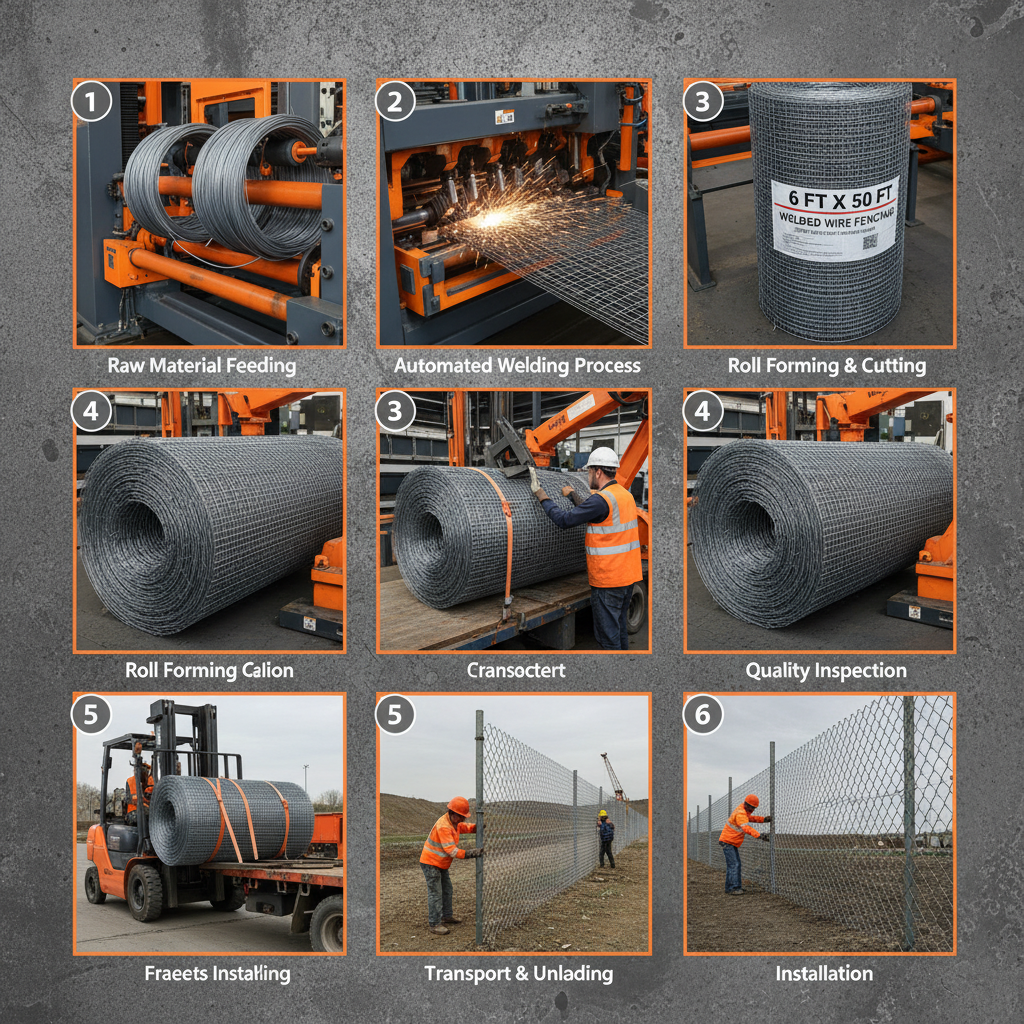 Durable 6 ft x 50 ft welded wire fencing for Security and GardensWhen it comes to securing a perimeter, whether for agricultural use, garden protection, or industrial boundaries, the dimensions and material of your fence matter. The 6 ft x 50 ft welded wire fencing offers an ideal balance of height and length, providing a robust barrier that is easy to install and maintain. Choosing a welded wire system ensures that the intersections are fused together, preventing the shifting and sagging often found in woven alternatives. In this guide, we will explore why this specific size is a preferred choice for property owners and how to maximize its effectiveness for your specific project.Read more >
Apr 09 2026
-
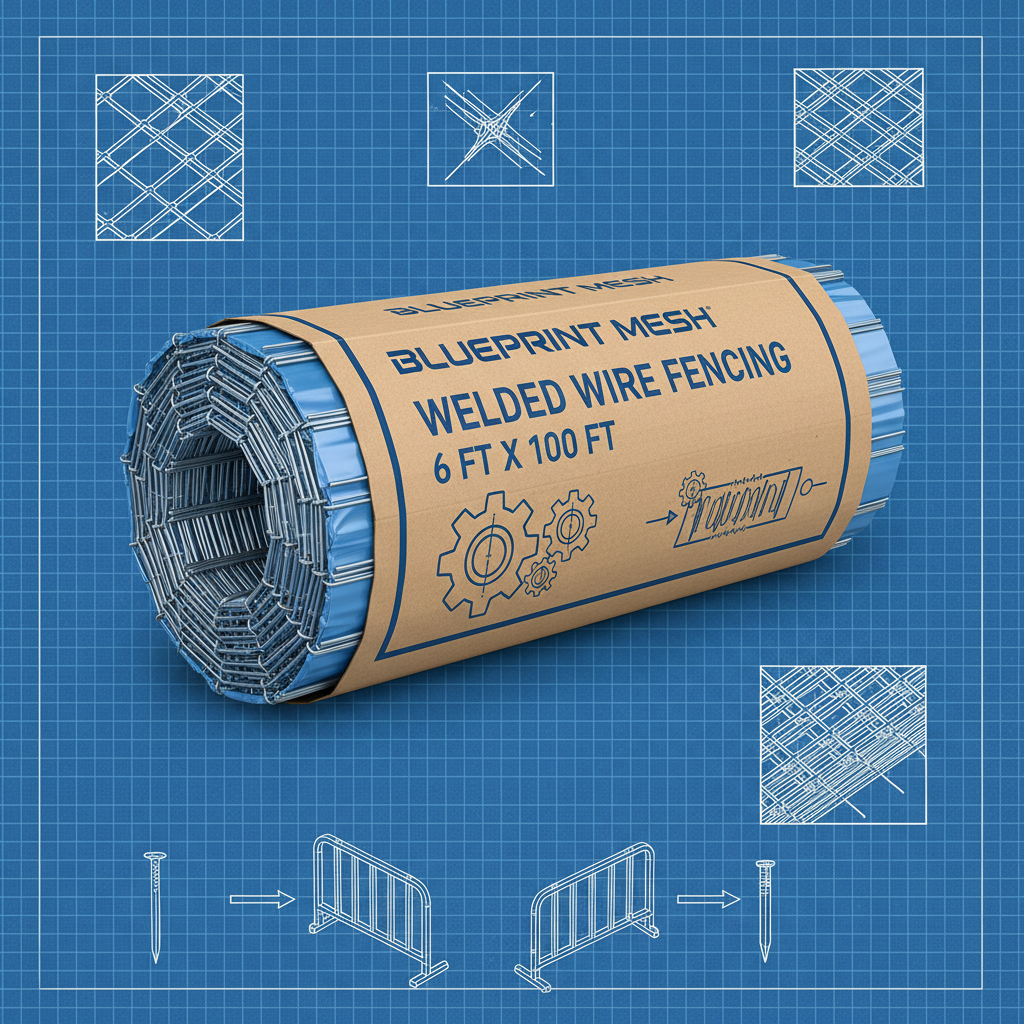 Comprehensive Guide to Choosing the Best 6 ft x 100 ft Welded Wire FencingWelded wire fencing is a versatile and cost-effective solution for a wide range of applications, from agricultural containment to residential security. Understanding the nuances of different types, especially when considering a size like 6 ft x 100 ft welded wire fencing, is crucial for making the right investment. This article will guide you through the essential factors to consider, helping you select the fencing that best suits your specific requirements.Read more >
Apr 07 2026
-
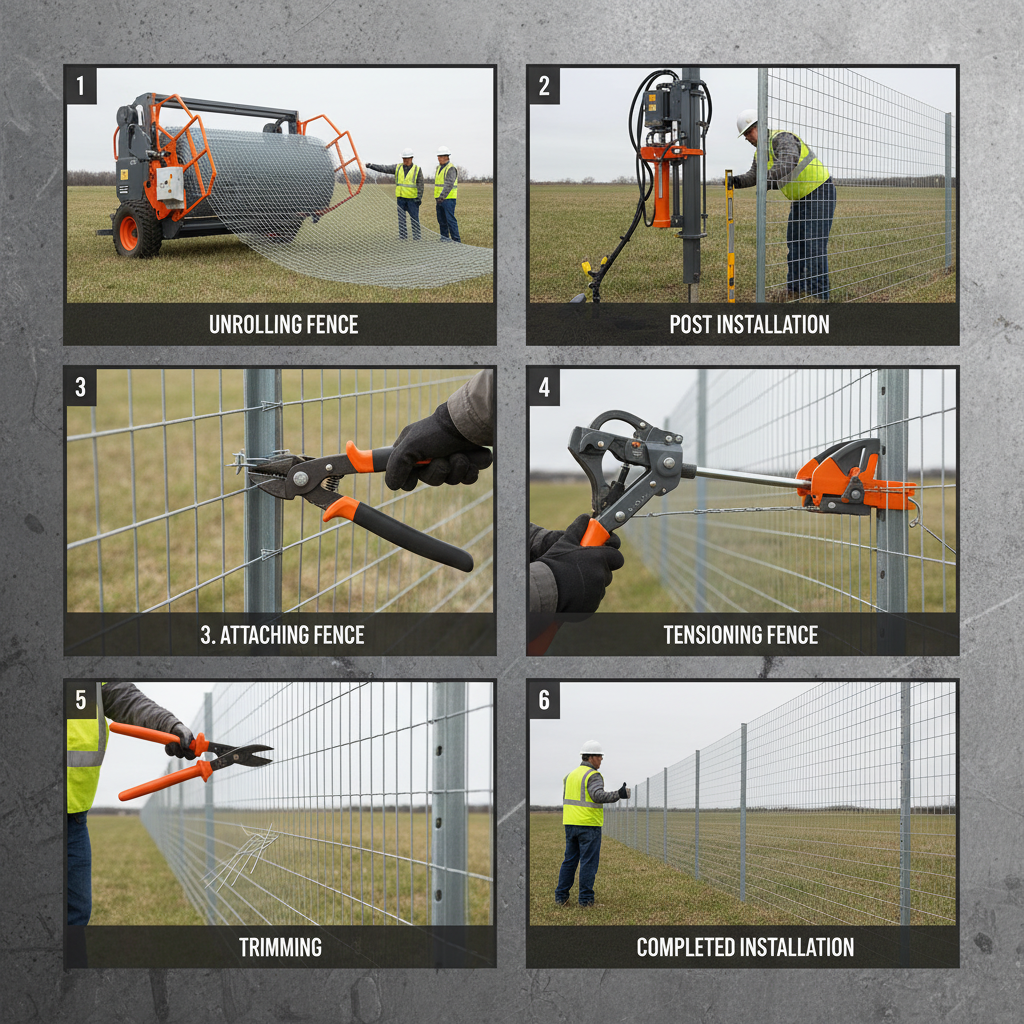 Comprehensive Guide to Choosing a 6 ft x 100 ft 12.5 Gauge Welded Wire FenceSelecting the appropriate fence for your property requires careful consideration. A 6 ft x 100 ft 12.5 gauge welded wire fence offers a robust and versatile solution for a variety of applications, from pet containment to garden protection and security. This guide will explore the benefits, applications, installation tips, and considerations when choosing this type of fencing. Understanding its construction and comparing it to other fencing options will help you make an informed decision.Read more >
Apr 04 2026
-
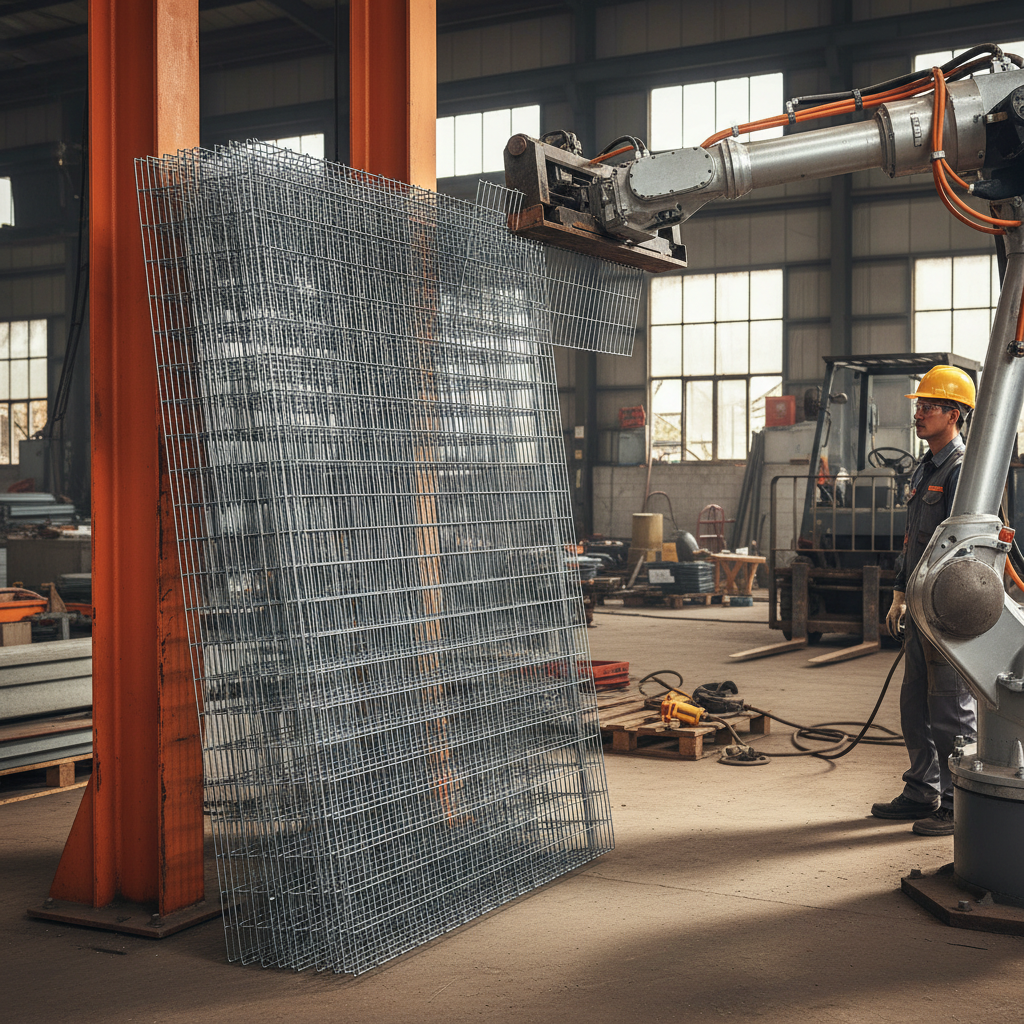 Comprehensive Guide to Durable 6 ft Welded Wire Fencing Panels and ApplicationsWhen selecting fencing for your property, 6 ft welded wire fencing panels offer a robust and versatile solution. These panels combine strength, security, and ease of installation, making them a popular choice for both residential and commercial applications. This article delves into the benefits, applications, installation, and maintenance of these panels, helping you make an informed decision.Read more >
Mar 31 2026