


Durable & Eco-friendly PVC Chicken Mesh for Global Agriculture & Relief
Understanding PVC Chicken Mesh: The Unsung Hero of Modern Agricultural Fencing
Whether you're a poultry farmer, an industrial stakeholder, or someone interested in sustainable materials, the term pvc chicken mesh probably rings a bell. In simple terms, it's a plastic-coated wire mesh designed specifically to keep chickens (and other small animals) safe, secure, and well-contained. But why does it matter beyond the backyard? Across continents, in moments of crisis, or in sprawling agricultural hubs, pvc chicken mesh offers durability, affordability, and versatility—qualities that modern industries and humanitarian efforts desperately need.
A Global Look: Why PVC Chicken Mesh Matters in Today’s World
Here’s something I find fascinating: the UN estimates that nearly 70% of the global population relies on agriculture for food and livelihood. For many, poultry farming is an accessible, cost-effective way to generate income. But that success depends heavily on infrastructure — and fencing is a key player. Traditional metal mesh can rust, deteriorate, or come with sharp edges, posing risks to both humans and animals.
Enter pvc chicken mesh, with its weather-resistant plastic coating and flexible design. According to ISO standards on agricultural materials, corrosion resistance and product lifespan are vital for sustainable farming. PVC coatings extend the life of wire mesh by roughly 2–3 times compared to bare metal, making it a global game changer for farming communities, especially in regions like Sub-Saharan Africa, Southeast Asia, and South America.
Yet, the challenges remain: How to provide affordable, durable fencing solutions that can be rapidly deployed in disaster zones or remote areas? How do we balance cost with longevity? PVC chicken mesh asks and answers these questions daily.
What Exactly Is PVC Chicken Mesh?
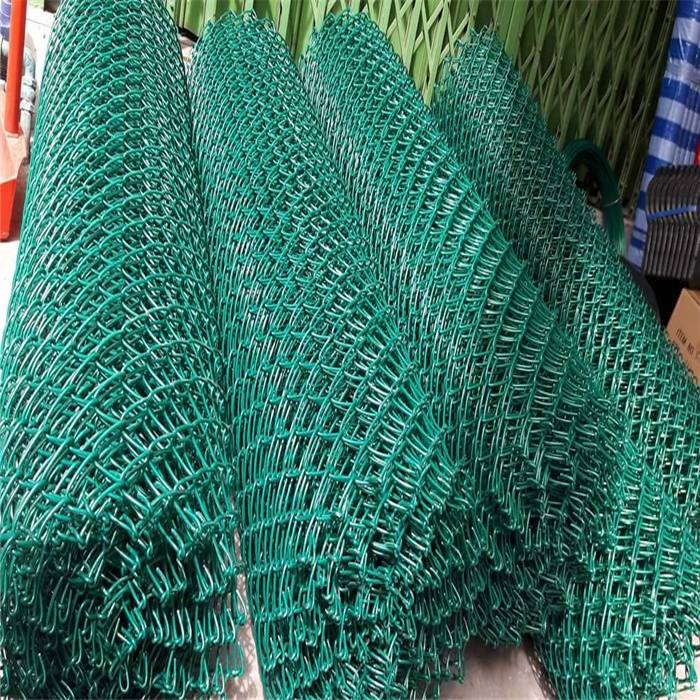
At its core, pvc chicken mesh is galvanized steel wire mesh coated with polyvinyl chloride (PVC). Think of it as a chicken wire suit of armor—but one that resists rust, weathering, and pests far better than ordinary mesh. The mesh pattern is usually hexagonal and comes in various gauges and sizes, depending on the intended use.
In humanitarian aid, rapid, reliable containment solutions are crucial. Poultry farmers affected by natural disasters benefit from pvc chicken mesh’s portability and quick installation. It’s not just about chickens; these fences often protect crops, livestock, and even equipment during relief and development projects.
Core Components of PVC Chicken Mesh
1. Durability and Corrosion Resistance
The galvanized wire core, protected by PVC, resists rust and degradation. This means fences last longer in humid, rainy, or coastal environments, reducing replacement costs and downtime.
2. Flexibility and Ease of Installation
The mesh bends easily yet holds its shape, allowing quick installation around uneven terrain or temporary pens. Fast deployment is essential in farming or emergency setups.
3. Cost Efficiency
The combination of steel and PVC gives a long lifespan without the higher costs of stainless steel or plastic-only alternatives. For many smallholder farmers, this balance means access to proper fencing without breaking the bank.
4. Safety and Animal Welfare
The smooth PVC coating prevents injuries, unlike sharp bare wire edges. That means healthier, less stressed poultry and happier farmers.
5. Customizable Sizes and Colors
While hexagonal pattern sizes vary—14mm to 25mm—the PVC layer can be green, white, or black, often blending into natural surroundings or signaling boundaries clearly.
Mini takeaway:
Overall, the strength of pvc chicken mesh is in its thoughtful design—built for real-life farming, not just shelf appeal.
How Is PVC Chicken Mesh Used Around the World?
PVC chicken mesh's versatility shows itself from Australia’s expansive farms to the grassroots poultry projects in India’s rural villages. In post-disaster relief operations, like after typhoons in the Philippines, local NGOs use this mesh to quickly rebuild poultry coops, safeguarding the food supply chain. Over in Europe, industrial zones employ it to protect hazardous equipment areas from unauthorized access, thanks to its light yet sturdy framework.
In Africa, the mesh is a favorite for poultry farmers who often manage free-range environments. Its ability to secure animals while allowing airflow is critical in hot, humid climates. Likewise, in remote northern Canadian territories, pvc chicken mesh is used inside greenhouses and animal enclosures, balancing protection and insulation.
| Specification | Detail |
|---|---|
| Mesh Pattern | Hexagonal (14mm to 25mm) |
| Wire Diameter | 0.8 mm to 1.6 mm |
| PVC Coating Thickness | 0.3 mm to 0.5 mm |
| Roll Size | 1m x 10m or customizable |
| Color Options | Green, White, Black |
| Weight per Roll | Approximately 8–10 kg |
Mini takeaway:
From sprawling farms to emergency shelters, pvc chicken mesh proves it’s truly global, adaptable, and reliable.
Why Are Users Choosing PVC Chicken Mesh? Advantages & Long-Term Value
- Cost Savings: Long lifecycle means fewer replacements and repairs.
- Environmental Benefits: PVC coating reduces waste by extending mesh life.
- Improved Safety: Protects animals from injury and keeps predators at bay.
- Convenient: Easy to transport, roll out, and maintain.
- Trust & Reputation: Farmers feel more secure knowing their investment lasts.
Honestly, when you think about it, this mesh isn’t just a barrier. It’s a symbol of protection and stability. For communities struggling with food security or rebuilding after natural disasters, it’s peace of mind wrapped around their flocks.
Future Trends: What’s Next for PVC Chicken Mesh?
Looking ahead, sustainability targets are pushing manufacturers to innovate. Some companies explore bio-based PVC alternatives, reducing carbon footprints while retaining performance. Digitally integrated fencing, with embedded sensors detecting breaches or damage, could revolutionize poultry farm monitoring.
Automation and robotics may also integrate with mesh fencing—envision poultry enclosures that alert farmers via app if predators approach or weather conditions threaten safety, adding a high-tech spin to an age-old product.
Challenges in PVC Chicken Mesh Use & How They’re Tackled
The main issues? UV degradation over very long periods, disposal of PVC materials, and limitations in extremely cold climates where rigidity can increase. Smart coating additives and recycling programs are emerging solutions. Some vendors now offer combined galvanized wire and protective zinc-aluminum alloys underneath PVC, enhancing durability further.
| Vendor | Price per Roll | Material Quality | Lead Time | Customization |
|---|---|---|---|---|
| AgriMesh Co. | $45 | Premium galvanized + PVC | 2 weeks | Yes (colors & sizes) |
| FarmGuard Supplies | $38 | Standard galvanized + PVC | 1 week | Limited |
| EcoFence Ltd. | $50 | Galvanized + Bio-PVC Coating | 3 weeks | Yes |
FAQ: Your Practical Questions About PVC Chicken Mesh
Q1: How long does PVC chicken mesh last in tropical climates?
Typically, pvc chicken mesh endures 5–10 years outdoors in tropical environments, depending on coating thickness and sunlight exposure. UV stabilizers in the PVC help, but shading or periodic maintenance extends life further.
Q2: Can I use pvc chicken mesh for animals other than chickens?
Definitely! It’s commonly used for rabbits, ducks, and small livestock. Just ensure the mesh size suits the animal’s containment needs.
Q3: Is pvc chicken mesh recyclable?
While the metal core is recyclable, the PVC coating requires special handling. Some programs collect old mesh for shredding and reuse. More eco-friendly coatings are in development for better recycling.
Q4: Can I import pvc chicken mesh for my NGO’s relief projects?
Yes, many vendors offer export-ready products compliant with international standards. Selecting customizable options helps tailor fencing to project requirements.
Q5: What makes pvc chicken mesh better than plain galvanized wire?
The PVC coating resists rust, reduces injuries, and lasts longer, making it safer and more cost-effective over time.
To Sum It Up: Why PVC Chicken Mesh Is A Worthy Investment
Whether it's shielding your poultry, aiding rapid disaster recovery, or shaping sustainable farming futures, pvc chicken mesh proves itself again and again. It blends durability, affordability, and environmental care into a simple yet powerful package. If you're looking into fencing solutions that stand up to real-world challenges, it’s definitely worth a look.
Interested? Visit our website: pvc chicken mesh for more info and custom options.
Final thought:
In the end, it’s more than a fence—it’s a commitment to protecting livelihoods and fostering resilience.
References:
Latest News About CHENG CHUANG
-
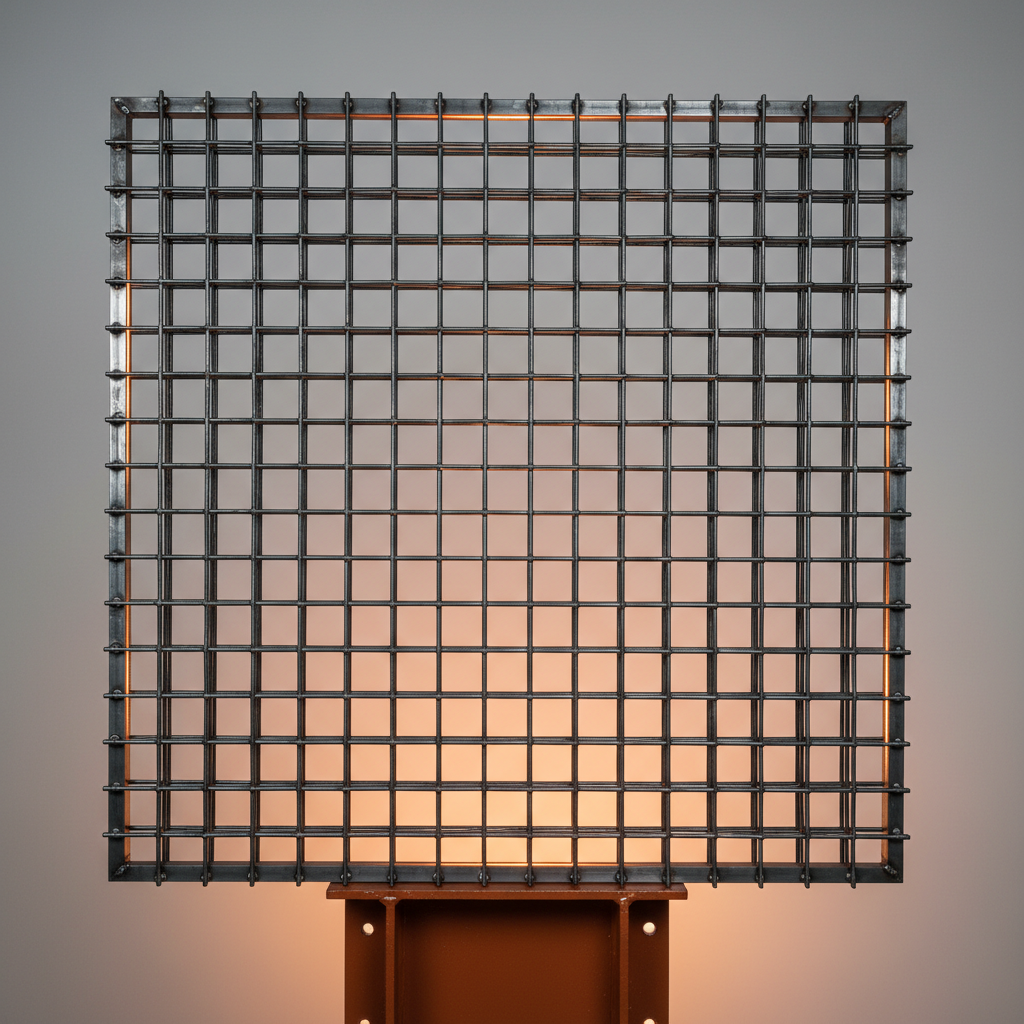 Heavy Duty 6 gauge welded wire mesh for Security and StrengthWhen it comes to heavy-duty containment, security, and structural reinforcement, choosing the right material is critical. The 6 gauge welded wire mesh stands as a premier choice for those requiring a balance of extreme rigidity and precise spacing. Whether you are securing a commercial perimeter, building industrial livestock panels, or creating reinforced concrete structures, this specific thickness provides the structural integrity needed to withstand significant pressure and impact. In this comprehensive guide, we will explore the technical specifications, primary applications, and why this mesh is the gold standard for high-security fencing solutions.Read more >
Apr 16 2026
-
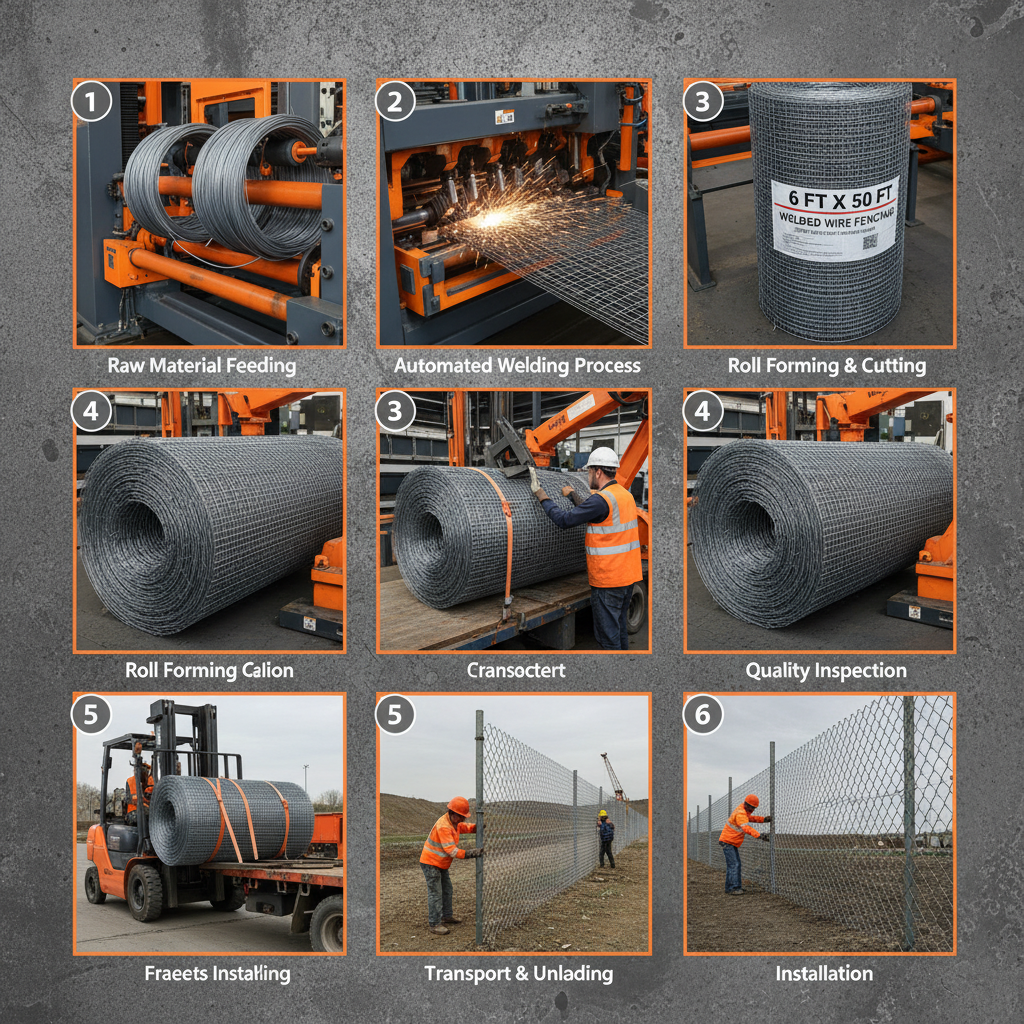 Durable 6 ft x 50 ft welded wire fencing for Security and GardensWhen it comes to securing a perimeter, whether for agricultural use, garden protection, or industrial boundaries, the dimensions and material of your fence matter. The 6 ft x 50 ft welded wire fencing offers an ideal balance of height and length, providing a robust barrier that is easy to install and maintain. Choosing a welded wire system ensures that the intersections are fused together, preventing the shifting and sagging often found in woven alternatives. In this guide, we will explore why this specific size is a preferred choice for property owners and how to maximize its effectiveness for your specific project.Read more >
Apr 09 2026
-
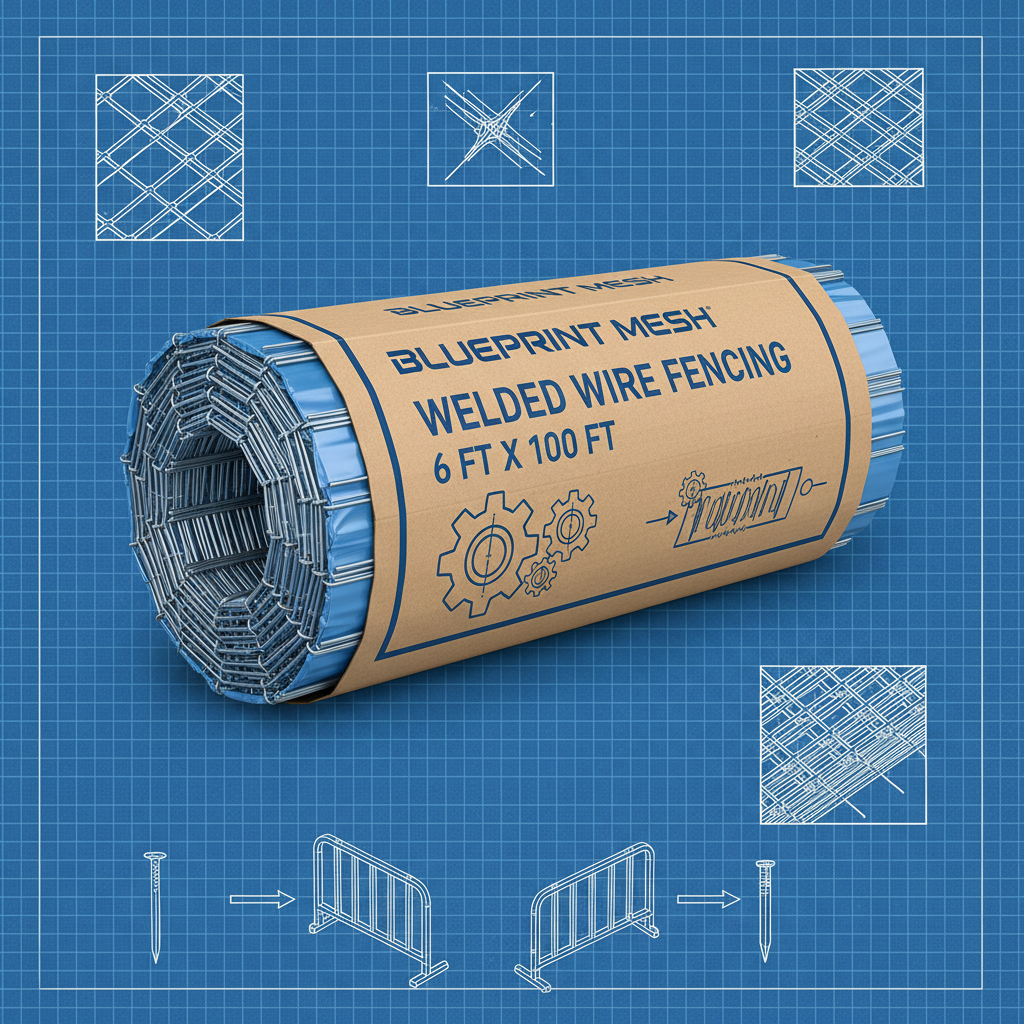 Comprehensive Guide to Choosing the Best 6 ft x 100 ft Welded Wire FencingWelded wire fencing is a versatile and cost-effective solution for a wide range of applications, from agricultural containment to residential security. Understanding the nuances of different types, especially when considering a size like 6 ft x 100 ft welded wire fencing, is crucial for making the right investment. This article will guide you through the essential factors to consider, helping you select the fencing that best suits your specific requirements.Read more >
Apr 07 2026
-
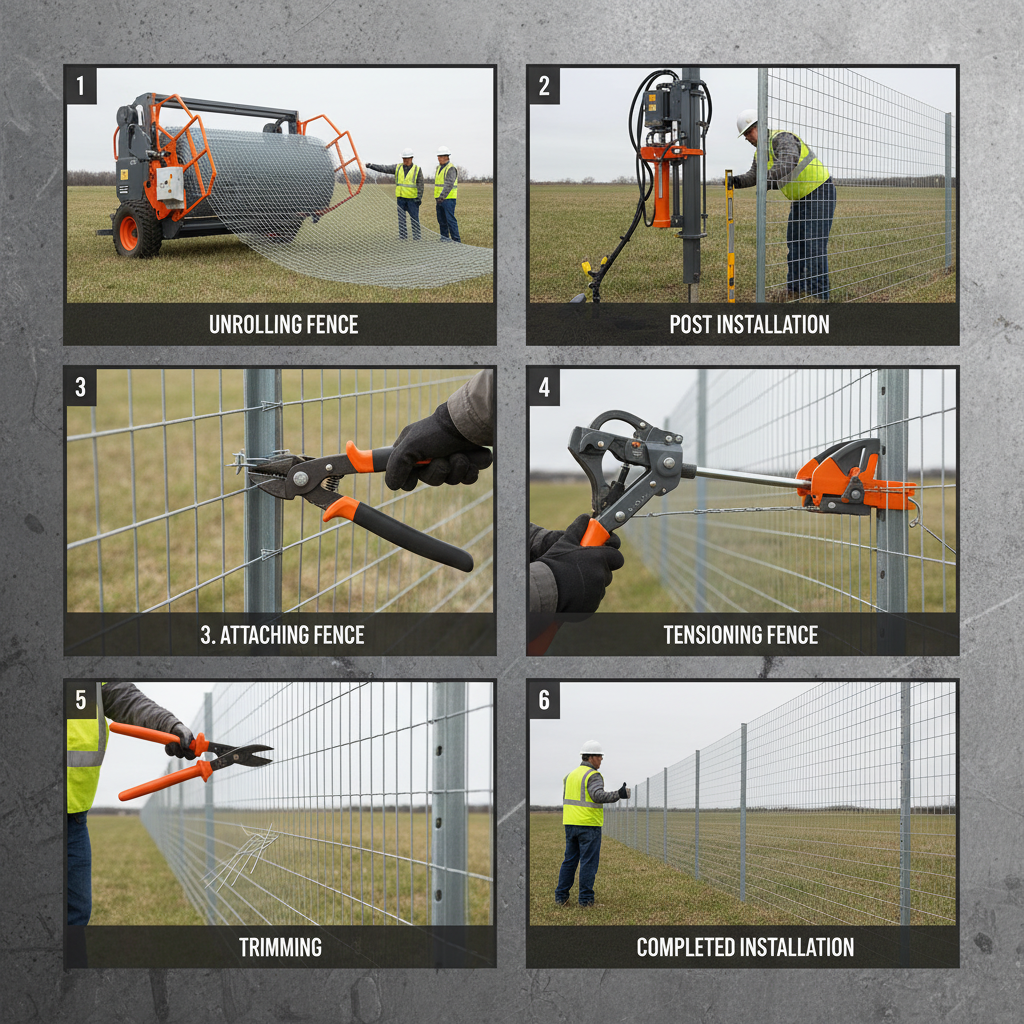 Comprehensive Guide to Choosing a 6 ft x 100 ft 12.5 Gauge Welded Wire FenceSelecting the appropriate fence for your property requires careful consideration. A 6 ft x 100 ft 12.5 gauge welded wire fence offers a robust and versatile solution for a variety of applications, from pet containment to garden protection and security. This guide will explore the benefits, applications, installation tips, and considerations when choosing this type of fencing. Understanding its construction and comparing it to other fencing options will help you make an informed decision.Read more >
Apr 04 2026
-
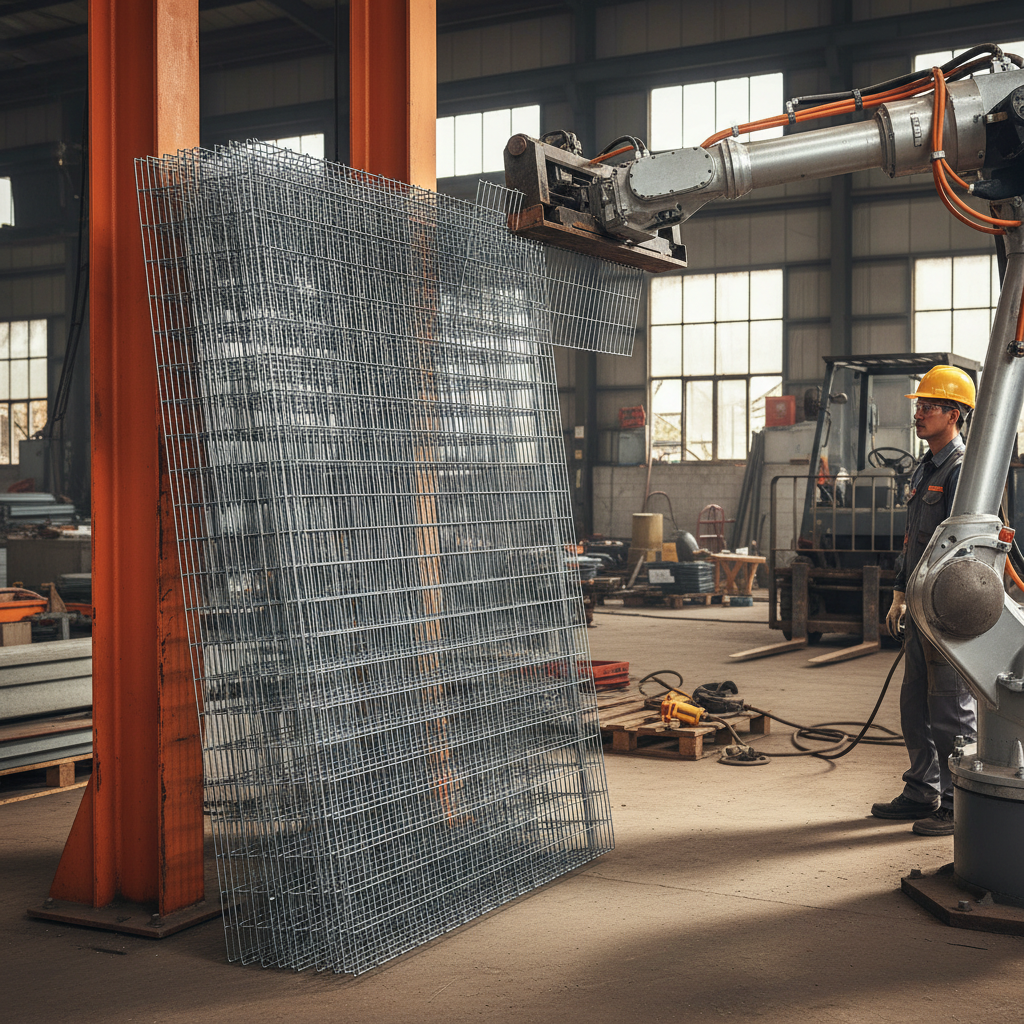 Comprehensive Guide to Durable 6 ft Welded Wire Fencing Panels and ApplicationsWhen selecting fencing for your property, 6 ft welded wire fencing panels offer a robust and versatile solution. These panels combine strength, security, and ease of installation, making them a popular choice for both residential and commercial applications. This article delves into the benefits, applications, installation, and maintenance of these panels, helping you make an informed decision.Read more >
Mar 31 2026