


Durable and Effective Metal Mesh for Rats | Global Rodent Control Solutions
Understanding Metal Mesh for Rats: Why It Matters More Than You Think
If you’ve ever tried to keep rats out of your home, warehouse, or agricultural storage, you probably know the struggle is real. Metal mesh for rats isn’t just some niche industrial product—it’s a vital tool in managing rodent infestations worldwide, protecting food supplies, infrastructure, and even public health. Globally, rats are a considerable problem, causing damage estimated at billions of dollars annually and being vectors for diseases. Metal meshes help create reliable barriers against these intruders, a simple yet effective measure.
Today, we’ll walk through what metal mesh for rats means, why it’s widely used, and how it intersects with industries from farming to relief efforts. If you’re dealing with rodents or simply curious about pest control innovations, this one’s for you.
The Global Context: Rodent Control as a Worldwide Challenge
Rodent infestations are far from just a household nuisance—they have serious economic and health implications worldwide. According to the World Health Organization (WHO), rodents contribute to the spread of over 35 diseases affecting millions. Meanwhile, the World Bank notes that urban and rural areas alike suffer economically due to rodent-related damage.
Metal mesh for rats offers a practical solution. Why? Because it physically blocks rats from entering vulnerable spaces, cutting their access without chemicals or traps that can be less reliable or environmentally risky. This simple tech has found favor with agricultural exporters, city planners, and humanitarian organizations battling infestations in disaster zones.
What Exactly Is Metal Mesh for Rats?
Put plainly, metal mesh for rats is a woven or welded network of metal wires designed to keep rats and similar pests out of buildings or storage areas. Typically made of stainless steel or galvanized steel, these meshes are strong enough to resist gnawing and can be custom-sized to block even tiny rodents. Think of it as a metallic safety net—like a tiny fortress wall.
In terms of industry connection, these meshes are indispensable in sectors where sanitary conditions and contamination prevention matter—food storage, pharmaceutical manufacturing, and even in shipping containers. International standards such as ISO 9001 encourage their use as part of integrated pest management strategies.
Mini takeaway: Metal mesh for rats is both a physical and strategic safeguard, blending utility with strict hygiene demands across industries.
Core Features That Make Metal Mesh for Rats Effective
Durability: Standing Strong Against Gnaw and Weather
Most metal meshes are made with rust-resistant coatings or stainless steel to survive harsh environments, whether humid warehouses or dusty farms. Durability isn’t just about lasting longer; it also means less maintenance and replacement costs.
Mesh Size: Small Enough to Stop Rats but Let Air Flow
Typical mesh gauges range from 1/8 inch (3.2 mm) to 1/4 inch (6.4 mm). The idea is simple: block rats without sacrificing ventilation or visibility — something especially critical in food processing.
Flexibility & Scalability: Adapting to Different Spaces Easily
These meshes come in rolls or panels, allowing quick installation across doors, vents, or fencing. The ability to scale up for warehouses or down to small vents makes them versatile.
Cost Efficiency: Affordable Pest Defense
While they might cost more upfront than plastic or fabric barriers, their longevity and reliability make them value-packed. Plus, the cost of rodent damage they prevent often dwarfs the initial price.
Compliance & Safety: Supporting Hygiene and Regulations
In regulated sectors (like food or pharma), metal meshes meet safety standards by being non-toxic and easy to clean, aligning with local and international pest control laws.
Mini takeaway: The blend of durability, precision sizing, and adherence to safety standards makes metal mesh for rats a trusted defense tool.
Where Do We Find Metal Mesh for Rats in Action Around the World?
- Agricultural Storage: Grain silos and barns across countries like the US and Australia rely on metal meshes to keep feed safe.
- Urban Infrastructure: Cities in Europe and Asia often grid vents and pinholes with metal wire mesh to reduce rat access to sewer systems.
- Humanitarian Relief: Post-disaster shelters and warehouses in regions affected by floods or earthquakes use metal meshes to protect vital supplies from rodent contamination.
- Manufacturing & Food Processing: Factories globally integrate metal mesh screens to maintain hygienic production lines and onboarding facilities.
For instance, after floods in Southeast Asia, NGOs equipped temporary storage units with metal mesh fencing to minimize the sudden spike in rodent-related health issues. It’s practical, cost-effective, and saves lives.
Global Metal Mesh for Rats: Quick Look at Industries Benefiting
| Industry | Example Use | Primary Benefit |
|---|---|---|
| Agriculture | Protect grain storage silos | Prevent contamination and loss |
| Urban Infrastructure | Block sewer and vent access | Reduce disease spread, maintain sanitation |
| Humanitarian Aid | Secure emergency supply warehouses | Protect vulnerable populations |
| Food Processing | Hygienic factory partitions | Compliance with health regulations |
Why Choose Metal Mesh for Rats? The Long-Term Benefits
Beyond its obvious physical barrier role, the metal mesh approach carries broader benefits worth highlighting:
- Reliability: Unlike chemical poisons, metal mesh doesn’t fail simply because of changing weather or rat resistance.
- Sustainability: Reusable, recyclable materials mean less environmental harm compared to sprays or traps.
- Social Impact: Better rodent control translates to healthier, safer communities.
- Cost Savings: Preventing infestation saves money long term in repairs, healthcare, and lost product.
Truly, the trust users place in a well-made metal mesh shows just how crucial thoughtful engineering is for daily life’s small but meaningful battles.
Looking Ahead: What’s Next for Metal Mesh Technology?
Innovation never rests. Smart meshes with anti-microbial coatings, greener production methods, and integrated sensors to detect breaches are emerging trends. Automation and IoT connectivity may soon notify facility managers the moment a mesh is compromised. Imagine a warehouse where a tiny spark alerts staff to a rodent attempt before any damage occurs—protecting goods, and peace of mind, all in real time.
Challenges in Using Metal Mesh and How the Industry Solves Them
Of course, metal mesh isn’t magic. If improperly installed, it can leave gaps; lower-grade metals rust quickly in salty or acidic environments. Experts recommend pairing it with regular inspection routines, combining with other pest control, and choosing the right mesh gauge and material grade for the environment.
Manufacturers are also exploring coated alloys and modular designs for faster, DIY-friendly deployment—small fixes that add up in complex, constantly changing real-world settings.
Common Questions about Metal Mesh for Rats
Q: Can metal mesh really prevent all rat infestations?
A: While metal mesh is highly effective at blocking entry points, it’s part of a larger pest management strategy. Good installation, frequent inspection, and combined sanitation efforts help ensure the best results.
Q: What types of metal mesh work best outdoors?
A: Galvanized steel and stainless steel are favorites for outdoor use due to corrosion resistance. Specialized coatings further extend lifespan in harsh climates.
Q: Is metal mesh safe for use in food processing environments?
A: Absolutely. Stainless steel meshes meet hygiene standards and are easy to clean, making them ideal for food safety applications.
Q: How do I install metal mesh around irregular openings?
A: Flexible meshes come in rolls that can be cut and shaped. Use wire ties or clamps to secure the mesh tightly. Custom panels are also available for complex structures.
Q: Where can one source reliable metal mesh for rats?
A: Several manufacturers specialize in pest-control grids. Always check for ISO compliance and customer reviews. For a dependable supplier, visit metal mesh for rats.
Summary: Why Metal Mesh for Rats Deserves Your Attention
From cost savings to health protection and environmental friendliness, metal mesh for rats is a small innovation with big impact. It bridges technical need and practical application in ways many industries rely on — and for good reason. Whether you’re securing grain stores, urban vents, or disaster relief supplies, investing in the right mesh pays off repeatedly.
Looking to upgrade your rodent defense? Visit metal mesh for rats to explore quality options tailored to your needs. After all, sometimes it’s the simplest barriers that save the day.
Comparison Table: Leading Metal Mesh Suppliers
| Supplier | Material Options | Mesh Sizes Available | Global Shipping | Warranty |
|---|---|---|---|---|
| CHCH Fence Co. | Galvanized Steel, Stainless Steel | 1/8" to 1/4" | Yes (Worldwide) | 5 Years |
| RodentGuard Ltd. | Stainless Steel Only | 1/10" to 1/5" | Limited | 3 Years |
| SafeMesh Industries | Galvanized & PVC coated metals | 1/8" to 3/8" | Yes (North America & Europe) | 2 Years |
Typical Specification for a Standard Metal Mesh for Rats
| Specification | Details |
|---|---|
| Material | Galvanized Steel or Stainless Steel |
| Mesh Aperture Size | 3.2 mm (1/8 inch) |
| Wire Diameter | 0.8–1.0 mm |
| Roll Width | 1.0 m (39 inches) |
| Roll Length | 30 m (98 feet) |
| Coating | Hot-dip galvanized or powder coated |
| Weight | 0.5 kg/m² |
Taking the time to pick the right metal mesh often feels tedious but, oddly enough, the payoff comes quietly—less damage, less worry, and a cleaner environment. It’s these understated wins that keep the industry moving forward.
References:
Latest News About CHENG CHUANG
-
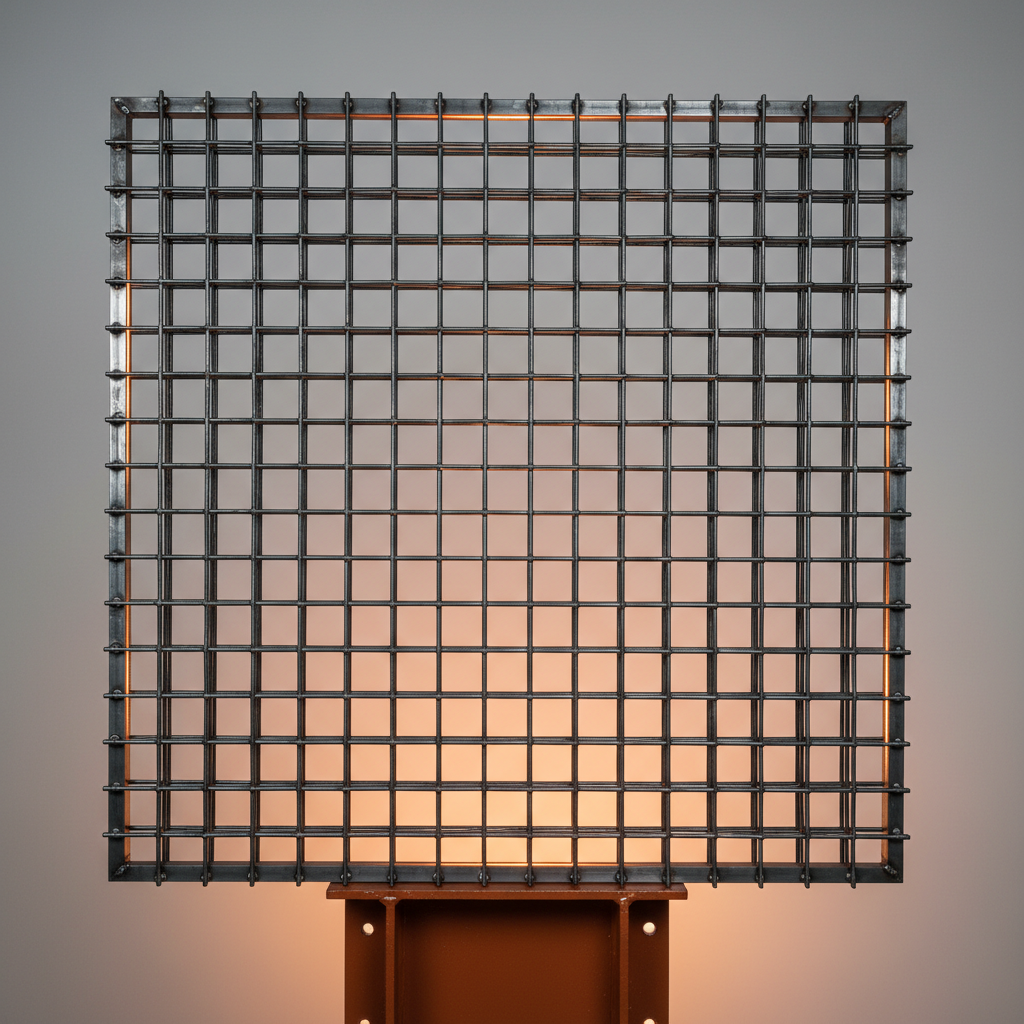 Heavy Duty 6 gauge welded wire mesh for Security and StrengthWhen it comes to heavy-duty containment, security, and structural reinforcement, choosing the right material is critical. The 6 gauge welded wire mesh stands as a premier choice for those requiring a balance of extreme rigidity and precise spacing. Whether you are securing a commercial perimeter, building industrial livestock panels, or creating reinforced concrete structures, this specific thickness provides the structural integrity needed to withstand significant pressure and impact. In this comprehensive guide, we will explore the technical specifications, primary applications, and why this mesh is the gold standard for high-security fencing solutions.Read more >
Apr 16 2026
-
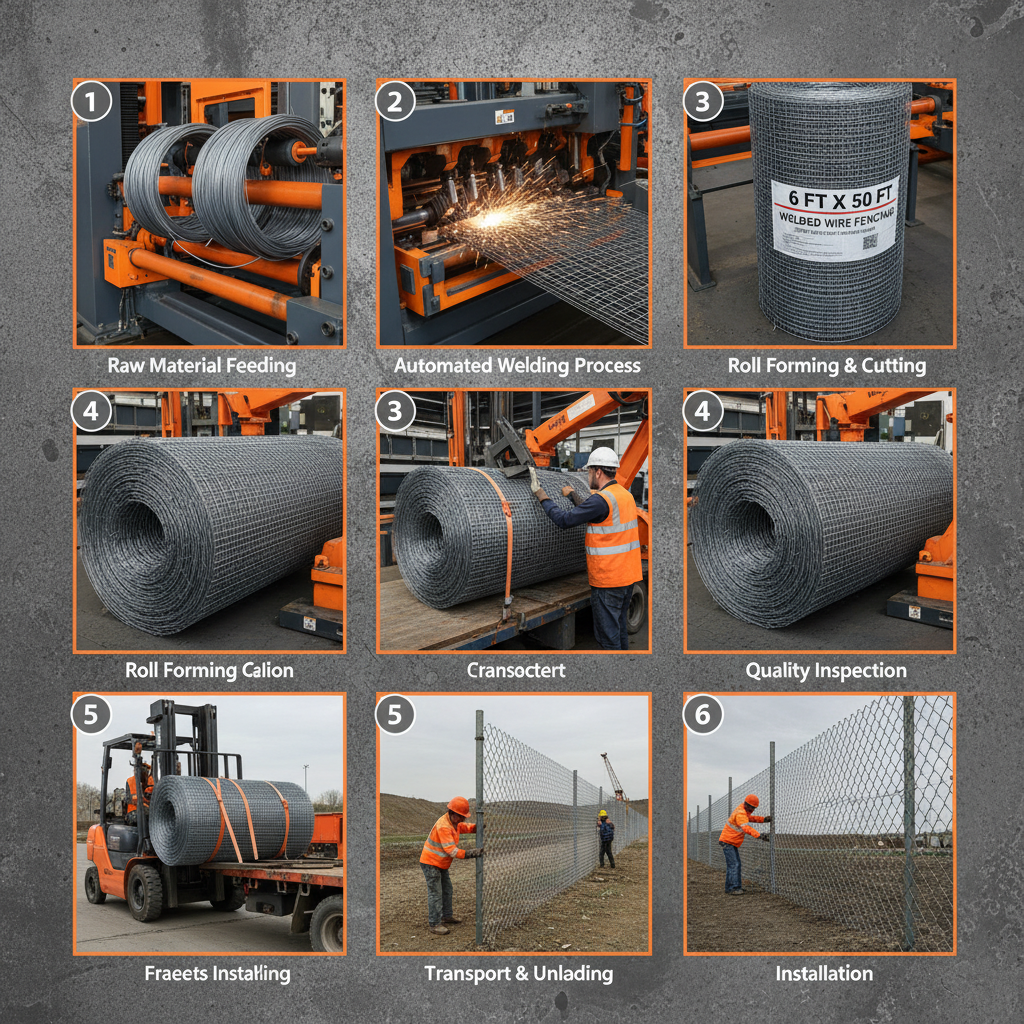 Durable 6 ft x 50 ft welded wire fencing for Security and GardensWhen it comes to securing a perimeter, whether for agricultural use, garden protection, or industrial boundaries, the dimensions and material of your fence matter. The 6 ft x 50 ft welded wire fencing offers an ideal balance of height and length, providing a robust barrier that is easy to install and maintain. Choosing a welded wire system ensures that the intersections are fused together, preventing the shifting and sagging often found in woven alternatives. In this guide, we will explore why this specific size is a preferred choice for property owners and how to maximize its effectiveness for your specific project.Read more >
Apr 09 2026
-
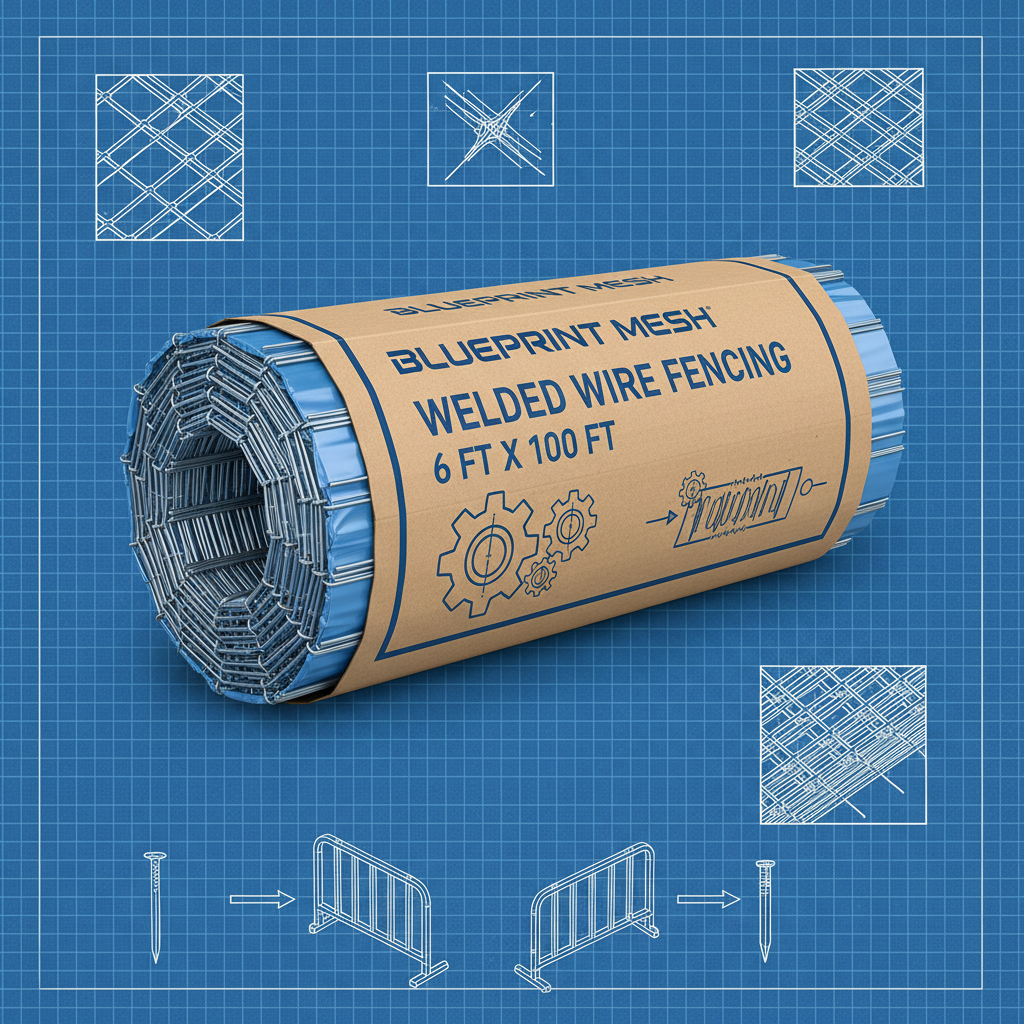 Comprehensive Guide to Choosing the Best 6 ft x 100 ft Welded Wire FencingWelded wire fencing is a versatile and cost-effective solution for a wide range of applications, from agricultural containment to residential security. Understanding the nuances of different types, especially when considering a size like 6 ft x 100 ft welded wire fencing, is crucial for making the right investment. This article will guide you through the essential factors to consider, helping you select the fencing that best suits your specific requirements.Read more >
Apr 07 2026
-
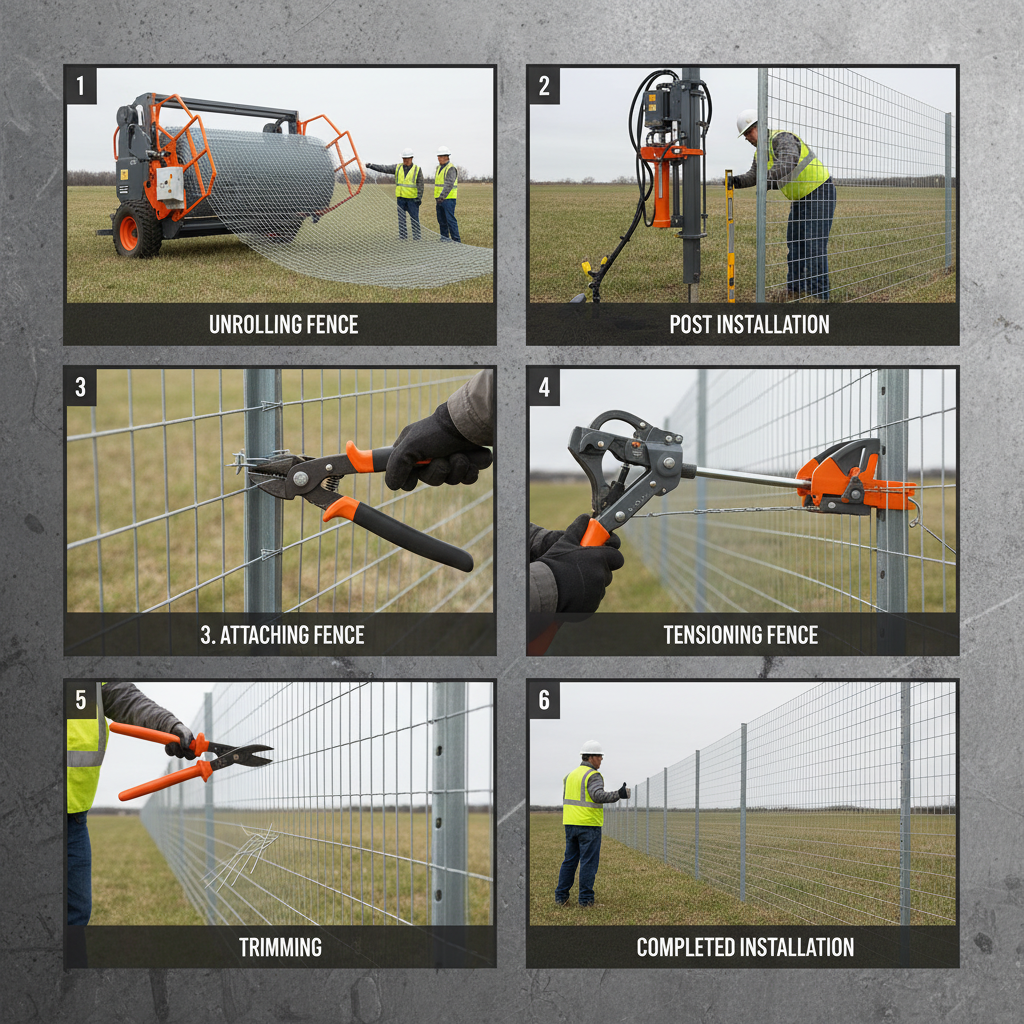 Comprehensive Guide to Choosing a 6 ft x 100 ft 12.5 Gauge Welded Wire FenceSelecting the appropriate fence for your property requires careful consideration. A 6 ft x 100 ft 12.5 gauge welded wire fence offers a robust and versatile solution for a variety of applications, from pet containment to garden protection and security. This guide will explore the benefits, applications, installation tips, and considerations when choosing this type of fencing. Understanding its construction and comparing it to other fencing options will help you make an informed decision.Read more >
Apr 04 2026
-
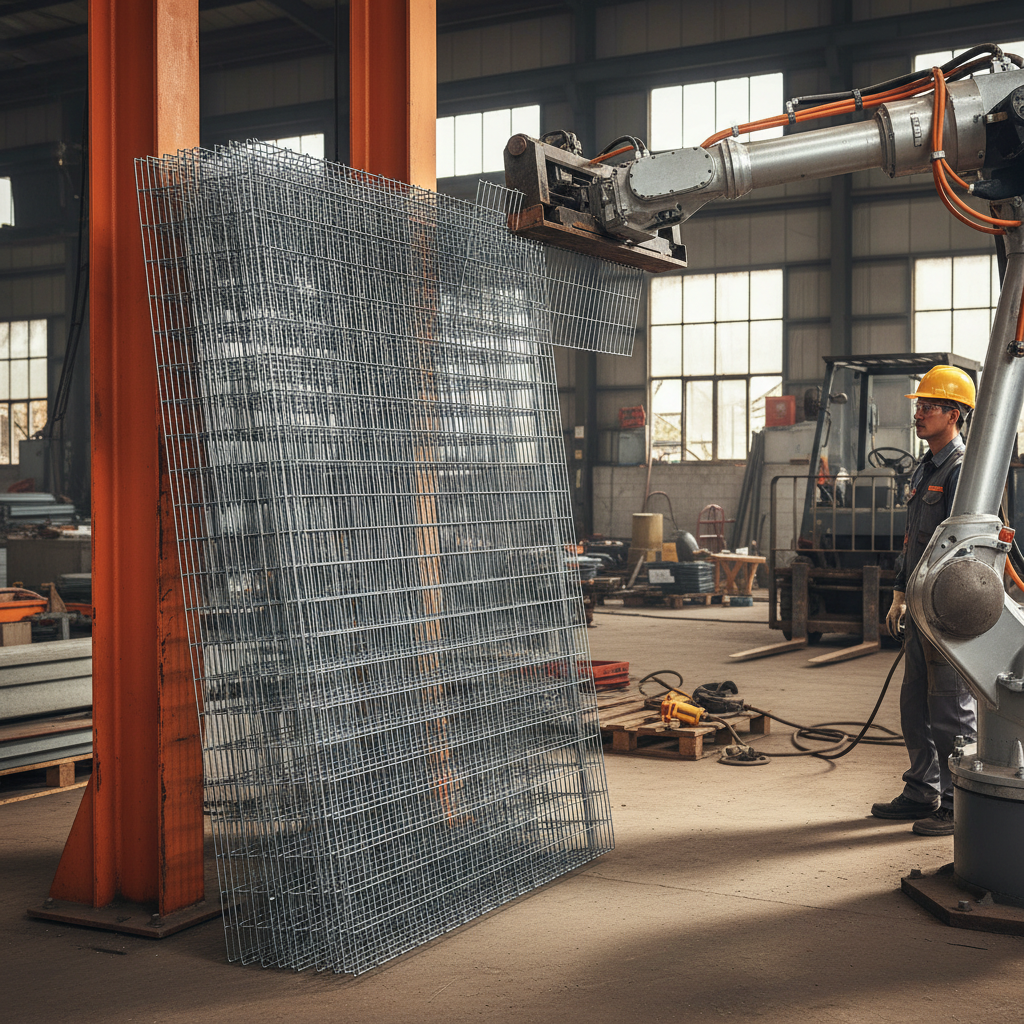 Comprehensive Guide to Durable 6 ft Welded Wire Fencing Panels and ApplicationsWhen selecting fencing for your property, 6 ft welded wire fencing panels offer a robust and versatile solution. These panels combine strength, security, and ease of installation, making them a popular choice for both residential and commercial applications. This article delves into the benefits, applications, installation, and maintenance of these panels, helping you make an informed decision.Read more >
Mar 31 2026