


Durable and Eco-Friendly Plastic Wire Fence Netting for Global Security & Agriculture
Understanding Plastic Wire Fence Netting: A Vital Tool for Global Security and Sustainability
In a world where security, controlled access, and resource protection have become critical across industries and humanitarian sectors, plastic wire fence netting emerges as a smart, versatile solution. This lightweight yet robust fencing option is increasingly used globally—to contain livestock, secure construction sites, or even provide temporary barriers in emergency zones. Knowing about plastic wire fence netting and how it fits into modern logistics and safety strategies can lead to smarter purchasing decisions and more sustainable infrastructure investments.
The Global Context: Why Plastic Wire Fence Netting Matters Today
The global fencing market is evolving rapidly. According to a 2023 report by the International Trade Centre and ISO standards on sustainable materials, plastic-based products are gaining traction for their durability and eco-friendliness in replacement of traditional metal fencing. In regions like sub-Saharan Africa and Southeast Asia, effective fencing solutions contribute directly to agricultural productivity and prevent livestock theft—a challenge that causes billions in losses yearly (World Bank, 2021).
Simultaneously, humanitarian organizations, such as the UNHCR, require quick-deploy, temporary fencing solutions to protect displaced populations, provide privacy, and establish secure zones in refugee camps. Plastic wire fence netting addresses these demands by offering a combination of rapid installation, cost-effectiveness, and reusability that traditional fencing struggles to match.
Mini takeaway:
Plastic wire fence netting isn't just a fence—it's a global enabler supporting agriculture, safety, and humanitarian aid across diverse environments.
What Exactly is Plastic Wire Fence Netting?
At its core, plastic wire fence netting is a mesh made from synthetic polymers—usually polypropylene or high-density polyethylene (HDPE)—molded into interconnected wires or strands. Unlike metal wire fences, plastic netting offers lighter weight, corrosion resistance, and flexible sizing. It mimics the form of traditional wire fences but eliminates many issues like rust and complex installation.
Industries ranging from agriculture and construction to disaster relief find this fencing essential because it balances strength and portability without a heavy footprint on the environment or workers' time.
Key Features and Core Components of Plastic Wire Fence Netting
Durability
One of the biggest selling points is its resistance to weathering. Unlike metal fences that rust or brittle natural fibers, plastic netting can withstand UV rays, rain, and temperature fluctuations for years, especially when UV-stabilized.
Lightweight & Easy Handling
The reduced weight means faster deployment and less manual labor. Workers often report being able to install fencing twice as quickly compared to steel wire. Plus, it’s easier to fold and transport, which shines when setup speed matters.
Cost Efficiency
Initially, plastic wire fence netting is cheaper overall—both in upfront costs and maintenance. No painting, no rust repairs, and much slimmer storage requirements make it popular for budget-conscious projects.
Safety
Plastic components are less likely to cause injury compared to sharp metal wires. In places like schools or animal enclosures, this physical safety contributes to peace of mind.
Environmental Impact
Recyclable materials and a lower carbon footprint in manufacturing align with increasing sustainability goals within industries globally. Often, manufacturers use recycled plastics to create these nets—a small but encouraging step towards greener fencing solutions.
Scalability & Customization
Plastic wire fence netting is flexible regarding panel sizes, mesh openings, and colors. This means application from small garden fences to large perimeter security is possible without drastic changes to production lines or installation methods.
Mini takeaway:
The blend of durability, lightweight design, and eco-conscious manufacturing frames plastic wire fence netting as a clear choice for modern fencing needs.
Real-World Applications: Where Plastic Wire Fence Netting Shines
The adaptability of plastic wire fence netting means it thrives in varied contexts:
- Agriculture: Across Australian farms and African pastoral lands, it protects herds and crops from predators and trespassers.
- Construction Sites: European construction projects often favor it for temporary surrounding fences to manage site safety and reduce debris spills.
- Humanitarian Relief: After natural disasters in South-East Asia, emergency teams quickly set up plastic fence nets to demarcate zones and provide privacy for displaced families.
- Residential Use: Homeowners prefer it for garden boundaries and pet enclosures, appreciating its aesthetics and ease of installation.
Advantages and Long-Term Value of Plastic Wire Fence Netting
It’s easy to overlook fencing as “just a fence,” but plastic wire fence netting packs impacts far beyond that. Cost savings through reduced maintenance and rapid installation translate to operational efficiency and better use of resources.
Emotionally, fences create safety—sometimes a feeling as valuable as actual protection. Trust is built when boundaries are clear, stable, and reliable. Dignity, especially in refugee camps, is maintained by giving families privacy and security.
Finally, embracing sustainable, recyclable materials ticks the box for businesses seeking certification or simply wanting to align with responsible sourcing standards.
Product Specification Table
| Specification | Value |
|---|---|
| Material | UV Stabilized HDPE / Polypropylene |
| Mesh Opening Size | 25mm x 25mm to 50mm x 50mm |
| Roll Length | 25m to 100m |
| Height Options | 0.5m to 2m |
| Weight | 0.15-0.3 kg/m² |
| Color Options | Green, White, Orange, Black |
| Fire Rating | Class B2 (DIN 4102) |
Comparing Leading Plastic Wire Fence Netting Vendors
| Vendor | Material Quality | Price per Roll | UV Resistance | Delivery Time |
|---|---|---|---|---|
| FencePro Ltd. | High-grade HDPE | $75 | Up to 5 years | 5-7 days |
| EcoMesh Solutions | Recycled PP Blend | $68 | 3-4 years | 7-10 days |
| SecureNetoring | UV-Protected HDPE | $80 | Up to 7 years | 3-5 days |
Looking Ahead: Innovations and Trends in Plastic Wire Fence Netting
The future of plastic wire fence netting looks pretty promising. There’s increasing interest in integrating IoT tech—imagine fences that notify you when breached or need repair. Biodegradable plastics are also on the horizon, offering similar durability but breaking down responsibly after decommissioning.
Additionally, manufacturers are leaning into digital design tools that let users customize panel sizes and strength properties before ordering—kind of like ordering tailored clothing, but for fencing. And as governments worldwide tighten environmental regulations, suppliers are pushed to innovate eco-friendlier options even further.
Common Challenges and Practical Solutions
No product is perfect, right? Common complaints about plastic wire fence netting include susceptibility to vandalism or cutting (plastic can be sliced more easily than metal) and UV degradation over a longer term, especially if non-UV-stabilized materials are used.
Experts recommend pairing plastic netting with alarm systems or periodic patrols in high-risk areas. Choosing premium UV-protected materials extends lifespan significantly—often past 5 years under full sun. Also, innovations in plastic composites are making these materials tougher all the time.
Frequently Asked Questions about Plastic Wire Fence Netting
Q1: How long does plastic wire fence netting typically last outdoors?
A1: With proper UV stabilization, plastic fence netting usually lasts between 5 to 7 years outdoors. However, exposure intensity, climate conditions, and material quality can affect longevity. Regular inspections help maximize lifespan.
Q2: Is plastic wire fence netting suitable for livestock containment?
A2: Yes, it’s widely used for fencing in animals like sheep and goats. It’s flexible enough to withstand bumps and pushes but strong enough to keep animals safely contained when properly installed.
Q3: Can plastic wire fence netting be recycled after use?
A3: Most plastic fence netting is made from recyclable materials like HDPE or polypropylene. Check with your local recycling programs, as some require netting to be clean and uncontaminated to accept it.
Q4: How fast can plastic wire fence netting be deployed on-site?
A4: Thanks to its lightweight rolls and flexible panels, installation is often twice as fast compared to metal wire fences. Experienced crews can fence several hundred meters in a day.
Q5: Are there color options for plastic wire fence netting?
A5: Absolutely! Popular colors are green, black, white, and bright orange—each serving specific visual or camouflaging needs depending on environment.
Conclusion: Secure Your Projects with Plastic Wire Fence Netting
Plastic wire fence netting stands out as a cost-efficient, durable, and environmentally friendly fencing choice that is growing in global importance. Whether you’re securing a remote construction site, managing a farm, or assisting in disaster relief, its versatility offers unmatched value—quick setup, reliable protection, and low maintenance.
Interested? Visit our website at https://www.chchfence.com to explore options, request samples, or chat with our experts for tailored recommendations. It’s time your fencing solution worked smarter, not harder.
Mini takeaway:
The future of fencing is bright, flexible, and plastic—without leaving behind sustainability or security concerns.
References
Latest News About CHENG CHUANG
-
 Heavy Duty 6 gauge welded wire mesh for Security and StrengthWhen it comes to heavy-duty containment, security, and structural reinforcement, choosing the right material is critical. The 6 gauge welded wire mesh stands as a premier choice for those requiring a balance of extreme rigidity and precise spacing. Whether you are securing a commercial perimeter, building industrial livestock panels, or creating reinforced concrete structures, this specific thickness provides the structural integrity needed to withstand significant pressure and impact. In this comprehensive guide, we will explore the technical specifications, primary applications, and why this mesh is the gold standard for high-security fencing solutions.Read more >
Apr 16 2026
-
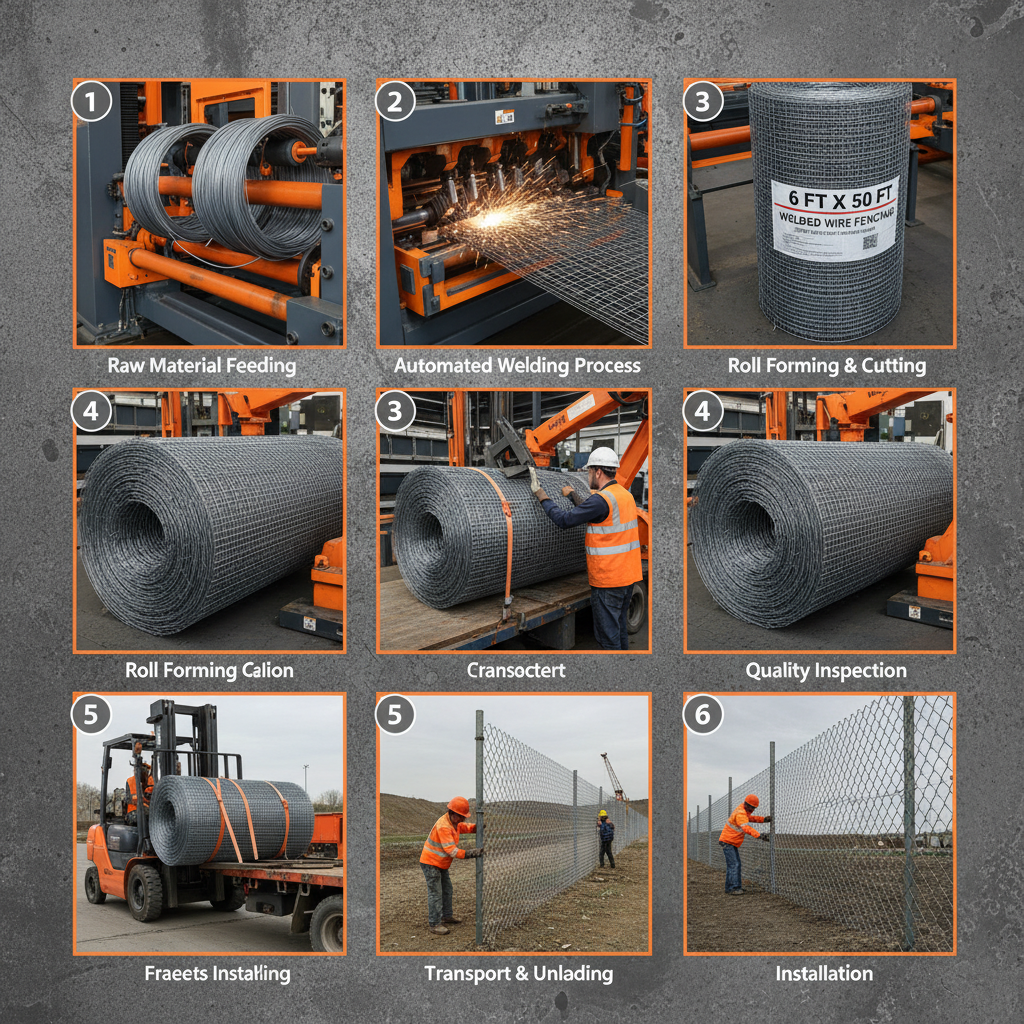 Durable 6 ft x 50 ft welded wire fencing for Security and GardensWhen it comes to securing a perimeter, whether for agricultural use, garden protection, or industrial boundaries, the dimensions and material of your fence matter. The 6 ft x 50 ft welded wire fencing offers an ideal balance of height and length, providing a robust barrier that is easy to install and maintain. Choosing a welded wire system ensures that the intersections are fused together, preventing the shifting and sagging often found in woven alternatives. In this guide, we will explore why this specific size is a preferred choice for property owners and how to maximize its effectiveness for your specific project.Read more >
Apr 09 2026
-
 Comprehensive Guide to Choosing the Best 6 ft x 100 ft Welded Wire FencingWelded wire fencing is a versatile and cost-effective solution for a wide range of applications, from agricultural containment to residential security. Understanding the nuances of different types, especially when considering a size like 6 ft x 100 ft welded wire fencing, is crucial for making the right investment. This article will guide you through the essential factors to consider, helping you select the fencing that best suits your specific requirements.Read more >
Apr 07 2026
-
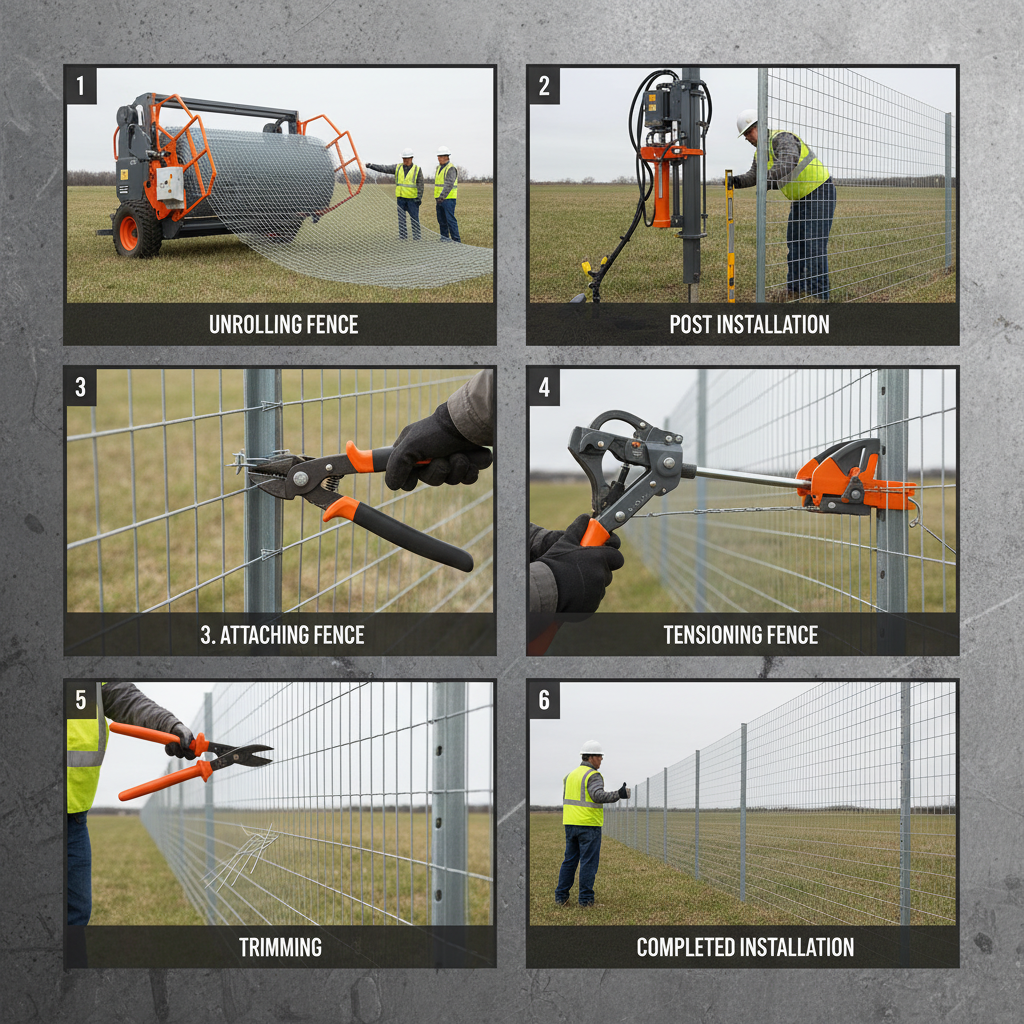 Comprehensive Guide to Choosing a 6 ft x 100 ft 12.5 Gauge Welded Wire FenceSelecting the appropriate fence for your property requires careful consideration. A 6 ft x 100 ft 12.5 gauge welded wire fence offers a robust and versatile solution for a variety of applications, from pet containment to garden protection and security. This guide will explore the benefits, applications, installation tips, and considerations when choosing this type of fencing. Understanding its construction and comparing it to other fencing options will help you make an informed decision.Read more >
Apr 04 2026
-
 Comprehensive Guide to Durable 6 ft Welded Wire Fencing Panels and ApplicationsWhen selecting fencing for your property, 6 ft welded wire fencing panels offer a robust and versatile solution. These panels combine strength, security, and ease of installation, making them a popular choice for both residential and commercial applications. This article delves into the benefits, applications, installation, and maintenance of these panels, helping you make an informed decision.Read more >
Mar 31 2026