


Durable and Cost-Effective PVC Coated Chain Link Fencing for Global Security and Sustainability
Understanding PVC Coated Chain Link Fencing: Why It Truly Matters
At first glance, pvc coated chain link fencing might sound like just another type of barrier—a practical, fairly mundane component of security and boundary definition. But dig deeper, and it becomes clear how vital it is, not only for industrial or residential applications but also for global humanitarian efforts and sustainability goals. This fencing type, a twist on traditional chain link, brings durability, corrosion resistance, and aesthetic appeal, making it a preferred choice worldwide.
With rapid urbanization, heightened safety concerns, and an increasing need for cost-effective, long-lasting fencing solutions, understanding the nuances of PVC coated chain link fencing helps architects, contractors, and planners make smarter decisions. More so in regions where weather and environmental factors are brutal, or where infrastructure needs to be rapidly deployed—think disaster relief zones or remote industrial hubs.
Mini takeaway: PVC coated chain link fencing is far from just a boundary; it’s a global enabler of safety, resilience, and sustainable infrastructure.
The Bigger Picture: Why PVC Coated Chain Link Fencing Is Globally Relevant
Urban areas worldwide are expanding at an unprecedented pace. According to the United Nations' World Urbanization Prospects, 68% of the global population is expected to live in cities by 2050. This surge demands secure, scalable fencing solutions to protect property, guide traffic, and maintain order.
Traditional galvanized steel fences can corrode quickly under certain weather conditions, especially in coastal or industrial zones with salt and chemicals in the air. This is where PVC coating enters the game, dramatically increasing lifespan and reducing maintenance costs.
Industries from agriculture to logistics, and even NGOs managing refugee camps, rely on such fencing to safeguard assets, manage crowds, and ensure privacy.
Mini takeaway: The combination of durability and adaptability in PVC coated chain link fencing addresses key global challenges—from urban growth to climate resilience.
Defining PVC Coated Chain Link Fencing in Simple Terms
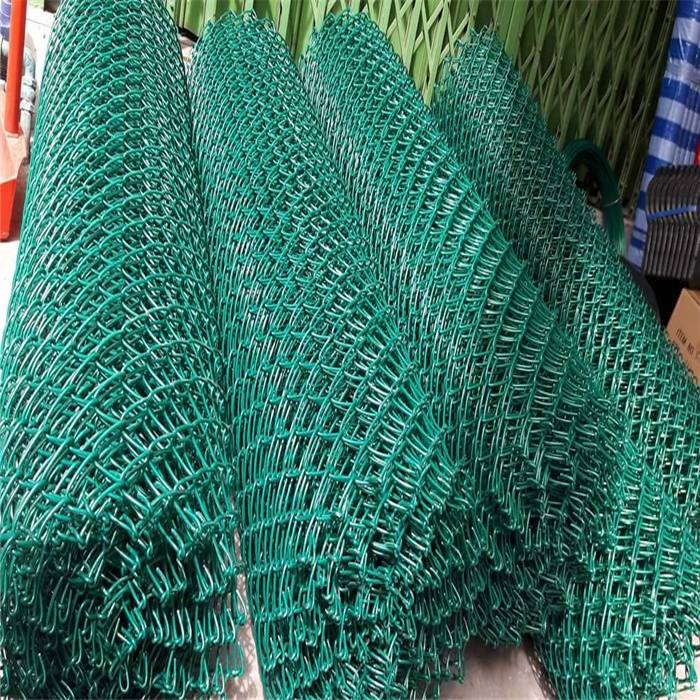
Put simply, PVC coated chain link fencing is a type of woven wire fence made by dipping or extruding a layer of Polyvinyl Chloride (PVC) onto standard galvanized steel wire. This plastic layer helps protect the metal underneath from rusting and enhances its appearance.
The result? A fence that's stronger against the elements, less prone to degradation, and available in colors other than just "metallic gray." This fencing type is versatile—used widely where security, aesthetics, and cost efficiency meet: schools, industrial parks, sports arenas, and more.
Mini takeaway: At its core, it's galvanized chain link upgraded with a protective plastic coat to withstand time and terrain better.
Key Components That Make PVC Coated Chain Link Fencing So Effective
1. Durability
The PVC layer protects the steel wire from moisture, UV exposure, and chemical pollutants. This coating delays rust by years, sometimes even decades. In coastal areas or industrial zones with acidic air, this can mean the fence lasts twice as long compared to bare galvanized steel.
2. Aesthetic Flexibility
While uncoated chain link fences are mostly silver/gray, PVC coatings can be applied in green, black, or custom colors. This helps fences blend in naturally or complement corporate or community branding.
3. Cost Efficiency
Because this type of fencing requires less frequent repair or replacement, operational costs drop substantially over the fence’s lifetime.
4. Ease of Installation
Chain link fences, in general, are quick to install. The PVC coating adds no complexity—contractors appreciate this for rapid deployment, especially in emergency or large-scale projects.
5. Low Maintenance
The smooth, plastic-covered surface discourages debris accumulation and is easier to clean. This means fewer maintenance rounds and less downtime.
6. Environmental Resistances
From snow to intense sun, from salty sea breezes to urban pollution, PVC coated chain link fencing stands firm without the peeling or chipping problems common in some painted fences.
Mini takeaway: It’s a well-rounded package—durable, attractive, affordable, and adaptable to varied conditions.
Real-World Applications: Where and How It’s Making a Difference
- Industrial Zones: Factories and warehouses frequently use PVC coated chain link fencing to secure sites exposed to corrosive chemicals or heavy rains.
- Schools & Parks: The ability to use colored coatings means fences can be visually appealing while serving as child-safe boundaries.
- Refugee Camps & Humanitarian Sites: NGOs prefer fences that are rapidly deployable, weather-resistant, and less likely to fail under harsh conditions. PVC coated fences have been used extensively in emergency response after floods or conflicts.
- Sports Complexes: Robust yet unobtrusive fencing ensures spectator safety without blocking the view.
- Residential Subdivisions: Enhancing curb appeal while offering security.
- Remote Infrastructure: Pipelines, research stations, and utility plants in remote areas rely on fencing that doesn’t require frequent upkeep and can withstand extreme climates.
Mini takeaway: From bustling cities to remote wilderness, PVC coated chain link fencing adapts seamlessly.
Advantages and the Long-Term Value of PVC Coated Chain Link Fencing
Long-term, stakeholders benefit in various tangible and intangible ways:
- Safety & Security: Reliable fencing keeps unwanted intrusions out and people safe.
- Cost Savings: Less replacement and repair equals more budget for other priorities.
- Sustainability: Longer lifespan means fewer materials discarded, reducing environmental footprint.
- Visual Appeal: Custom colors help foster community identity or corporate branding with subtlety.
- Social Impact: Durable fencing in refugee camps or relief sites helps preserve dignity and order.
Frankly, the peace of mind for owners and users is perhaps the most undervalued benefit—it’s easier to sleep at night knowing your perimeter won’t fail on you.
Product Specification Table
| Specification | Detail |
|---|---|
| Material | Galvanized Steel Wire with PVC Coating |
| Mesh Size | Typically 2" Hex or Diamond pattern, customizable |
| Coating Thickness | 200-350 microns standard, varies by manufacturer |
| Colors Available | Green, Black, White, Customized |
| Maximum Height | Up to 12 feet standard |
| Warranty | 5-10 years against coating failure |
Comparing Vendors: What to Watch Out For
| Vendor | Coating Thickness | Color Options | Customization | Lead Time |
|---|---|---|---|---|
| FenceCo Plus | 250 microns | Green, Black | Custom mesh size | 2 weeks |
| Durafence Corp | 200 microns | Green, White, Black | Color match on request | 3 weeks |
| Global Mesh Solutions | 350 microns | Green, Black, Custom Colors | Custom heights & colors | 4 weeks |
The Future of PVC Coated Chain Link Fencing: Innovations on the Horizon
Emerging trends hint that the future isn’t just about thicker coatings or flashy colors. It’s about integrating sustainability and tech. For example, bio-based PVC alternatives are beginning to appear, reducing dependence on fossil-based plastics. Also, IoT-enabled fencing that can monitor structural integrity or intrusions digitally might become common within the next decade.
Solar-powered security lighting attached to fencing, or fencing embedded with sensors to aid wildlife monitoring, represent innovations that align with smart cities and green energy efforts. Though these ideas sound high-tech now, they’re on the cusp of becoming mainstream.
Mini takeaway: PVC coated fencing will soon be part of broader ecosystem thinking—safer, smarter, and more sustainable.
Challenges and Practical Solutions
One challenge with PVC coated fencing is the potential for coating damage during transport or installation. Scratches or tears in the PVC can expose the steel, inviting rust. To counter this, professional installers emphasize gentle handling and frequent inspections post-installation.
Another hurdle is disposal or recycling. PVC isn’t the most eco-friendly plastic. Industry insiders recommend end-of-life plans that include mechanical recycling or energy recovery processes where feasible, to mitigate environmental impact.
Lastly, budget constraints in some sectors mean opting for cheaper, less durable fencing—only to face replacement costs sooner. Educating stakeholders about life-cycle costs often helps tip the decision in favor of PVC coated fencing.
Mini takeaway: While limitations exist, growing expertise and sustainability efforts are steadily improving outcomes.
FAQs: Quick Answers About PVC Coated Chain Link Fencing
- How long does PVC coated chain link fencing typically last?
- With proper installation and maintenance, these fences can last 15 to 25 years, sometimes longer depending on environmental conditions. The PVC coating significantly extends lifespan compared to uncoated fences.
- Is the PVC coating environmentally safe?
- While PVC is durable, it’s plastic polymer-based and not biodegradable. However, research into bio-based PVC alternatives and recycling programs is helping reduce environmental impact.
- Can PVC coated chain link fences be customized?
- Yes, vendors offer different coating colors, mesh sizes, heights, and thicknesses. Custom colors help match branding or blend with surroundings.
- Are these fences suitable for extreme climates?
- Indeed. The PVC layer protects from UV rays, moisture, salt spray, and chemicals, making it ideal for coastal, desert, and industrial environments.
- How quickly can PVC coated fencing be installed?
- Chain link fencing is known for quick deployment. Depending on project size and terrain, installation can take days to a few weeks, much faster than masonry walls or wood fencing.
Conclusion: Why Investing in PVC Coated Chain Link Fencing Pays Off
Understanding the depth and breadth of pvc coated chain link fencing reveals it’s a long-term partner in safety, sustainability, and smart infrastructure. It balances cost, durability, and aesthetics in a way few other fencing solutions do, securing assets while enhancing surroundings.
If you’re weighing fencing options for a project, whether it’s a school, factory, or humanitarian facility, giving PVC coated fencing a serious look might just save you headaches — and money — down the line.
Looking to explore options or get expert advice? Visit our website at https://www.chchfence.com and discover how PVC coated chain link fencing can fit your needs.
References
Latest News About CHENG CHUANG
-
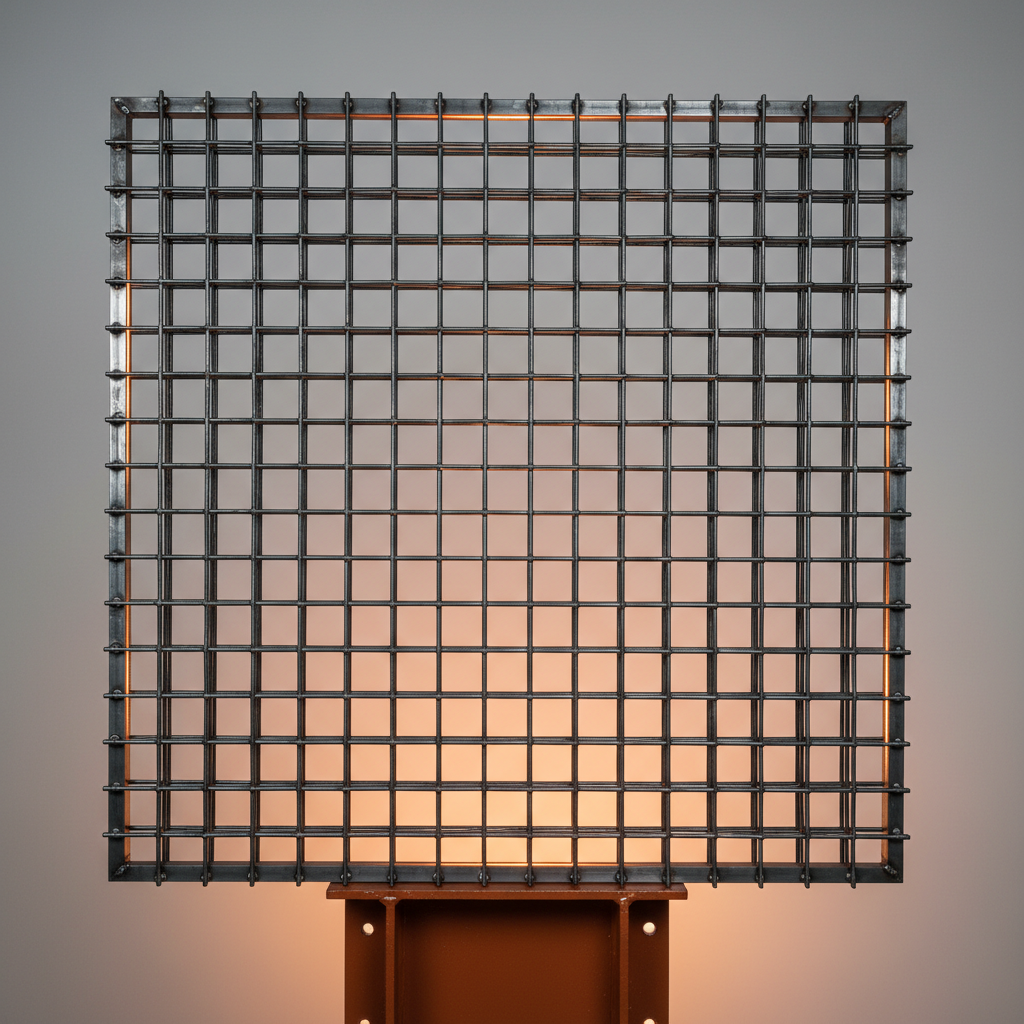 Heavy Duty 6 gauge welded wire mesh for Security and StrengthWhen it comes to heavy-duty containment, security, and structural reinforcement, choosing the right material is critical. The 6 gauge welded wire mesh stands as a premier choice for those requiring a balance of extreme rigidity and precise spacing. Whether you are securing a commercial perimeter, building industrial livestock panels, or creating reinforced concrete structures, this specific thickness provides the structural integrity needed to withstand significant pressure and impact. In this comprehensive guide, we will explore the technical specifications, primary applications, and why this mesh is the gold standard for high-security fencing solutions.Read more >
Apr 16 2026
-
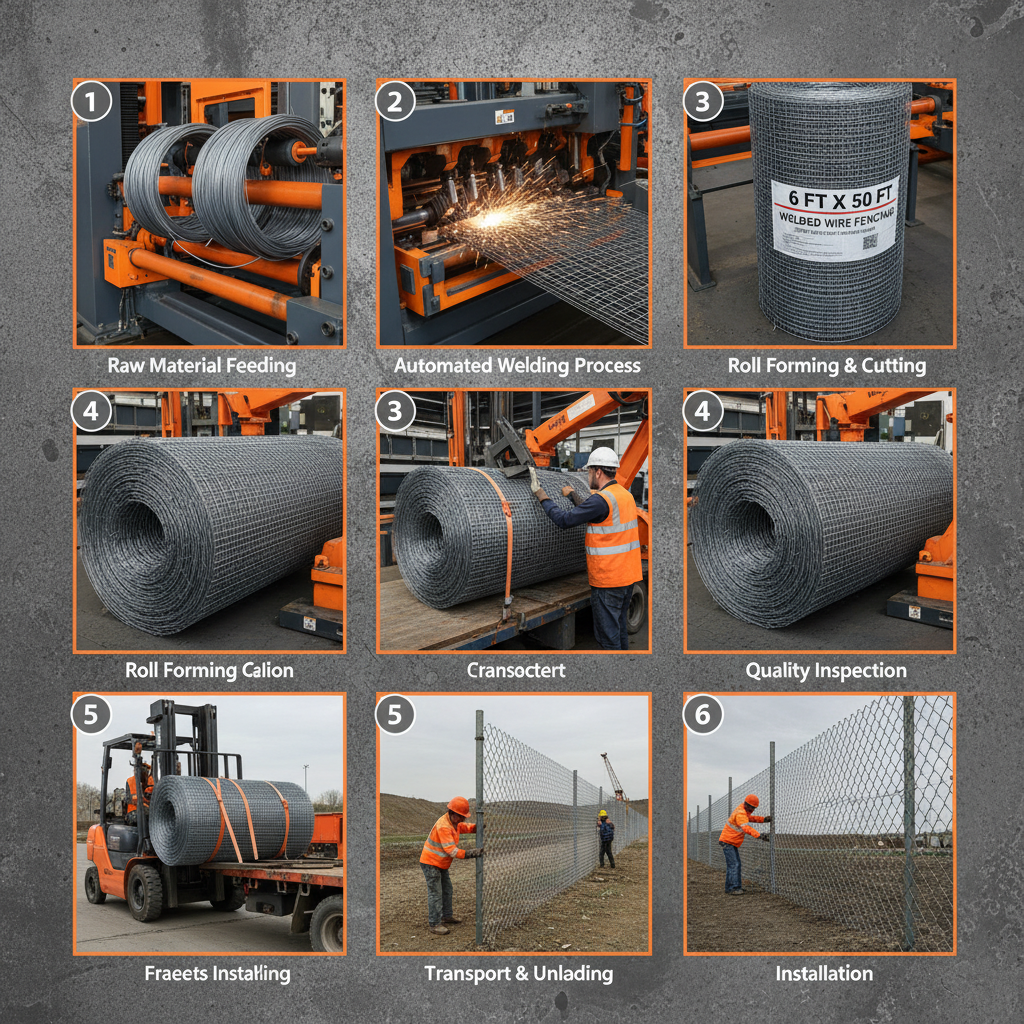 Durable 6 ft x 50 ft welded wire fencing for Security and GardensWhen it comes to securing a perimeter, whether for agricultural use, garden protection, or industrial boundaries, the dimensions and material of your fence matter. The 6 ft x 50 ft welded wire fencing offers an ideal balance of height and length, providing a robust barrier that is easy to install and maintain. Choosing a welded wire system ensures that the intersections are fused together, preventing the shifting and sagging often found in woven alternatives. In this guide, we will explore why this specific size is a preferred choice for property owners and how to maximize its effectiveness for your specific project.Read more >
Apr 09 2026
-
 Comprehensive Guide to Choosing the Best 6 ft x 100 ft Welded Wire FencingWelded wire fencing is a versatile and cost-effective solution for a wide range of applications, from agricultural containment to residential security. Understanding the nuances of different types, especially when considering a size like 6 ft x 100 ft welded wire fencing, is crucial for making the right investment. This article will guide you through the essential factors to consider, helping you select the fencing that best suits your specific requirements.Read more >
Apr 07 2026
-
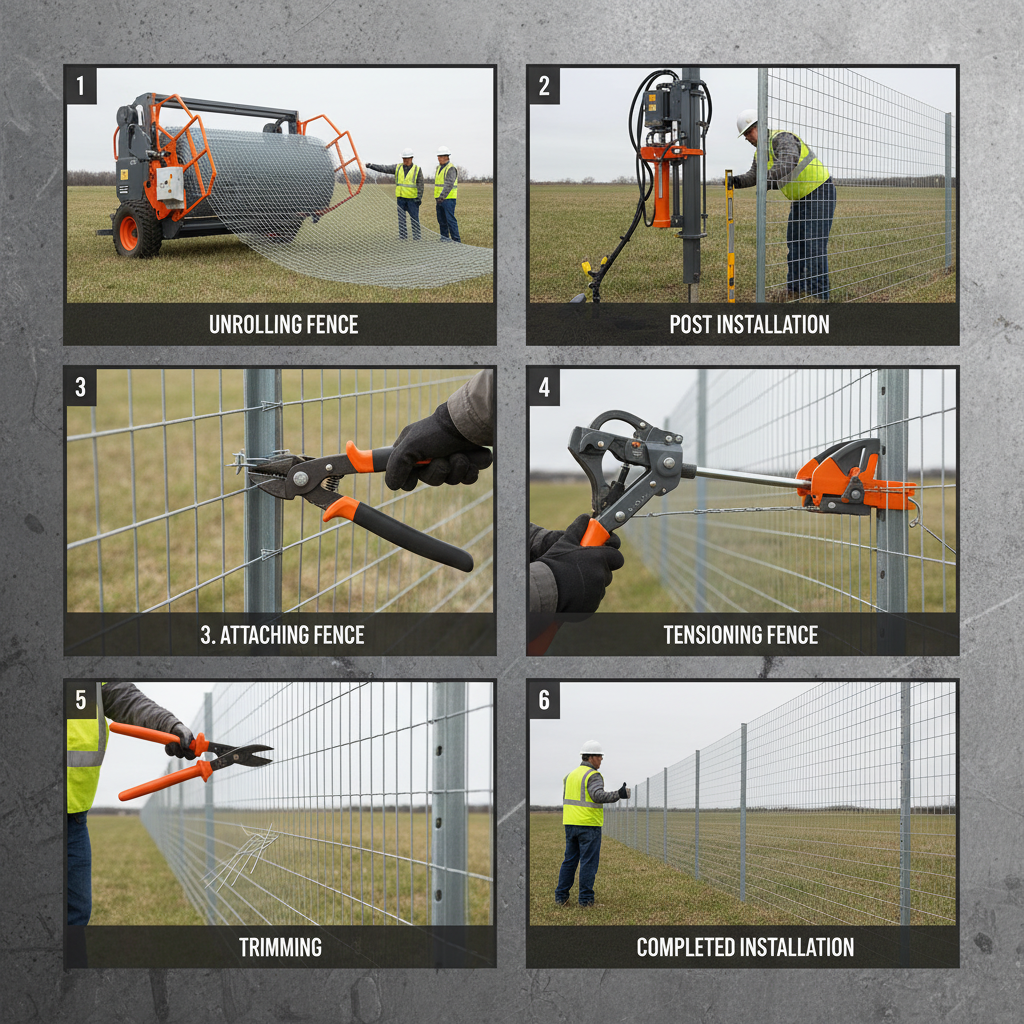 Comprehensive Guide to Choosing a 6 ft x 100 ft 12.5 Gauge Welded Wire FenceSelecting the appropriate fence for your property requires careful consideration. A 6 ft x 100 ft 12.5 gauge welded wire fence offers a robust and versatile solution for a variety of applications, from pet containment to garden protection and security. This guide will explore the benefits, applications, installation tips, and considerations when choosing this type of fencing. Understanding its construction and comparing it to other fencing options will help you make an informed decision.Read more >
Apr 04 2026
-
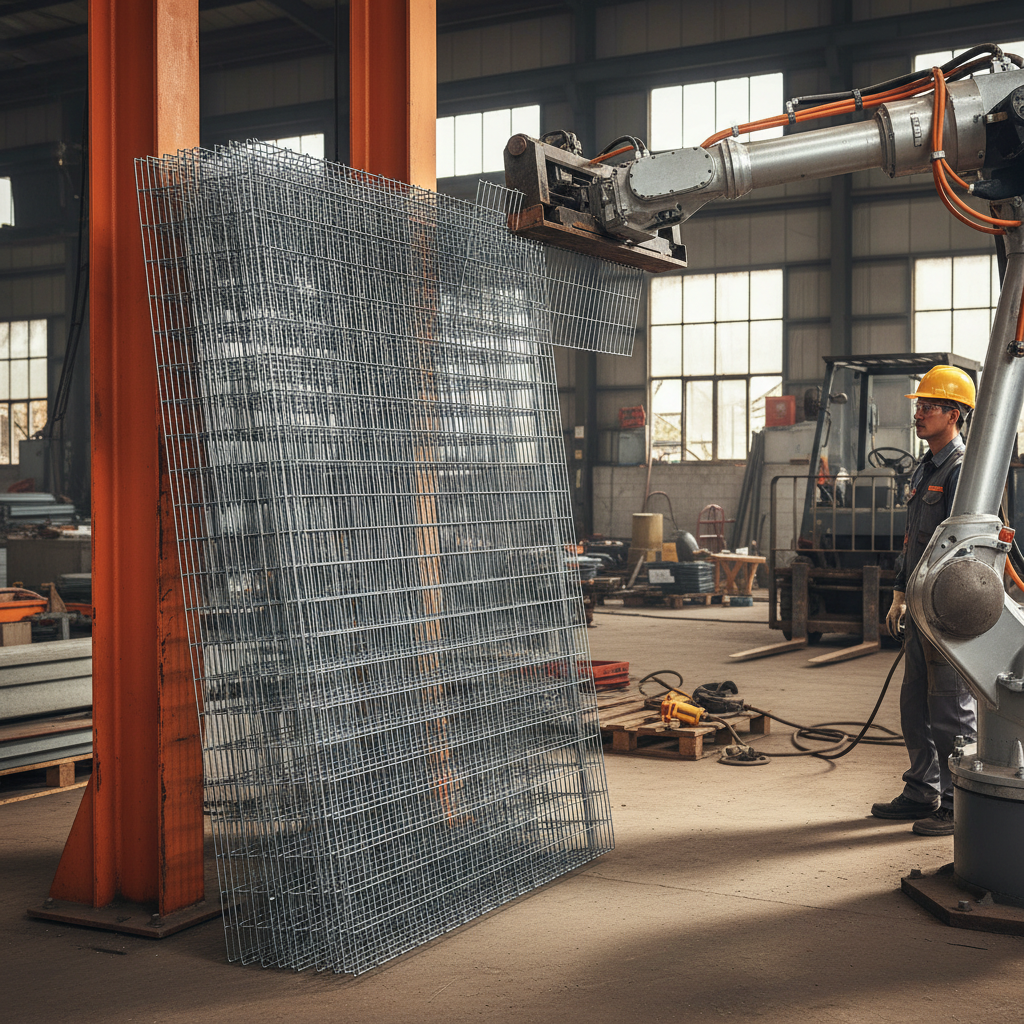 Comprehensive Guide to Durable 6 ft Welded Wire Fencing Panels and ApplicationsWhen selecting fencing for your property, 6 ft welded wire fencing panels offer a robust and versatile solution. These panels combine strength, security, and ease of installation, making them a popular choice for both residential and commercial applications. This article delves into the benefits, applications, installation, and maintenance of these panels, helping you make an informed decision.Read more >
Mar 31 2026