


Durable 1 2 Welded Wire Fence – Quality & Custom Options | CHCHFence
1 2 Welded Wire Fence: A Reliable Choice for Industrial and Agricultural Needs
Having been around industrial equipment and fencing solutions for over a decade, I can tell you that the 1 2 welded wire fence remains a staple in both industrial and agricultural sectors. It's the kind of product that quietly does its job without fuss, and honestly, that reliability is why so many facilities keep coming back to it.
Now, you might wonder what makes this wire fence stand out in a crowded market full of options. Well, it’s partly about the material — generally galvanized steel, sometimes coated for extra corrosion resistance — and partly about the way it's fabricated. The “1 2” designation usually refers to the mesh opening size, typically 1 inch by 2 inches, which strikes a practical balance between visibility, strength, and containment. Oddly enough, it's this specific sizing that makes it versatile enough for everything from livestock enclosures to security perimeters. Frankly, many engineers I’ve worked with seem to prefer this size for its “just right” approach.
One anecdote that sticks with me is a farm in the Midwest that initially chose a cheaper, lighter gauge fence. Within a season, parts were sagging and damaged thanks to weather and livestock impact. Switching to a heavier-duty 1 2 welded wire fence literally turned things around. The robustness saved time and money on maintenance. It just feels sturdier — a subtle but crucial difference.
Material and Build Quality: Why It Matters
The construction of the welded wire mesh involves carefully fusing steel wires at each junction, creating a rigid grid. This avoids the sagging or stretching you sometimes see in woven wire fences. Plus, modern galvanization methods apply a zinc coating that helps withstand rust for years, even when exposed to heavy rain or humidity. For applications near coastal areas, some vendors take it a step further with PVC coatings, enhancing longevity.
It’s worth noting the gauge of wire affects durability too. Common gauges range from 14 to 12 – with lower numbers indicating thicker wire. A 12-gauge wire, for example, can handle more punishment and is less likely to deform under pressure — a point many site managers appreciate.
| Specification | Details |
|---|---|
| Mesh Size | 1 inch x 2 inch openings |
| Wire Gauge | 12 to 14 gauge steel wire |
| Material | Galvanized steel, optional PVC coating |
| Height Options | 3' to 6' commonly available |
| Finish | Standard zinc galvanization |
Comparing Top Vendors: Trust and Quality in the Market
Choosing the right supplier? It’s often a deciding factor. I’ve worked with a few vendors supplying the 1 2 welded wire fence, and here’s a quick rundown that might help if you’re shopping around:
| Vendor | Material Quality | Customization | Lead Time | Warranty |
|---|---|---|---|---|
| CHCHFence | High-grade galvanized steel | Custom sizes and coatings | 2-3 weeks | 5 years |
| Vendor A | Standard galvanized | Limited | 3-4 weeks | 3 years |
| Vendor B | Galvanized + PVC | Standard sizes only | 4-5 weeks | 4 years |
Interestingly, CHCHFence seems to strike a good balance: quality materials, reasonable lead times, and decent warranty offers — factors many site managers emphasize. I’ve noticed that being flexible on customization options, like wire gauge and coating finishes, really gives them an edge in tailoring fences to specific environmental needs.
In real terms, investing a bit more on a durable welded wire fence upfront saves headaches down the line: fewer repairs, less downtime, and frankly, peace of mind. With farming seasons or project deadlines, you don’t want your fencing holding you back.
To wrap up, if you’re hunting for a no-nonsense fencing solution that’s proven, adaptable, and tested in the field, the 1 2 welded wire fence is certainly worth a look. It may not be flashy, but it’s exactly the kind of dependable gear that folks in my line of work appreciate.
1. National Association of Fence Contractors, Industry Insights 2023
2. Journal of Agricultural Engineering, Vol. 58, 2022
3. Personal experience and site visits over 12 years
Latest News About CHENG CHUANG
-
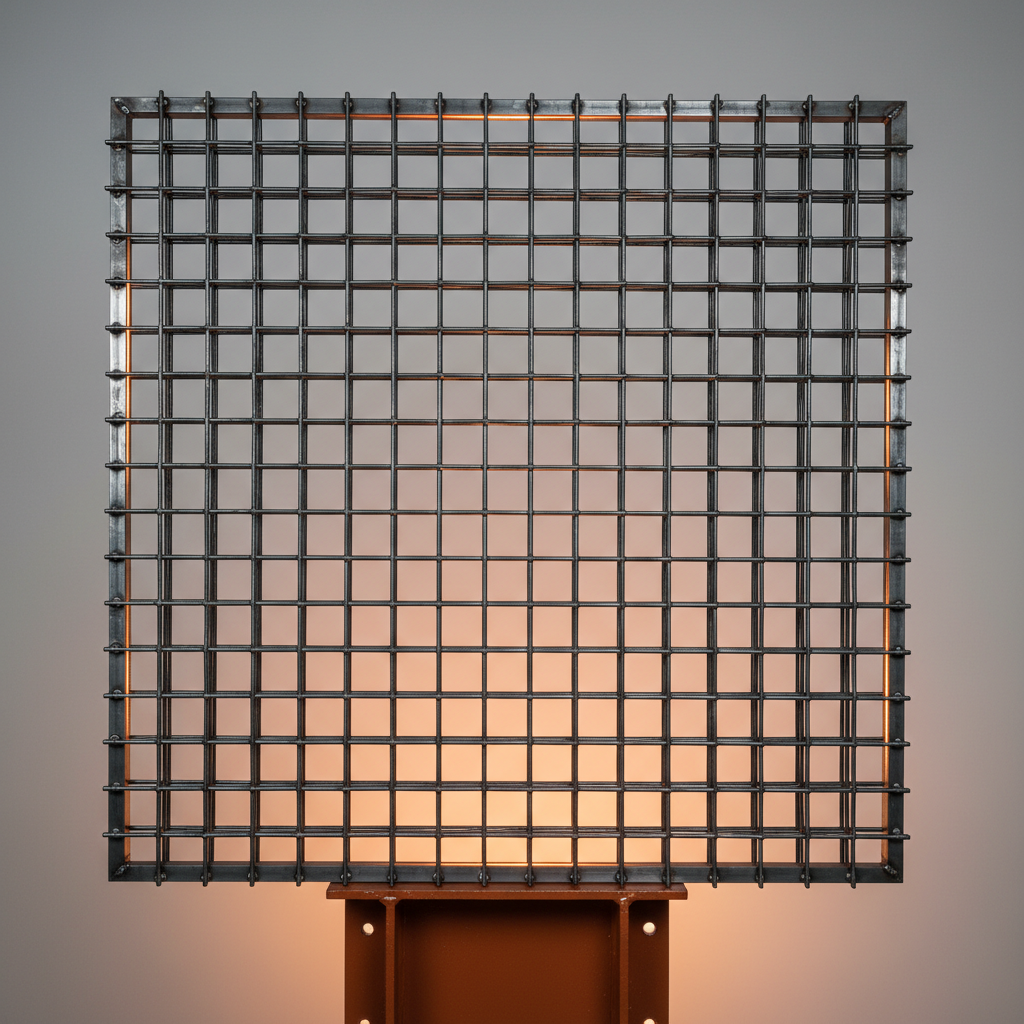 Heavy Duty 6 gauge welded wire mesh for Security and StrengthWhen it comes to heavy-duty containment, security, and structural reinforcement, choosing the right material is critical. The 6 gauge welded wire mesh stands as a premier choice for those requiring a balance of extreme rigidity and precise spacing. Whether you are securing a commercial perimeter, building industrial livestock panels, or creating reinforced concrete structures, this specific thickness provides the structural integrity needed to withstand significant pressure and impact. In this comprehensive guide, we will explore the technical specifications, primary applications, and why this mesh is the gold standard for high-security fencing solutions.Read more >
Apr 16 2026
-
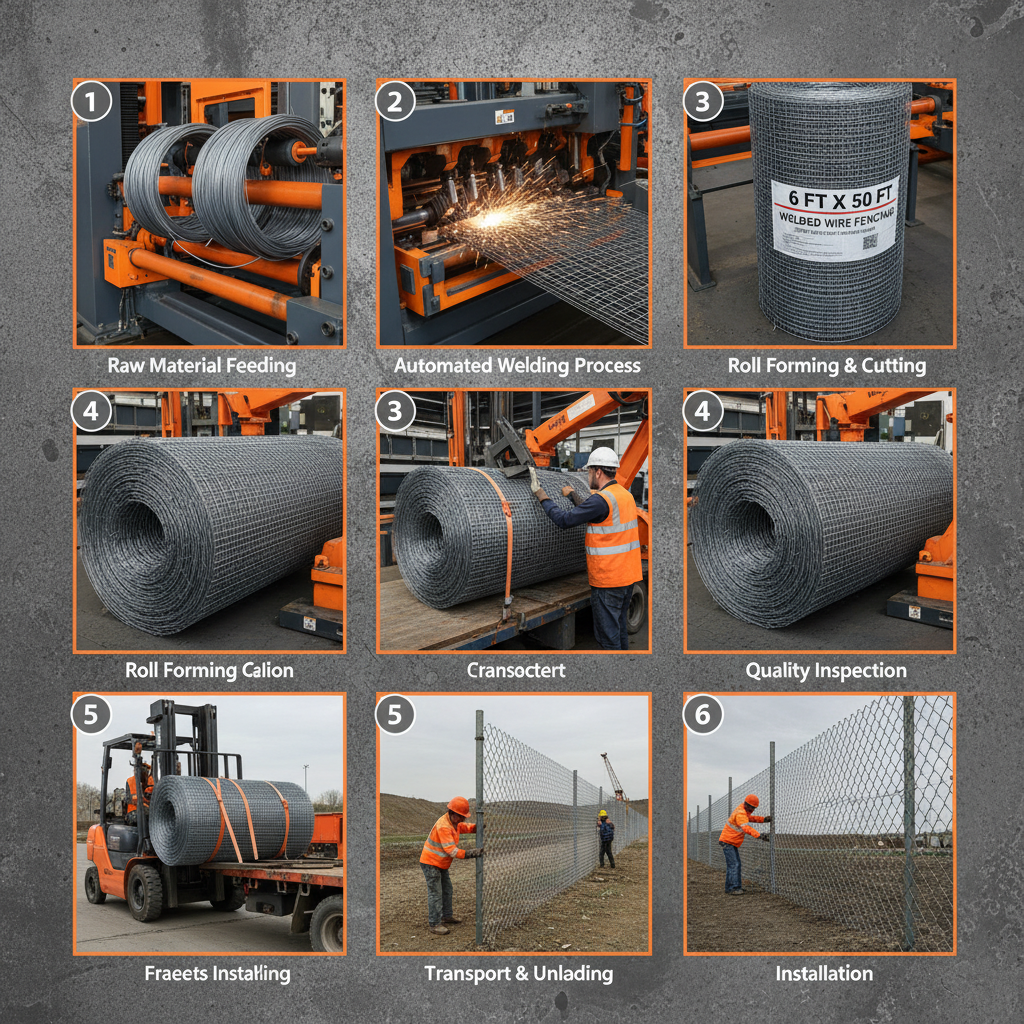 Durable 6 ft x 50 ft welded wire fencing for Security and GardensWhen it comes to securing a perimeter, whether for agricultural use, garden protection, or industrial boundaries, the dimensions and material of your fence matter. The 6 ft x 50 ft welded wire fencing offers an ideal balance of height and length, providing a robust barrier that is easy to install and maintain. Choosing a welded wire system ensures that the intersections are fused together, preventing the shifting and sagging often found in woven alternatives. In this guide, we will explore why this specific size is a preferred choice for property owners and how to maximize its effectiveness for your specific project.Read more >
Apr 09 2026
-
 Comprehensive Guide to Choosing the Best 6 ft x 100 ft Welded Wire FencingWelded wire fencing is a versatile and cost-effective solution for a wide range of applications, from agricultural containment to residential security. Understanding the nuances of different types, especially when considering a size like 6 ft x 100 ft welded wire fencing, is crucial for making the right investment. This article will guide you through the essential factors to consider, helping you select the fencing that best suits your specific requirements.Read more >
Apr 07 2026
-
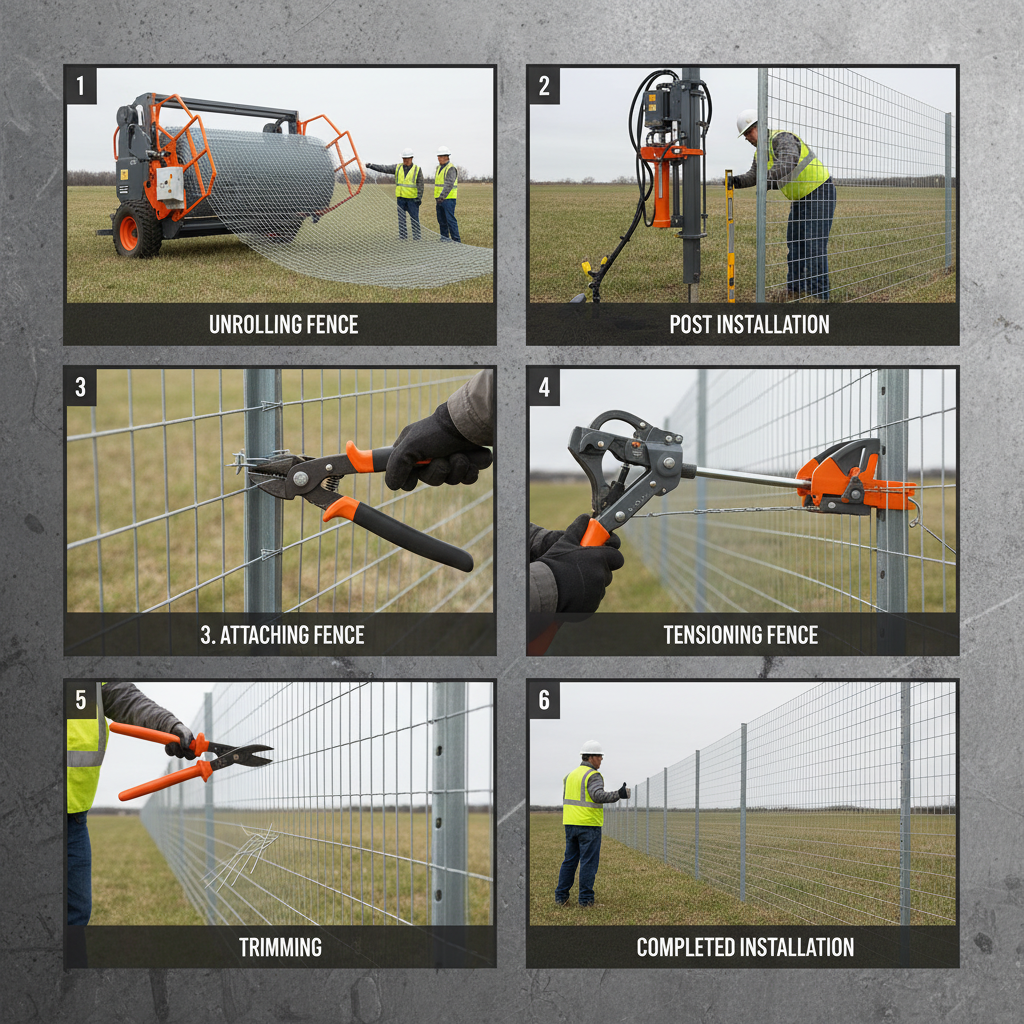 Comprehensive Guide to Choosing a 6 ft x 100 ft 12.5 Gauge Welded Wire FenceSelecting the appropriate fence for your property requires careful consideration. A 6 ft x 100 ft 12.5 gauge welded wire fence offers a robust and versatile solution for a variety of applications, from pet containment to garden protection and security. This guide will explore the benefits, applications, installation tips, and considerations when choosing this type of fencing. Understanding its construction and comparing it to other fencing options will help you make an informed decision.Read more >
Apr 04 2026
-
 Comprehensive Guide to Durable 6 ft Welded Wire Fencing Panels and ApplicationsWhen selecting fencing for your property, 6 ft welded wire fencing panels offer a robust and versatile solution. These panels combine strength, security, and ease of installation, making them a popular choice for both residential and commercial applications. This article delves into the benefits, applications, installation, and maintenance of these panels, helping you make an informed decision.Read more >
Mar 31 2026