


Comprehensive Guide to Nickel Wire Mesh: Industrial Uses and Global Trends
A Close Look at Nickel Wire Mesh: Why It Matters Globally and Industry-Wide
Nickel wire mesh might sound like the kind of technical material that only engineers and industrial experts care about. But in truth, it’s quietly underpinning a whole range of essential industries—from aerospace to healthcare, environmental protection to electronics. Why? Because it combines the rare durability of nickel with a mesh structure that provides strength and versatility. As the world grows more dependent on advanced materials to tackle global challenges, understanding nickel wire mesh becomes less niche and more essential. The benefits? Better corrosion resistance, improved filtration, and long-term cost savings that can ripple through supply chains worldwide.
The Global Context: A Material in Demand
Oddly enough, when you peek at the global supply chains monitored by organizations like the International Organization for Standardization (ISO) or economic reports from the World Bank, nickel-based products keep popping up in the resilience reports of critical infrastructure. Why is that? Well, nickel wire mesh plays a crucial role in filtering, shielding, and reinforcing — especially in harsh environments where corrosion would quickly ruin cheaper alternatives. As we’re pushing into greener energy systems and increasing medical device reliance globally, there’s a bigger push for materials that last longer and perform under pressure.
To put some numbers on this: global nickel consumption for industrial uses is expected to grow by about 5% annually over the next decade, partly thanks to innovations in filtration technology and electromagnetic shielding — two areas where nickel wire mesh excels.
What Exactly Is Nickel Wire Mesh?
At its core, nickel wire mesh is pretty straightforward: thin strands of nickel woven or welded into grids, forming a mesh pattern. Think of it like a metallic fabric that’s exceptionally tough, corrosion-resistant, and able to withstand heat and chemicals better than many other metals. Because nickel is naturally resistant to oxidation and can tolerate extreme environments, wrapping it into a mesh increases its surface area and adaptability without compromising strength.
This material thus finds a sweet spot where modern industry demands durability and humanitarian needs call for reliability—for example, in water filtration systems in drought-prone or post-disaster zones where clean water is scarce.
Four Key Aspects of Nickel Wire Mesh
1. Durability and Corrosion Resistance
Nickel naturally forms a protective oxide layer, which means nickel wire mesh can last decades — even in salty, acidic, or high-temperature conditions. This is why many engineers swear by it when designing offshore equipment or chemical filters.
2. Filtration and Precision
The mesh’s weave size can be precisely controlled, allowing it to filter out particles ranging from large debris to microscopic contaminants. This tunable pore size helps it serve everything from industrial gas filtration to food processing.
3. Scalability and Versatility
Because it can be manufactured in sheets or rolls of varying thickness and densities, this material scales well for small lab-scale projects or massive infrastructure builds. You can imagine nickel wire mesh lining a medical device one day and supporting a geothermal plant the next.
4. Cost Efficiency Over Time
The upfront price of nickel wire mesh is higher than some alternatives, but its longevity and maintenance savings tend to reduce total cost of ownership in the long run. Industry users often note the “pay once, benefit forever” feeling.
Nickel Wire Mesh in Real-World Applications
The applications are surprisingly broad. For example:
- Aerospace & Defense: Used in shielding electromagnetic interference (EMI), protecting sensitive avionics from humidity and salt spray.
- Water Treatment Plants: Filters out impurities in municipal and industrial water supplies, especially in arid regions.
- Medical Devices: Supports precision surgical tools and filtration systems in sterile environments.
- Energy Sector: Enhances components in green technologies like fuel cells or battery electrodes.
- Post-Disaster Relief: Organizations rely on nickel wire mesh filtration components to provide clean water and air in emergency kits because they’re lightweight yet durable.
Regions where corrosion and contamination risks are high — such as coastal Asia-Pacific countries or mining operations in South America — have particularly embraced nickel wire mesh solutions.
Specifications at a Glance
| Specification | Typical Value | Notes |
|---|---|---|
| Material Grade | 99.6% Pure Nickel (Ni 200) | Standard industrial grade |
| Mesh Size Range | 10 to 400 mesh | Pore size from 2 mm down to ~37µm |
| Wire Diameter | 0.02 mm to 1.0 mm | Affects flexibility and strength |
| Max Operating Temp. | ≥ 600°C (1112°F) | Depends on application and alloy |
| Corrosion Resistance | Excellent | Marine & chemical industries |
Who’s Making It? Comparing Vendors
| Vendor | Product Range | Pricing Tier | Delivery Times | Customization & Support |
|---|---|---|---|---|
| NickelMesh Pro | Wide (10-400 mesh) | Mid | 2-3 weeks | Custom weave patterns, technical support |
| MeshCraft Ltd. | Specialized high-temp meshes | High | 4-5 weeks | On-site testing, R&D collaboration |
| EcoNickel Supplies | Eco-friendly certified meshes | Mid-High | 3 weeks | Sustainability consulting |
Why Nickel Wire Mesh Offers Long-Term Value
There’s something reassuring about investing in a product that doesn’t end up in the landfill every few years. Nickel wire mesh feels like that kind of investment for many industries—it promises reliability in environments that would wreck other materials. It cost-effectively reduces downtime, maintenance, and replacement expenses, effectively paying itself off over and over. Plus, its contribution to safety—keeping contaminants out of clean water, for example—adds a human, emotional dimension as well. Not to mention, companies adopting nickel wire mesh are often seen as innovative and forward-thinking.
The Future: Trends and Emerging Innovations
The future looks exciting. Innovations are coming that blend nickel wire mesh with smart sensors, enabling real-time filtration monitoring or adaptive shielding. Developments in nanowire mesh technology could bring even finer filtration for biotech and pharmaceutical sectors. On the materials front, efforts to reduce nickel’s environmental footprint in mining and manufacturing link this mesh to broader sustainability goals, especially the UN’s Sustainable Development Goals. Automation in production is making customized meshes more affordable, too — meaning tailored industrial solutions aren’t so far off from a simple email inquiry anymore.
Common Challenges and Clever Solutions
Of course, nickel wire mesh isn’t without its quirks. It can be pricier upfront, and its stiffness sometimes makes installation tricky compared to lighter synthetic options. Also, sourcing pure nickel responsibly can be a challenge, given geopolitical factors. But many vendors now offer flexible order sizes and pre-shaped components to ease installation headaches. Plus, the push for “green nickel” and recycling efforts are increasingly addressing supply chain concerns.
FAQ: Practical Questions About Nickel Wire Mesh
Q1: How does nickel wire mesh compare to stainless steel alternatives?
Nickel mesh typically offers better corrosion resistance, especially in aggressive chemical environments, though stainless steel may be more cost-effective for certain applications. When operating at higher temperatures or with acid exposure, nickel mesh often outperforms alternatives.
Q2: Can nickel wire mesh be customized for specific filtration sizes?
Absolutely. Manufacturers routinely weave meshes ranging from coarse (10 mesh) to extremely fine (400 mesh or more), with precise control over wire diameter and weave pattern to fit your filtration or shielding needs.
Q3: Is nickel wire mesh recyclable after use?
Yes, nickel is a highly recyclable metal. Scrapped mesh can be melted down and reused, making it an environmentally friendlier option than many composites or coated materials.
Q4: How quickly can nickel wire mesh be delivered for urgent projects?
Delivery times vary by vendor but generally range between 2 to 5 weeks, depending on customization. Some vendors offer stock meshes ready to ship faster; it’s always good to check availability.
Q5: Where can I learn more or source quality nickel wire mesh?
For detailed specs and reliable vendors, visit nickel wire mesh suppliers who specialize in industrial-grade materials with certifications and customer support.
Conclusion: Durable, Dependable, and Ahead of the Curve
In a world increasingly dictated by precision, resilience, and sustainability, nickel wire mesh stands out as an unsung hero. Its combination of proven durability, versatile applications, and ongoing innovation keeps it relevant—and necessary—for industries big and small. Whether you’re engineering a next-gen filtration system or designing the parts for a space-grade instrument, nickel wire mesh offers a tangible long-term advantage. For those curious to explore the possibilities or lock in a supplier, I’d suggest visiting trusted sources like nickel wire mesh vendors to see how this metal mesh could fit your project needs.
References:
- ISO Standards on Nickel Alloys - iso.org
- World Bank Minerals Data - worldbank.org
- Nickel Wikipedia - wikipedia.org
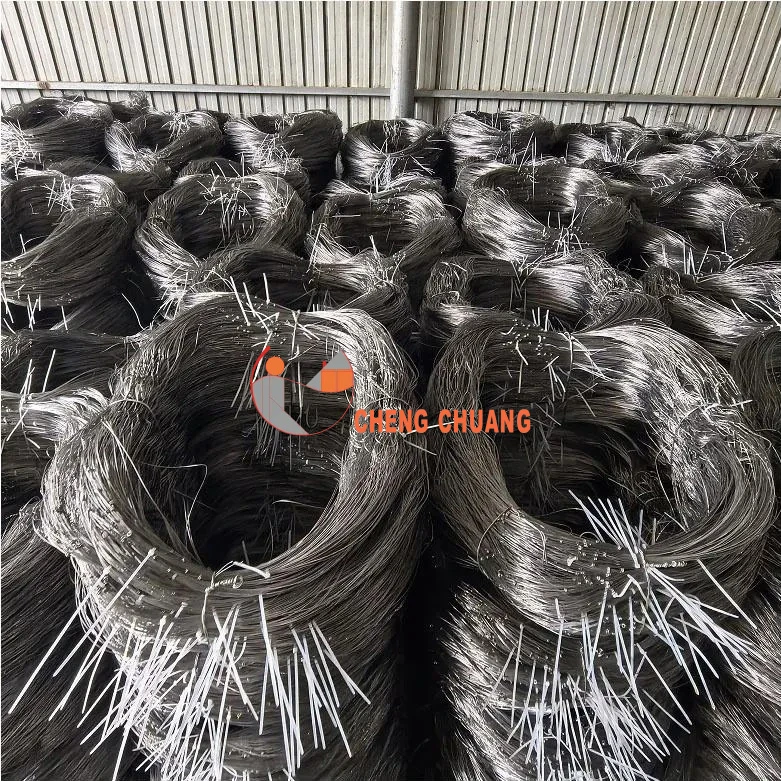
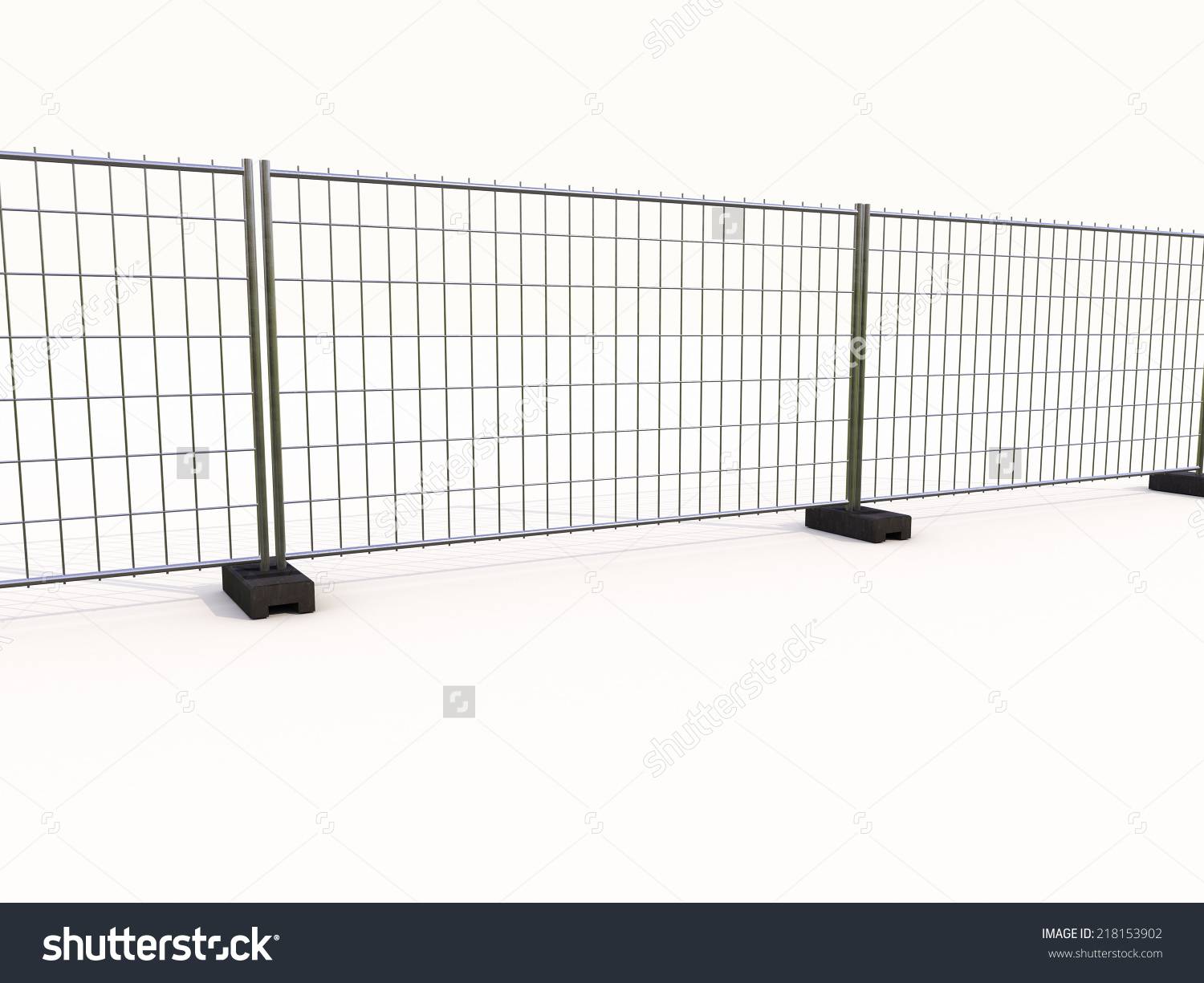
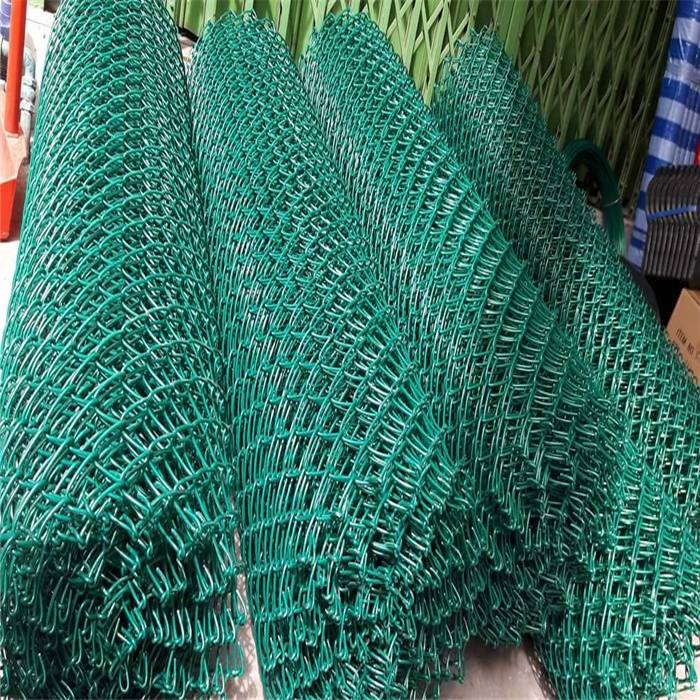
Latest News About CHENG CHUANG
-
 Heavy Duty 6 gauge welded wire mesh for Security and StrengthWhen it comes to heavy-duty containment, security, and structural reinforcement, choosing the right material is critical. The 6 gauge welded wire mesh stands as a premier choice for those requiring a balance of extreme rigidity and precise spacing. Whether you are securing a commercial perimeter, building industrial livestock panels, or creating reinforced concrete structures, this specific thickness provides the structural integrity needed to withstand significant pressure and impact. In this comprehensive guide, we will explore the technical specifications, primary applications, and why this mesh is the gold standard for high-security fencing solutions.Read more >
Apr 16 2026
-
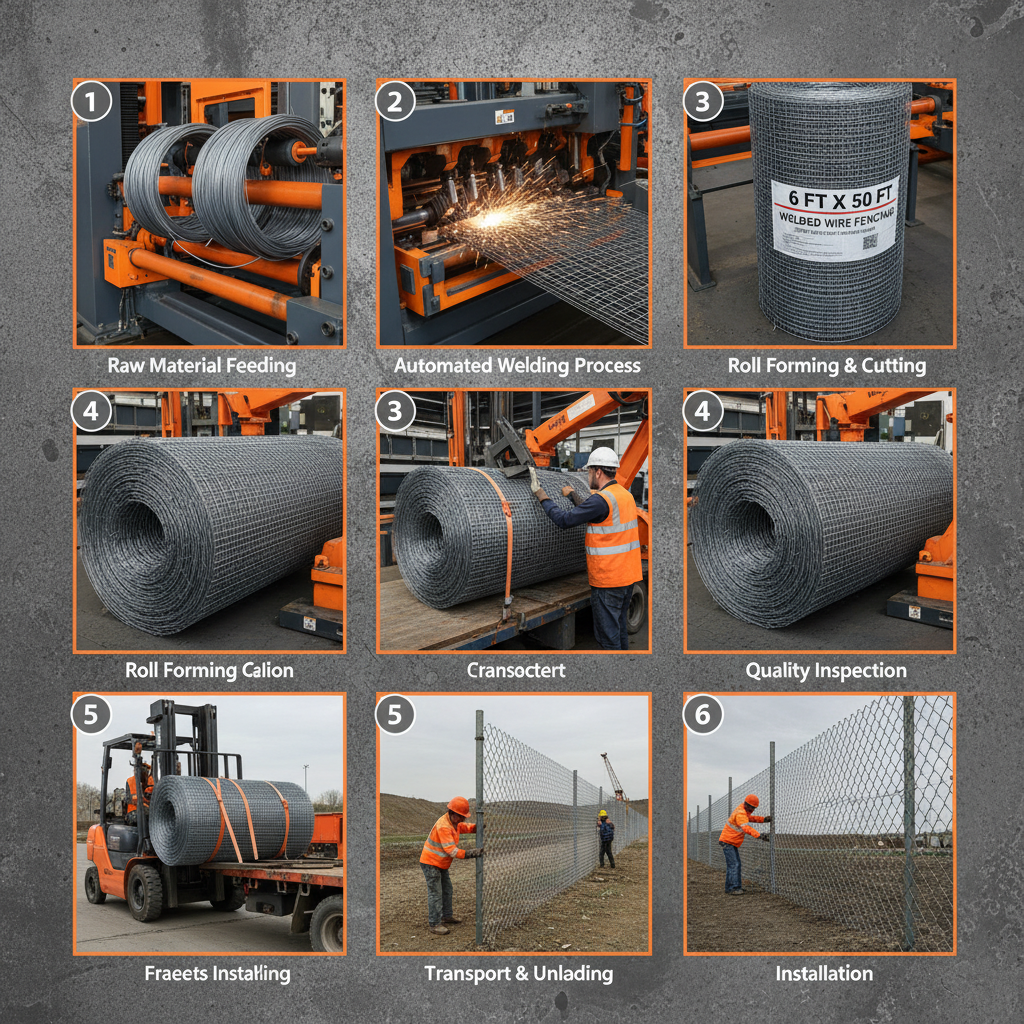 Durable 6 ft x 50 ft welded wire fencing for Security and GardensWhen it comes to securing a perimeter, whether for agricultural use, garden protection, or industrial boundaries, the dimensions and material of your fence matter. The 6 ft x 50 ft welded wire fencing offers an ideal balance of height and length, providing a robust barrier that is easy to install and maintain. Choosing a welded wire system ensures that the intersections are fused together, preventing the shifting and sagging often found in woven alternatives. In this guide, we will explore why this specific size is a preferred choice for property owners and how to maximize its effectiveness for your specific project.Read more >
Apr 09 2026
-
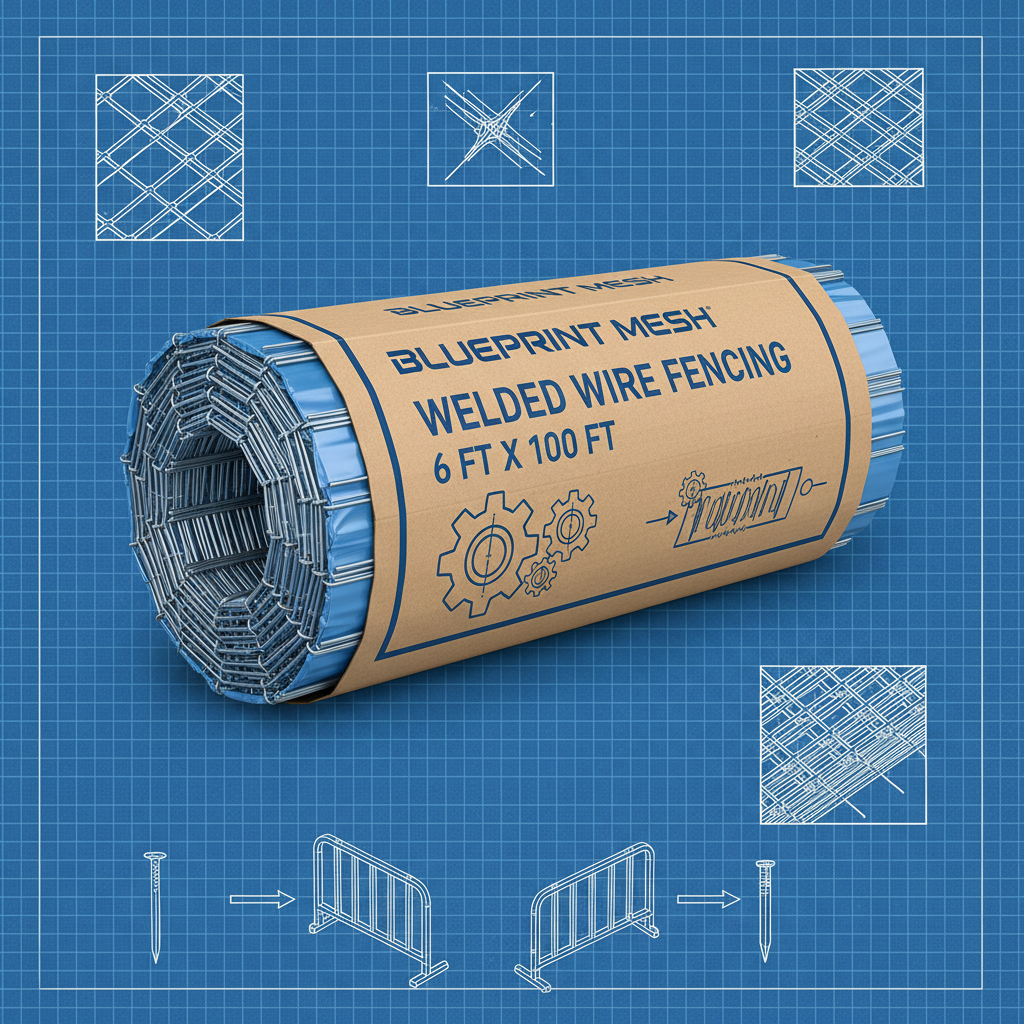 Comprehensive Guide to Choosing the Best 6 ft x 100 ft Welded Wire FencingWelded wire fencing is a versatile and cost-effective solution for a wide range of applications, from agricultural containment to residential security. Understanding the nuances of different types, especially when considering a size like 6 ft x 100 ft welded wire fencing, is crucial for making the right investment. This article will guide you through the essential factors to consider, helping you select the fencing that best suits your specific requirements.Read more >
Apr 07 2026
-
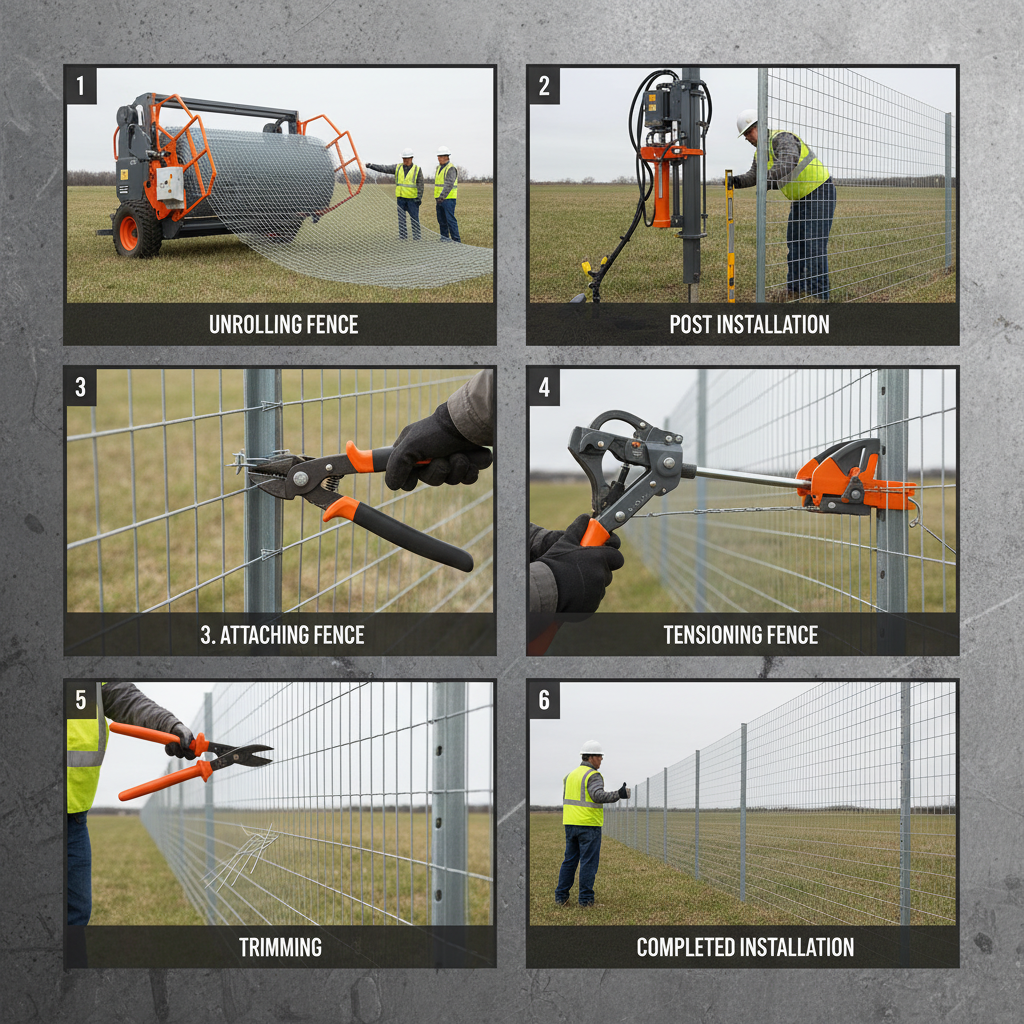 Comprehensive Guide to Choosing a 6 ft x 100 ft 12.5 Gauge Welded Wire FenceSelecting the appropriate fence for your property requires careful consideration. A 6 ft x 100 ft 12.5 gauge welded wire fence offers a robust and versatile solution for a variety of applications, from pet containment to garden protection and security. This guide will explore the benefits, applications, installation tips, and considerations when choosing this type of fencing. Understanding its construction and comparing it to other fencing options will help you make an informed decision.Read more >
Apr 04 2026
-
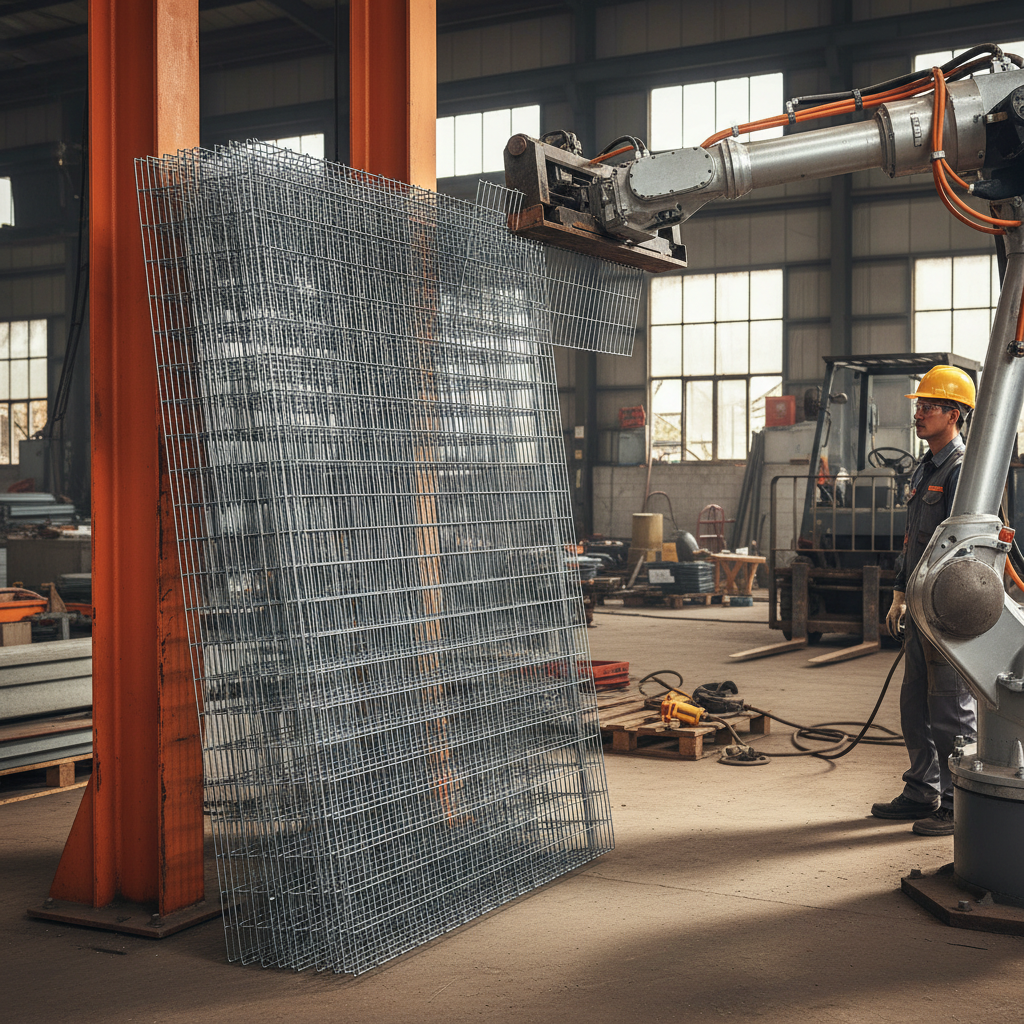 Comprehensive Guide to Durable 6 ft Welded Wire Fencing Panels and ApplicationsWhen selecting fencing for your property, 6 ft welded wire fencing panels offer a robust and versatile solution. These panels combine strength, security, and ease of installation, making them a popular choice for both residential and commercial applications. This article delves into the benefits, applications, installation, and maintenance of these panels, helping you make an informed decision.Read more >
Mar 31 2026