


Common Wire Nail - Durable, Corrosion-Resistant, Bulk Supply
If there’s a single fastener that quietly holds half the world together, it’s the humble common wire nail. You see it on job sites, in pallet yards, even in the back of your garage. And yes, despite all the fancy screw systems, builders still buy these by the ton—because they’re fast, forgiving, and cost-effective.
Industry trend? Two things: smarter coatings and tighter supply-chain traceability. Coatings are getting more durable (longer salt-spray hours), while mills are finally logging heat numbers and steel grades with paperwork you can actually use. It’s not flashy, but it matters.
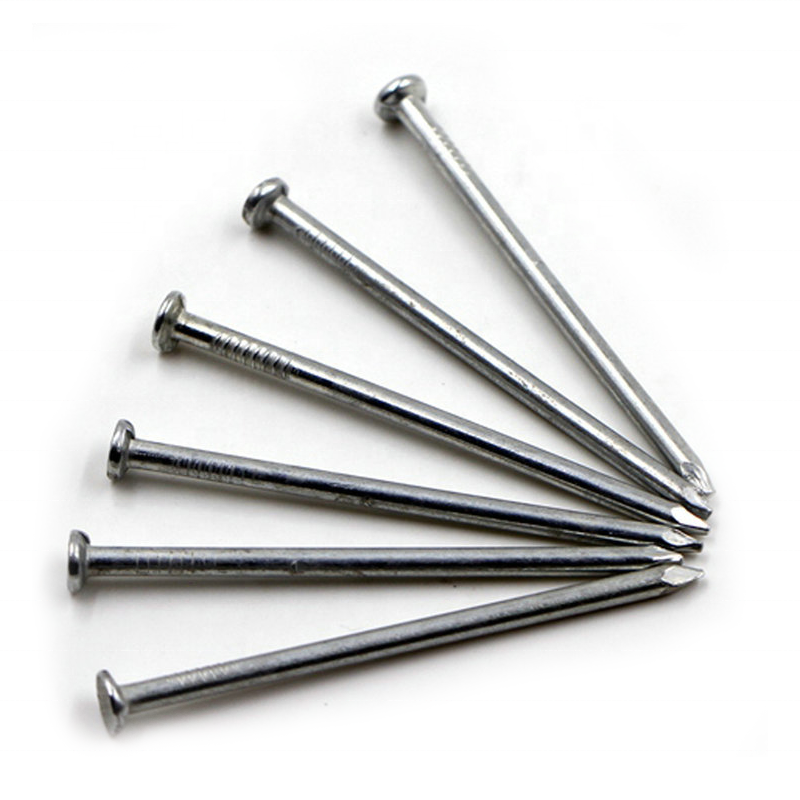
What “common nails” here actually cover
From Anping County, Hebei—ground zero for wire products—these come in Q195/Q235 for general framing, 45#/55# for higher strength (think concrete nails), and stainless 304 for coastal or food-grade environments. Head styles run flat, checkered, and round; shanks in smooth by default, with ring/screw shank available if you ask. To be honest, many customers start simple, then step up coatings once they see local weather chew through standard zinc.
| Feature | Typical spec | Notes (real-world may vary) |
|---|---|---|
| Materials | Q195/Q235/45#/55#/304/22A | Mill certs available; choose by substrate hardness & corrosion need |
| Diameter (shank) | ≈ 1.2–10 mm | Tolerances per ASTM F1667 class; tighter on request |
| Length | ≈ 19–300 mm | Common framing sizes held in stock |
| Heads | Flat / checkered / round | Checkered helps hammer grip |
| Surface | Polished, electro-zinc, mech-zinc, hot-dip galvanizing, phosphated, coppered, blackened | ISO 1461 for HDG; RoHS plating options |
| Pull-out (spruce) | ≈ 250–600 N (2.5–3.1 mm dia) | ASTM F1667 method; wood density changes results |
| Corrosion | Electro-zinc ≈ 72–240h NSS; HDG ≈ 480–1000h | Per ISO 9227 salt spray |
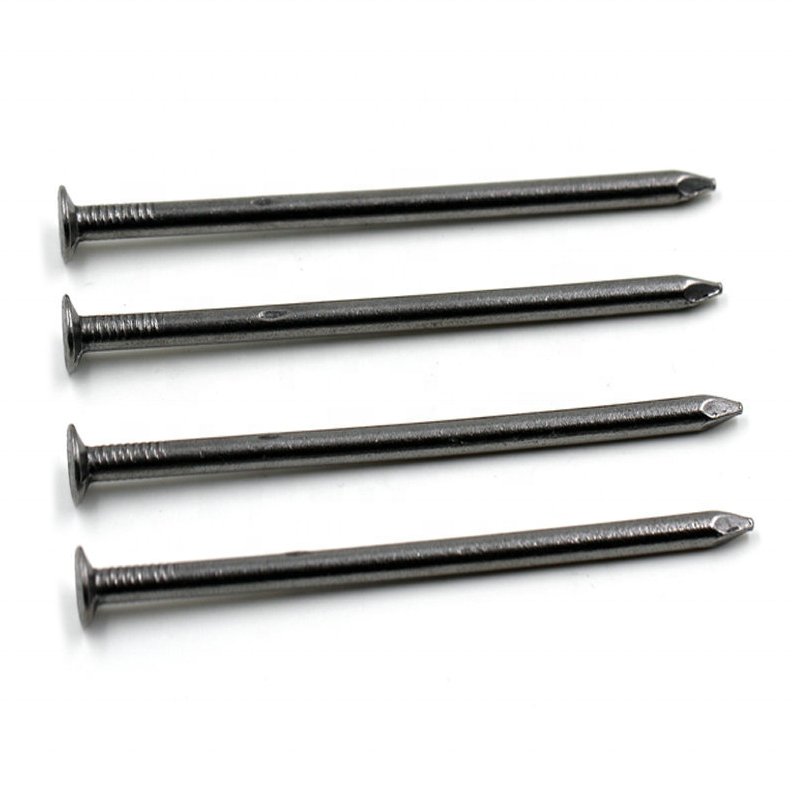
How they’re made (quick flow)
Wire rod → pickling & drawing → spheroidizing anneal (for ductility) → cold heading (head) → shank forming & point cutting → optional heat treat (concrete nails) → coating (electro/HDG/phosphating) → inspection → packing.
Testing: dimensions (go/no-go), bend test 90° without crack (per ASTM F1667), coating thickness (magnetic gauge), adhesion (ISO 2409), salt spray (ISO 9227). Service life in exterior use: ≈ 3–5 years electro-zinc, 10–20 years HDG—coastal sites are harsher, obviously.
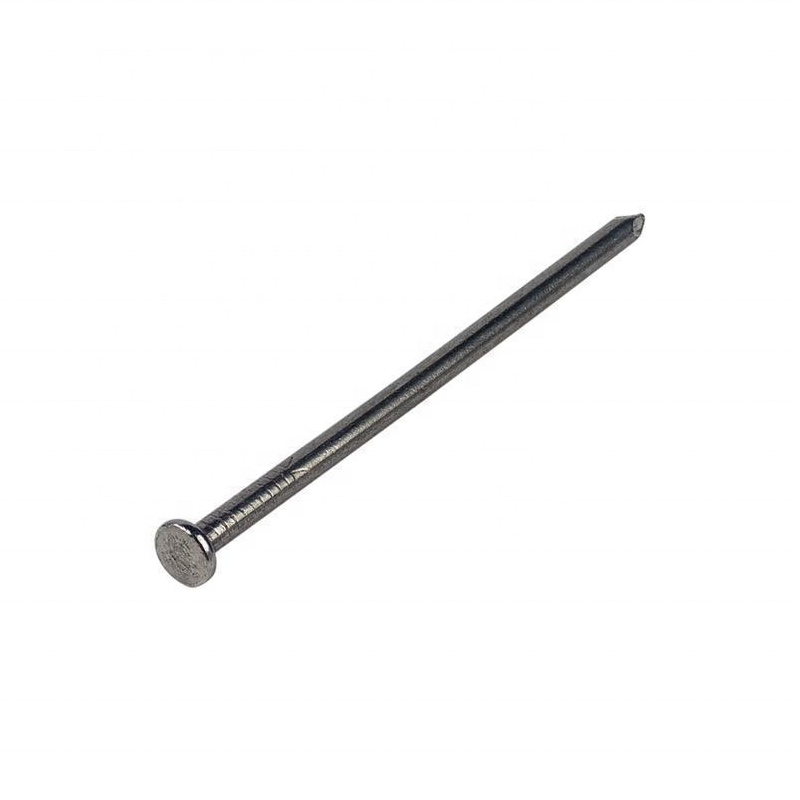
Where they’re used (and why)
Framing, pallets/crating, fencing, formwork, roofing (with gaskets), drywall (though screws dominate), even boatyards (stainless). The advantage is speed—air nailers love consistent shanks and heads—and predictable holding in softwoods. Many customers say switching to ring shank trimmed callbacks on decking by “a noticeable margin.”
Vendor snapshot (realistic, not hype)
| Vendor | Strengths | Coatings | MOQ | Lead time | Certs |
|---|---|---|---|---|---|
| CHCH Fence (Anping, Hebei; No. 12 TH South of Weier Rd, West of Jinsi Rd) | Traceability, wide sizes, OEM branding | Polish, E-Zn, Mech-Zn, HDG, phosphated | ≈ 1–3 tons/size | ≈ 15–25 days | ISO 9001, RoHS plating on request |
| Regional Hardware Brand | Retail packs, consistent retail QC | Polish, E-Zn | By pallet | Stock-to-4 weeks | ISO 9001 |
| Trading House (Generic) | Price-focused, mixed loads | Varies | Flexible | ≈ 25–35 days | Varies |
Customization that actually helps
- L/D optimization for nailer magazines (fewer jams).
- Head knurling depth for hammer grip and countersink control.
- Ring/screw shank for shear-heavy installs.
- HDG thickness tuned to ISO 1461 service categories.
- Private label boxes with barcodes—warehouse folks love this.
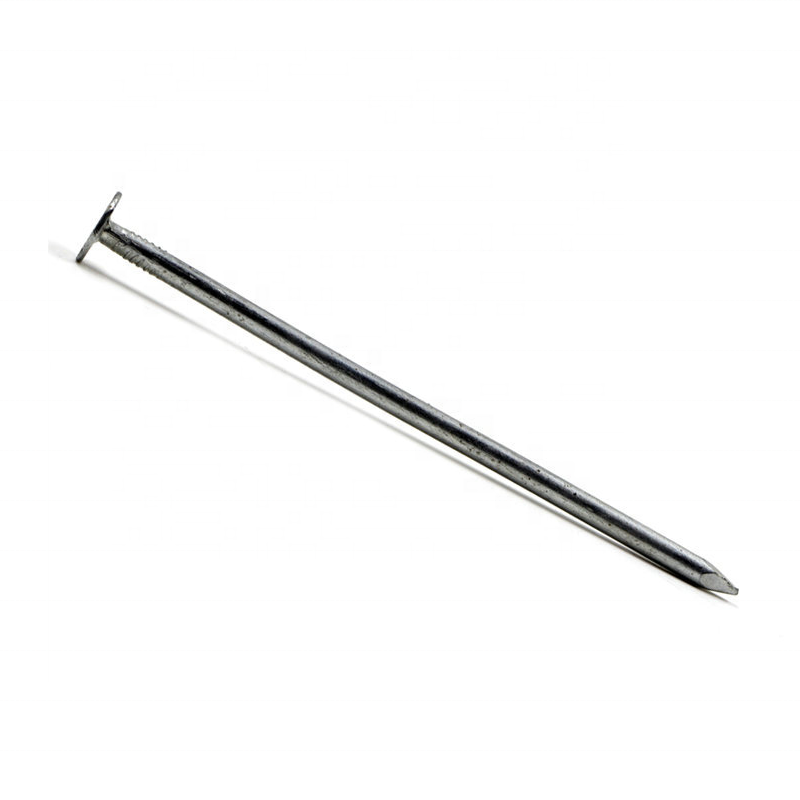
Quick case notes
common wire nail for pallets (Midwest, USA): switched from electro-zinc to mech-zinc; pallet returns due to red rust dropped ≈ 38% over six months. Buyer’s note: “Same driving speed, fewer reworks.”
common wire nail for fencing (Queensland, AU): HDG upgrade to 85 µm avg; salt-spray passed 720h with no base metal corrosion. Installer said, “Posts age out before the fasteners do—surprisingly.”
Certifications & compliance
Made to ASTM F1667 (geometry/mechanics), HDG per ISO 1461, corrosion testing per ISO 9227. European buyers often tick EN 10230-1 boxes. Factory QMS: ISO 9001. Test reports are shared with COA by lot—ask for them; good vendors won’t blink.
Authoritative references:
- ASTM F1667 – Standard Specification for Driven Fasteners: Nails, Spikes, and Staples.
- ISO 1461:2020 – Hot dip galvanized coatings on fabricated iron and steel articles.
- ISO 9227:2017 – Corrosion tests in artificial atmospheres—Salt spray tests.
- EN 10230-1:1999 – Steel wire nails.
Latest News About CHENG CHUANG
-
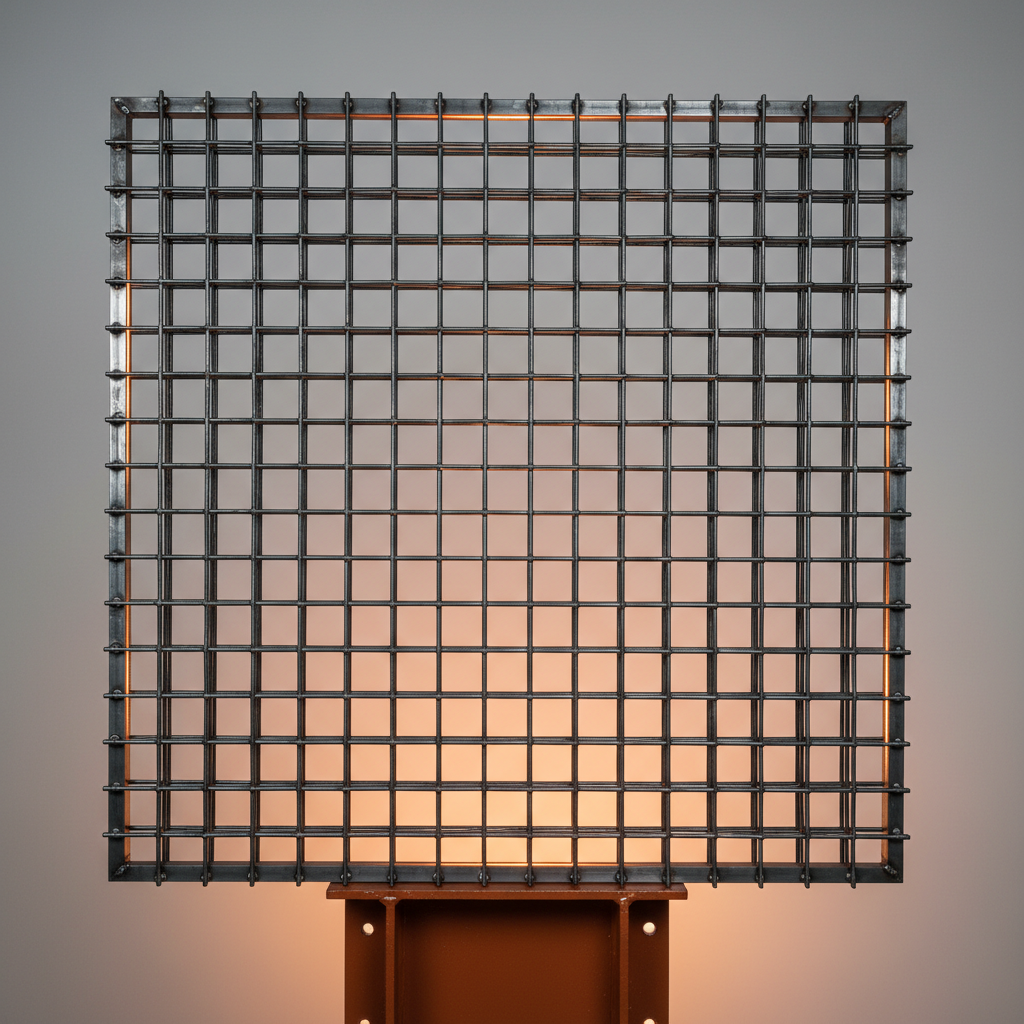 Heavy Duty 6 gauge welded wire mesh for Security and StrengthWhen it comes to heavy-duty containment, security, and structural reinforcement, choosing the right material is critical. The 6 gauge welded wire mesh stands as a premier choice for those requiring a balance of extreme rigidity and precise spacing. Whether you are securing a commercial perimeter, building industrial livestock panels, or creating reinforced concrete structures, this specific thickness provides the structural integrity needed to withstand significant pressure and impact. In this comprehensive guide, we will explore the technical specifications, primary applications, and why this mesh is the gold standard for high-security fencing solutions.Read more >
Apr 16 2026
-
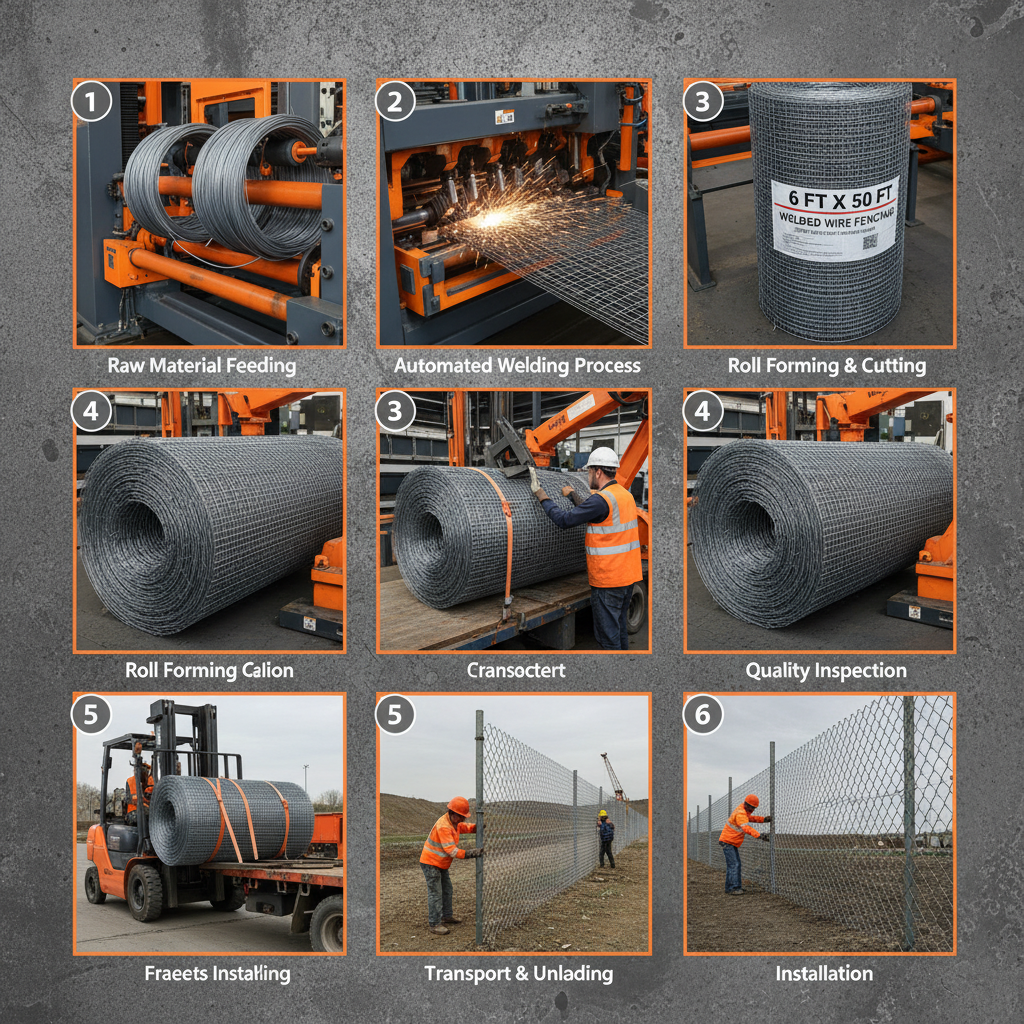 Durable 6 ft x 50 ft welded wire fencing for Security and GardensWhen it comes to securing a perimeter, whether for agricultural use, garden protection, or industrial boundaries, the dimensions and material of your fence matter. The 6 ft x 50 ft welded wire fencing offers an ideal balance of height and length, providing a robust barrier that is easy to install and maintain. Choosing a welded wire system ensures that the intersections are fused together, preventing the shifting and sagging often found in woven alternatives. In this guide, we will explore why this specific size is a preferred choice for property owners and how to maximize its effectiveness for your specific project.Read more >
Apr 09 2026
-
 Comprehensive Guide to Choosing the Best 6 ft x 100 ft Welded Wire FencingWelded wire fencing is a versatile and cost-effective solution for a wide range of applications, from agricultural containment to residential security. Understanding the nuances of different types, especially when considering a size like 6 ft x 100 ft welded wire fencing, is crucial for making the right investment. This article will guide you through the essential factors to consider, helping you select the fencing that best suits your specific requirements.Read more >
Apr 07 2026
-
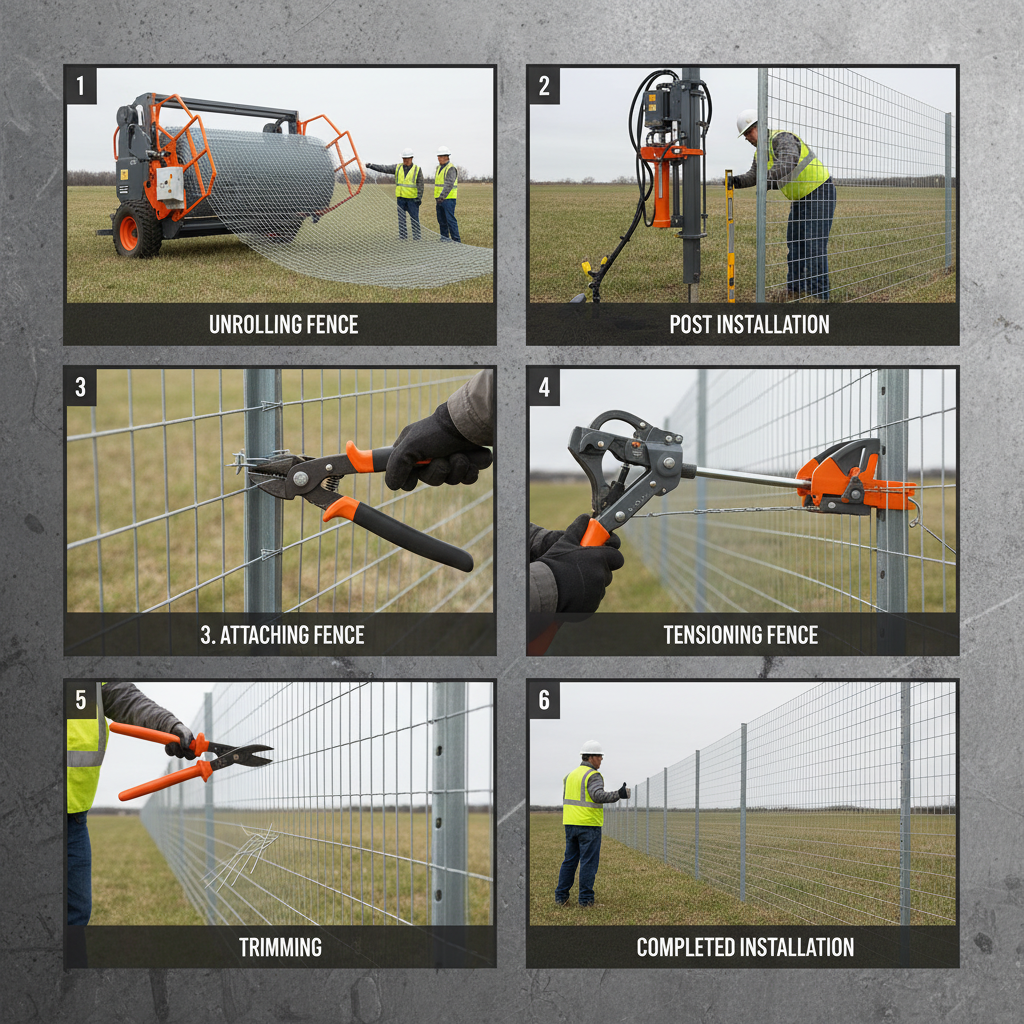 Comprehensive Guide to Choosing a 6 ft x 100 ft 12.5 Gauge Welded Wire FenceSelecting the appropriate fence for your property requires careful consideration. A 6 ft x 100 ft 12.5 gauge welded wire fence offers a robust and versatile solution for a variety of applications, from pet containment to garden protection and security. This guide will explore the benefits, applications, installation tips, and considerations when choosing this type of fencing. Understanding its construction and comparing it to other fencing options will help you make an informed decision.Read more >
Apr 04 2026
-
 Comprehensive Guide to Durable 6 ft Welded Wire Fencing Panels and ApplicationsWhen selecting fencing for your property, 6 ft welded wire fencing panels offer a robust and versatile solution. These panels combine strength, security, and ease of installation, making them a popular choice for both residential and commercial applications. This article delves into the benefits, applications, installation, and maintenance of these panels, helping you make an informed decision.Read more >
Mar 31 2026