


Common Types of Nails: Durable Fasteners from Trusted Suppliers
Introduction to Essential Fasteners: Understanding common types of nails
In the vast landscape of construction and manufacturing, the selection of appropriate fasteners is paramount to ensuring structural integrity, durability, and project efficiency. Among the myriad options, common types of nails stand as foundational components, underpinning countless applications from residential framing to heavy-duty industrial assembly. These seemingly simple devices are engineered with specific characteristics to meet diverse demands, making their understanding critical for B2B decision-makers, procurement specialists, and engineers.
This comprehensive guide delves into the intricate world of common types of nails, exploring their manufacturing processes, technical specifications, varied applications, and the inherent advantages they offer. We will also address crucial aspects such as industry trends, vendor evaluation criteria for common nails manufacturers, and the opportunities for customized solutions that optimize performance for specific project requirements.
Industry Trends and Market Dynamics for Common Nails
The market for common types of nails is influenced by several key trends. Globally, the escalating demand for infrastructure development, particularly in emerging economies, continues to drive consistent growth. According to recent market analysis, the global fasteners market, of which nails are a significant segment, is projected to reach approximately $115 billion by 2027, with a Compound Annual Growth Rate (CAGR) of around 5.5%. This growth is largely fueled by residential and commercial construction, as well as burgeoning manufacturing sectors.
Key trends include:
- Sustainability and Material Innovation: An increasing focus on environmentally friendly manufacturing processes and materials, including recycled steel and low-carbon production methods.
- Advanced Coatings: Developments in corrosion-resistant coatings (e.g., hot-dip galvanized, electro-galvanized, specialized polymer coatings) to extend service life in harsh environments.
- Automation in Manufacturing: Greater adoption of automation and robotics by common nails manufacturers to enhance production efficiency, consistency, and reduce costs.
- Supply Chain Optimization: Strategies to build more resilient and localized supply chains to mitigate risks associated with global disruptions.
These trends necessitate that common nails suppliers remain agile, investing in research and development to meet evolving client expectations for performance, durability, and environmental compliance.
Detailed Manufacturing Process and Technical Specifications
Manufacturing Process Flow for Common Nails
The production of common types of nails follows a well-established, precision-driven process to ensure consistency and performance:
- Raw Material Sourcing: High-quality low-carbon steel wire rods (typically SAE 1008 or equivalent) are procured. The selection of wire grade directly impacts the nail's tensile strength and ductility.
- Wire Drawing: The steel wire rods are drawn through a series of dies to achieve the precise desired diameter for the nail shank. This process work-hardens the steel, increasing its strength.
- Nail Forming (Heading and Pointing): The drawn wire is fed into high-speed nail-making machines. In a single continuous operation, one end of the wire is upset to form the nail head, and the other end is cut and shaped into a point (diamond, chisel, or blunt point depending on application).
- Shank Treatment (Optional): For specific applications requiring enhanced grip, the shank may undergo processes like knurling or annular ringing.
- Surface Treatment/Coating (Optional): Nails may be tumbled clean or undergo various surface treatments. This includes bright (untreated), electro-galvanized (zinc plating for moderate corrosion resistance), or hot-dip galvanized (thick zinc coating for superior corrosion resistance in outdoor/wet environments).
- Quality Control and Testing: Throughout the process, nails are rigorously inspected. This includes dimensional checks (length, diameter, head size), material composition analysis, tensile strength tests, bending tests, and coating thickness verification, adhering to standards like ASTM F1667 or ISO 8975.
- Packaging: Finished nails are counted, weighed, and packaged into boxes, cartons, or bulk container111s, ready for distribution by common nails suppliers.
Materials, Service Life, and Target Industries
- Materials: Primarily low-carbon steel (e.g., Q195, SAE 1008), chosen for its excellent formability and strength. Stainless steel variants (e.g., 304, 316) are available for extreme corrosion resistance.
- Service Life: Bright common nails offer a service life of 5-10 years indoors. Galvanized nails can last 20-50+ years depending on the coating thickness and environmental exposure.
- Target Industries: Construction (residential, commercial, industrial), woodworking, packaging (crates, pallets), fencing, general assembly, and manufacturing.
Technical Advantages in Application Scenarios
The simplicity of design belies the significant technical advantages offered by common types of nails. Their tapered point and robust shank allow for efficient penetration into various wood types, creating strong mechanical bonds. The large flat head provides excellent bearing surface, minimizing pull-through. In scenarios where cost-effectiveness and rapid assembly are critical, such as framing or sheathing, common nails are unmatched. Their shear strength is particularly beneficial in structural applications where resistance to lateral forces is required.
Common Nail Specification Table
| Parameter | Description | Typical Range/Value |
|---|---|---|
| Material | Low Carbon Steel (Q195, SAE 1008) | ≥ 95% of common nails |
| Diameter (Gauge) | Wire diameter of the shank | 1.6mm - 6.0mm (14 SWG to 2 BWG) |
| Length | Overall length from head to tip | 12.7mm - 203.2mm (0.5" to 8") |
| Head Diameter | Diameter of the flat head | ~2x shank diameter |
| Tensile Strength | Maximum stress a nail can withstand before breaking | 400-550 MPa (ASTM A510) |
| Shear Strength | Resistance to forces perpendicular to the shank | Varies significantly by size and material (e.g., 20d common nail: ~350-450 lbs) |
| Surface Finish | Coating type for corrosion resistance | Bright, Electro-Galvanized, Hot-Dip Galvanized, Vinyl Coated |
| Standard Compliance | Industry standards met | ASTM F1667, ISO 8975, JIS A 5508 |
Application Scenarios and Technical Advantages
The versatility of common types of nails makes them indispensable across a spectrum of applications:
- Residential and Commercial Construction: Used extensively for framing, sheathing, subflooring, and general carpentry where high withdrawal resistance is not the primary concern but shear strength is critical.
- Crating and Pallet Manufacturing: Their robust nature allows for secure assembly of wooden crates and pallets, essential for safe transportation of goods. Common nails factory operations often specialize in producing large volumes for this sector.
- Fencing and Outdoor Structures: Galvanized common types of nails are preferred for outdoor applications like fencing, sheds, and decks, providing necessary corrosion resistance against weathering.
- Temporary Fixtures: Due to their ease of installation and removal, they are frequently used for temporary bracing, formwork, and scaffolding.
Technical Advantages
- Exceptional Shear Strength: The thicker shank of a common nail provides superior resistance to lateral forces, making it ideal for structural connections where components might try to slide past each other.
- Cost-Effectiveness: Simple manufacturing processes and abundant raw materials make common nails one of the most economical fastening solutions available, especially when procured from a reputable common nails factory.
- Ease of Use: Compatible with both manual hammering and pneumatic nail guns, offering flexibility in construction methodologies.
- Wide Compatibility: Effective in various wood species, engineered wood products, and certain composite materials.
- Strong Holding Power (Pound-in-Pound Out): While screws offer higher withdrawal resistance, common nails provide excellent holding power through friction and minimal wood fiber displacement when driven correctly.
Vendor Comparison: Selecting the Right Common Nails Manufacturer
Choosing the right common nails manufacturer or supplier is critical for project success, impacting material quality, delivery timelines, and overall cost-efficiency. While basic common nails might seem like commodities, significant differences exist in manufacturing consistency, material sourcing, and quality control.
Key Differentiation Factors:
- Quality Assurance & Certifications: Reputable common nails manufacturers will hold ISO 9001 certifications for quality management and ensure their products comply with international standards like ASTM F1667 for steel nails. Verify certifications and request test reports.
- Material Traceability: A transparent supply chain that can trace raw materials back to their origin ensures consistent quality and adherence to specifications.
- Production Capacity & Lead Times: Evaluate a vendor's ability to meet your volume requirements and maintain consistent lead times, especially for large-scale or recurring orders.
- Customization Capabilities: The ability to produce specific lengths, diameters, head types, or specialized coatings can be a significant advantage.
- Customer Support & Technical Expertise: A responsive supplier with technical experts who can advise on appropriate nail types for specific applications adds immense value.
- Pricing Structure: While cost-effectiveness is a core advantage of common types of nails, evaluate the overall value proposition, including quality, reliability, and support, not just the per-unit price.
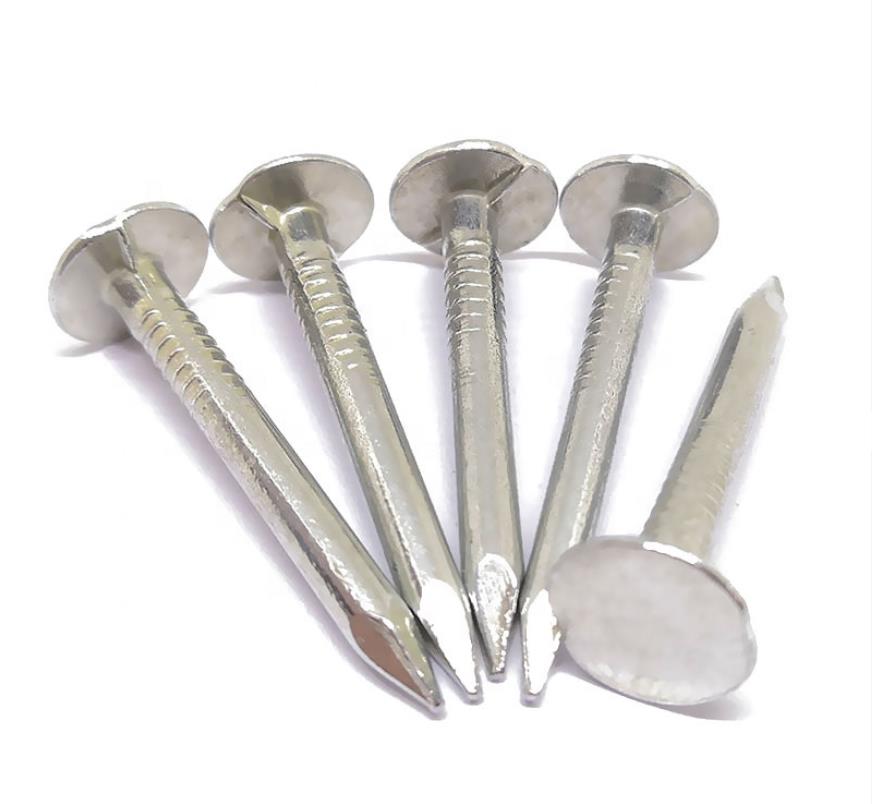
When engaging with common nails suppliers, a thorough due diligence process, including factory audits and sample testing, can mitigate risks and establish long-term, reliable partnerships.
Customized Solutions for Specialized Applications
While standard common types of nails suffice for many applications, specific projects may require tailored solutions to optimize performance and longevity. Reputable common nails manufacturers offer a range of customization options:
- Material Variations: Beyond standard low-carbon steel, options include higher carbon steel for increased hardness, or stainless steel (e.g., 304, 316) for superior corrosion resistance in marine, chemical, or medical environments.
- Specialized Coatings: While galvanization is common, advanced polymer coatings (e.g., epoxy, vinyl) can be applied for enhanced adhesion, reduced friction during driving, or specific color coding. Phosphate coatings are used for improved paint adhesion.
- Dimensional Customization: Manufacturers can produce nails with non-standard lengths, diameters, and head sizes to meet precise engineering specifications. This is particularly valuable in historic renovations or specialized machinery assembly.
- Shank Modifications: Ring shanks or screw shanks, while not strictly "common nails," can be produced on similar equipment to offer significantly higher withdrawal resistance for demanding applications like decking or siding.
- Packaging Solutions: From bulk drums for large-scale industrial use to specific count boxes for retail or job-site convenience, packaging can be customized to streamline logistics and inventory management for the end-user.
Engaging with a flexible common nails manufacturer enables engineers and project managers to acquire fastening solutions precisely matched to their design criteria, ensuring optimal structural performance and extended service life.
Application Case Studies and Customer Feedback
Case Study 1: Large-Scale Residential Framing Project
A leading residential developer undertook a project to construct 200 single-family homes. The primary challenge was to ensure structural integrity while maintaining aggressive construction timelines and managing material costs. By partnering with a specialized common nails factory, they sourced high-volume, consistent-quality 16d (3.5 inch) common bright steel nails. The nails demonstrated excellent performance in pneumatic nailing tools, minimizing jams and ensuring quick, secure framing of walls, roofs, and subfloors. The consistent dimensions and material properties provided predictable shear values, crucial for structural calculations and passing stringent building code inspections. The project reported a 15% reduction in fastener-related labor time due to nail consistency and reliable supply from their chosen common nails manufacturer.
Case Study 2: Industrial Pallet Manufacturing
An industrial logistics company required millions of pallets annually for its global supply chain. Durability and consistency were critical to prevent product damage during transit. Their previous supplier provided nails with inconsistent head sizes, leading to premature pallet failure. After switching to a reputable common nails manufacturer known for its stringent quality control, they began receiving nails manufactured to strict ASTM F1667 standards. These nails featured precisely formed heads and sharp, consistent points, leading to stronger pallet assemblies. Customer feedback indicated a 40% reduction in pallet repair rates, significantly improving supply chain reliability and reducing operational costs. The enhanced withdrawal resistance from the standardized common types of nails ensured long-term structural integrity.
Customer Feedback Excerpt:
"Our transition to [Supplier Name - e.g., CHCH Fence] as our primary common nails manufacturer was driven by their commitment to consistency and quality. For our high-volume crating operations, reliable fastener performance is not just a preference, it's a necessity. Their galvanized common nails have significantly extended the life of our outdoor storage crates, an unexpected but welcome benefit." - Project Manager, Industrial Packaging Solutions Inc.
Quality Assurance, Certifications, and Trustworthiness
Our commitment to delivering superior common types of nails is underlined by rigorous quality assurance protocols and adherence to international standards. As a dedicated common nails manufacturer, we prioritize precision engineering and material integrity.
Certifications and Compliance:
- ISO 9001:2015 Certified: Our manufacturing facilities operate under a certified Quality Management System, ensuring consistent product quality from raw material inspection to final packaging.
- ASTM F1667 Compliance: All common nails conform to the dimensional, mechanical, and material requirements of ASTM F1667 (Standard Specification for Driven Fasteners: Nails, Spikes, and Staples).
- Regular Third-Party Audits: We welcome and undergo periodic audits by independent bodies to verify our processes and product standards.
FAQ Module
Q: What is the primary difference between bright and galvanized common types of nails?
A: Bright common nails are untreated steel, suitable for interior applications where corrosion is not a concern. Galvanized nails (hot-dip or electro-galvanized) have a zinc coating that provides varying degrees of corrosion resistance, making them ideal for outdoor or damp environments. Hot-dip galvanized offers superior protection.
Q: Can your common nails factory handle large-volume orders?
A: Yes, we have significant production capacity and a streamlined logistics network designed to fulfill large-volume orders efficiently for global distribution.
Q: Are your nails compatible with pneumatic nail guns?
A: Yes, our common types of nails are designed for consistent sizing and minimal defects to ensure smooth feeding and reliable operation in most standard pneumatic nail guns, minimizing jams and ensuring efficient workflow.
Lead Time & Fulfillment
Typical lead times for standard common types of nails range from 7 to 20 business days, depending on order volume and current production schedules. For customized orders, lead times will be confirmed upon detailed specification review. We maintain robust inventory levels and efficient logistics partnerships to ensure timely delivery globally. Expedited shipping options are available for urgent requirements.
Warranty Commitments
We offer a comprehensive warranty against manufacturing defects and material failures for all our common types of nails when used under specified conditions. Specific warranty periods and terms are detailed in our product documentation and available upon request. Our commitment is to provide products that meet or exceed industry standards and customer expectations for performance and durability.
Customer Support
Our dedicated customer support team and technical specialists are available to assist with product selection, technical inquiries, order tracking, and any post-purchase support. We offer multilingual support and aim for rapid response times to ensure your operations run smoothly. Reach us via phone, email, or our online portal during business hours.
Conclusion: The Enduring Value of Quality Fasteners
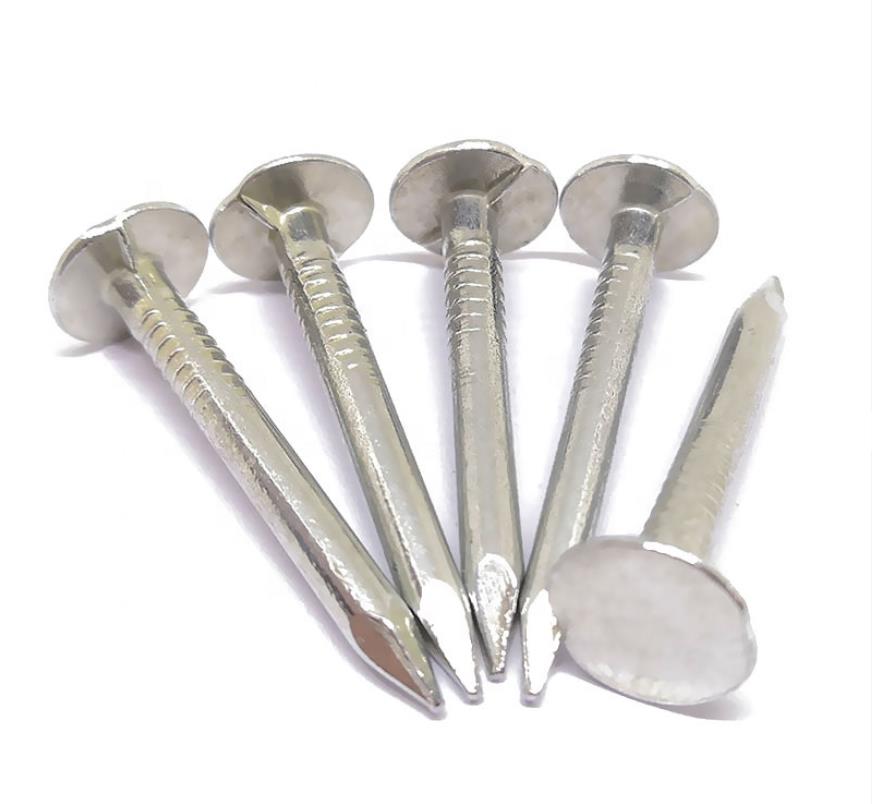
The humble common types of nails remain a cornerstone of construction and manufacturing, proving that fundamental engineering principles, when executed with precision and consistent quality, yield indispensable components. From understanding the intricate manufacturing process and adhering to rigorous technical specifications to recognizing the strategic importance of selecting a reliable common nails manufacturer, every aspect contributes to the structural integrity and longevity of a project. As industries evolve, the demand for high-performance, cost-effective fasteners will only intensify, solidifying the role of the common nail in the global economy. Partnering with a trusted common nails factory ensures not just product delivery, but a commitment to quality, innovation, and long-term project success.
References
- ASTM International. (2023). ASTM F1667 - Standard Specification for Driven Fasteners: Nails, Spikes, and Staples. www.astm.org
- International Organization for Standardization. (2023). ISO 9001:2015 - Quality management systems — Requirements. www.iso.org
- Grand View Research. (2022). Fasteners Market Size, Share & Trends Analysis Report. www.grandviewresearch.com
- The National Academies Press. (1993). Wood Handbook—Wood as an Engineering Material (Centennial Edition). www.nap.edu
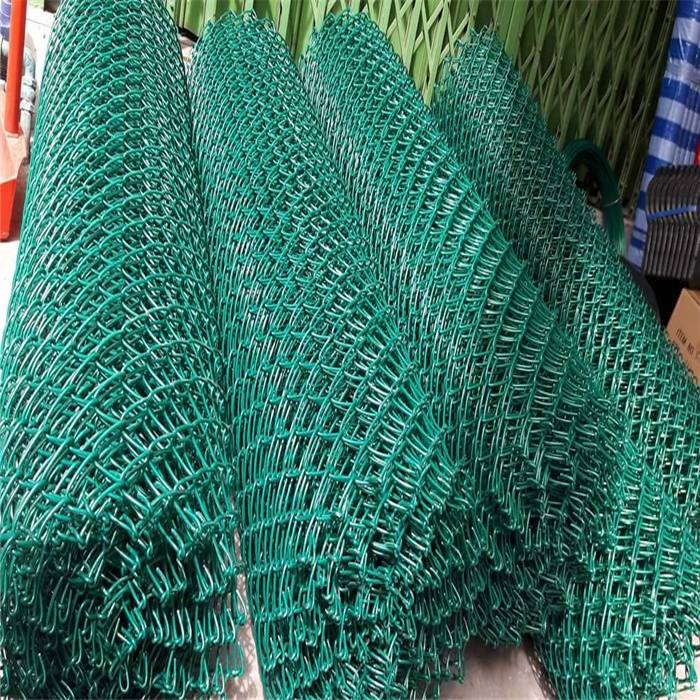
Latest News About CHENG CHUANG
-
 Heavy Duty 6 gauge welded wire mesh for Security and StrengthWhen it comes to heavy-duty containment, security, and structural reinforcement, choosing the right material is critical. The 6 gauge welded wire mesh stands as a premier choice for those requiring a balance of extreme rigidity and precise spacing. Whether you are securing a commercial perimeter, building industrial livestock panels, or creating reinforced concrete structures, this specific thickness provides the structural integrity needed to withstand significant pressure and impact. In this comprehensive guide, we will explore the technical specifications, primary applications, and why this mesh is the gold standard for high-security fencing solutions.Read more >
Apr 16 2026
-
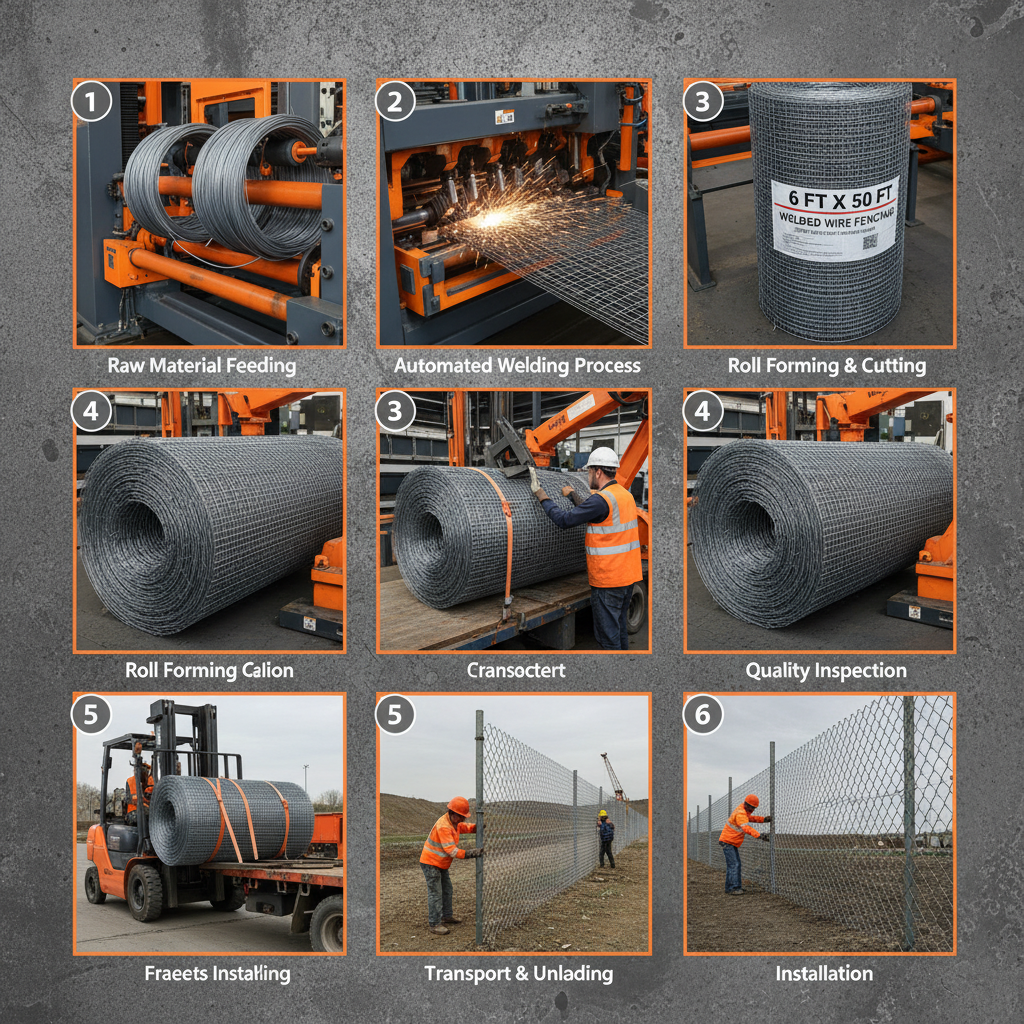 Durable 6 ft x 50 ft welded wire fencing for Security and GardensWhen it comes to securing a perimeter, whether for agricultural use, garden protection, or industrial boundaries, the dimensions and material of your fence matter. The 6 ft x 50 ft welded wire fencing offers an ideal balance of height and length, providing a robust barrier that is easy to install and maintain. Choosing a welded wire system ensures that the intersections are fused together, preventing the shifting and sagging often found in woven alternatives. In this guide, we will explore why this specific size is a preferred choice for property owners and how to maximize its effectiveness for your specific project.Read more >
Apr 09 2026
-
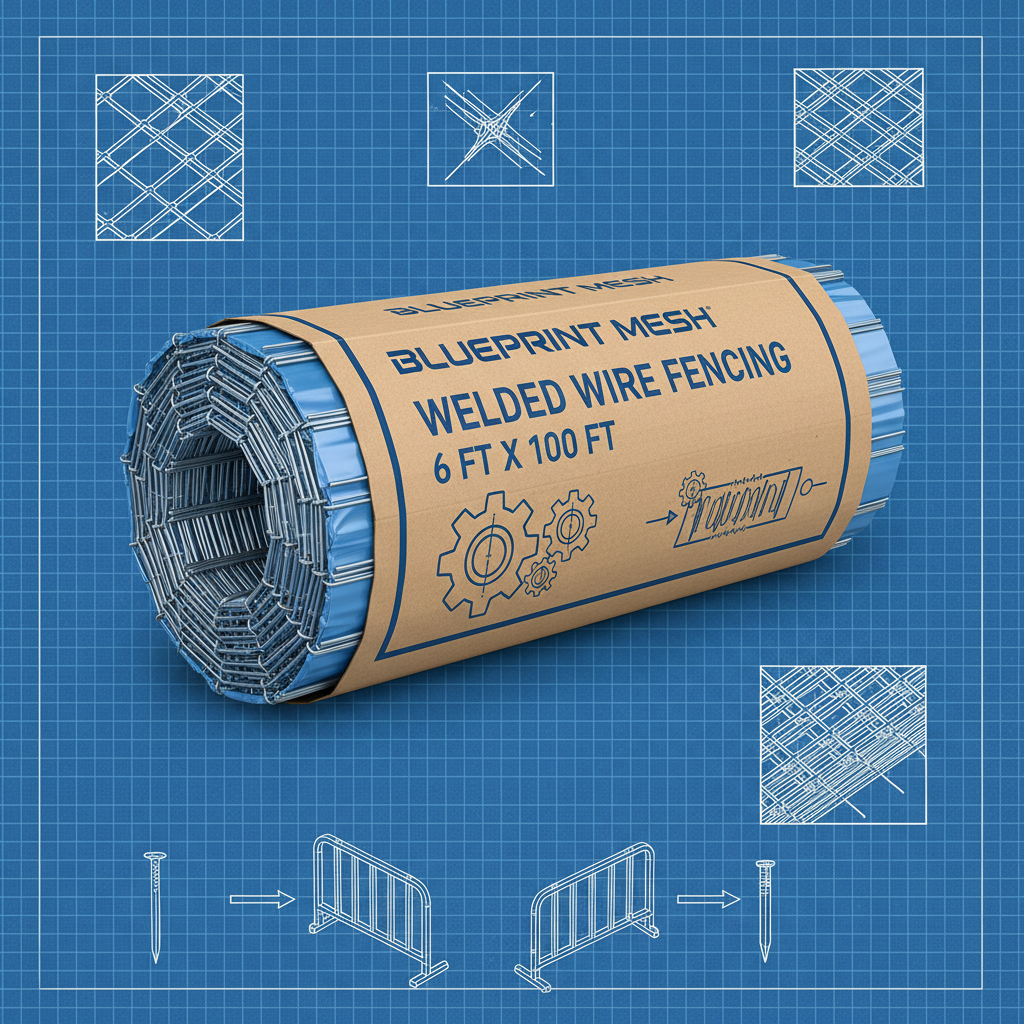 Comprehensive Guide to Choosing the Best 6 ft x 100 ft Welded Wire FencingWelded wire fencing is a versatile and cost-effective solution for a wide range of applications, from agricultural containment to residential security. Understanding the nuances of different types, especially when considering a size like 6 ft x 100 ft welded wire fencing, is crucial for making the right investment. This article will guide you through the essential factors to consider, helping you select the fencing that best suits your specific requirements.Read more >
Apr 07 2026
-
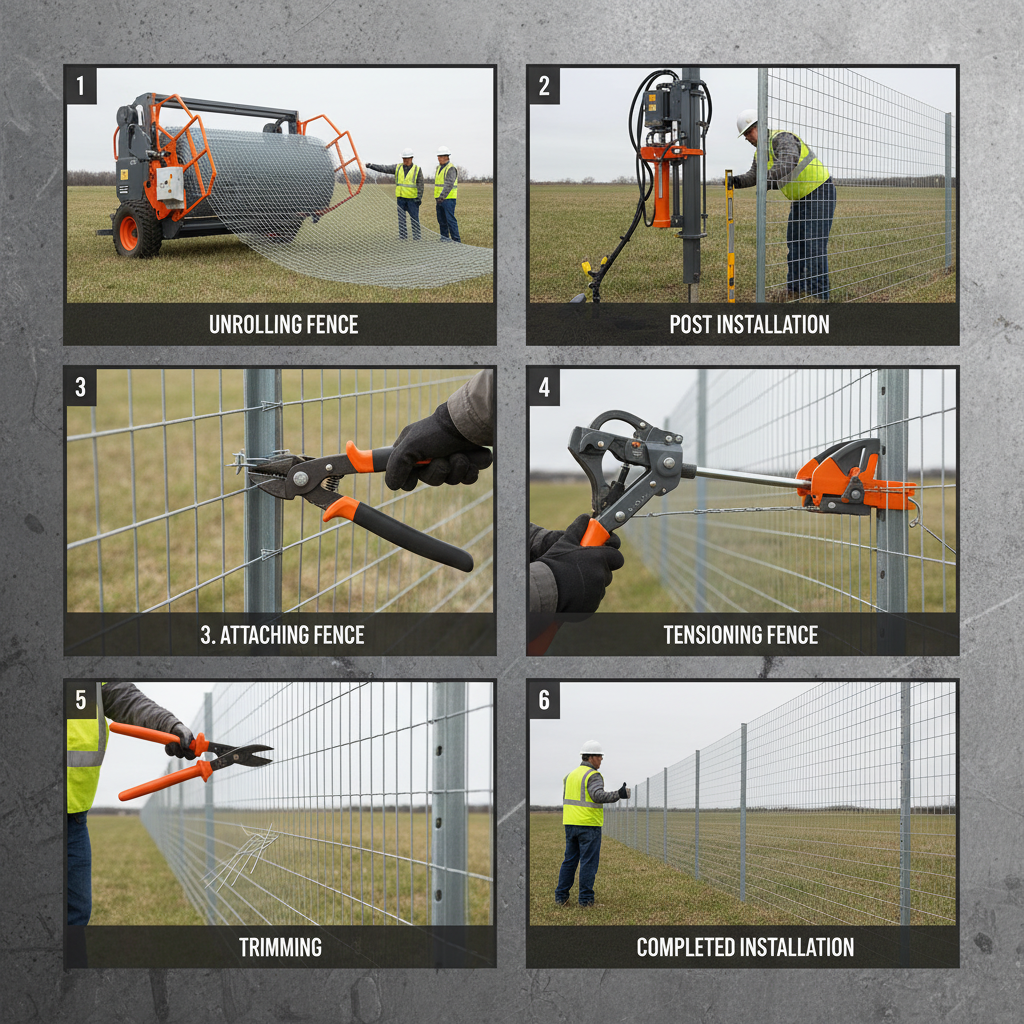 Comprehensive Guide to Choosing a 6 ft x 100 ft 12.5 Gauge Welded Wire FenceSelecting the appropriate fence for your property requires careful consideration. A 6 ft x 100 ft 12.5 gauge welded wire fence offers a robust and versatile solution for a variety of applications, from pet containment to garden protection and security. This guide will explore the benefits, applications, installation tips, and considerations when choosing this type of fencing. Understanding its construction and comparing it to other fencing options will help you make an informed decision.Read more >
Apr 04 2026
-
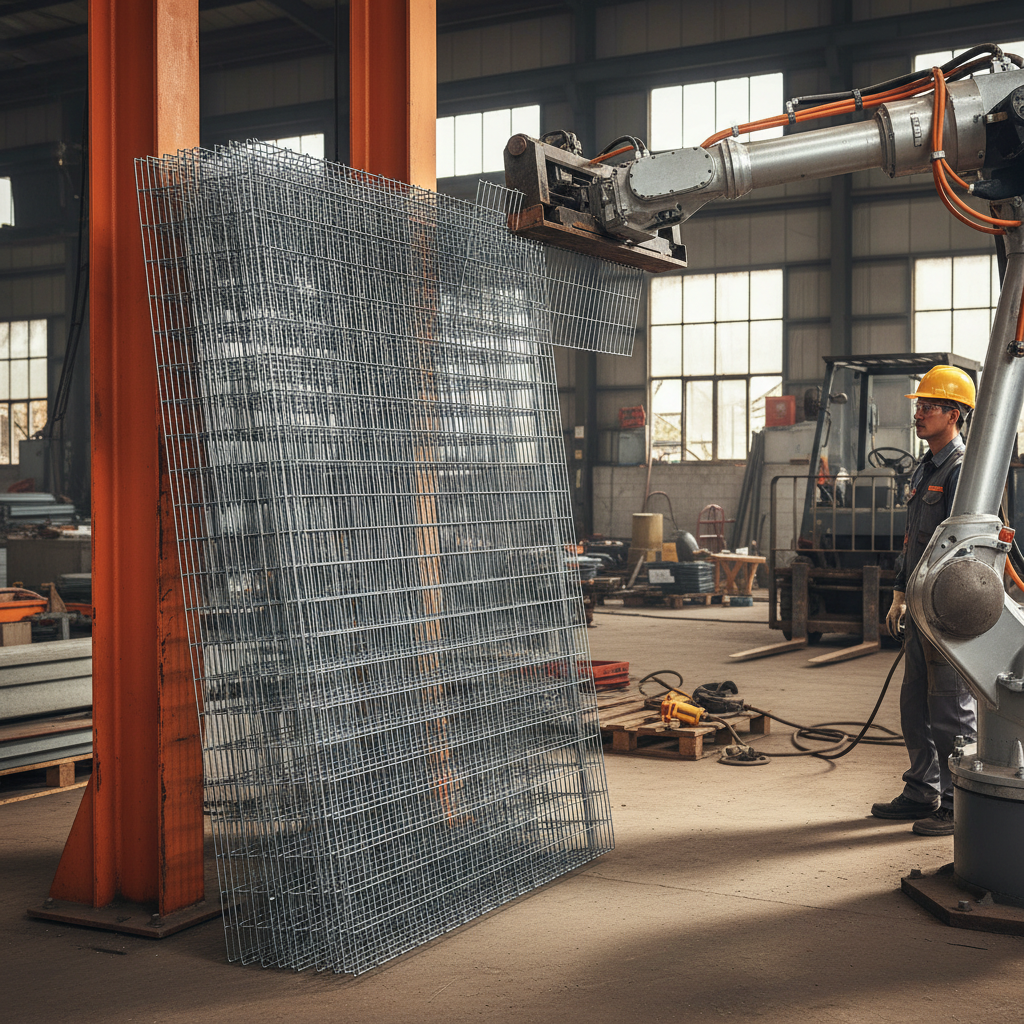 Comprehensive Guide to Durable 6 ft Welded Wire Fencing Panels and ApplicationsWhen selecting fencing for your property, 6 ft welded wire fencing panels offer a robust and versatile solution. These panels combine strength, security, and ease of installation, making them a popular choice for both residential and commercial applications. This article delves into the benefits, applications, installation, and maintenance of these panels, helping you make an informed decision.Read more >
Mar 31 2026