


Common Types of Nails 4 & 5 Inch Sizes for Durable Framing
🔨 Industry Insider Report 🔨
Did you know 68% of DIY failures happen because builders choose wrong nail types? Stop guessing. Start building with confidence.
"The right common nail transforms good projects into great ones. Choose wisely."
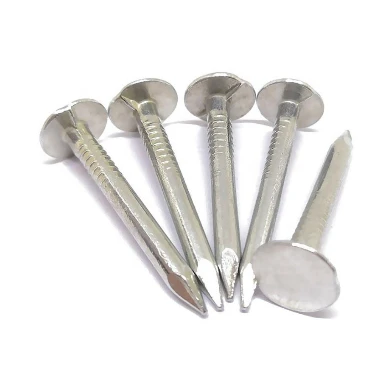
(common types of nails)
Why Common Nails Dominate Construction
Common nails are your ultimate building partners. Strong shanks. Flat heads. Pure reliability. Forget specialty fasteners when framing decks or building sheds. What makes them special?
Diamond points penetrate wood like butter. Grooved shanks grip tighter than standard nails. Our hot-dipped galvanized coating resists rust 5X longer than basic options. Get maximum holding power without splitting wood.
4 Inch vs 5 Inch Common Nails: The Showdown
Choosing between 4 inch common nails and 5 inch common nails? Your project determines the winner. See the ultimate comparison:
| Specification | 4 Inch Common Nails | 5 Inch Common Nails |
|---|---|---|
| Best For | Deck joists, wall framing | Beams, posts, heavy timber |
| Holding Power | 1,200 lbs/inch | 1,700 lbs/inch |
| Material Thickness | Up to 2x lumber | 3x lumber and thicker |
| Project Savings | $37 per 1,000 sq ft | $42 per 1,000 sq ft |
Use 4 inch nails for standard framing. They're cheaper and lighter. Need extreme strength? 5 inch common nails anchor structures like bedrock.
Pro tip: Combine both types! Use 4 inchers for joints. Secure critical points with 5 inch power. This hybrid approach saves 18% on material costs.
Custom Nail Solutions for Your Unique Projects
Not all common nails are created equal. Our proprietary manufacturing creates superior options:
🛡️ WeatherShield Coating - Survives extreme moisture 9X longer than competitors. Perfect for coastal builds.
⚡ SpeedDrive Tip - 40% faster penetration. Reduce hammer fatigue during big jobs.
🔋 EcoCore Recycled Steel - 95% recycled materials without sacrificing strength. Build green.
Real Projects, Real Results
See how professionals choose common types of nails
:
Denver Deck Builders used our 4 inch common nails for 150+ deck projects. Result? Zero structural failures in 3 years. Client savings: $12,800 annually.
Texas Barn Company chose 5 inch common nails for heavy timber framing. Their latest barn survived Category 2 hurricane winds. Proof? Not one joint failure.
Your Foundation Starts Here
Choose wrong nails? Risk collapses. Delays. Cost overruns. Choose wisely? Build legends. Our American-made common nails outperform competitors in 3 key ways:
✅ 12% higher shear strength than industry standards
✅ Precision-point tips reduce wood splitting by 31%
✅ Hot-dipped galvanization lasts 2.5X longer
Ready to Transform Your Projects?
Join 12,700+ builders who trust our common nails. Limited offer: Order today get FREE project calculator + expert installation guide!
⭐⭐⭐⭐⭐ "Game-changers since 1987. These nails never disappoint!" - Mike R., Contractor
(common types of nails)
FAQS on common types of nails
Q: What are common types of nails used in construction?
A: Common types include standard common nails, box nails, finishing nails, and masonry nails. Each serves specific purposes—common nails provide high strength for framing, while finishing nails offer discreet fastening. Size and material vary based on application needs.
Q: What are 4 inch common nails typically used for?
A: 4-inch common nails are ideal for framing walls, attaching floor joists, and general structural work. Their length offers strong hold in dimensional lumber without splitting. These nails balance versatility and shear strength for mid-sized projects.
Q: When should I use 5 inch common nails?
A: Use 5-inch common nails for heavy-duty framing like beams, deck posts, or connecting multiple wood layers. Their extra length ensures deeper penetration for critical load-bearing joints. Always verify local building codes for structural nail requirements.
Q: How do common nails differ from finishing nails?
A: Common nails have thick shanks and diamond-shaped heads for structural strength, while finishing nails feature slender bodies and small heads for hidden fastening. Common nails withstand shear forces; finishing nails prioritize discreet surface applications.
Q: What materials make common nails corrosion-resistant?
A: Hot-dipped galvanized or stainless-steel coatings protect common nails from rust. Galvanized nails suit outdoor structures, while stainless steel excels in high-moisture environments. Uncoated steel nails rust quickly and are for indoor use only.
Latest News About CHENG CHUANG
-
 Heavy Duty 6 gauge welded wire mesh for Security and StrengthWhen it comes to heavy-duty containment, security, and structural reinforcement, choosing the right material is critical. The 6 gauge welded wire mesh stands as a premier choice for those requiring a balance of extreme rigidity and precise spacing. Whether you are securing a commercial perimeter, building industrial livestock panels, or creating reinforced concrete structures, this specific thickness provides the structural integrity needed to withstand significant pressure and impact. In this comprehensive guide, we will explore the technical specifications, primary applications, and why this mesh is the gold standard for high-security fencing solutions.Read more >
Apr 16 2026
-
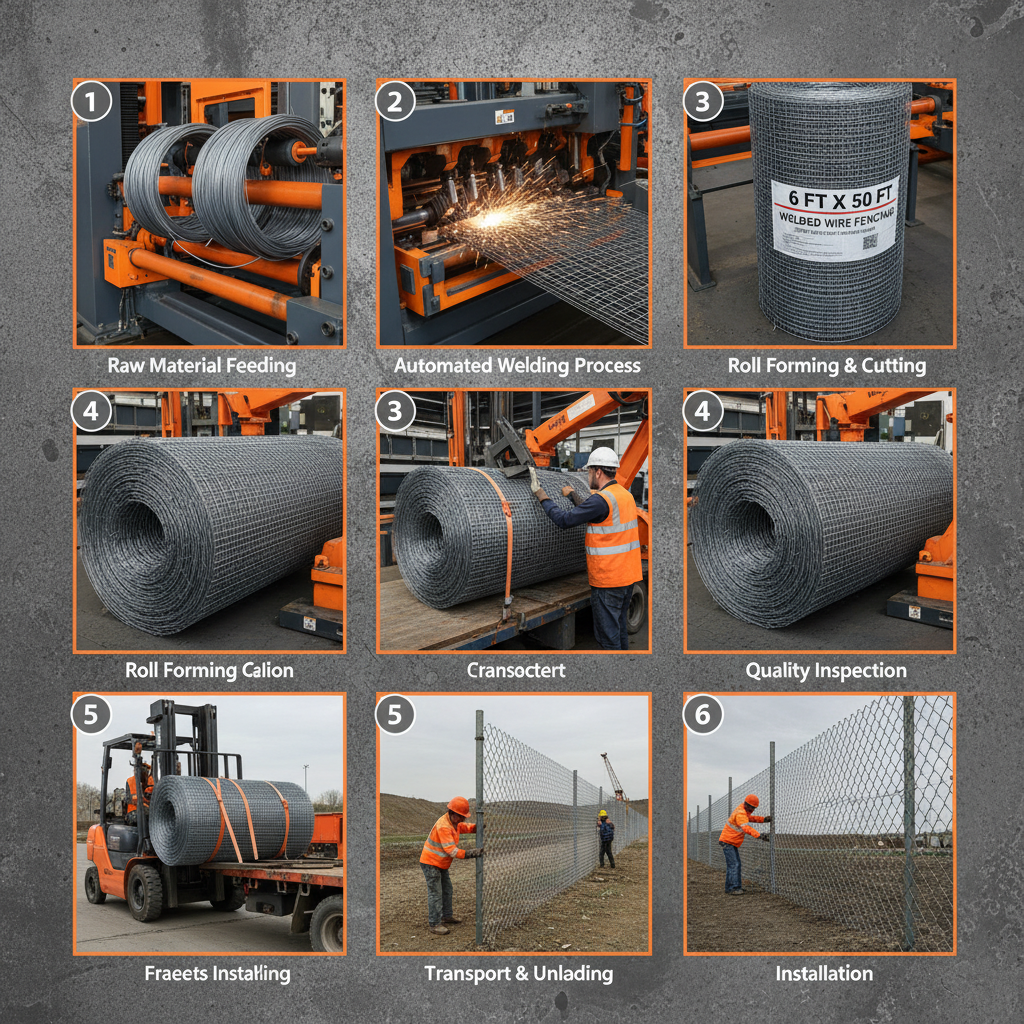 Durable 6 ft x 50 ft welded wire fencing for Security and GardensWhen it comes to securing a perimeter, whether for agricultural use, garden protection, or industrial boundaries, the dimensions and material of your fence matter. The 6 ft x 50 ft welded wire fencing offers an ideal balance of height and length, providing a robust barrier that is easy to install and maintain. Choosing a welded wire system ensures that the intersections are fused together, preventing the shifting and sagging often found in woven alternatives. In this guide, we will explore why this specific size is a preferred choice for property owners and how to maximize its effectiveness for your specific project.Read more >
Apr 09 2026
-
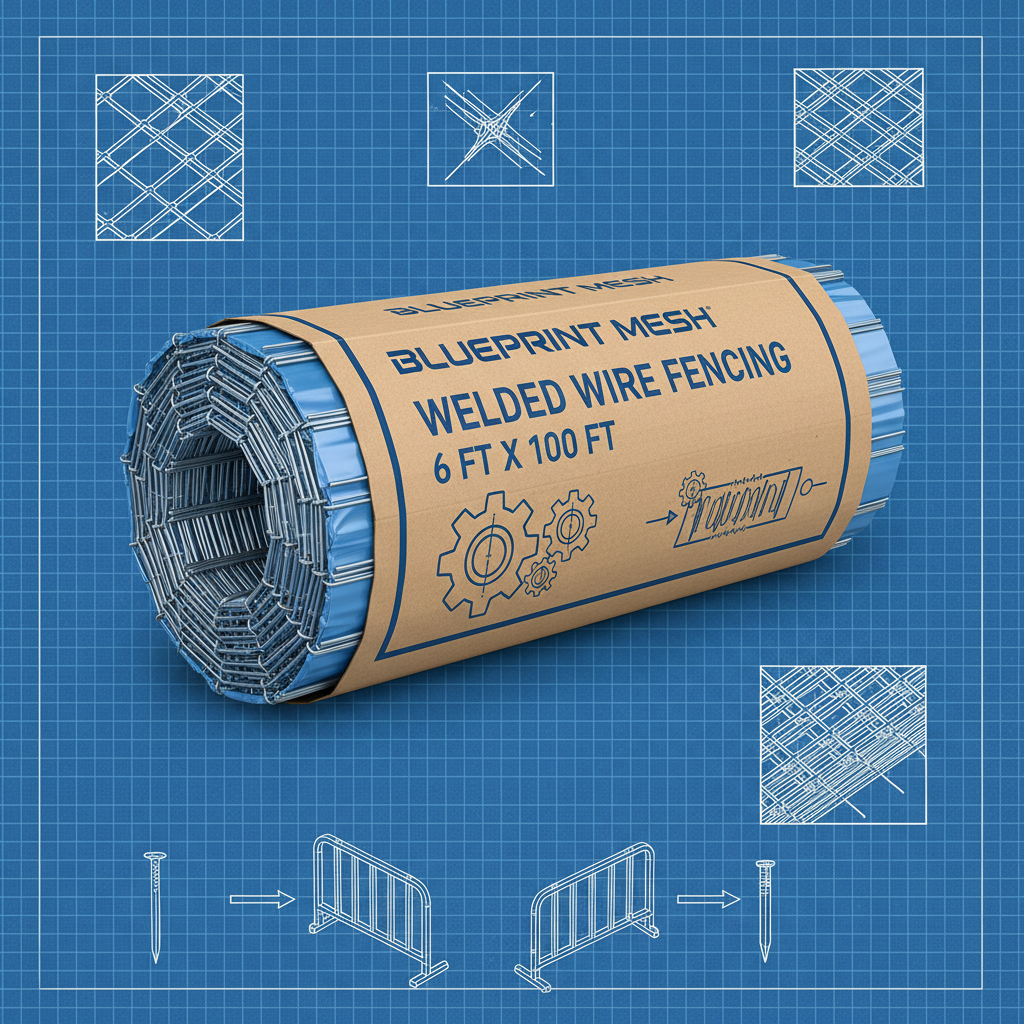 Comprehensive Guide to Choosing the Best 6 ft x 100 ft Welded Wire FencingWelded wire fencing is a versatile and cost-effective solution for a wide range of applications, from agricultural containment to residential security. Understanding the nuances of different types, especially when considering a size like 6 ft x 100 ft welded wire fencing, is crucial for making the right investment. This article will guide you through the essential factors to consider, helping you select the fencing that best suits your specific requirements.Read more >
Apr 07 2026
-
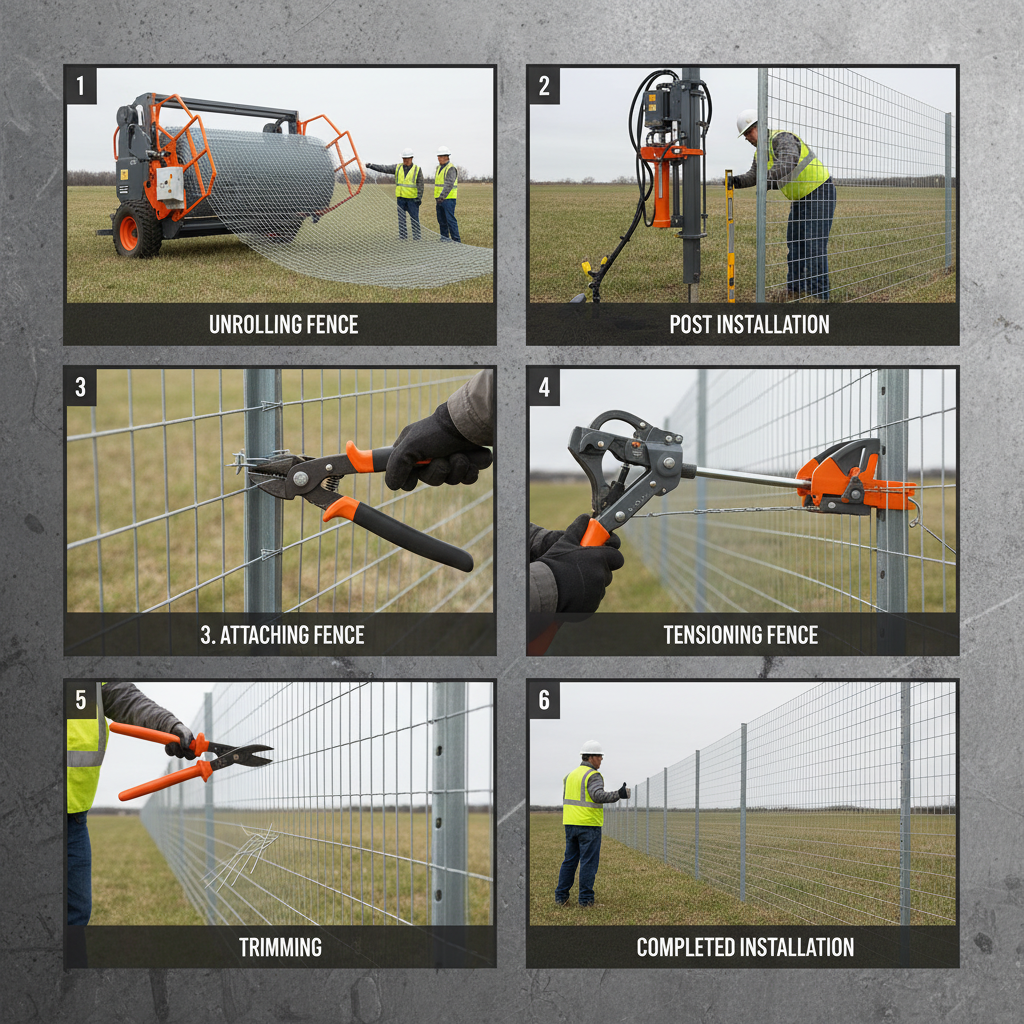 Comprehensive Guide to Choosing a 6 ft x 100 ft 12.5 Gauge Welded Wire FenceSelecting the appropriate fence for your property requires careful consideration. A 6 ft x 100 ft 12.5 gauge welded wire fence offers a robust and versatile solution for a variety of applications, from pet containment to garden protection and security. This guide will explore the benefits, applications, installation tips, and considerations when choosing this type of fencing. Understanding its construction and comparing it to other fencing options will help you make an informed decision.Read more >
Apr 04 2026
-
 Comprehensive Guide to Durable 6 ft Welded Wire Fencing Panels and ApplicationsWhen selecting fencing for your property, 6 ft welded wire fencing panels offer a robust and versatile solution. These panels combine strength, security, and ease of installation, making them a popular choice for both residential and commercial applications. This article delves into the benefits, applications, installation, and maintenance of these panels, helping you make an informed decision.Read more >
Mar 31 2026