


Choosing Gabion Box: Opening Size, Wire Diameter and Application
THE BUYER'S GUIDE / SELECTION
Choosing Gabion Box: Opening Size, Wire Diameter and Application
This guide helps procurement teams, engineers and distributors select the right gabion box by evaluating the two most decisive technical parameters — mesh opening size and wire diameter — alongside the intended application. Drawing on confirmed product specifications from ANPING COUNTY CHENG CHUANG METAL PRODUCTS CO.,LTD., the article explains how each parameter affects structural performance, fill retention and corrosion resistance, and matches those parameters to common project types such as retaining walls, riverbank protection, slope stabilisation and landscape planters.

Mesh opening size: determines fill retention and drainage performance. Welded units are available in openings from 40 × 40 mm to 80 × 80 mm and 50 × 100 mm; woven units in 6 × 8 mm and 8 × 10 mm. Match the opening to fill gradation and hydraulic requirements.
Wire diameter: governs tensile strength, resistance to deformation under fill load and long-term durability. Welded unit main wire is 3–5 mm with 3–4 mm spring wire; woven unit wire is 2–3.4 mm. Choose heavier wire for retaining walls and high-fill-load applications, and verify engineering requirements for load-bearing structures.
What Is a Gabion Box?
A gabion box is a wire mesh container — typically rectangular — that is filled with stone, rock or other granular material on-site. Once assembled and filled, the units interlock to form gravity structures such as retaining walls, embankment reinforcement layers, channel linings and decorative landscape features. The structural integrity of the finished work depends largely on two controllable variables at the procurement stage: mesh opening size and wire diameter.
ANPING COUNTY CHENG CHUANG METAL PRODUCTS CO.,LTD. manufactures these containers in welded-wire and woven-wire forms, with a range of surface finishes and nominal dimensions to suit different project requirements.
Criterion 1 — Mesh Opening Size
The mesh opening size determines which fill materials are retained inside the container and how freely water can drain. The right choice depends on your fill gradation and whether the structure must also manage sediment or hydraulic flow.
Welded Configuration — Confirmed Opening Sizes
- 40 × 40 mm — the tightest confirmed opening; suitable for fine crushed-stone fill or where a smoother finished face is required.
- 50 × 50 mm — a common general-purpose size for retaining and landscaping work.
- 60 × 60 mm, 75 × 75 mm, 80 × 80 mm — progressively larger openings suited to coarser fill or installations where drainage rate is a priority.
- 50 × 100 mm — rectangular opening used in specific structural or decorative configurations.
Woven (Hexagonal Mesh) Configuration — Confirmed Opening Sizes
The confirmed hole sizes for woven units are 6 × 8 mm and 8 × 10 mm. These tighter openings are characteristic of double-twist hexagonal mesh used in riverbank and channel-lining applications, where fine sediment control and hydraulic flexibility are both required.
Matching Opening Size to Project Type
| Project type | Recommended opening range | Reason |
|---|---|---|
| Retaining wall (coarse stone fill) | 50 × 50 mm to 80 × 80 mm (welded) | Accommodates practical fill sizes while maintaining structural density |
| Riverbank / seawall erosion control | 6 × 8 mm – 8 × 10 mm (woven) | Fine sediment retention with hydraulic flexibility |
| Slope stabilisation / rock-face netting | 50 × 50 mm – 75 × 75 mm (welded) | Balances drainage and fill retention on grades |
| Landscape planter | 50 × 50 mm (welded, powder- or PVC-coated) | Clean visual finish; retains landscape growing media |
Note: Custom openings are available upon request. Confirm final dimensions with the supplier if your fill material or design specification differs from the standard ranges listed above.
Criterion 2 — Wire Diameter
Wire diameter governs tensile strength, resistance to deformation under fill load and long-term durability. Thicker wire resists panel bulging and distortion when units are stacked or exposed to sustained hydrostatic pressure.
Confirmed Wire Diameter Ranges
- Welded configuration — main wire: 3–5 mm
- Welded configuration — spring (connecting) wire: 3–4 mm
- Woven configuration — wire: 2–3.4 mm
Matching Wire Diameter to Project Demands
- Retaining walls and heavy fill loads: Select welded panels toward the upper end of the 3–5 mm range to resist outward pressure from compacted fill.
- Riverbank and channel lining: Woven units at 2–3.4 mm are conventional for hydraulic structures; the double-twist weave distributes load across the mesh rather than through rigid panel joints.
- Landscape and planter applications: Mid-range welded wire (approximately 3–4 mm) with a decorative surface coating is typical where visual appearance is part of the design brief.
- Stacked or large structures: Obtain engineering verification of wire gauge requirements. The confirmed ranges reflect standard production options, not pre-approved engineering limits for any specific project.
Surface Finish and Wire Material
Surface treatment is a third variable that significantly affects service life, especially in wet or corrosive environments.
Confirmed surface finishes:
- Galvanised — standard corrosion protection for most outdoor and civil engineering applications.
- Powder-spray coated — adds a polymer layer; favoured for urban landscape work where colour matching is needed.
- Vinyl / PVC coated — suitable for submerged or coastal conditions where galvanising alone may be insufficient over the long term.
Confirmed wire materials: low-carbon steel, galvanised iron, plastic-coated wire, powder-coated wire and stainless steel.
Nominal Dimensions
Welded Units
Confirmed nominal dimensions:
- 1 × 1 × 0.5 m
- 1 × 1 × 1 m
- 2 × 1 × 1 m
- 2 × 0.7 × 0.6 m
- Custom dimensions available on request
Woven Units
Confirmed nominal dimensions:
- 2 × 1 × 1 m
- 3 × 1 × 1 m
- 4 × 1 × 1 m
- 6 × 1 × 1 m
- Custom dimensions available on request
Fence-Frame Sizes
Standard frame sizes: 8′ × 10′, 6′ × 10′, 4′ × 10′ — other sizes available on request.
Confirmed Application Areas
- Slope support and foundation pit support — welded units at structural wire diameters.
- Mountain rock-face hanging net and shotcrete support — surface-mounted netting configurations.
- Slope planting (greening) — units used as vegetated retaining structures.
- Railway and highway isolation / guard netting — perimeter and embankment protection.
- River, dam and seawall erosion protection — woven units and reno mattresses for hydraulic structures.
- Reservoir and river-closure cages — large-dimension units filled with heavy stone.
- Retaining wall construction — the most common civil application; wire diameter and opening should reflect wall height and fill unit weight.
- Landscape planter — powder-coated or PVC-coated finish recommended for decorative installations.
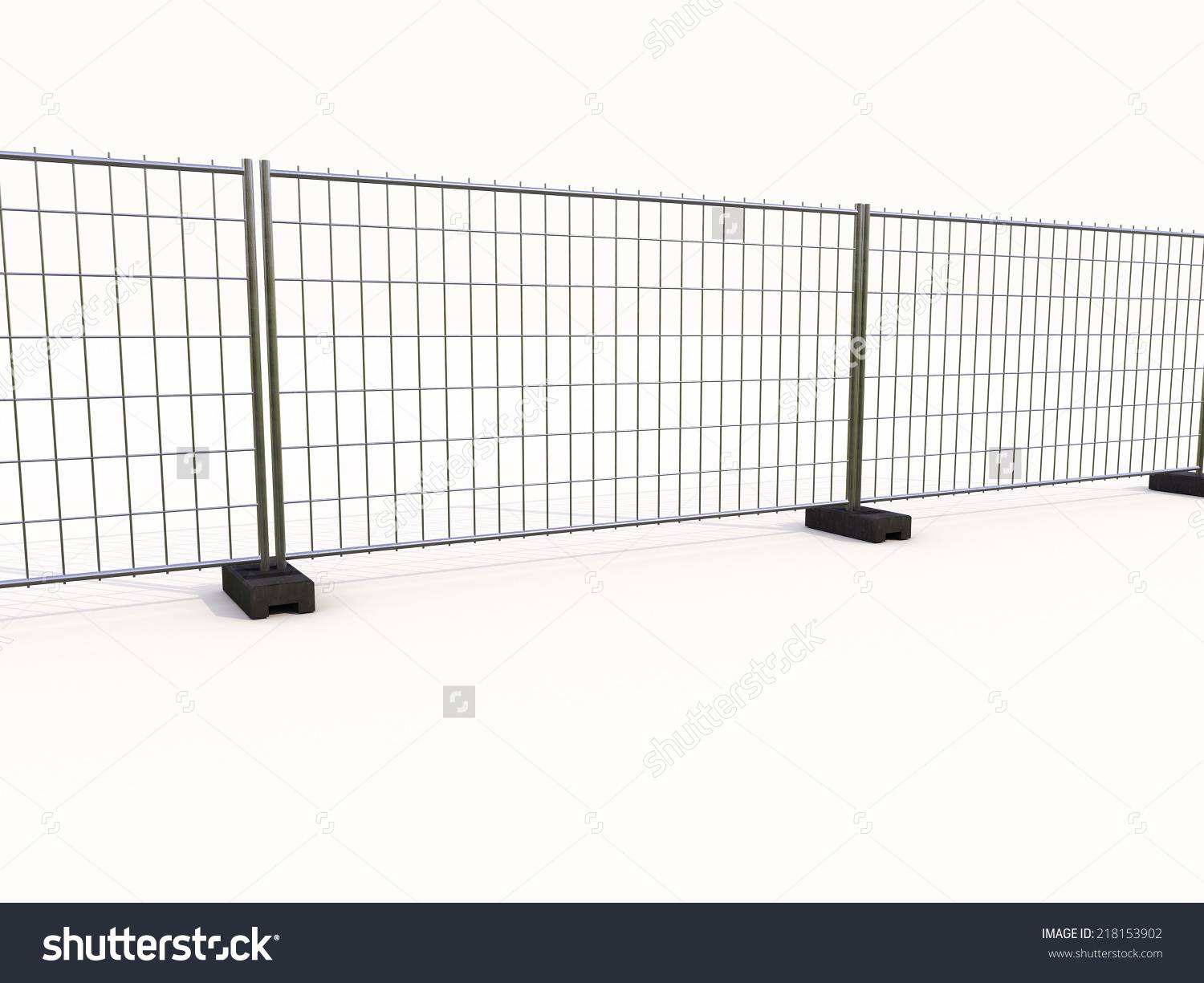
- Construction site perimeter, road closure, events demarcation, warehouse partition and crowd control — temporary or semi-permanent barrier configurations.
Fabrication Processes and Fittings
Confirmed fabrication processes: electroplating; welding (standard, spot-welded and gas-shielded).
Confirmed fittings: steel tubing, base and cap.
Selection Checklist
When specifying a unit, work through the following steps:
- Define the application — civil/structural, hydraulic, landscape or temporary barrier.
- Determine fill material and gradation — select a mesh opening that retains your fill without impeding drainage.
- Assess structural and load demands — choose wire diameter to match; heavier loads require thicker wire.
- Consider the service environment — specify galvanised, PVC-coated or stainless steel wire to match corrosion exposure.
- Confirm dimensions — check whether standard nominal sizes fit the design, or request custom sizing.
- Obtain engineering review — for load-bearing retaining walls or hydraulic structures, verify the specification with a qualified civil or geotechnical engineer before finalising an order.
ANPING COUNTY CHENG CHUANG METAL PRODUCTS CO.,LTD. offers both welded and woven configurations across the parameter ranges described above. Contact the supplier directly to confirm availability, lead times and pricing for your specific project volume and destination.
THE PEOPLE

About the author
THE COMPANY
ANPING COUNTY CHENG CHUANG METAL PRODUCTS CO.,LTD.
ANPING COUNTY CHENG CHUANG METAL PRODUCTS CO.,LTD is located at No. 12 Jingsi Road, east Industrial Park, Anping County which is China's famous "land of wire mesh". It covers an area of 48000 square meters, a construction area of 35000 square meters, and a registered capital of 50.08 million RMB.…
About Us ↗Visit company website ↗YOUR NEXT STEP
Bring your brief. Start a useful conversation.
Use case, specification, quantity and delivery window: make the next conversation specific.
Latest News About CHENG CHUANG
-
 How to estimate the cost of welded wire fabric for SL reinforcing mesh panelsEstimate the cost of welded wire fabric by comparing SL62 to SL102 wire diameters, mesh openings, panel sizes, sheet mass, and project use.Read more >
Nov 04 2026
-
 High Security 358 Fecne FAQ: Specifications, Ordering and Support QuestionsAnswers to common questions about High Security 358 Fecne — covering mesh aperture, panel sizes, wire diameter, surface treatment options, post specs and customization. Sourced from confirmed product documentation.Read more >
Oct 29 2026
-
 Choosing Triangle Bending Fence / Garden Fence Low Price / Fencing Panels: Opening Size, Wire Diameter and ApplicationA practical selection guide for triangle bending fence / garden fence low price / fencing panels: compare mesh opening sizes, wire diameters, panel heights, surface treatments, and post types to find the right specification for your project.Read more >
Oct 27 2026
-
 Choosing a Hesco Wall Barrier: Application Fit and Specification ChecksCompare hesco wall barrier models ST-1 through ST-10 by height, width, wire coating, geotextile weight and mesh opening. Match the right configuration to military, flood control or retaining wall applications.Read more >
Oct 27 2026