


Cattle Fence Wire for Sale: Galvanized, Heavy-Duty Deals?
Wholesale Anti-Climb Bulk Temporary Cattle Fence: What Buyers Should Really Know
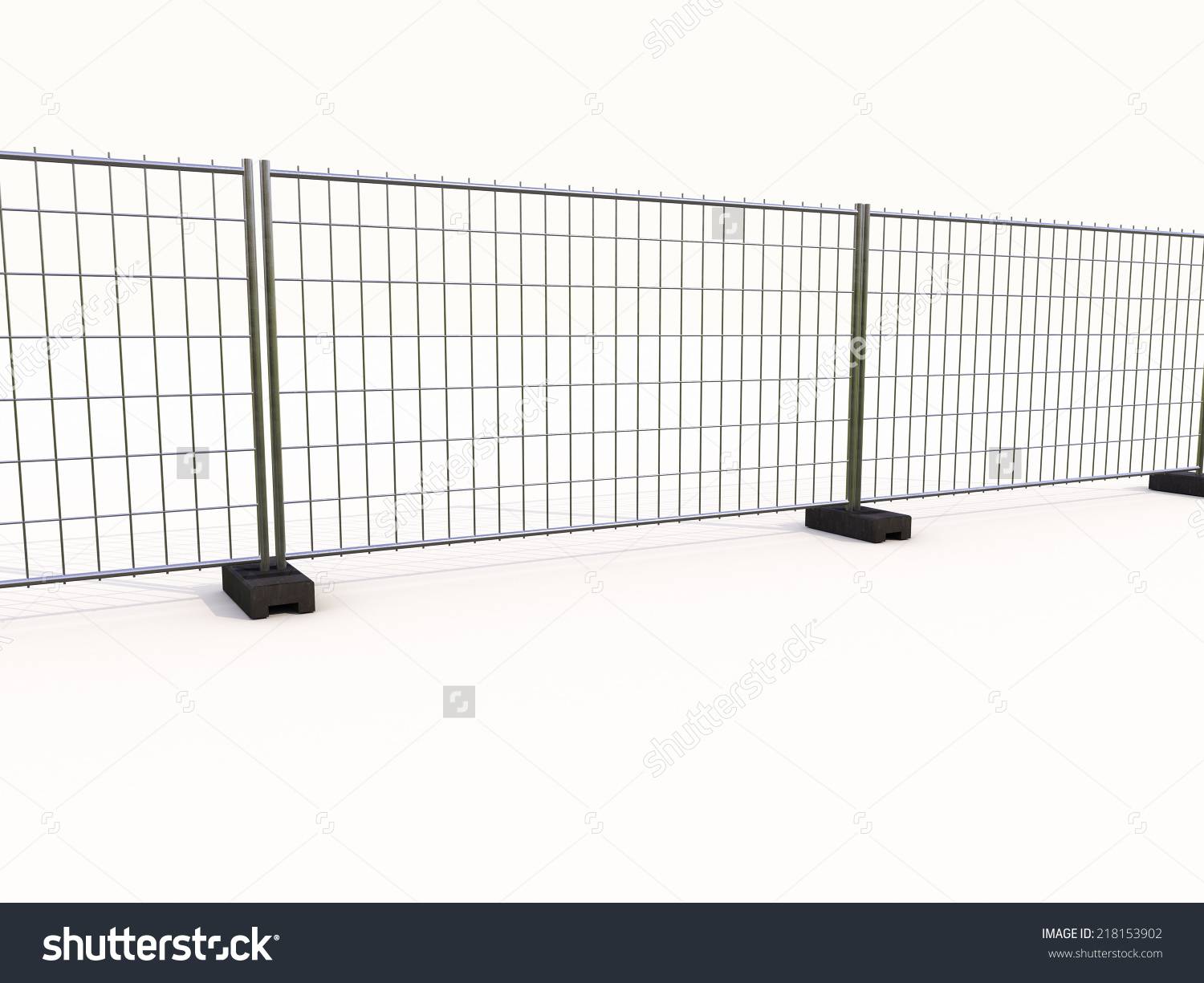
If you’re scanning the market for cattle fence wire for sale, here’s a straight-talking field report from someone who’s walked plenty of fence lines. The CHCH Fence team out of Anping County, Hebei, has been pushing a tough blend of high-tensile, anti-climb field fence designed for fast temporary setups—events, rotational grazing, roadside containment—yet rugged enough for long-haul ranch work.
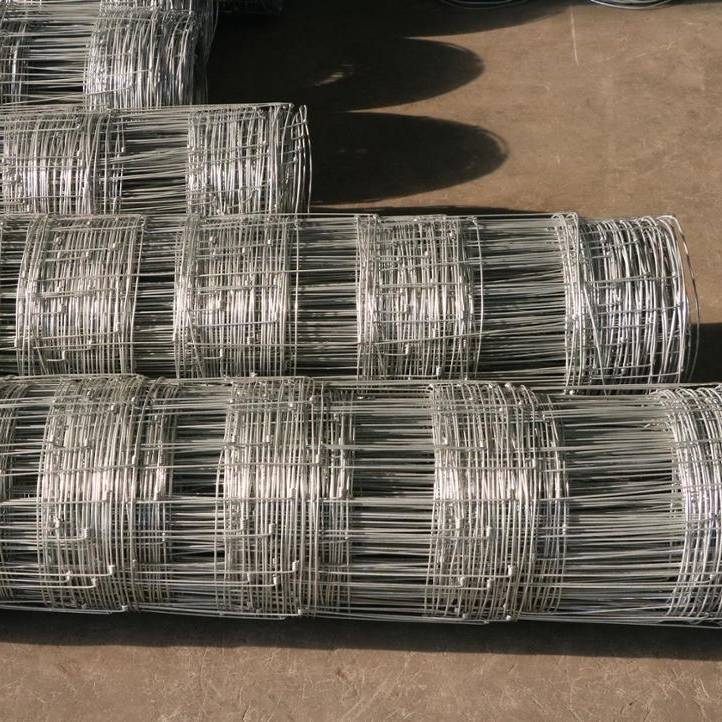
Trend-wise, we’re seeing three things: higher zinc coatings (Class 3 or Zn-Al), smaller apertures up top for anti-climb behavior, and more demand for quick-install panels or rolls that don’t kink under pressure. To be honest, real ranchers care less about brochure gloss and more about knots that hold, wires that snap back, and coatings that don’t white-rust after two wet seasons. This product checks those boxes more often than not, and that’s from comparing it in the wild with a few competing imports.
Core Specs (typical, customizable)
| Parameter | Spec (≈ real-world may vary) |
|---|---|
| Material | High-tensile steel wire; Hot-dip galvanized, Electro-galv, or PVC-coated |
| Knot type | Fixed-knot / hinge-joint via special knotting machines |
| Wire diameter | Horizontal 2.0–2.5 mm; Vertical 2.2–3.0 mm |
| Tensile strength | 700–1200 MPa (line wires), ≈ higher on top/bottom selvedge |
| Coating | Class 3 zinc ≈ 230–275 g/m², or Zn-Al alloy; PVC topcoat optional |
| Mesh aperture | Graduated; tighter upper mesh for anti-climb behavior |
| Height & length | H 1.2–1.8 m; rolls 50 m; temp panels on request |
Process, Testing, and Service Life
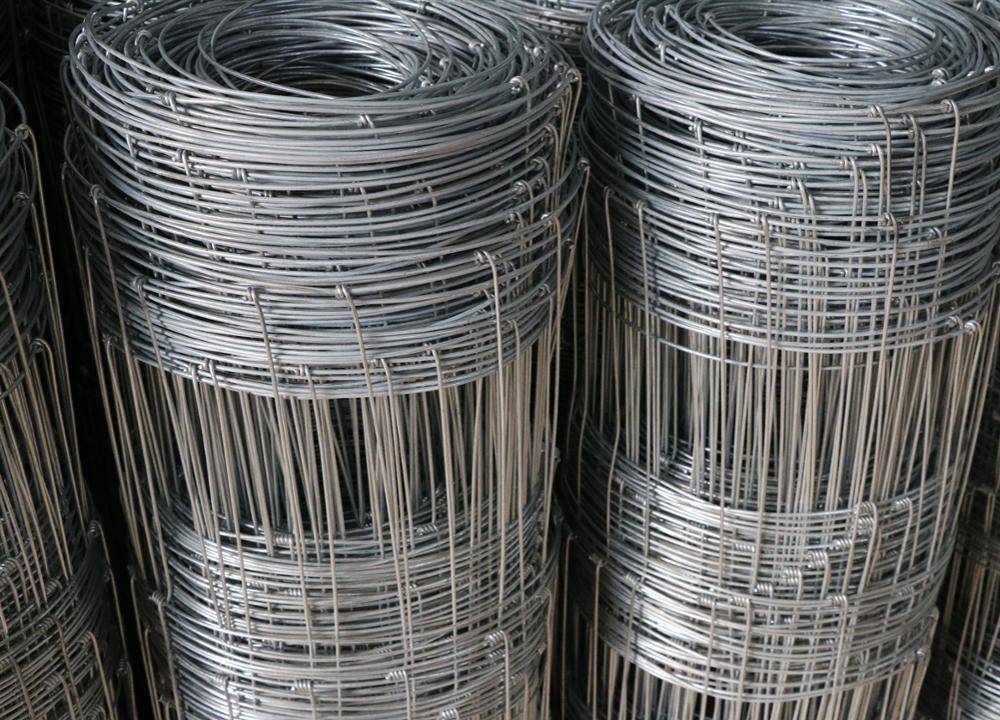
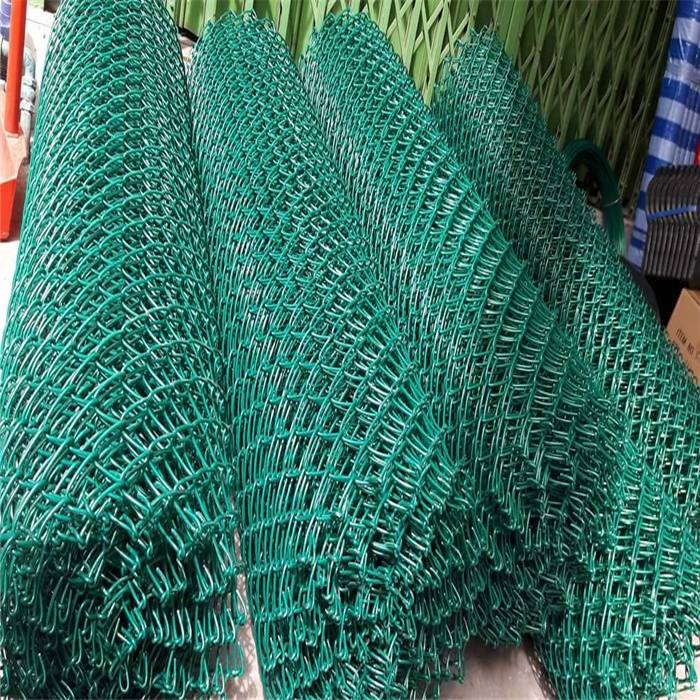
Materials are high-tensile steel wire with pre-galvanized or hot-dipped coatings, then machine-knotted. Methods include tension-straightening to keep the mesh lively (less sag), and controlled knot compression so wires don’t crack. Typical testing follows ASTM A116 for farm field fence and ASTM A641 for zinc-coated wire; coating checks reference EN 10244-2, while salt spray benchmarks run 300–600 h (SGS-type tests, ≈ conditions). In normal rural exposure, you’re looking at ≈ 15–25 years; coastal use, closer to 10–15 unless you go Zn-Al + PVC.
Applications and Feedback
Use it for rotational paddocks, roadside containment, dairy alleys, feedlots, or temporary event corrals. Many customers say the smaller top apertures stop kids (and opportunistic goats) from using the fence as a ladder. One ranch manager told me, “After a storm, posts leaned but the knots didn’t pop.” That’s the kind of boring reliability you want when you’re buying cattle fence wire for sale.
Vendor Snapshot (quick compare)
| Vendor | Coating class | Standards | Lead time | Customization | Notes |
|---|---|---|---|---|---|
| CHCH Fence (Anping) | Class 3 / Zn-Al / PVC | ASTM A116, A641; EN 10244-2 | ≈ 2–4 weeks | High (mesh, height, color) | ISO 9001 plant; bulk-friendly |
| Local farm supply | Mixed (Class 1–3) | Varies | Immediate stock | Low–Medium | Easy pick-up; higher per-roll cost |
| Generic import | Often Class 1 | Unclear | 3–8 weeks | Low | Attractive price; watch coating |
Customization and Real-World Cases
Options include mesh graduation, panel vs roll, PVC green/black coats, branded tags, and gate kits. Origin: No. 12 TH South of Weier Road, West of Jinsi Road, Anping County, Hebei, China. Two snapshots: (1) 1,200 m installed in Queensland beef country—reported 30% fewer push-through incidents and quicker strip-grazing moves; (2) 500 temporary panels for a Midwestern feedlot—average two-person install ≈ 280 m/hour after the first morning’s learning curve. Honestly, that speed surprised me.
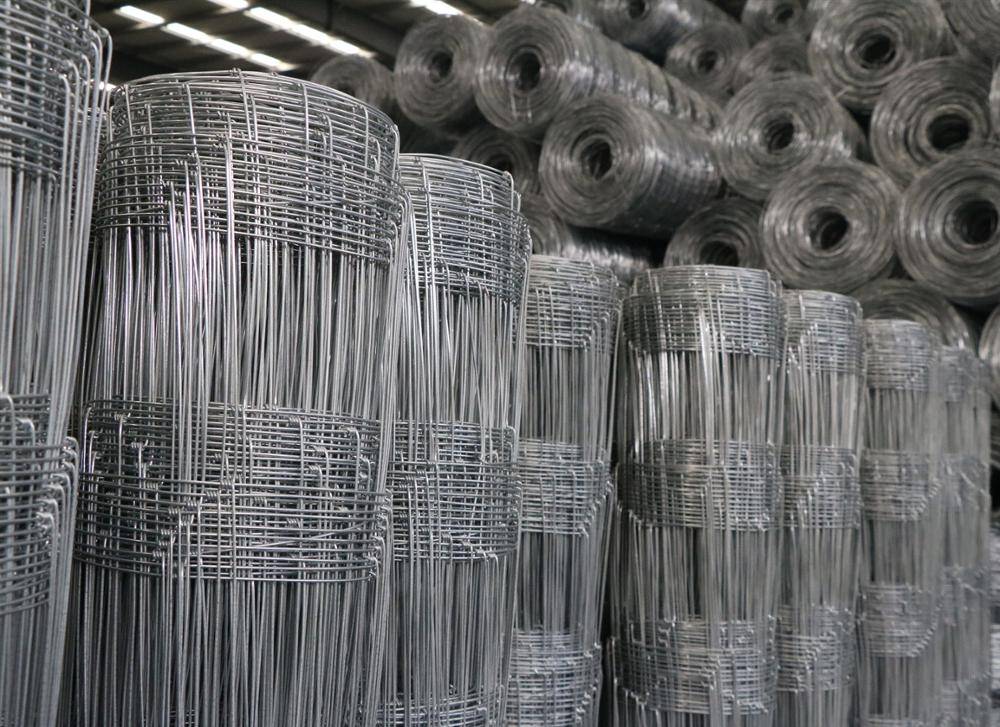
Certifications and data: plant ISO 9001:2015; third-party salt spray reports available on request; tensile pulls logged per lot. If you’re sizing up cattle fence wire for sale, ask for coating weight certificates and a mesh sample—you’ll feel the spring in high-tensile lines instantly.
Authoritative references
Latest News About CHENG CHUANG
-
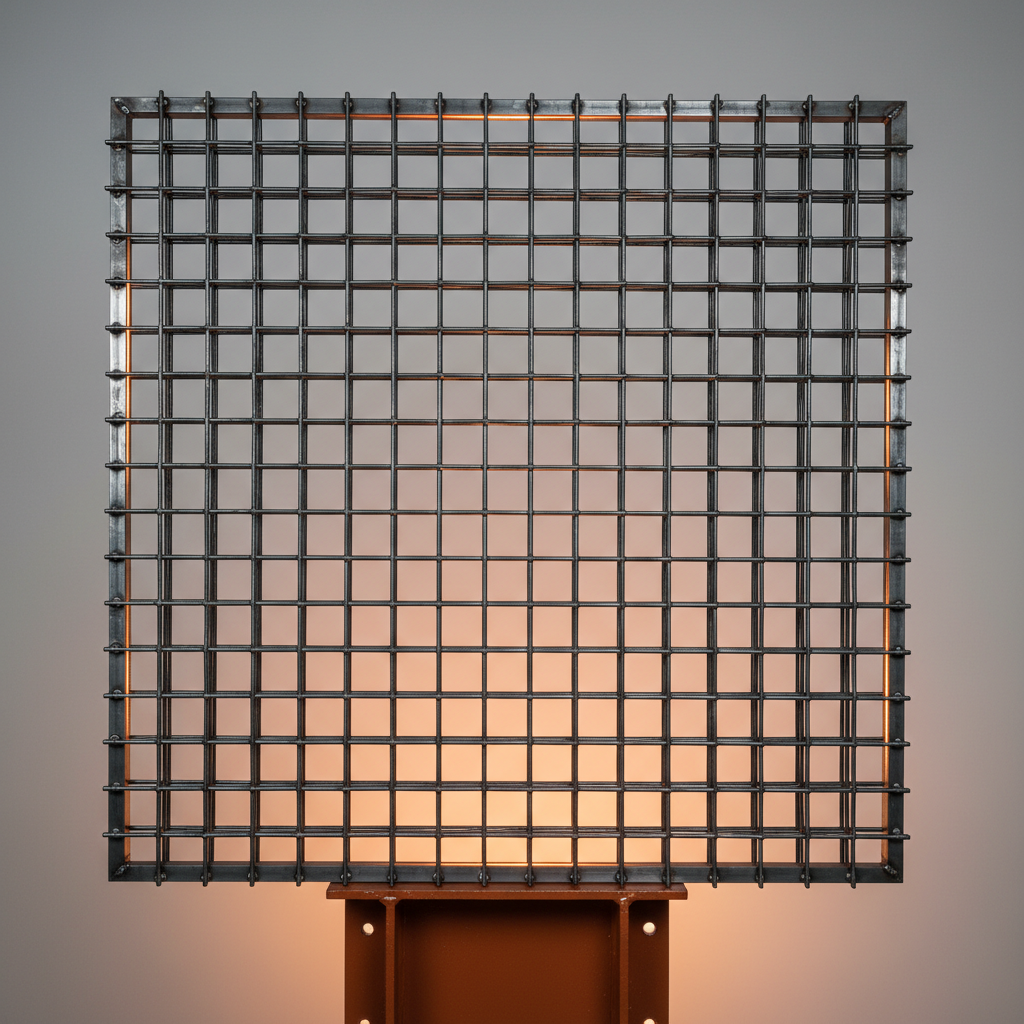 Heavy Duty 6 gauge welded wire mesh for Security and StrengthWhen it comes to heavy-duty containment, security, and structural reinforcement, choosing the right material is critical. The 6 gauge welded wire mesh stands as a premier choice for those requiring a balance of extreme rigidity and precise spacing. Whether you are securing a commercial perimeter, building industrial livestock panels, or creating reinforced concrete structures, this specific thickness provides the structural integrity needed to withstand significant pressure and impact. In this comprehensive guide, we will explore the technical specifications, primary applications, and why this mesh is the gold standard for high-security fencing solutions.Read more >
Apr 16 2026
-
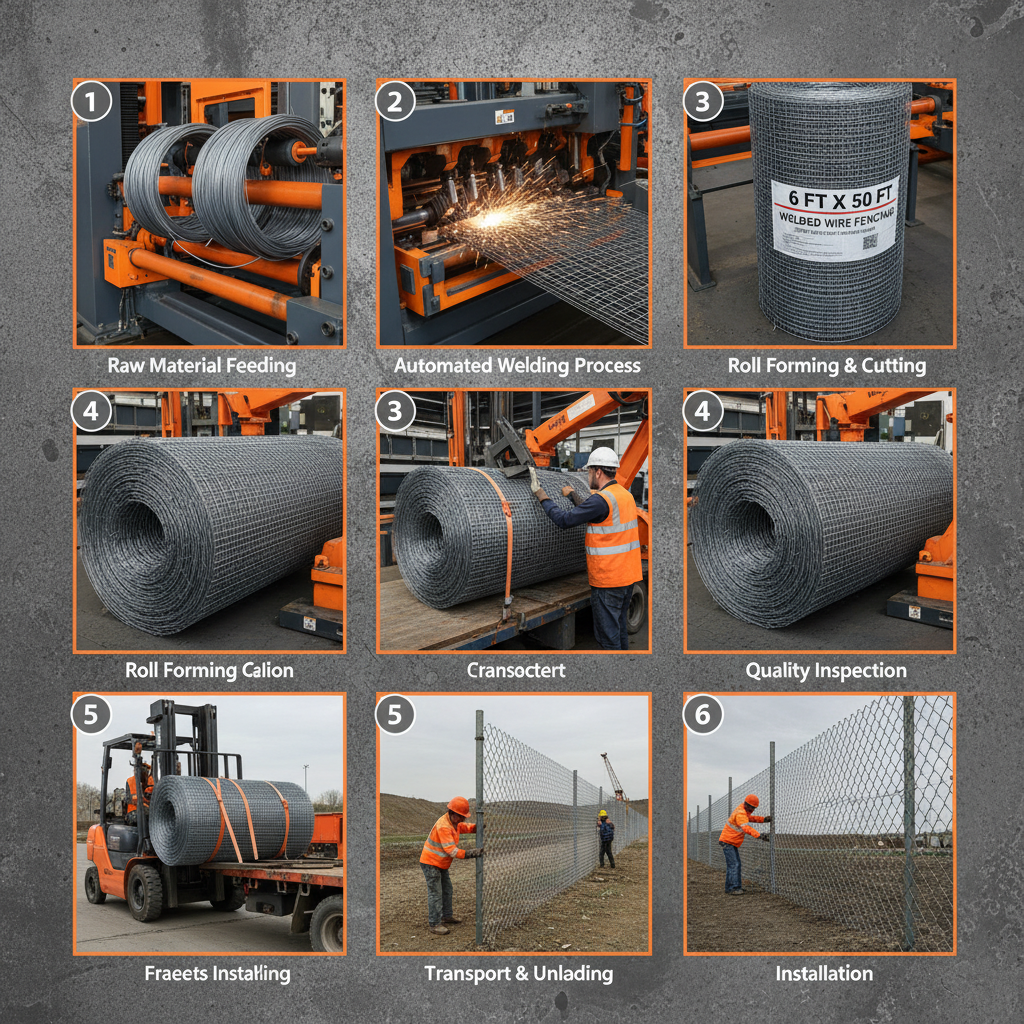 Durable 6 ft x 50 ft welded wire fencing for Security and GardensWhen it comes to securing a perimeter, whether for agricultural use, garden protection, or industrial boundaries, the dimensions and material of your fence matter. The 6 ft x 50 ft welded wire fencing offers an ideal balance of height and length, providing a robust barrier that is easy to install and maintain. Choosing a welded wire system ensures that the intersections are fused together, preventing the shifting and sagging often found in woven alternatives. In this guide, we will explore why this specific size is a preferred choice for property owners and how to maximize its effectiveness for your specific project.Read more >
Apr 09 2026
-
 Comprehensive Guide to Choosing the Best 6 ft x 100 ft Welded Wire FencingWelded wire fencing is a versatile and cost-effective solution for a wide range of applications, from agricultural containment to residential security. Understanding the nuances of different types, especially when considering a size like 6 ft x 100 ft welded wire fencing, is crucial for making the right investment. This article will guide you through the essential factors to consider, helping you select the fencing that best suits your specific requirements.Read more >
Apr 07 2026
-
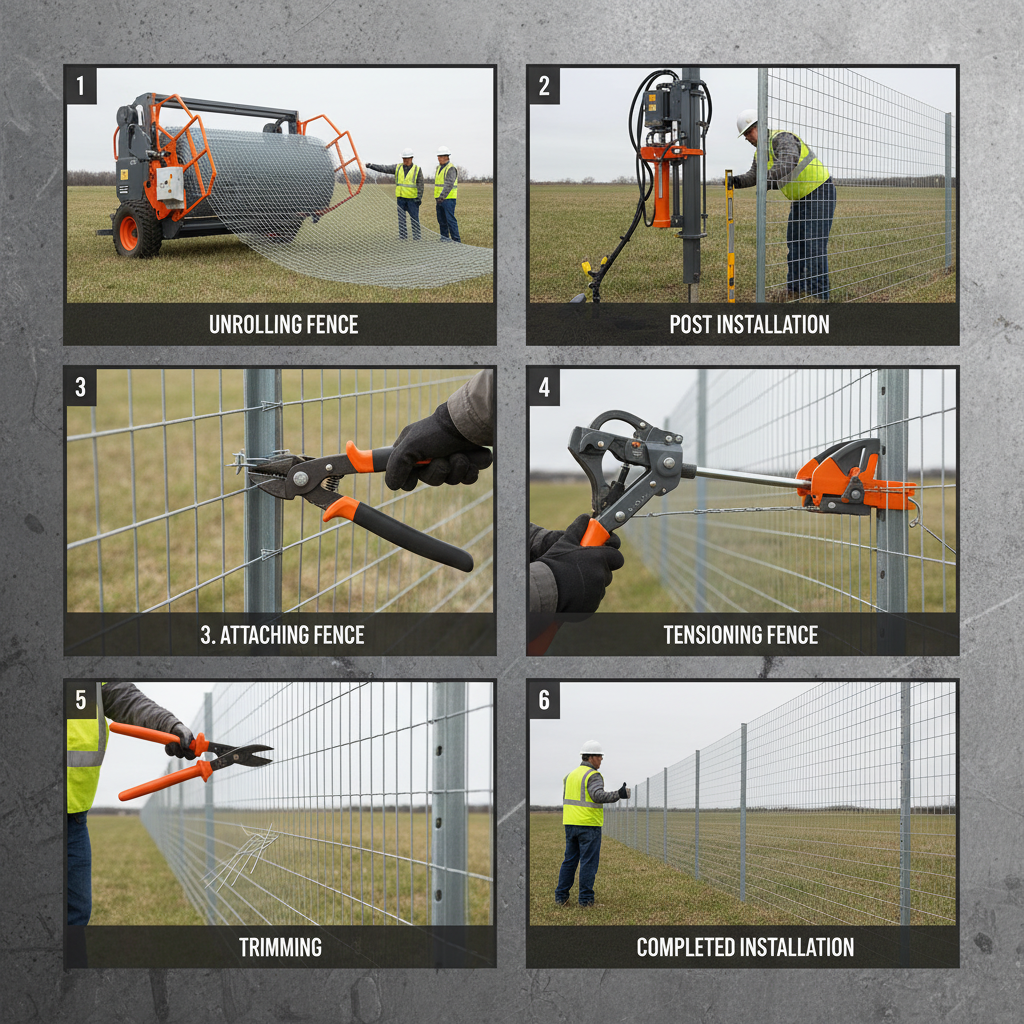 Comprehensive Guide to Choosing a 6 ft x 100 ft 12.5 Gauge Welded Wire FenceSelecting the appropriate fence for your property requires careful consideration. A 6 ft x 100 ft 12.5 gauge welded wire fence offers a robust and versatile solution for a variety of applications, from pet containment to garden protection and security. This guide will explore the benefits, applications, installation tips, and considerations when choosing this type of fencing. Understanding its construction and comparing it to other fencing options will help you make an informed decision.Read more >
Apr 04 2026
-
 Comprehensive Guide to Durable 6 ft Welded Wire Fencing Panels and ApplicationsWhen selecting fencing for your property, 6 ft welded wire fencing panels offer a robust and versatile solution. These panels combine strength, security, and ease of installation, making them a popular choice for both residential and commercial applications. This article delves into the benefits, applications, installation, and maintenance of these panels, helping you make an informed decision.Read more >
Mar 31 2026