


Durable Welded Chicken Wire for Industrial & Agricultural Use
Welded Chicken Wire: Reliable Reinforcement in Industrial Applications
Having worked in industrial equipment supply and installation for over a decade, I’ve come across my fair share of fencing materials. But when it comes to durability, ease of handling, and versatility, welded chicken wire has a special place in my toolkit. Frankly, it’s an unsung hero in many settings — from agricultural enclosures to industrial reinforcement — and I’m happy to share a few insights from the field.
First off, what exactly is welded chicken wire? It’s a type of wire mesh made by welding intersecting steel wires at each junction. Unlike the traditional hexagonal woven chicken wire, welded versions create a square or rectangular grid, significantly boosting structural integrity. For those building long-lasting pens, cages, or barriers, this detail can make a world of difference.
In terms of material, most welded chicken wire uses galvanized steel wire, sometimes coated with PVC, depending on the application. I remember working on a livestock project a few years ago in a wetter climate — the standard galvanized steel didn’t hold up long term, so switching to PVC-coated mesh was a game changer, extending the lifespan dramatically. You learn, over time, just how crucial material choice is — not just the gauge, but the coating and welding quality.
Speaking of quality, the strength and uniformity of the welds are essential. Many engineers and contractors I’ve spoken with swear by meshes that pass strict tensile and shear tests, ensuring that fences withstand animals’ pressure or environmental stresses like wind and snow.
One particular customer I recall was a small-scale poultry farmer who’d tried ‘cheaper’ woven wire fencing. The mesh sagged and tore easily. After switching to welded chicken wire, his pens lasted for years unscathed. In real terms, that kind of durability translates to less maintenance and better animal security — something frankly worth every penny.
Now, let’s cover some typical welded chicken wire specs so you get a clearer picture:
| Specification | Details |
|---|---|
| Mesh Type | Square/Rectangular Welded Wire Mesh |
| Wire Gauge | 16 to 12 gauge (1.5 to 2.7 mm) |
| Mesh Opening | Typically 1” x 1” to 2” x 4” (25mm to 50mm approx.) |
| Material | Galvanized or PVC-coated steel |
| Standard Roll Dimensions | 4ft to 6ft height, 50ft to 100ft length |
| Weight | Typically 25-35 lbs per 50ft roll |
Of course, no two projects are the same. It’s quite common to customize mesh size, wire gauge, or coating to suit particular needs. I’ve noticed that fence installers often ask for narrower mesh sizes for small poultry, but larger openings work fine for cattle or construction site barriers. You know, it’s that flexibility that keeps welded chicken wire in steady demand.
Now, if you’re considering vendors, here’s a quick comparison based on common factors like price, product range, and delivery. (I’ve been around the block with these guys.)
| Vendor | Price Range | Material Options | Lead Time | Customer Support |
|---|---|---|---|---|
| CHCHF Fence | $150 - $300 per roll | Galvanized, PVC-coated | 1-2 weeks | Highly responsive, technical advice available |
| Generic Supplier A | $120 - $250 | Primarily galvanized | 3-4 weeks | Limited support |
| Budget Fence Co. | $100 - $200 | Basic galvanized only | 1-3 weeks | Minimal support |
In my experience, paying a little extra for quality and support goes a long way. It feels like the difference between “fix it later” fences and ones that just keep doing their job quietly for years.
So, to wrap things up: if your project calls for flexible, sturdy fencing, welded chicken wire really deserves a spot on your shortlist. It merges the affordability of traditional wire with the strength of welded connections, giving you a no-nonsense material that’s up to most industrial or agricultural challenges.
Oddly enough, the best products often feel a little humble on the surface. But ask any seasoned installer — when you want something to last, you keep coming back to welded chicken wire.
References:
- Smith, J. (2019). Industrial Fencing Solutions. FenceTech Publishing.
- National Steel Wire Association. (2022). Quality Standards for Welded Wire Mesh. www.nswa.org
- Personal interviews with field engineers, 2021–2023.
Latest News About CHENG CHUANG
-
 Heavy Duty 6 gauge welded wire mesh for Security and StrengthWhen it comes to heavy-duty containment, security, and structural reinforcement, choosing the right material is critical. The 6 gauge welded wire mesh stands as a premier choice for those requiring a balance of extreme rigidity and precise spacing. Whether you are securing a commercial perimeter, building industrial livestock panels, or creating reinforced concrete structures, this specific thickness provides the structural integrity needed to withstand significant pressure and impact. In this comprehensive guide, we will explore the technical specifications, primary applications, and why this mesh is the gold standard for high-security fencing solutions.Read more >
Apr 16 2026
-
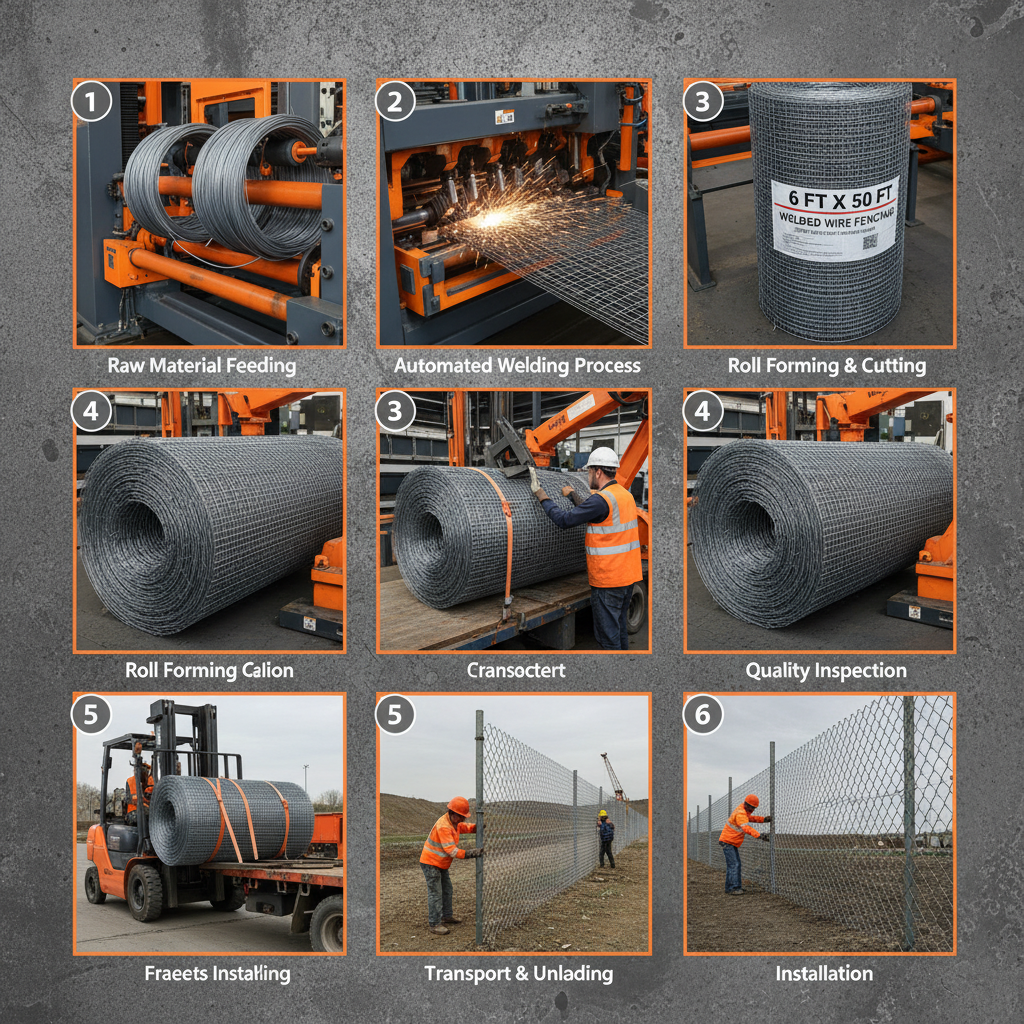 Durable 6 ft x 50 ft welded wire fencing for Security and GardensWhen it comes to securing a perimeter, whether for agricultural use, garden protection, or industrial boundaries, the dimensions and material of your fence matter. The 6 ft x 50 ft welded wire fencing offers an ideal balance of height and length, providing a robust barrier that is easy to install and maintain. Choosing a welded wire system ensures that the intersections are fused together, preventing the shifting and sagging often found in woven alternatives. In this guide, we will explore why this specific size is a preferred choice for property owners and how to maximize its effectiveness for your specific project.Read more >
Apr 09 2026
-
 Comprehensive Guide to Choosing the Best 6 ft x 100 ft Welded Wire FencingWelded wire fencing is a versatile and cost-effective solution for a wide range of applications, from agricultural containment to residential security. Understanding the nuances of different types, especially when considering a size like 6 ft x 100 ft welded wire fencing, is crucial for making the right investment. This article will guide you through the essential factors to consider, helping you select the fencing that best suits your specific requirements.Read more >
Apr 07 2026
-
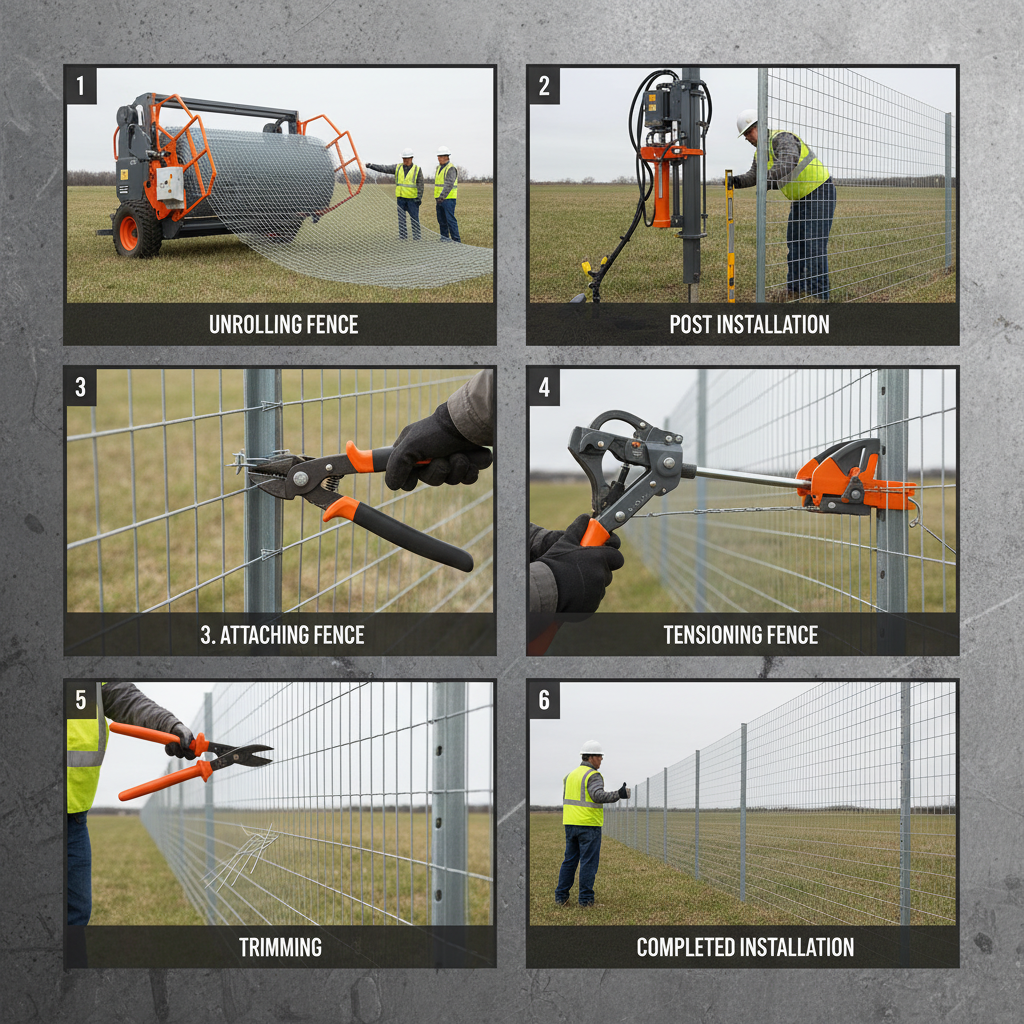 Comprehensive Guide to Choosing a 6 ft x 100 ft 12.5 Gauge Welded Wire FenceSelecting the appropriate fence for your property requires careful consideration. A 6 ft x 100 ft 12.5 gauge welded wire fence offers a robust and versatile solution for a variety of applications, from pet containment to garden protection and security. This guide will explore the benefits, applications, installation tips, and considerations when choosing this type of fencing. Understanding its construction and comparing it to other fencing options will help you make an informed decision.Read more >
Apr 04 2026
-
 Comprehensive Guide to Durable 6 ft Welded Wire Fencing Panels and ApplicationsWhen selecting fencing for your property, 6 ft welded wire fencing panels offer a robust and versatile solution. These panels combine strength, security, and ease of installation, making them a popular choice for both residential and commercial applications. This article delves into the benefits, applications, installation, and maintenance of these panels, helping you make an informed decision.Read more >
Mar 31 2026