


1x1 Welded Wire Panels: A B2B Guide to Selection and Application
Understanding the Value of 1x1 Welded Wire Panels
1x1 Welded Wire Panels…they're not glamorous, you know? But frankly, they’re everywhere. From reinforcing concrete to creating secure enclosures, these panels are a workhorse in a lot of industries. It's a deceptively simple product, but the specifications and quality control are surprisingly complex. We’re talking about load-bearing capability, corrosion resistance, and consistent weld integrity. And that's where a supplier like CHCH Fence comes in. They specialize in delivering consistently high-quality panels – and honestly, consistency is key. A single weak weld can compromise an entire structure.
Table of Contents
- 1x1 Welded Wire Panels Overview
- Benefits & Use Cases of 1x1 Welded Wire Panels
- Cost, Maintenance & User Experience
- Sustainability & Market Trends
1x1 Welded Wire Panels Overview
Essentially, a 1x1 welded wire panel is constructed by welding wires at every intersection, forming a grid with 1-inch openings. The wire gauge – the thickness – is the first thing to consider. Typically, you’ll see panels using wire gauges ranging from 6 to 14, with lower numbers indicating thicker wire. Heavier gauges provide greater strength. The material is usually low-carbon steel, although galvanized steel is common for outdoor applications…that zinc coating makes a big difference. I've seen a lot of variation in weld quality, which is why working with a reputable supplier like CHCH Fence is so important. They provide full material certificates and weld inspection reports, which, honestly, gives you peace of mind.
| Specification | Typical Value | Notes |
|---|---|---|
| Wire Gauge | 6 - 14 AWG | Lower gauge = thicker wire |
| Opening Size | 1" x 1" | Standard for many applications |
| Material | Low-Carbon Steel, Galvanized Steel | Corrosion resistance varies |
Benefits & Use Cases of 1x1 Welded Wire Panels
Where do you even start? Construction, obviously. Reinforcing concrete slabs, shotcrete applications. Agricultural fencing—keeping livestock in and predators out. Security enclosures, creating animal pens, even industrial guarding. They're incredibly versatile. I suppose the advantage over traditional woven wire is the rigidity. The welded joints provide a more stable structure. One client, a concrete formwork company, told me they significantly reduced formwork deflection using these panels – fewer adjustments during the pour, quicker turnaround. And they are relatively easy to fabricate and cut, which saves on labor costs. It feels like everyone’s moving toward welded wire these days.
| Vendor | Lead Time | Pricing (per panel) | Customization Options |
|---|---|---|---|
| CHCH Fence | 3-5 days | $25 - $40 | Extensive |
| Supplier A | 7-10 days | $30 - $45 | Limited |
| Supplier B | 5-7 days | $28 - $42 | Moderate |
Cost, Maintenance & User Experience
The initial cost is, obviously, a factor. But looking at total cost of ownership – that’s where these panels shine. Minimal maintenance is required, especially with galvanized or powder-coated options. Many engineers say that compared to repairing damaged woven wire, the longevity of welded wire panels offers a significant ROI. It's less frequent replacement, fewer labor hours. The user experience, from a fabrication standpoint, is good. Easy to cut with bolt cutters or a wire saw. The panels are relatively lightweight, so handling is straightforward. It’s not a glamorous job, but it’s a simple one.
Sustainability & Market Trends
Steel recycling is pretty efficient, which is a plus. Increasingly, clients are asking about recycled content, and suppliers are responding. There's also a trend towards thinner gauges of wire, using higher-strength steel alloys to maintain structural integrity while reducing material usage. Oddly enough, demand is steady, despite economic fluctuations. Infrastructure projects always need reinforcing, and the agricultural sector is consistently robust. It’s a stable market, which is a good thing.
Frequently Asked Questions about 1x1 Welded Wire Panels
- What is 1x1 Welded Wire Panels and how does it work?
- 1x1 Welded Wire Panels are grids of steel wires welded together at every intersection, creating 1-inch square openings. This construction provides a strong, rigid structure ideal for reinforcement, containment, and security applications. The welding process ensures a durable and stable connection, essential for load-bearing use.
- What are the main benefits of using 1x1 Welded Wire Panels in industrial applications?
- Key benefits include high strength-to-weight ratio, ease of fabrication and installation, consistent opening size for predictable performance, and cost-effectiveness compared to alternative materials. They’re also relatively low maintenance, especially when galvanized or powder-coated.
- How does 1x1 Welded Wire Panels compare to traditional alternatives?
- Compared to woven wire, welded wire offers greater rigidity and dimensional stability. Compared to solid metal sheets, they provide ventilation and reduce weight. While more expensive than some wire mesh options, welded wire offers superior strength and durability in many applications.
- What industries can benefit most from 1x1 Welded Wire Panels implementation?
- Construction (concrete reinforcement), agriculture (fencing), security (enclosures), industrial (guarding, safety barriers), animal containment, and even specialty applications like shelving and displays can all benefit from using 1x1 Welded Wire Panels.
Conclusion on 1x1 Welded Wire Panels from china
So, yeah, it’s not the sexiest product. But 1x1 welded wire panels are a quietly essential component in a surprisingly broad range of applications. They deliver consistent performance, durability, and value – especially when sourced from a reliable supplier like CHCH Fence.
- Don't underestimate the power of a simple, well-made panel.
- - "Visit our website: https://www.chchfence.com"
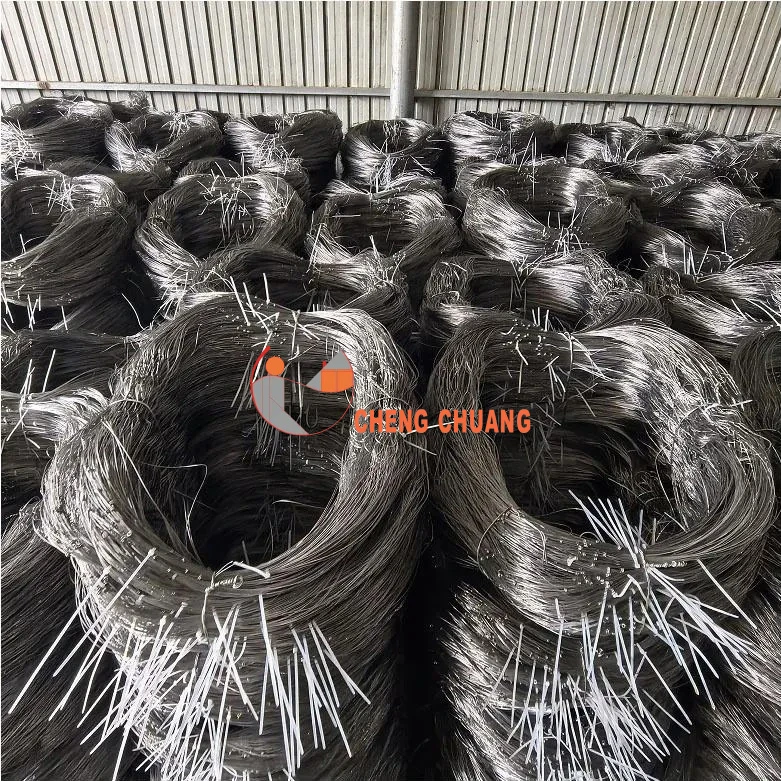
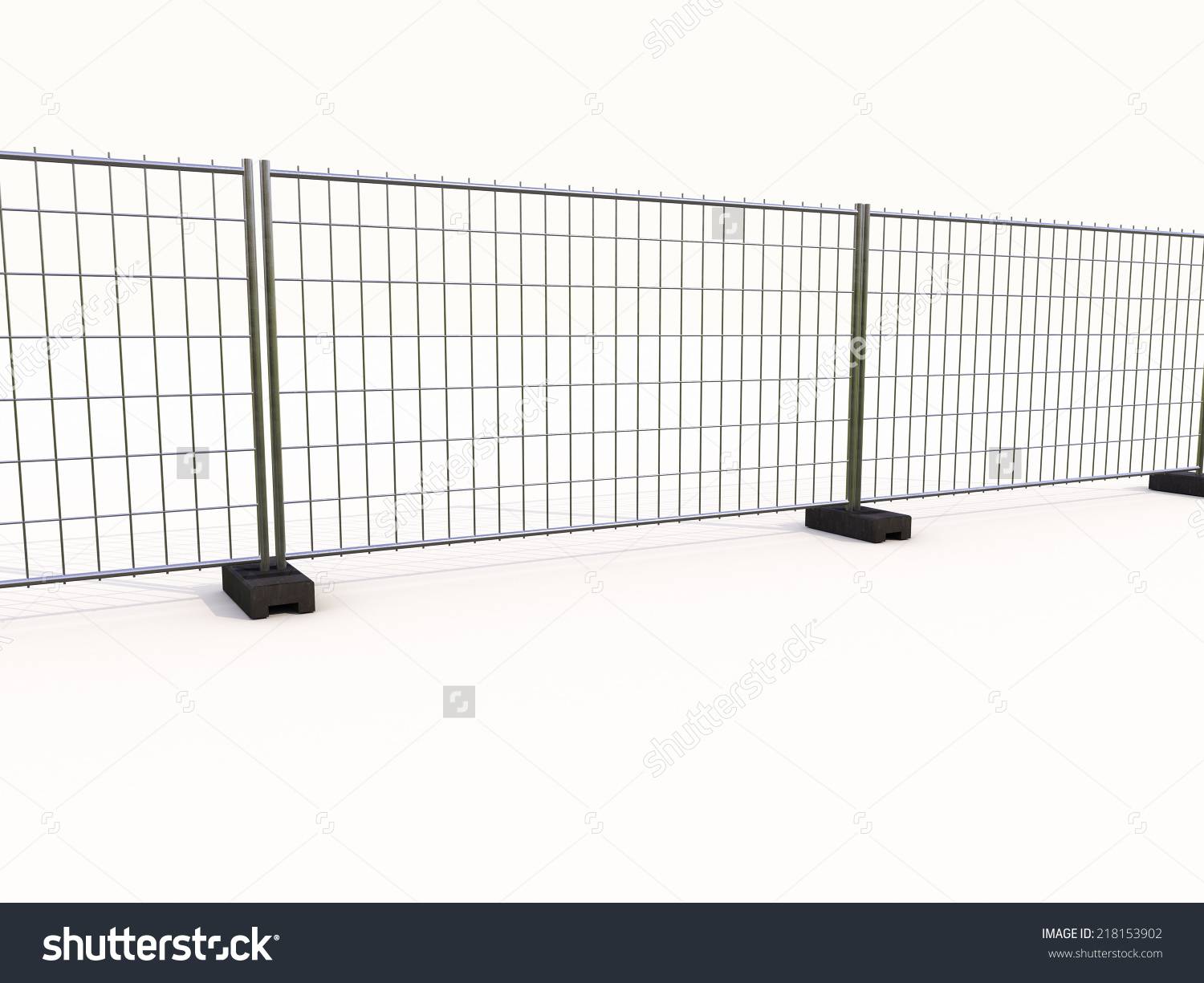
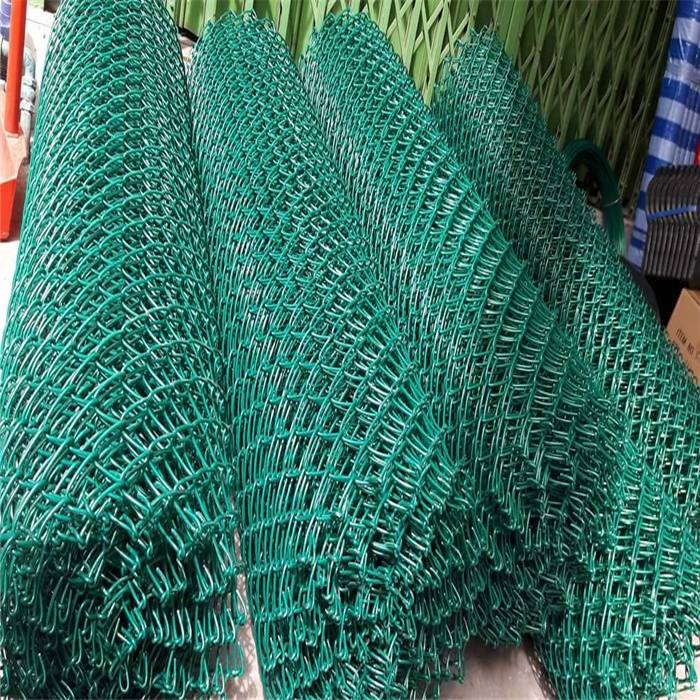
Latest News About CHENG CHUANG
-
 Heavy Duty 6 gauge welded wire mesh for Security and StrengthWhen it comes to heavy-duty containment, security, and structural reinforcement, choosing the right material is critical. The 6 gauge welded wire mesh stands as a premier choice for those requiring a balance of extreme rigidity and precise spacing. Whether you are securing a commercial perimeter, building industrial livestock panels, or creating reinforced concrete structures, this specific thickness provides the structural integrity needed to withstand significant pressure and impact. In this comprehensive guide, we will explore the technical specifications, primary applications, and why this mesh is the gold standard for high-security fencing solutions.Read more >
Apr 16 2026
-
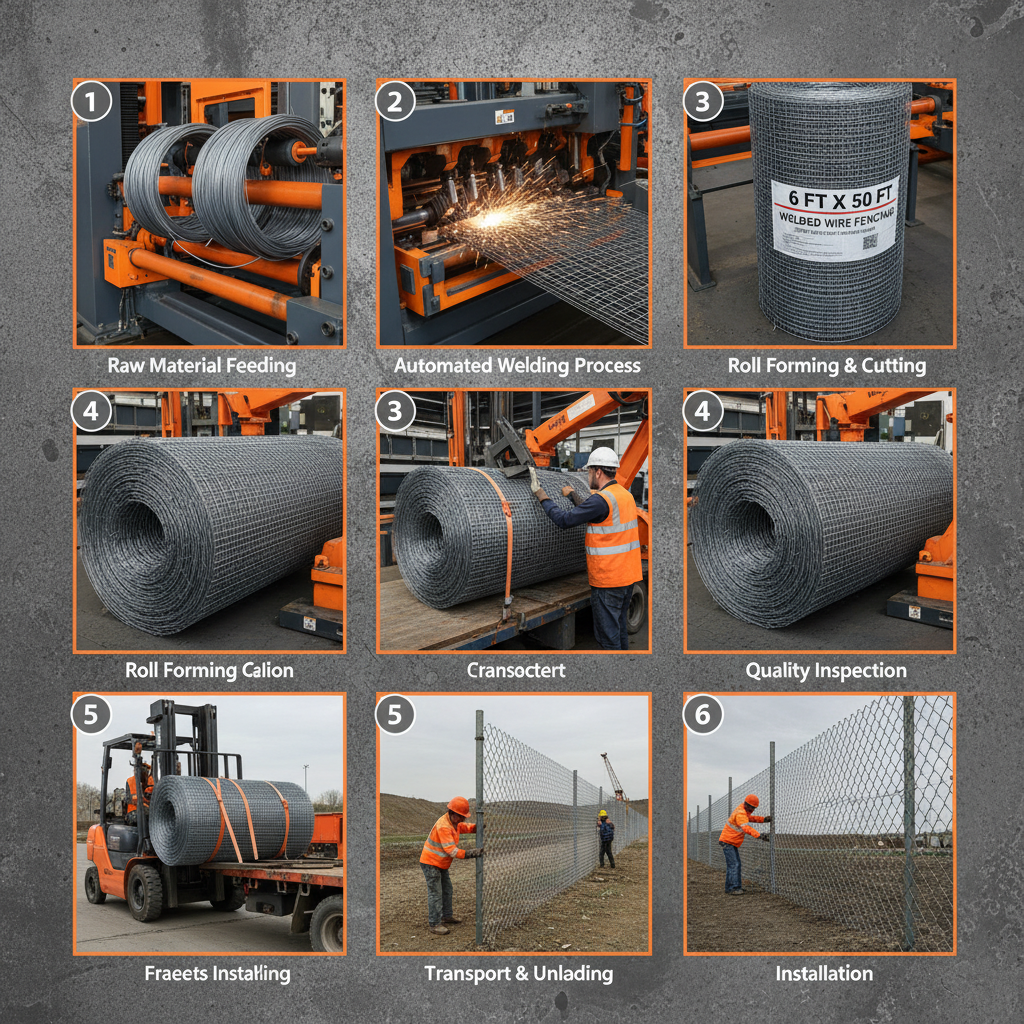 Durable 6 ft x 50 ft welded wire fencing for Security and GardensWhen it comes to securing a perimeter, whether for agricultural use, garden protection, or industrial boundaries, the dimensions and material of your fence matter. The 6 ft x 50 ft welded wire fencing offers an ideal balance of height and length, providing a robust barrier that is easy to install and maintain. Choosing a welded wire system ensures that the intersections are fused together, preventing the shifting and sagging often found in woven alternatives. In this guide, we will explore why this specific size is a preferred choice for property owners and how to maximize its effectiveness for your specific project.Read more >
Apr 09 2026
-
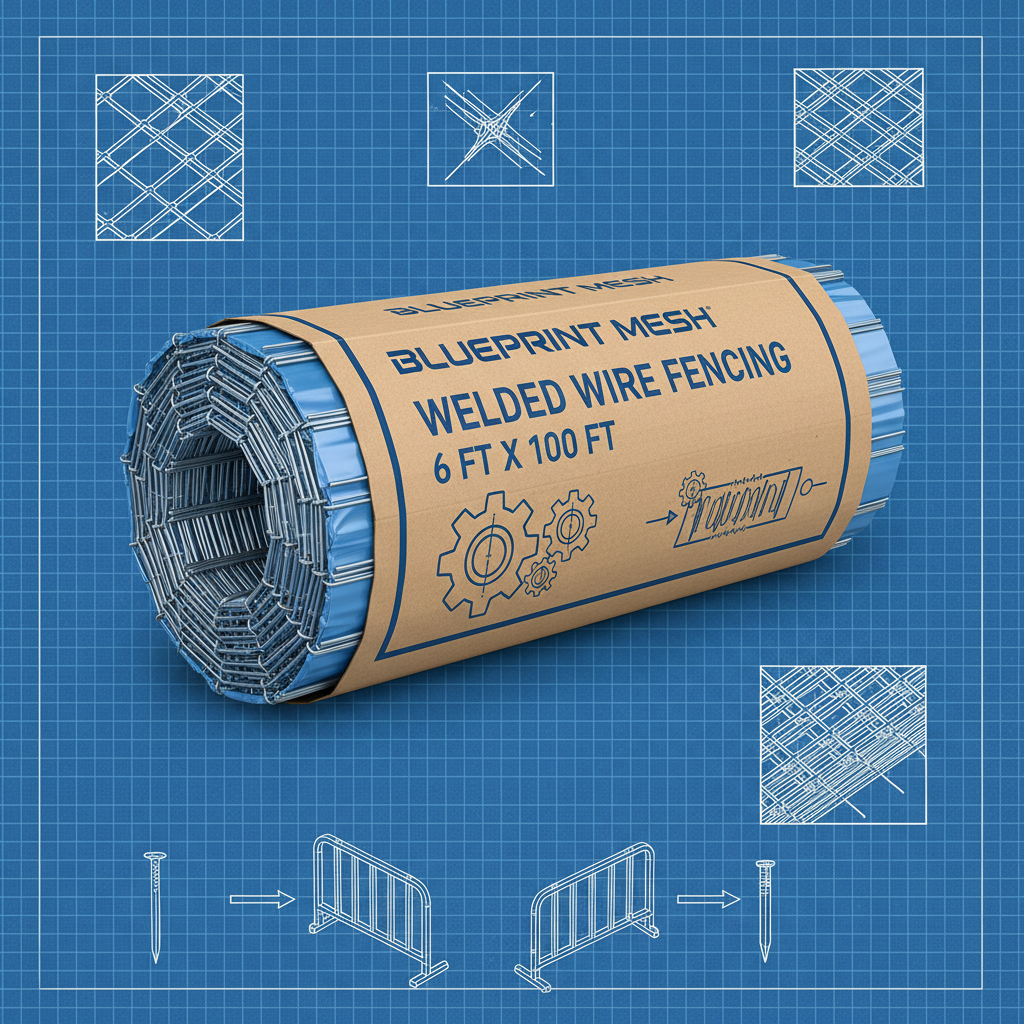 Comprehensive Guide to Choosing the Best 6 ft x 100 ft Welded Wire FencingWelded wire fencing is a versatile and cost-effective solution for a wide range of applications, from agricultural containment to residential security. Understanding the nuances of different types, especially when considering a size like 6 ft x 100 ft welded wire fencing, is crucial for making the right investment. This article will guide you through the essential factors to consider, helping you select the fencing that best suits your specific requirements.Read more >
Apr 07 2026
-
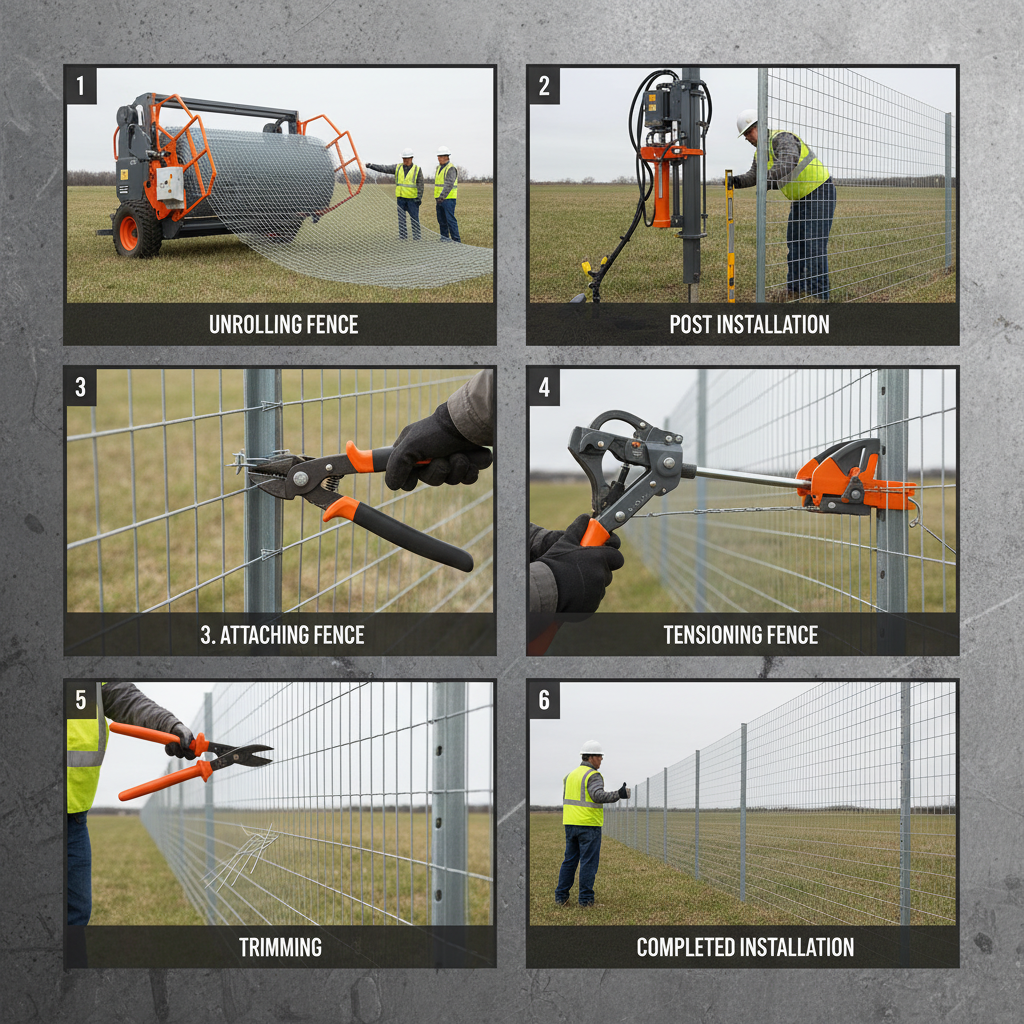 Comprehensive Guide to Choosing a 6 ft x 100 ft 12.5 Gauge Welded Wire FenceSelecting the appropriate fence for your property requires careful consideration. A 6 ft x 100 ft 12.5 gauge welded wire fence offers a robust and versatile solution for a variety of applications, from pet containment to garden protection and security. This guide will explore the benefits, applications, installation tips, and considerations when choosing this type of fencing. Understanding its construction and comparing it to other fencing options will help you make an informed decision.Read more >
Apr 04 2026
-
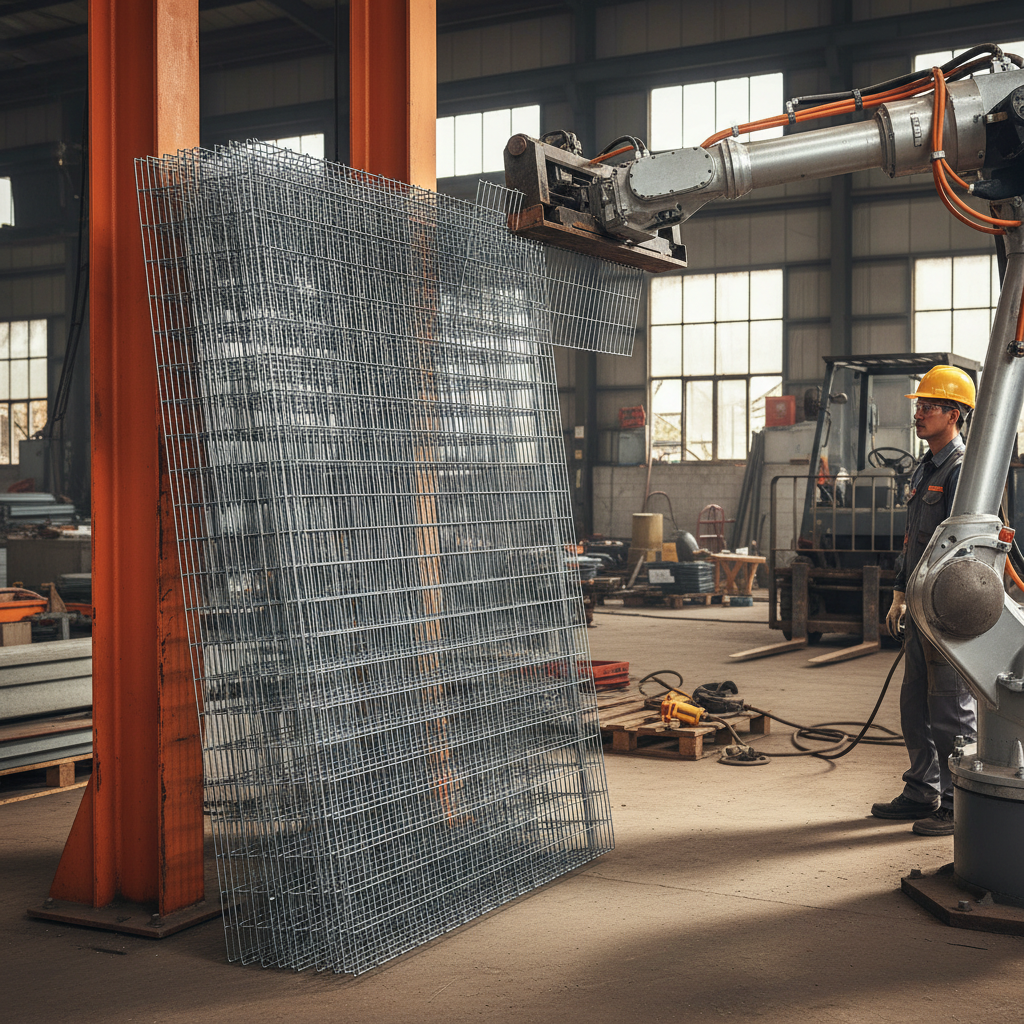 Comprehensive Guide to Durable 6 ft Welded Wire Fencing Panels and ApplicationsWhen selecting fencing for your property, 6 ft welded wire fencing panels offer a robust and versatile solution. These panels combine strength, security, and ease of installation, making them a popular choice for both residential and commercial applications. This article delves into the benefits, applications, installation, and maintenance of these panels, helping you make an informed decision.Read more >
Mar 31 2026