


Durable Welded Mesh Fencing for Industrial Use | Reliable Security
Welded Mesh Fencing: Durable Solutions for Industrial Applications
Having spent more than a decade in the industrial equipment sector, I can say that welded mesh fencing remains one of those quietly reliable products you don’t often think twice about until you really need it. It’s odd how something so straightforward—a grid of steel wires welded at intersections—can make such a difference when it comes to containing, protecting, or just marking off spaces in industrial environments.
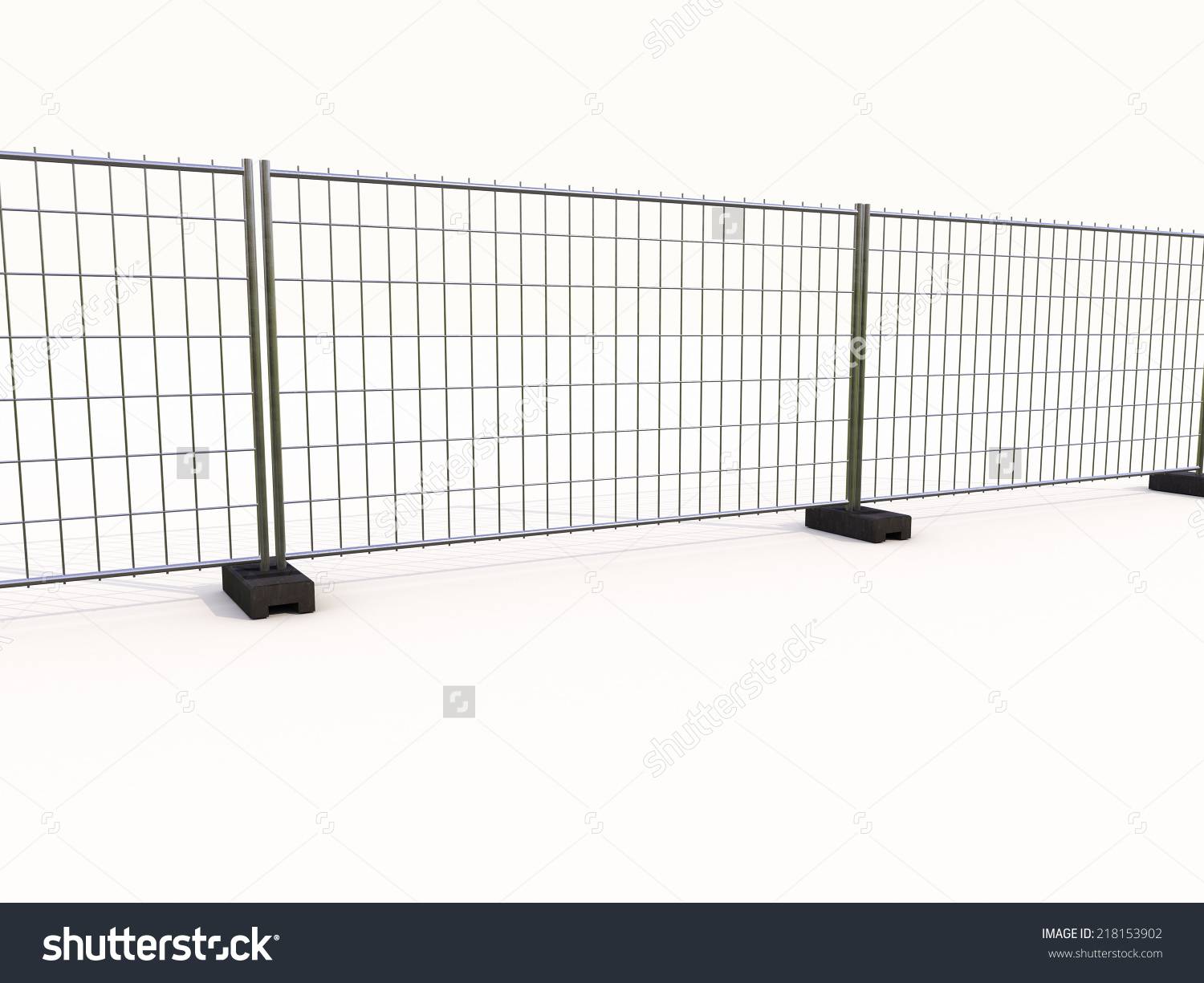
Now, in real terms, what sets this fencing apart? For one, it’s the balance of strength and versatility. Unlike chain-link or wooden fences, welded mesh is both rigid and adaptable, offering security without looking fortress-like. I often notice site managers appreciating this in large manufacturing plants or outdoor storage yards. It’s tough but also relatively easy to install and maintain, which is crucial when timelines are tight.
One of my early projects involved securing a chemical plant’s perimeter—an environment where safety regulations are strict. The welded mesh fencing performed admirably, holding up under stress and resisting corrosion better than expected, thanks largely to galvanization and powder coating. These treatments can vary, of course. Some vendors offer stainless steel versions for highly corrosive sites, but at a higher price point.
Customization is a frequent topic in discussions with clients. You can tailor mesh size, wire gauge, panel height, and coating type to fit specific needs. For example, tighter mesh sizes prevent smaller debris or animals from entering, whereas larger grids are used mainly for visibility and basic boundary marking. Oddly enough, I’ve seen specifications that include anti-climb designs for sensitive zones like power substations or airports, where security breaches simply aren’t an option.
Let me share a quick anecdote: a colleague once told me about a vineyard that chose welded mesh to cage off their crop areas. Aside from keeping out deer, the fence helped guide workers efficiently during harvest. It’s a reminder that these fences aren’t just industrial—they’re practical for all manner of uses.
Welded Mesh Fencing Product Specifications
| Specification | Details |
|---|---|
| Wire Diameter | 4mm – 8mm |
| Mesh Size (Opening) | 50mm x 50mm – 100mm x 100mm |
| Panel Size | 2m x 2.5m (custom available) |
| Material | Galvanized Steel (Powder Coated, Stainless variants) |
| Finish | Hot Dip Galvanized, PVC coated, or Powder Coated |
| Applications | Industrial security, agricultural fencing, construction sites |
Vendor Comparison for Welded Mesh Fencing
| Feature | Vendor A | Vendor B | Vendor C |
|---|---|---|---|
| Material Quality | High Grade Galvanized | Standard Galvanized | Stainless Steel Options |
| Customization | Extensive (wire sizes, mesh opening) | Limited (standard panels only) | Moderate (colors, sizes) |
| Price Range | $$$ | $ | $$$$ |
| Delivery Time | 2-3 weeks | 1-2 weeks | 3-4 weeks |
| Warranty | 5 years | 1 year | 7 years |
In my experience, the key to choosing the right welded mesh fencing is balancing quality, lead time, and budget. It’s tempting sometimes to just go for the cheapest option, but when a fence fails in harsh industrial settings, the downtime and repair costs add up quickly. Frankly, it pays to invest in good materials and a supplier who understands the stakes.
Lastly, I’d say if you’re looking for a fence that does its job quietly and well—without too much fuss—welded mesh fencing might be just what you need. You could even say it’s the unsung hero of industrial safety and organization.
References:- Industry standards on galvanized steel coatings.
- Case studies from manufacturing and agricultural sectors.
- Discussions with fencing engineers and site managers.
Latest News About CHENG CHUANG
-
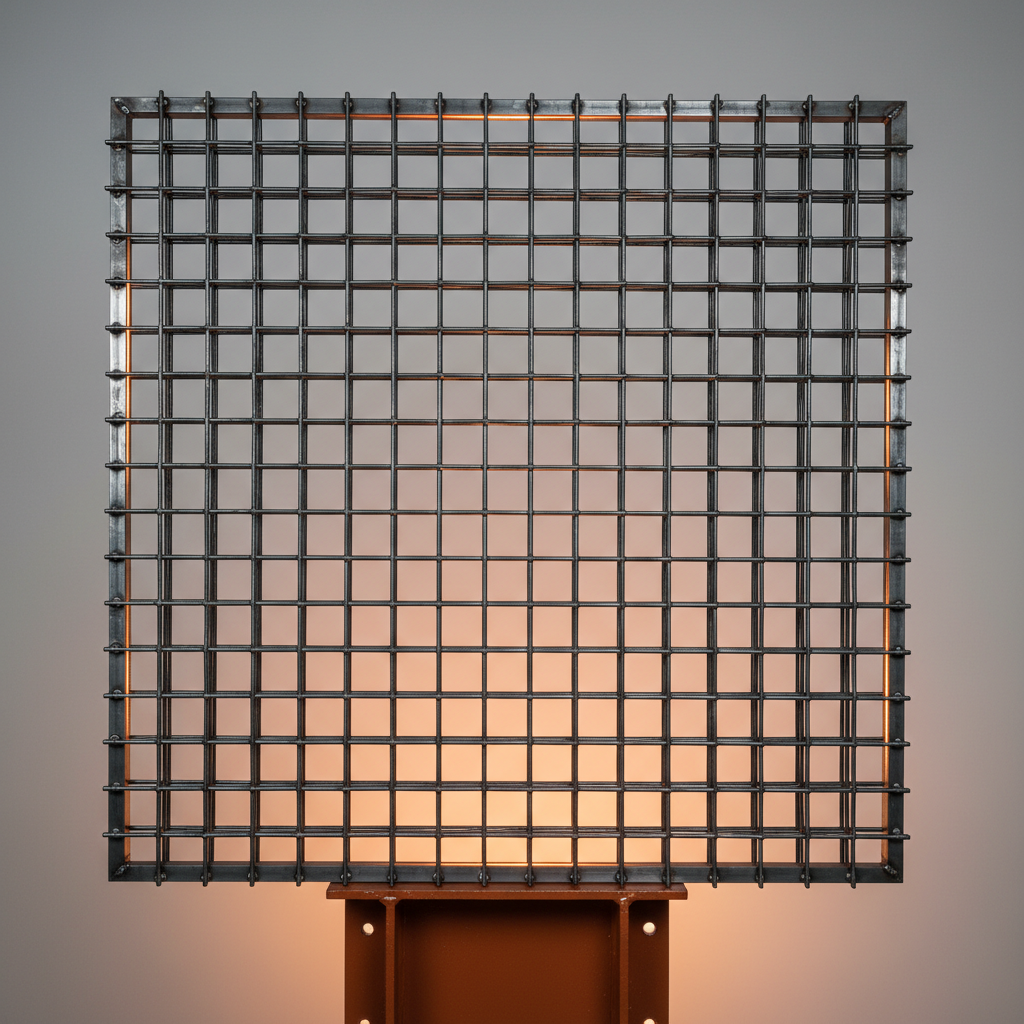 Heavy Duty 6 gauge welded wire mesh for Security and StrengthWhen it comes to heavy-duty containment, security, and structural reinforcement, choosing the right material is critical. The 6 gauge welded wire mesh stands as a premier choice for those requiring a balance of extreme rigidity and precise spacing. Whether you are securing a commercial perimeter, building industrial livestock panels, or creating reinforced concrete structures, this specific thickness provides the structural integrity needed to withstand significant pressure and impact. In this comprehensive guide, we will explore the technical specifications, primary applications, and why this mesh is the gold standard for high-security fencing solutions.Read more >
Apr 16 2026
-
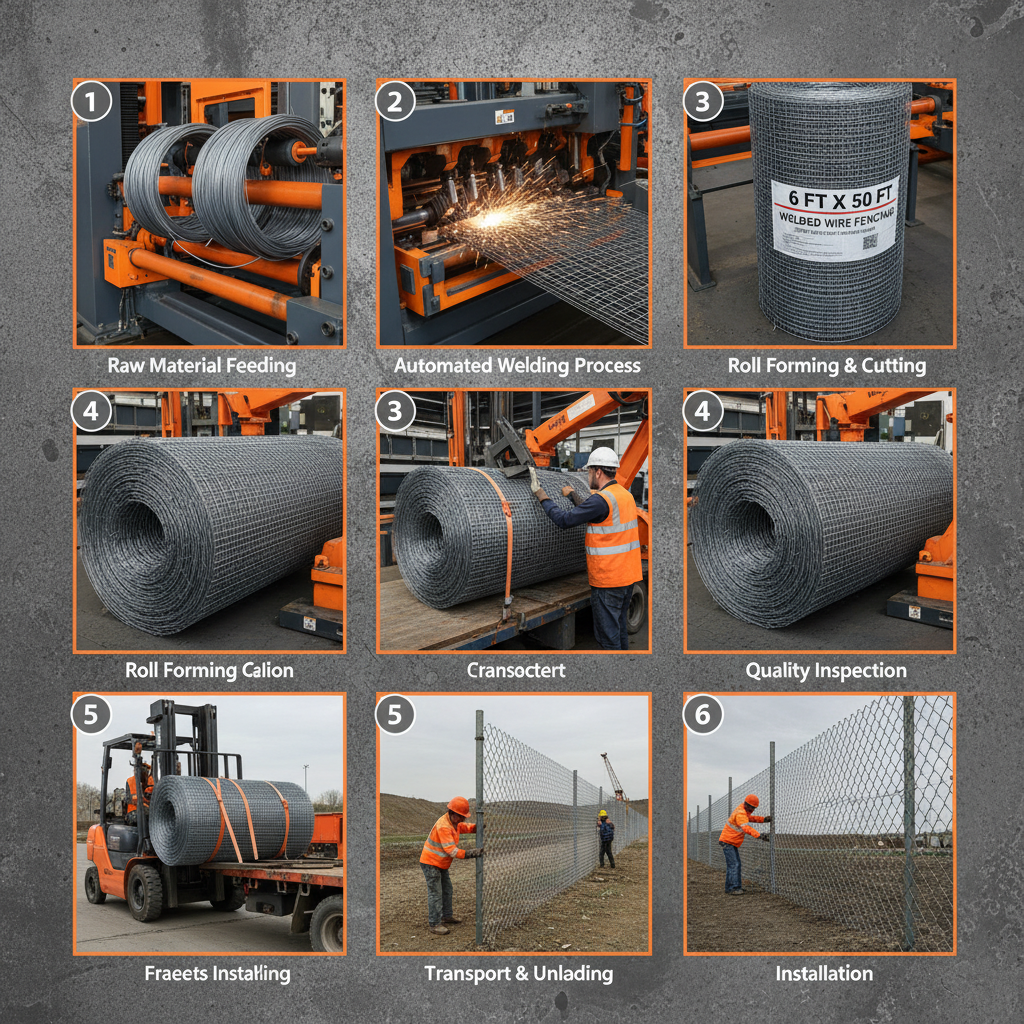 Durable 6 ft x 50 ft welded wire fencing for Security and GardensWhen it comes to securing a perimeter, whether for agricultural use, garden protection, or industrial boundaries, the dimensions and material of your fence matter. The 6 ft x 50 ft welded wire fencing offers an ideal balance of height and length, providing a robust barrier that is easy to install and maintain. Choosing a welded wire system ensures that the intersections are fused together, preventing the shifting and sagging often found in woven alternatives. In this guide, we will explore why this specific size is a preferred choice for property owners and how to maximize its effectiveness for your specific project.Read more >
Apr 09 2026
-
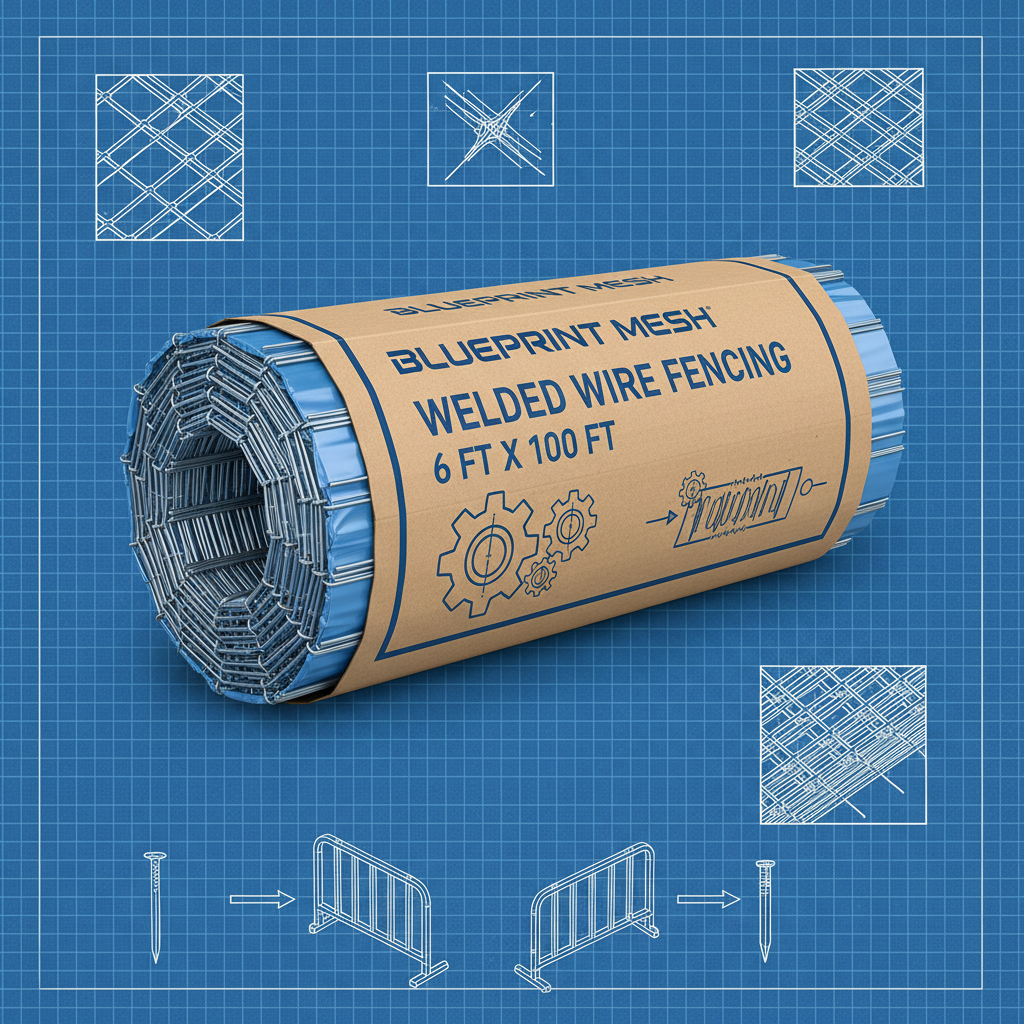 Comprehensive Guide to Choosing the Best 6 ft x 100 ft Welded Wire FencingWelded wire fencing is a versatile and cost-effective solution for a wide range of applications, from agricultural containment to residential security. Understanding the nuances of different types, especially when considering a size like 6 ft x 100 ft welded wire fencing, is crucial for making the right investment. This article will guide you through the essential factors to consider, helping you select the fencing that best suits your specific requirements.Read more >
Apr 07 2026
-
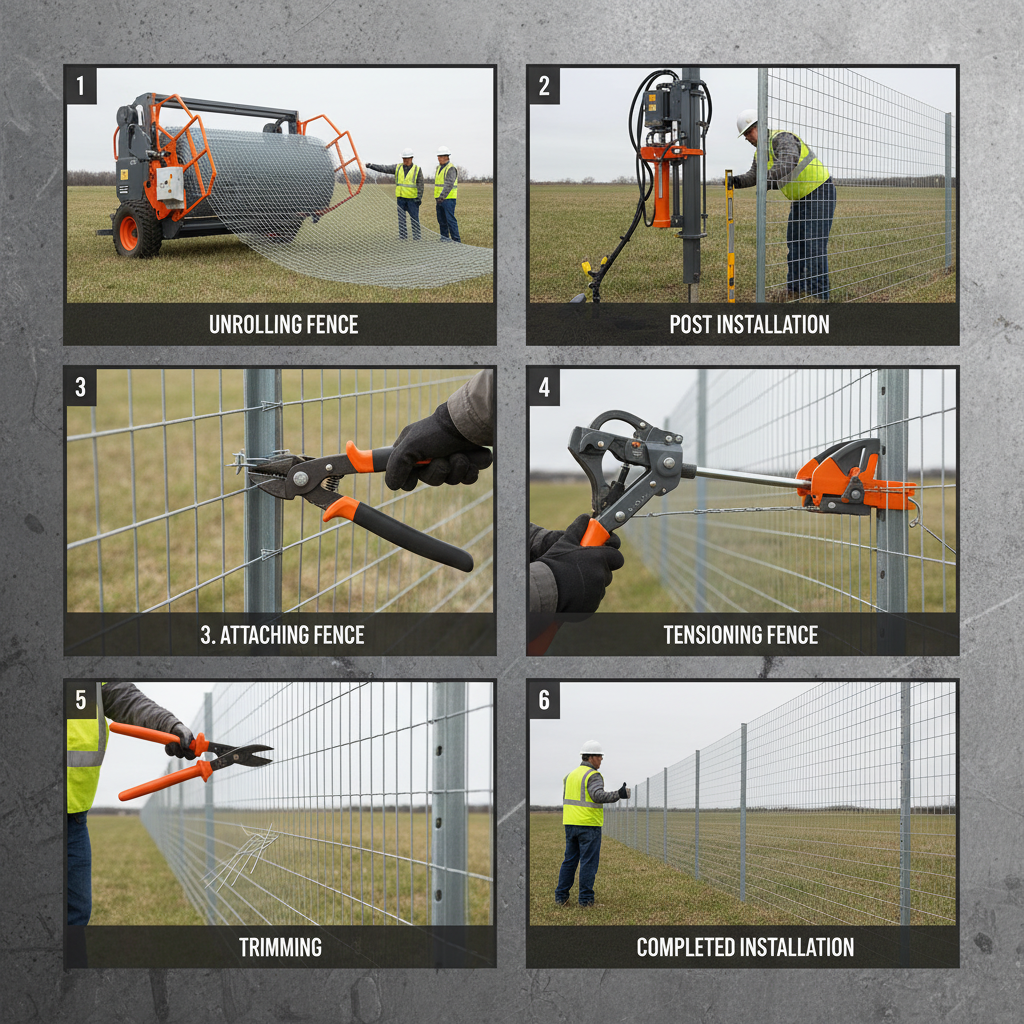 Comprehensive Guide to Choosing a 6 ft x 100 ft 12.5 Gauge Welded Wire FenceSelecting the appropriate fence for your property requires careful consideration. A 6 ft x 100 ft 12.5 gauge welded wire fence offers a robust and versatile solution for a variety of applications, from pet containment to garden protection and security. This guide will explore the benefits, applications, installation tips, and considerations when choosing this type of fencing. Understanding its construction and comparing it to other fencing options will help you make an informed decision.Read more >
Apr 04 2026
-
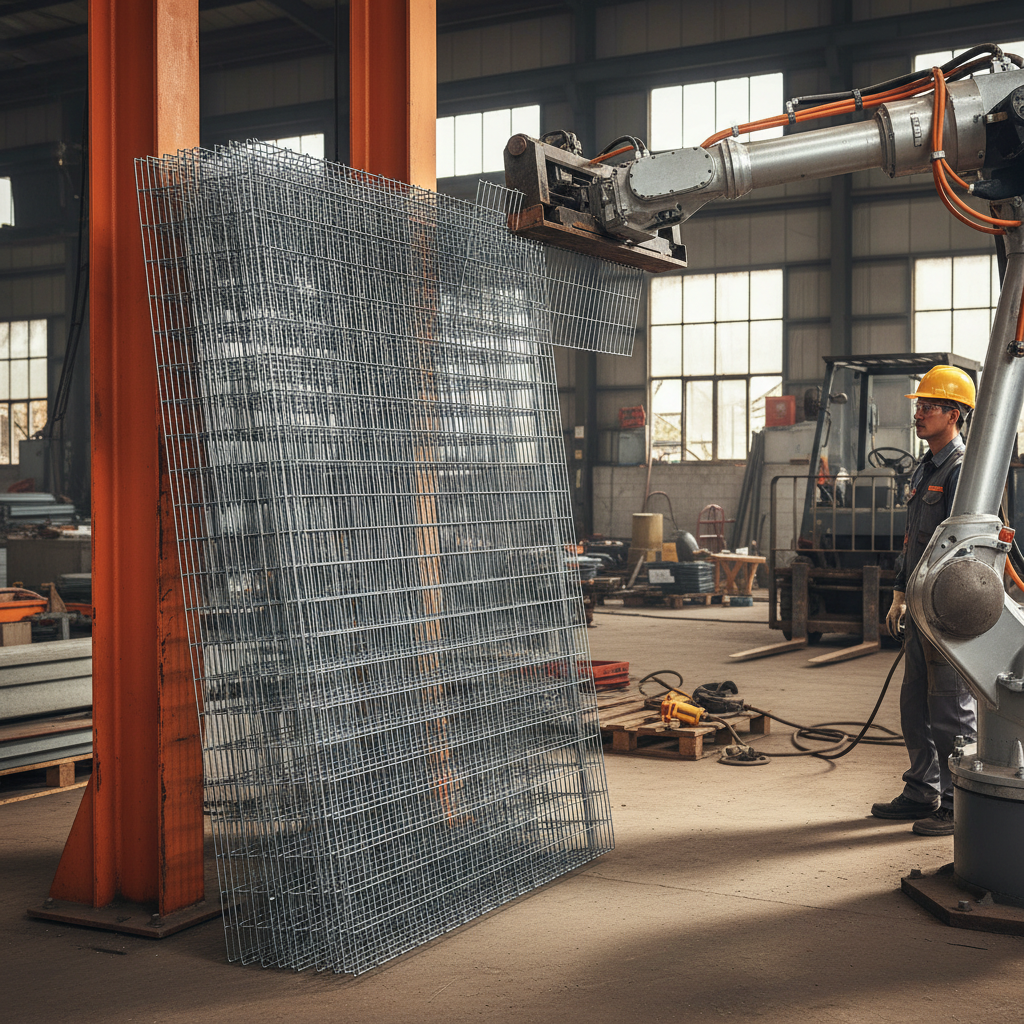 Comprehensive Guide to Durable 6 ft Welded Wire Fencing Panels and ApplicationsWhen selecting fencing for your property, 6 ft welded wire fencing panels offer a robust and versatile solution. These panels combine strength, security, and ease of installation, making them a popular choice for both residential and commercial applications. This article delves into the benefits, applications, installation, and maintenance of these panels, helping you make an informed decision.Read more >
Mar 31 2026