


Comprehensive Guide to 50mm Weld Mesh Applications and Purchasing Considerations
Understanding 50mm Weld Mesh: A Comprehensive Guide
50mm weld mesh is a versatile and widely used wire mesh product, particularly in fencing, security, and construction applications. Known for its strength, durability, and cost-effectiveness, it’s a staple for both residential and commercial projects. This article dives deep into the characteristics, applications, benefits, and factors to consider when purchasing 50mm weld mesh. We’ll explore how this product offers robust solutions for a wide array of needs, and why choosing a reliable supplier is paramount.
What is 50mm Weld Mesh?
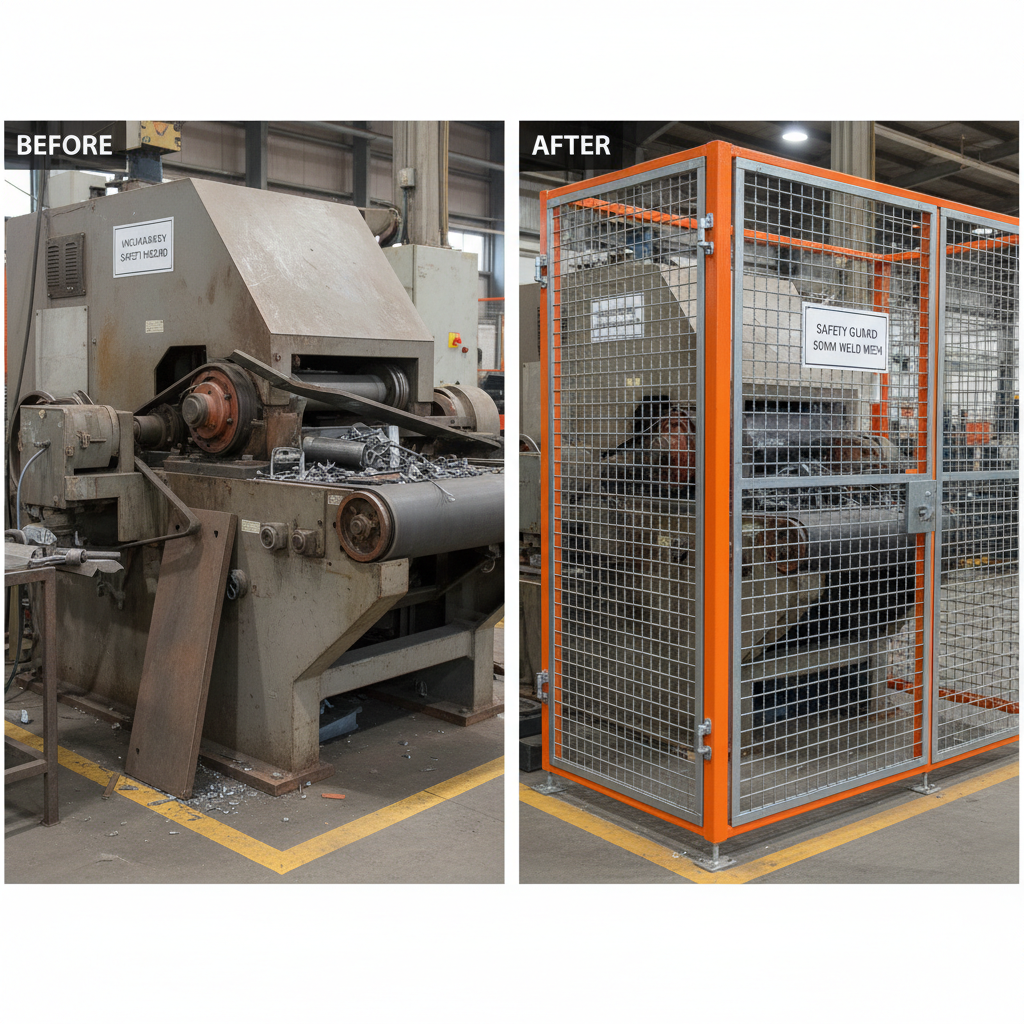
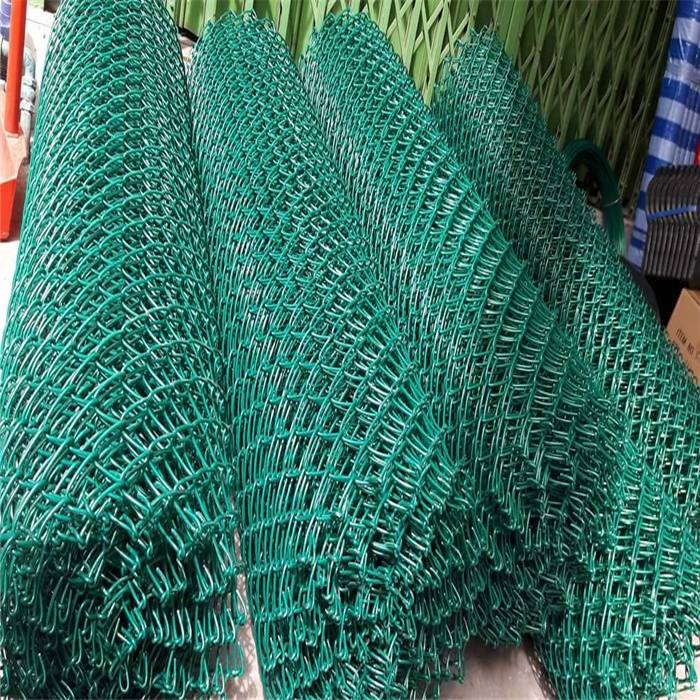
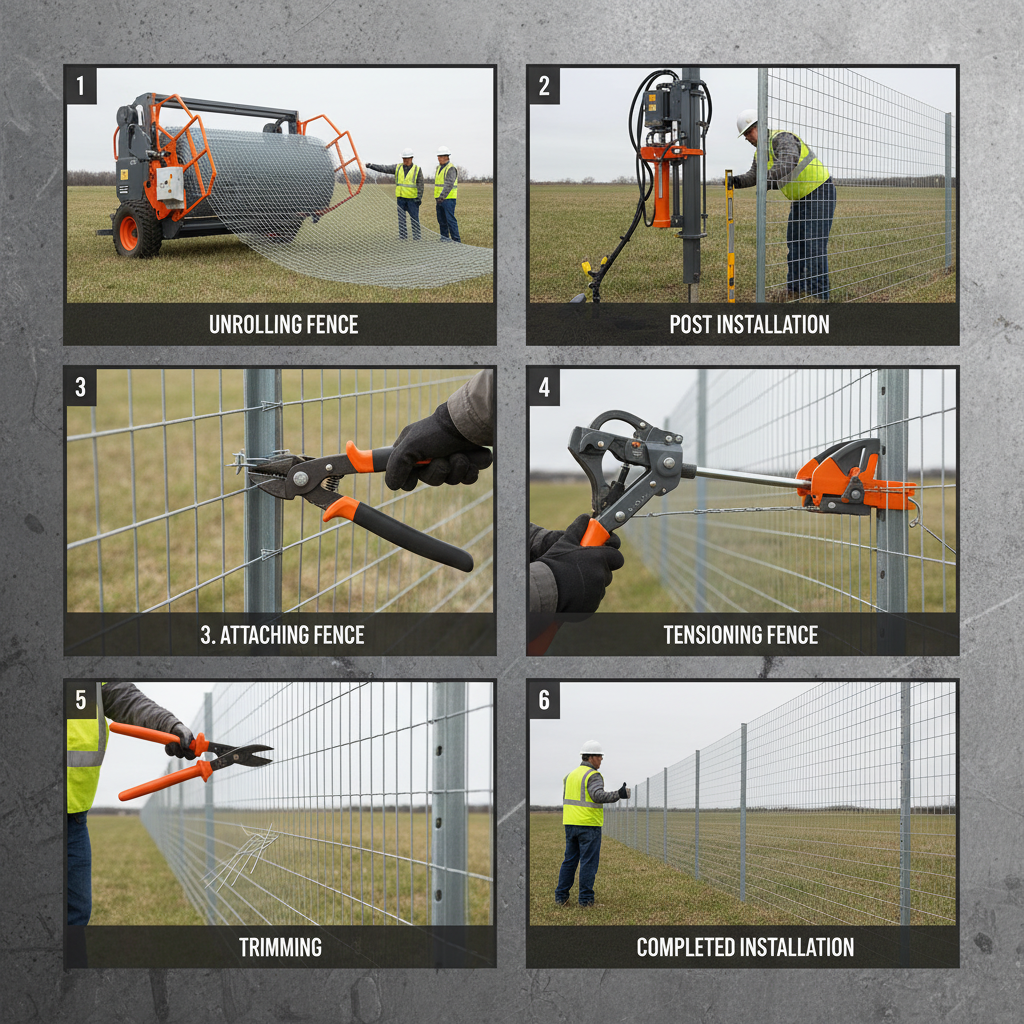
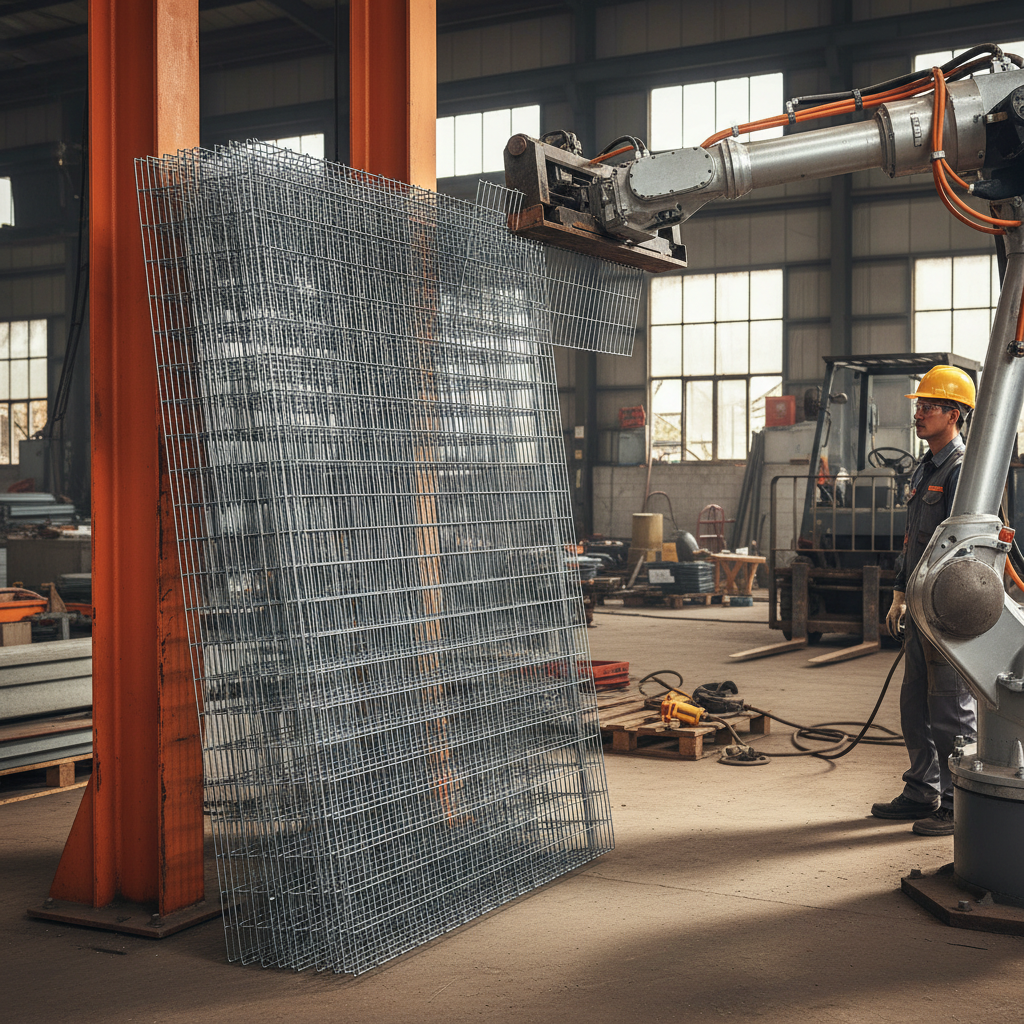
50mm weld mesh, also known as welded wire mesh, is created by welding pre-galvanized steel wires at their intersection points. The "50mm" refers to the size of the openings (or apertures) in the mesh – the distance between each welded wire. This specific aperture size offers an excellent balance between security, visibility, and cost. The mesh is typically supplied in rolls or panels, making it easy to handle and install. It’s a commonly used material for perimeter fencing, animal enclosures, and industrial safety barriers due to its robust construction and relatively lightweight nature. The process of welding ensures a strong and rigid structure, capable of withstanding significant stress and strain.
Key Characteristics: Strong and durable construction, consistent aperture size, easy installation, and cost-effective solution for various fencing and security applications.
Common Applications of 50mm Weld Mesh
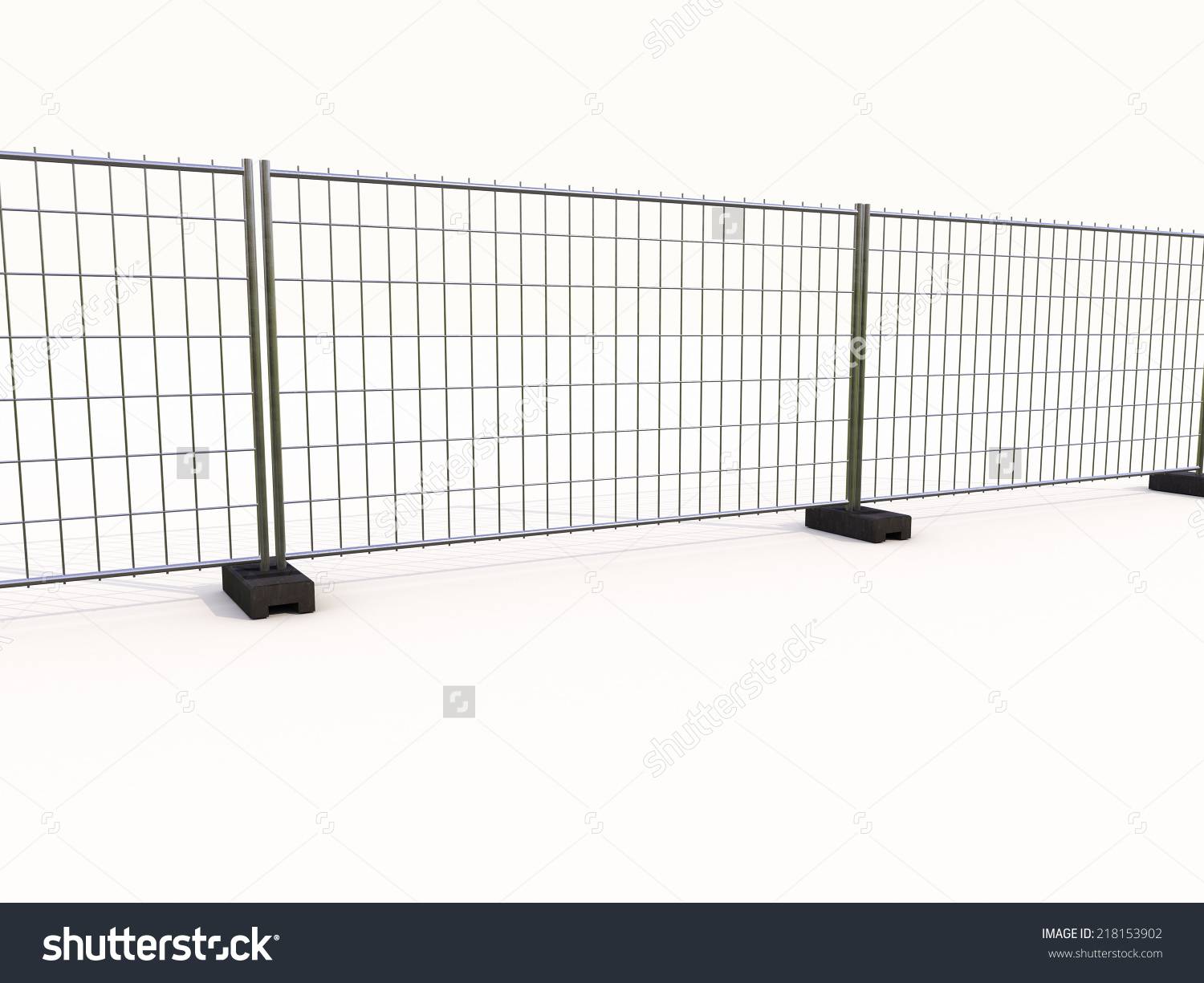
The versatility of 50mm weld mesh means it finds applications across a wide range of industries and projects. Some of the most common uses include: agricultural fencing to contain livestock, garden fencing for protecting plants and creating boundaries, security fencing to deter intruders and enhance perimeter protection, industrial fencing for safety barriers and site enclosures, construction fencing for temporary site security, and even in the creation of cages or animal enclosures. It's also increasingly used in DIY projects due to its ease of handling and installation. Because it's galvanized, it offers good corrosion resistance, making it suitable for both indoor and outdoor use.
Popular Uses:
• Agricultural fencing
• Garden boundaries
• Security barriers
• Industrial site enclosures
50mm Weld Mesh: Comparing Wire Gauge and Mesh Size
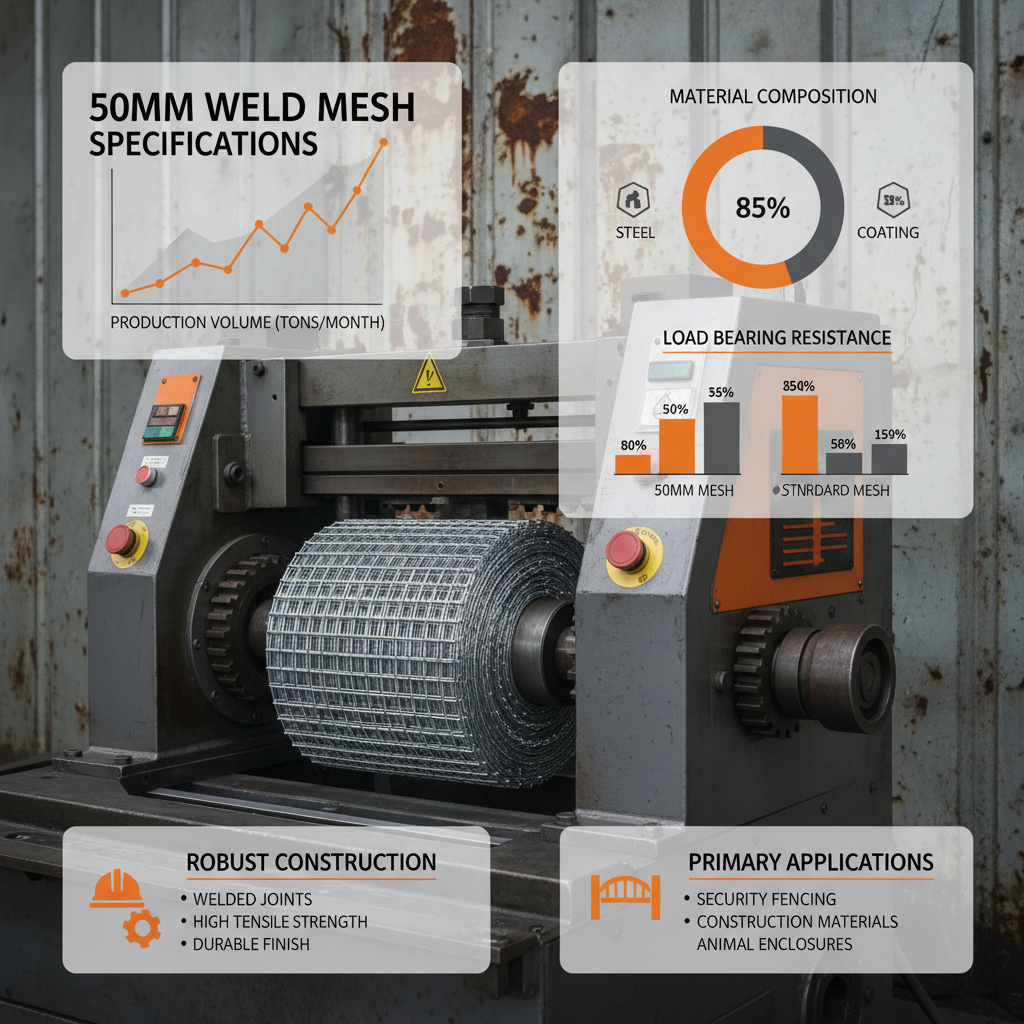
When selecting 50mm weld mesh, understanding the relationship between wire gauge and aperture size is crucial. Wire gauge refers to the thickness of the wire used in the mesh; a lower gauge number indicates a thicker wire, and therefore greater strength. Common wire gauges for 50mm weld mesh range from 14 gauge to 20 gauge. A thicker gauge (e.g., 14 gauge) is ideal for high-security applications or areas with heavy use, while a lighter gauge (e.g., 20 gauge) is suitable for less demanding applications like garden fencing. The 50mm aperture provides a good balance, but you'll also find variations like 40mm or 60mm depending on your specific needs.
Factors to Consider When Purchasing 50mm Weld Mesh
Beyond wire gauge, several other factors impact the suitability of 50mm weld mesh for your project. Consider the required height of the fencing, the length of roll or panel needed, and the level of galvanization (coating thickness) for corrosion resistance. The type of fixing accessories – such as tension bars, straining wire, and posts – should also be compatible with the mesh. Crucially, choose a reputable supplier like CHCH Fence to ensure you're receiving a high-quality product that meets industry standards. Prioritize suppliers offering certifications and a proven track record of customer satisfaction.
Choosing the Right Supplier: Why CHCH Fence Stands Out
Selecting the right supplier is as important as choosing the right product. CHCH Fence is a leading provider of weld mesh fencing solutions, offering a wide range of 50mm weld mesh options to suit diverse needs. We pride ourselves on delivering consistently high-quality products, competitive pricing, and exceptional customer service. Our extensive inventory, efficient logistics, and experienced team ensure a smooth and hassle-free experience, from initial consultation to final delivery. We understand the importance of durable and reliable fencing, and are committed to providing solutions that meet the highest industry standards.
Conclusion: Investing in Quality 50mm Weld Mesh
Choosing the right 50mm weld mesh is a vital step in ensuring the security, functionality, and longevity of your fencing project. By considering factors like wire gauge, aperture size, and supplier reputation, you can make an informed decision that meets your specific requirements. Partner with a trusted provider like CHCH Fence for superior quality and reliable service.
Frequently Asked Questions (FAQs)
What is the typical lifespan of 50mm weld mesh fencing?
The lifespan of 50mm weld mesh fencing significantly depends on the level of galvanization, the environment it’s exposed to, and regular maintenance. Properly galvanized mesh in a mild climate can last 10-20 years or even longer. However, in harsh coastal environments or areas with high levels of industrial pollution, the lifespan may be reduced. Regular inspection for rust and the application of protective coatings can extend its longevity. Ensure the mesh is properly installed and supported to prevent undue stress.
Is 50mm weld mesh suitable for retaining walls?
While 50mm weld mesh can be used in retaining wall construction, it's typically not suitable as the primary structural support. It is commonly used as a reinforcement layer within the soil mass to provide added stability and prevent soil erosion. However, proper engineering design and the use of appropriate structural elements (like concrete or timber) are essential for retaining wall safety. Consult a structural engineer to determine the correct application and load-bearing capacity for your specific project.
What’s the difference between galvanized and stainless steel weld mesh?
Galvanized weld mesh is coated with a layer of zinc to protect against rust and corrosion, offering excellent value for many applications. Stainless steel weld mesh, on the other hand, is made from a stainless steel alloy, providing superior corrosion resistance – particularly in harsh environments like saltwater or chemically exposed areas. Stainless steel is significantly more expensive than galvanized steel, but offers a longer lifespan and a more aesthetically pleasing appearance. The choice depends on your budget and the severity of the environmental conditions.
Can 50mm weld mesh be easily cut and shaped on site?
Yes, 50mm weld mesh can be cut and shaped on site using appropriate tools. Bolt cutters, wire cutters, or a metal-cutting saw can be used to cut the mesh to the desired length or shape. However, it’s important to wear appropriate safety gear, including gloves and eye protection, during the cutting process. After cutting, the exposed wire ends may require treatment to prevent rust, such as applying a galvanizing compound or paint.
Latest News About CHENG CHUANG
-
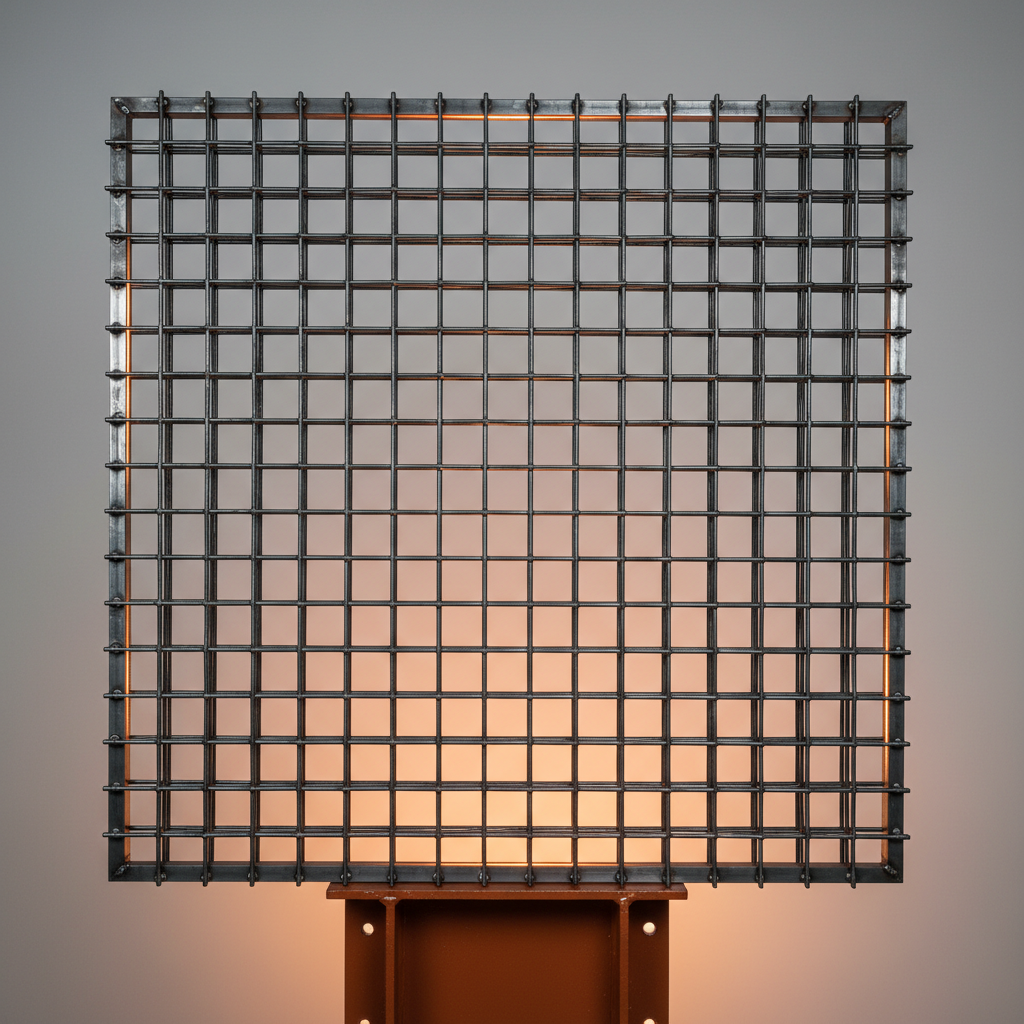 Heavy Duty 6 gauge welded wire mesh for Security and StrengthWhen it comes to heavy-duty containment, security, and structural reinforcement, choosing the right material is critical. The 6 gauge welded wire mesh stands as a premier choice for those requiring a balance of extreme rigidity and precise spacing. Whether you are securing a commercial perimeter, building industrial livestock panels, or creating reinforced concrete structures, this specific thickness provides the structural integrity needed to withstand significant pressure and impact. In this comprehensive guide, we will explore the technical specifications, primary applications, and why this mesh is the gold standard for high-security fencing solutions.Read more >
Apr 16 2026
-
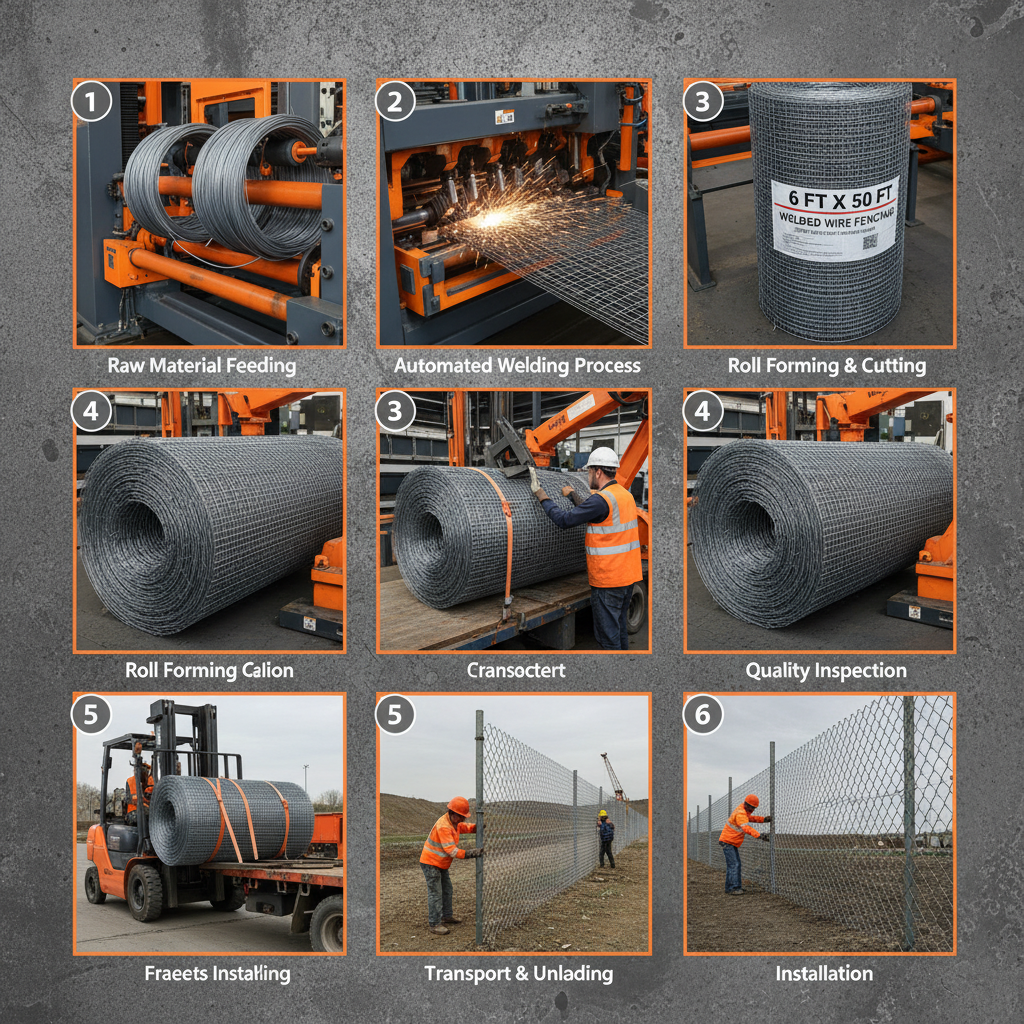 Durable 6 ft x 50 ft welded wire fencing for Security and GardensWhen it comes to securing a perimeter, whether for agricultural use, garden protection, or industrial boundaries, the dimensions and material of your fence matter. The 6 ft x 50 ft welded wire fencing offers an ideal balance of height and length, providing a robust barrier that is easy to install and maintain. Choosing a welded wire system ensures that the intersections are fused together, preventing the shifting and sagging often found in woven alternatives. In this guide, we will explore why this specific size is a preferred choice for property owners and how to maximize its effectiveness for your specific project.Read more >
Apr 09 2026
-
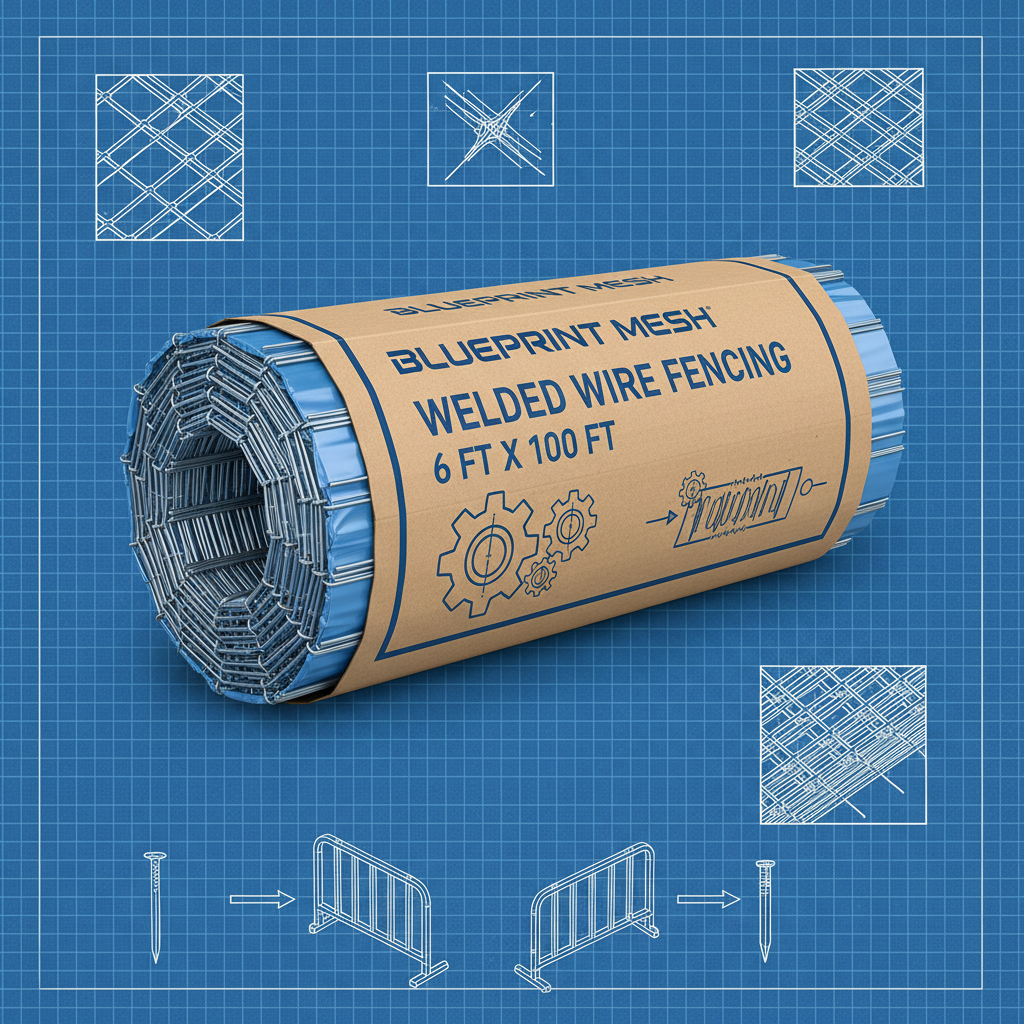 Comprehensive Guide to Choosing the Best 6 ft x 100 ft Welded Wire FencingWelded wire fencing is a versatile and cost-effective solution for a wide range of applications, from agricultural containment to residential security. Understanding the nuances of different types, especially when considering a size like 6 ft x 100 ft welded wire fencing, is crucial for making the right investment. This article will guide you through the essential factors to consider, helping you select the fencing that best suits your specific requirements.Read more >
Apr 07 2026
-
 Comprehensive Guide to Choosing a 6 ft x 100 ft 12.5 Gauge Welded Wire FenceSelecting the appropriate fence for your property requires careful consideration. A 6 ft x 100 ft 12.5 gauge welded wire fence offers a robust and versatile solution for a variety of applications, from pet containment to garden protection and security. This guide will explore the benefits, applications, installation tips, and considerations when choosing this type of fencing. Understanding its construction and comparing it to other fencing options will help you make an informed decision.Read more >
Apr 04 2026
-
 Comprehensive Guide to Durable 6 ft Welded Wire Fencing Panels and ApplicationsWhen selecting fencing for your property, 6 ft welded wire fencing panels offer a robust and versatile solution. These panels combine strength, security, and ease of installation, making them a popular choice for both residential and commercial applications. This article delves into the benefits, applications, installation, and maintenance of these panels, helping you make an informed decision.Read more >
Mar 31 2026